
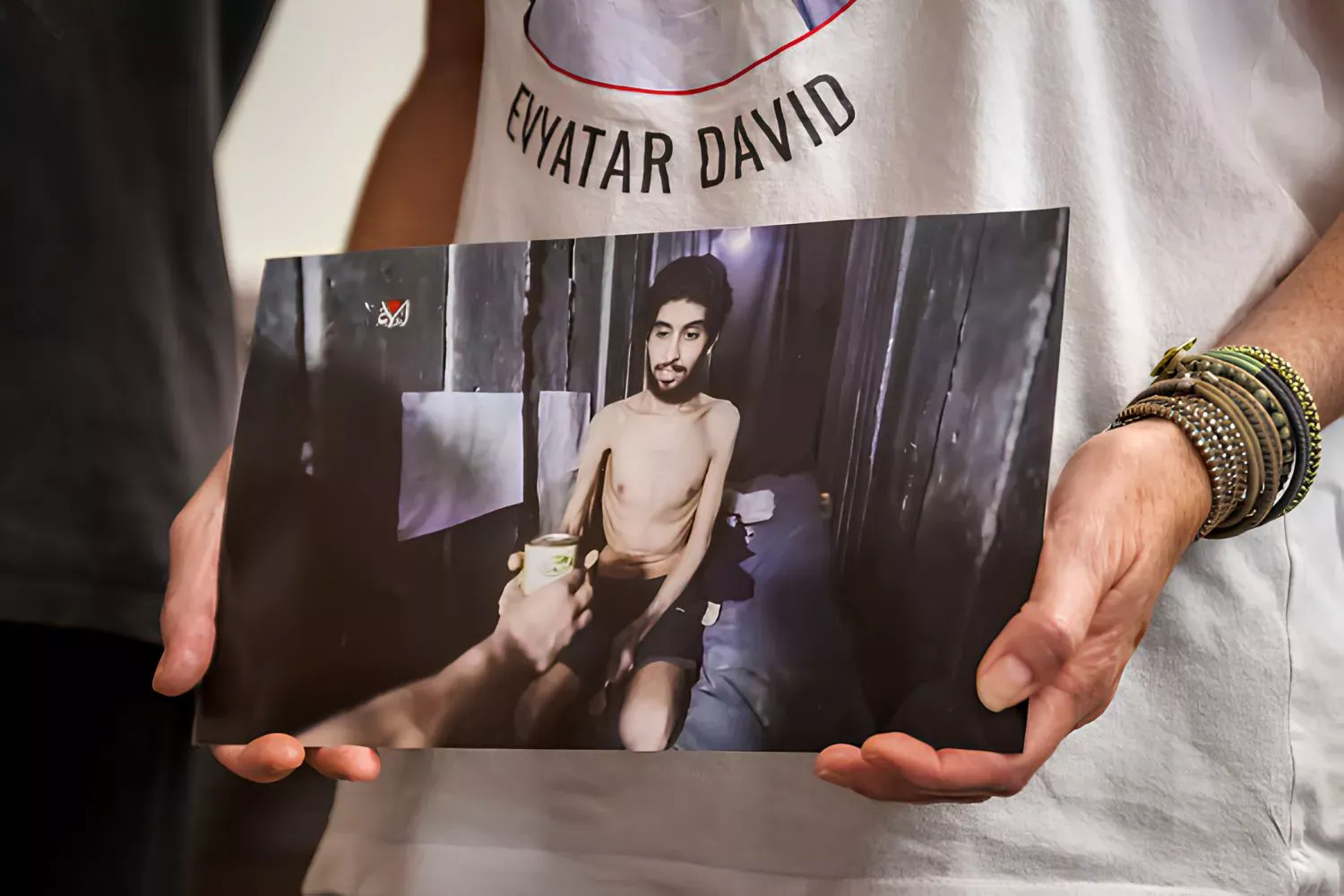
Kidnapped: Hostage-Taking as a Form of Torture
“We were brutally kidnapped from our house. Our girls saw things
that kids that age, or any age, should not see. You feel like you want
to pinch yourself and wake up from this movie. We just slept, cried.
Every day that passed was an endless eternity.”
- Danielle Aloni
Executive Summary
On October 7, 2023, Hamas and its related militias invaded southern Israel and forcibly abducted 247 men, women, and children. Prior to that attack, 4 hostages were already being held in Gaza. Over 2 years later, all of the hostages have come home, and a reckoning is now due.
This report is based on the testimony of released hostages and the health care professionals who treat them. It analyzes the clear and absolute prohibition on torture under international law, and integrates the findings of the United Nations Special Rapporteur on Torture, whose 2025 report identified a clear pattern of physical and psychological abuse suffered by hostages during captivity, as well as post-traumatic harm after their release.
We reveal here that 88 percent of the hostages were civilians. Among them, 23 hostages were aged 12 or younger at the time of their abduction, and 34 were aged 60 or older. Fifty percent of the hostages were non-Israeli or held dual or multiple citizenships, including citizens of at least 24 different countries.
The hostages were held in harsh, degrading, and inhumane conditions and were denied medical care, food, access to personal hygiene, and natural light. Threats of execution, prolonged isolation, sexual assault, and abuse were routine experiences in captivity. 68% of the hostages held for over 200 days were forced to participate in propaganda videos. So far, 12 released hostages have described being sexually assaulted in captivity, including women and men. 33 hostages were executed by their captors.
At least 78 released hostages showed signs of starvation, acute malnutrition, and severe muscle wasting, having received as little as a single piece of bread each day, even as their captors ate full meals. Most hostages faced inadequate hygiene, physical violence, and extended periods of immobility during captivity. Psychological assessments further reveal acute dissociation, emotional numbing, and severe mental withdrawal.
“For 491 days, I was kept mostly underground in Hamas terror tunnels, chained, starved, beaten, and humiliated.” - Eli Sharabi
This report calls upon United Nations mechanisms, State Parties to the Convention Against Torture, and international accountability bodies to address the October 7 attacks and the hostage-taking as conduct that constitutes torture, and recognize former hostages and their families as victims of torture. Torture is absolutely prohibited under international law. It cannot be justified or contextualized. Hostage-taking is not merely arbitrary detention. It is the deliberate weaponization of human suffering to bend political will.
The Jerusalem Institute of Justice urges States and international bodies to reject any framing of the hostage-taking of Israelis as a legitimate military tactic or political bargaining tool. Finally, we call for the perpetrators and co-conspirators to be held accountable through criminal trials, civil litigation, and the application of universal jurisdiction.

Gaza After Hamas
GAZA AFTER HAMAS:
THE PALESTINIAN AUTHORITY`S CAPACITY TO GOVERN
Despite the Palestinian Authority’s historical support for armed struggle against Israel, the PA’s steadily eroding legitimacy among the Palestinian public, and deep Israeli distrust, alongside the absence of a stable and strong alternative leadership and the PA’s response to the October 7 massacre, international discourse around the potential involvement of the Palestinian Authority in the Gaza Strip is growing. Some in the international community consider the PA the most legitimate potential actor to govern Gaza because the PA is the internationally recognized governing body of the Palestinian people through the Palestinian Liberation Organization (PLO) and the Oslo Accords. In their view, the PA is also the only Palestinian institution with pre-established ministries, security structures, and donor-backed administrative capacity to run the Strip effectively.
However, to be accepted on an international level (specifically according to the terms of the United States and Trump) as a candidate for the governance of the Gaza Strip, it must undergo verifiable reform on three main fronts: the elimination of the “Pay-for-Slay” fund, the eradication of indoctrinatory educational systems, and the establishment of stable government structures and cooperative leadership.
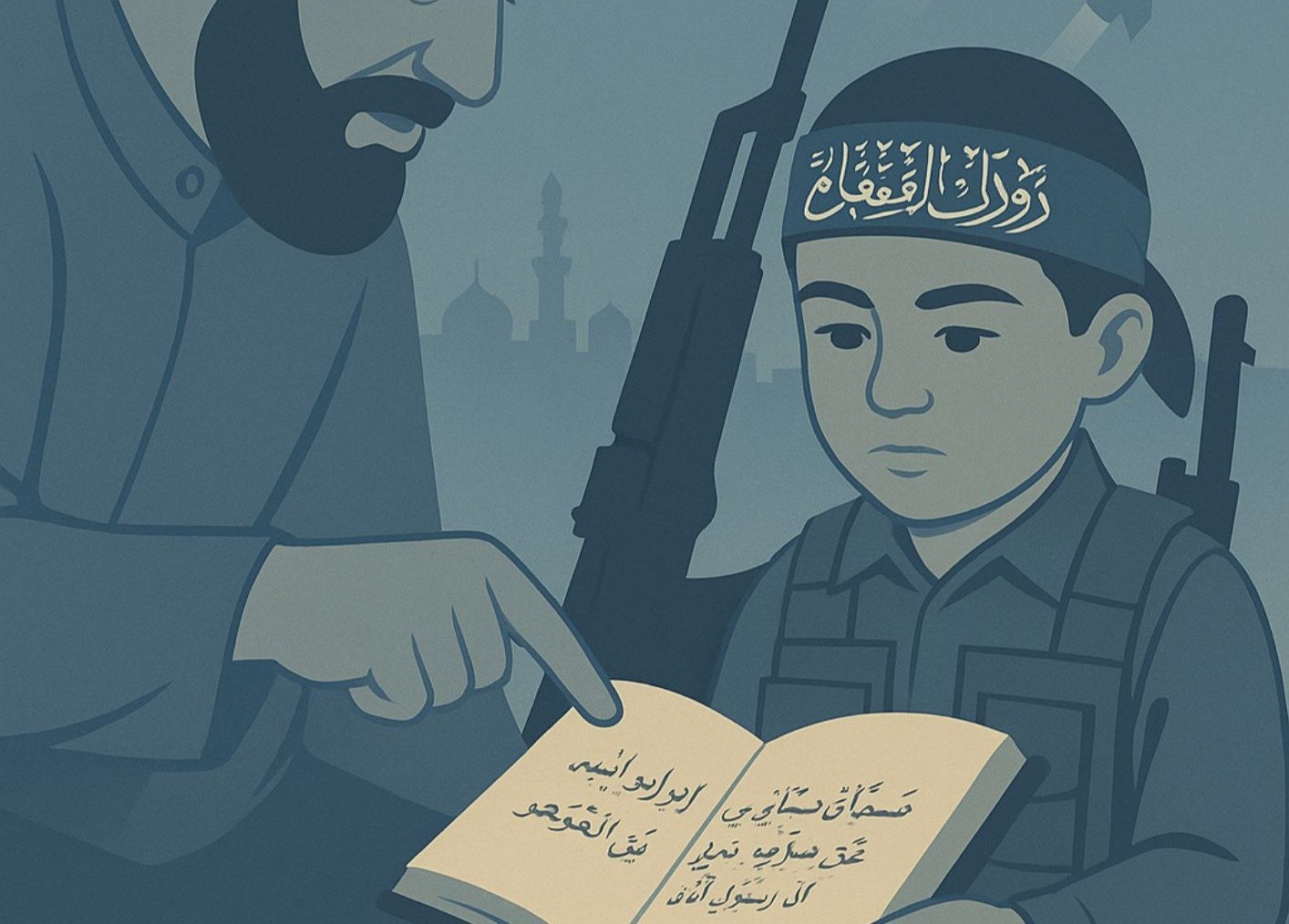
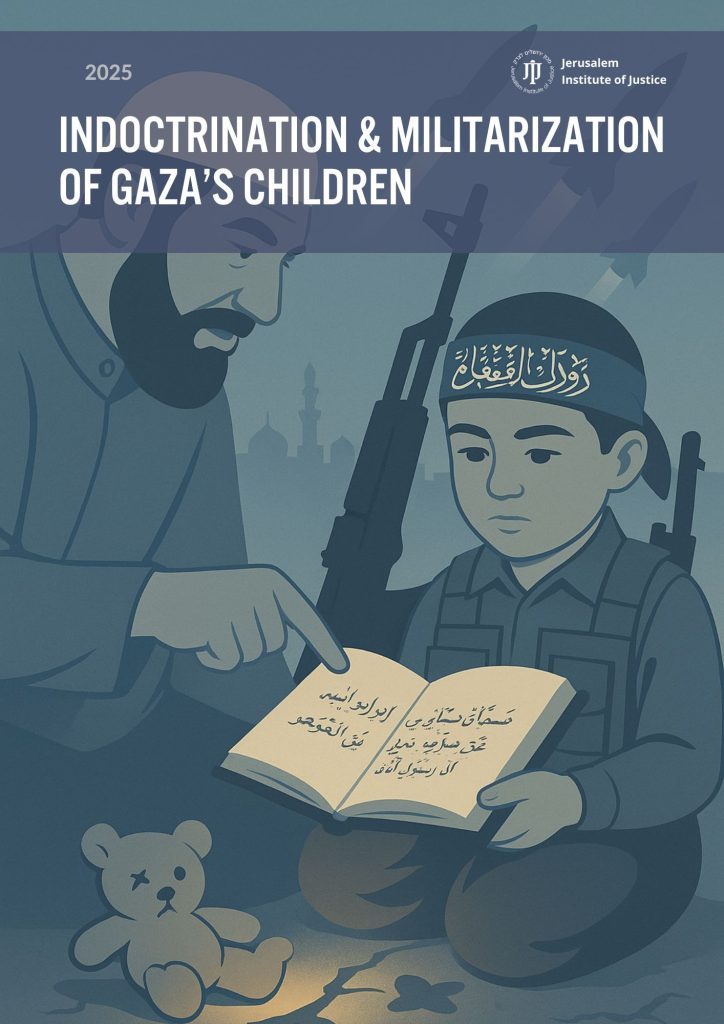
Indoctrination & Militarization of Gaza’s Children
This report examines the systematic indoctrination and militarization of Palestinian children in the Gaza Strip, primarily orchestrated by Hamas. Through educational institutions, media, summer camps, and direct involvement in military operations, Hamas has created an environment where children are psychologically conditioned, trained, and, in many cases, recruited for armed conflict. These practices constitute grave violations of international humanitarian law (IHL), international criminal law (ICL), and international human rights law (IHRL)
Read the full report here.
The Oppression Within
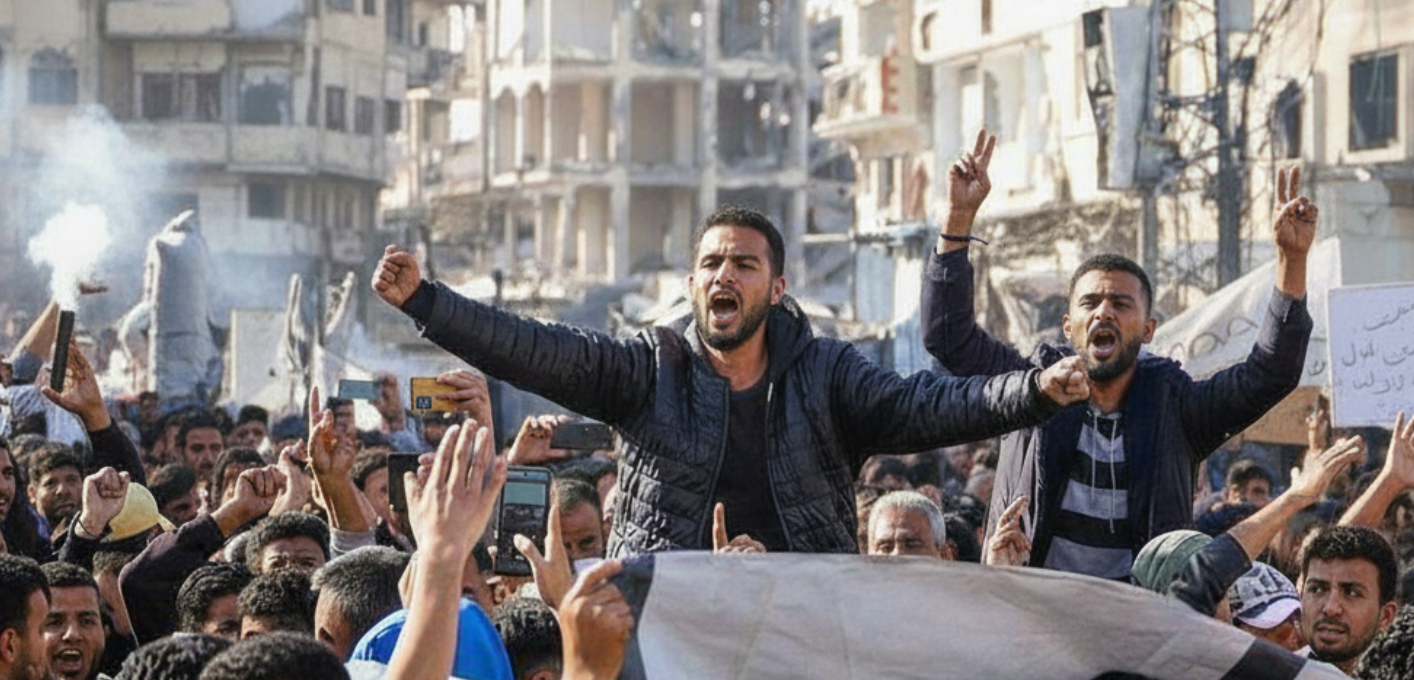
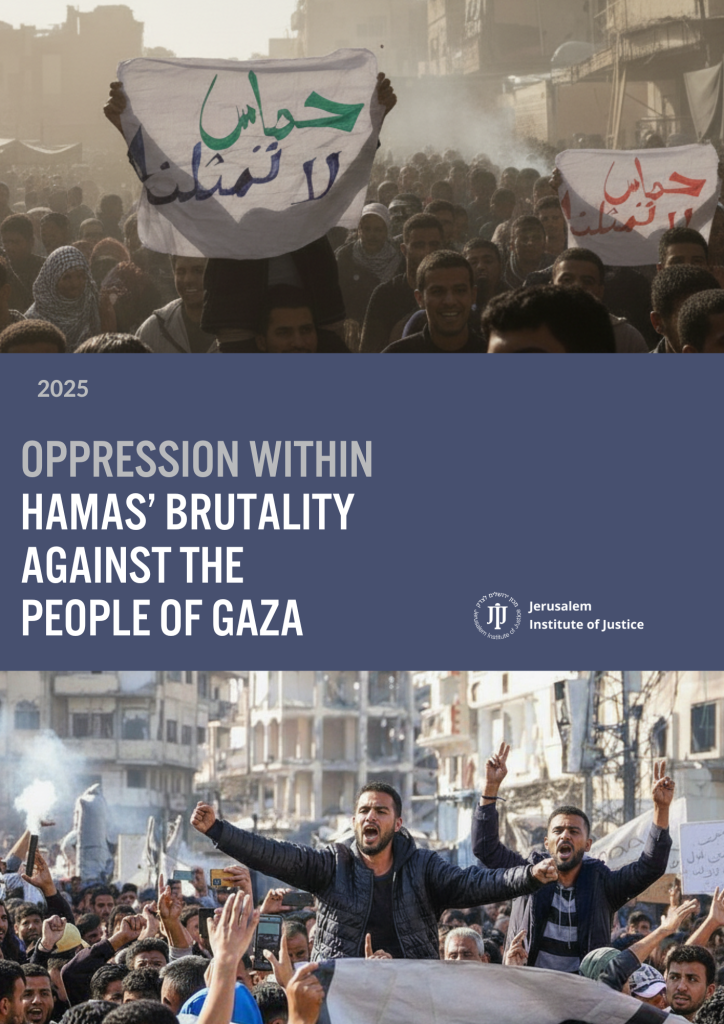
Hamas’ Brutality Against the People of Gaza
A systematic campaign of internal repression defines Hamas's rule in Gaza. Since its 2007 takeover, the group has used extrajudicial killings, torture, and arrests to consolidate power and silence dissent. This report documents how this brutality has intensified since October 7, 2023, with the new "Arrow Unit" carrying out summary executions and violent crackdowns on civilians and protesters.
Read the full report here.
2025 Report - ECHOES OF DENIAL - OCT. 7TH ATROCITIES & RISING ANTISEMITISM
“Denial of atrocity crimes is a warning sign of societal fragility and the enduring presence of
the conditions that allowed this large-scale hatred and violence to erupt in the past.”
Alice Wairimu Nderitu, Under-Secretary General and Special
Adviser on Prevention of Genocide to the United Nations
Secretary General
The October 7, 2023, atrocities committed by Hamas against Israeli civilians were among the most documented terror attacks in history. Despite overwhelming evidence, including livestreamed videos and numerous survivor testimonies, a disturbing pattern of distortion and denial of these events has emerged. This report examines the denial of the October 7 atrocities, links such denial to rising antisemitism, and reviews the current legal frameworks addressing atrocity denial. It also discusses the necessity and promotes the adoption of new legislation against such denial and provides recommendations for international cooperation to combat this dangerous phenomenon.
Input to UN Special Rapporteur on Violence Against Women and Girls
Letter to the UN Special Rapporteur on Violence Against Women and Girls
The Jerusalem Institute of Justice (JIJ) expresses its appreciation for Ms. Reem Alsalem's October 2024 Position Paper on exit programs for women in prostitution and submits input for her forthcoming UN report on sex-based violence. Israel's adoption of the Abolitionist/Nordic Model in 2018 marked a regional milestone in combatting prostitution, criminalizing the purchase of sex while supporting rehabilitative programs for victims. Despite increased public awareness and legal frameworks, enforcement remains weak, with online exploitation rising. JIJ urges stronger penalties, educational programs, and regulatory measures to combat the industry’s digital shift. It also calls for UN-led data analysis and a global exchange of best practices.
January 30th, 2025
Dear Ms. Reem Alsalem,
We deeply appreciate your October 2024 Position Paper on lessons learned from the
implementation of exit programs for women in prostitution. In support of your forthcoming report
to the UN Human Rights Council on new frontiers and emerging issues of the forms of sex-based
violence against women and girls, the Jerusalem Institute of Justice submits this input concerning
the rights of prostituted women and girls in Israel.
On December 31, 2018, the Israeli Knesset officially adopted the Prohibition on Consuming
Prostitution Act. This law is based on the Abolitionist/Equality/Nordic Model which has been
implemented by Sweden, Norway, Iceland, Canada, Ireland, France, the Republic of Korea,
Northern Ireland, and the State of Maine in the United States. In adopting this law, Israel became
the first state in the Middle East region to adopt the Abolitionist model for combatting the
exploitation of women and girls in the prostitution industry.
As a core member of the Coalition Against Human Trafficking and Prostitution, a task force of 20
Israeli civil society organizations, the Jerusalem Institute of Justice (JIJ) led the effort to develop
and promote this legal framework within Israel. JIJ remains engaged in the law’s implementation
as a provider of pro bono legal services for trafficked women and girls. In 2024, we provided legal
aid to 9 women and girls exiting the prostitution industry, securing their rights to housing, debt
relief, and lawful immigration status.
Israel’s Approach to Punishing Consumers of Prostitution
The Israeli version of the Abolitionist Model defines consumption of prostitution as a civil offense
for which violators can be fined 2,000 NIS ($500 USD) for a first offense and 4,000 NIS ($1,000
USD) for subsequent violations. Serial offenders can be fined as much as 70,000 NIS ($20,000
USD) and face possible incarceration. Crucially, the law assumes that any woman found inside a
brothel is a victim of exploitation, and a man found in a brothel is an unlawful consumer, regardless
of his claims to the contrary.
The law offers violators the option, instead of paying a fine, of attending a series of educational
sessions given by the Adult Probation Service, whose objective is to change the offender’s
perspectives on the consumption of prostitution. The law also provides funding for the
rehabilitation of victims, and obligates the Ministries of Social Services and Homeland Security
to report annually to the Knesset Constitution Committee regarding the law’s implementation and
its effect on the rehabilitation of and assistance given to prostituted people.
The Challenges of Implementation
In 2016, Israel’s Welfare Ministry estimated there were 11,420-12,730 prostituted people driving
the country’s 1.2 billion NIS ($318 million USD) industry. According to that report, 71% of
prostituted women said they entered the sex trade out of financial desperation, and 76% said they
would leave the industry if they could.
The Israeli version of the Nordic Model is a five-year temporary order, which entered full
enforcement status at the height of the COVID pandemic. The pandemic severely limited
government and civil society efforts to inform and re-train police and criminal justice professionals
on the new legal framework.
A 2024 study found that the new law’s mass media and public education programs had succeeded
in transforming the Israeli public’s perceptions of the prostitution industry. While a 2016 survey
found that only 39% of Israelis viewed prostituted women as victims of abuse and exploitation, by
2024, 72% of Israelis agreed with this principle, and supported efforts to punish sex buyers.1
Unfortunately, due to a lack of criminal enforcement of this new law, consumption of prostitution
in Israel increased from 7% to 9% during the study period of 2021-2024.2 As reported by Israel’s
Ministry of Justice, only 5,104 fines have been issued to consumers of prostitution since the new
law went into effect.3
In 2025, JIJ and our Coalition partners are fighting to make this law permanent. As occurred in
2018 before the law’s initial passage, we are facing pressure and harassment from pro-prostitution
lobby groups, which seek to reframe prostitution as an act of “empowerment” and mischaracterize
the work and membership of the Coalition.
We are also challenged by the prostitution industry’s movement away from street corners and onto
the internet, including social media platforms like OnlyFans, and encrypted messaging platforms
like Telegram, which pimps in Israel use to lure women and girls from Russia, Belarus, and
Ukraine.
Recommendations
During the 69th session of the Commission on the Status of Women, and the 59th session of the
Human Rights Council, we urge you to:
- Call for civil and criminal penalties for all who profit from the sexual exploitation of
women and girls, whether in person or online;
- Call for UN Women to initiate a comprehensive survey and data analysis on the
implementation of the abolitionist/equality/Nordic model and its effect on victims and
perpetrators;
- Promote the use of precise, survivor-centered terminology, including “prostituted
women and children” rather than “sex workers,” in UN reports, educational materials, and
policy discussions, as recommended in your 2024 Position Paper;
- Call for member states to adopt the following educational programs to change social
perceptions of the prostitution industry:
- Mandatory educational programs for law enforcement, social service providers,
and judicial authorities on the realities of prostitution, including its ties to human
trafficking and organized crime. These programs should align with international
human rights principles and survivor-led advocacy;
- Public education initiatives that challenge the myths surrounding prostitution
and highlight the realities of coercion, exploitation, and harm. This should include
school-based curricula addressing the vulnerability of young women and girls to
commercial sexual exploitation;
- Regulatory measures requiring digital platforms (including social media and
encrypted messaging services) to warn users about the criminal implications of
advertising and purchasing sex, and to implement stricter policies against content
promoting the exploitation of women and girls;
- Convene a side event on Countering the Sexual Exploitation of Women and Girls through
Prostitution, gathering representatives of the 8 UN Member States that have adopted the
Abolitionist/Equality/Nordic Model (Sweden, Norway, Iceland, Canada, Ireland, France,
the Republic of Korea, and Israel) for the purpose of sharing best practices and challenges
to implementation.
In support of these recommendations, the Jerusalem Institute of Justice will be happy to participate
and facilitate inputs from Israeli survivors, advocates, and service providers.
With appreciation,
Flavia Sevald, CEO
1 https://brookdale-web.s3.amazonaws.com/uploads/files/RR-009.0-24_Heb_Report.pdf
2 https://www.jpost.com/israel-news/article-809634
3 https://www.unwomen.org/sites/default/files/2024-10/a-79-322-submission-israel-en.pdf
Observations ‘Situation in Palestine’
JIJ submited to the International Criminal Court these written observations on the unresolved matters of jurisdiction with respect to the ‘Situation in Palestine’.
In accordance with the Pre-Trial Chamber’s order of July 22, 2024, granting the Jerusalem
Institute of Justice (JIJ) leave to submit observations pursuant to Rule 103 of the ICC Rules
of Procedure
The Jerusalem Institute of Justice submitted its reservations to the International Criminal Court (ICC) , stating that the tribunal may not exercise its authority over Israeli citizens, in light of the Oslo Accords, which were signed between the State of Israel and the Palestine Liberation Organization (PLO) and regulated the jurisdiction in these territories.
This submission follows a request by the ICC prosecutor to issue arrest warrants against Prime Minister Benjamin Netanyahu and Defense Minister Yoav Gallant for their alleged responsibility for war crimes and crimes against humanity. Representing survivors of the Hamas massacre on October 7, the JIJ seeks to challenge the tribunal's attempt to exert authority over Israeli citizens, contrary to the Oslo Accords. In the documents filed, the JIJ's legal experts dispute the classification of "Palestine" as a state and argue that the Gaza Strip is not under occupation.
The Jerusalem Institute of Justice shares the ICC's commitment to fight impunity for serious violations of international law. At the same time, this goal cannot be realized at the expense of circumventing existing legal frameworks. We call on the tribunal to refrain from making unilateral decisions that could damage the peace process.
JIJ unequivocally argued that the Oslo Accords, which govern relations between Israel and the Palestinians, constitute a binding and central legal document recognized internationally. According to these agreements, the Palestinian Authority has no criminal jurisdiction over Israeli citizens and cannot transfer powers it does not possess to the ICC.
The JIJ also noted that in its 2021 decision, the tribunal declared it could not determine whether Palestine was a state. The Chief Prosecutor’s current classification of the conflict, both as an international conflict and as a non-international conflict, stems from uncertainty in the law and its interpretation by the tribunal. This situation affects the types of crimes investigated and creates an imbalance in the application of the law between the different parties.
For an entity to be considered a state and for the conflict to be classified as an international conflict, it must meet four conditions: a permanent population, a defined territory, an effective government, and the ability to engage in international relations. The JIJ argues that Palestine does not meet these conditions, and its unilateral declaration of statehood contravenes the Oslo Accords and is therefore illegal under international law.
The second option for recognizing the conflict as an international confrontation is to acknowledge the occupation. In this respect, JIJ argues that Israel withdrew from the Gaza Strip in 2005 and does not control it, a necessary element for being considered an occupier. Thus, Israel's current military actions in Gaza are characterized as a response to active hostilities of Hamas, not an occupation.
JIJ emphasizes the need to respect existing agreements and the rules of international law and warns against any modifications, deviations, or reinterpretations of these agreements by the tribunal. The Institute further notes that, to ensure a clear and fair legal framework in Israeli-Palestinian relations and to prevent unilateral decisions that could jeopardize the peace process, the tribunal must uphold what the parties agreed to in the Oslo Accords and the boundaries defined therein.
ECHOES OF DENIAL - OCT. 7TH ATROCITIES & RISING ANTISEMITISM- Report
“Denial of atrocity crimes is a warning sign of societal fragility and the enduring presence of
the conditions that allowed this large-scale hatred and violence to erupt in the past.”
Alice Wairimu Nderitu, Under-Secretary General and Special
Adviser on Prevention of Genocide to the United Nations
Secretary General
The October 7, 2023, atrocities committed by Hamas against Israeli civilians were among the most documented terror attacks in history. Despite overwhelming evidence, including livestreamed videos and numerous survivor testimonies, a disturbing pattern of distortion and denial of these events has emerged. This report examines the denial of the October 7 atrocities, links such denial to rising antisemitism, and reviews the current legal frameworks addressing atrocity denial. It also discusses the necessity and promotes the adoption of new legislation against such denial and provides recommendations for international cooperation to combat this dangerous phenomenon.
From Intent to Action: Legal Perspectives on Hamas’ Genocide
CONTENT WARNING: THIS REPORT CONTAINS EXPLICIT GRAPHIC CONTENT, INCLUDING IMAGES AND DESCRIPTIONS OF KILLINGS, SEXUAL VIOLENCE, AND OTHER FORMS OF EXTREME VIOLENCE, WHICH MAY BE DISTURBING OR TRIGGERING TO SOME READERS
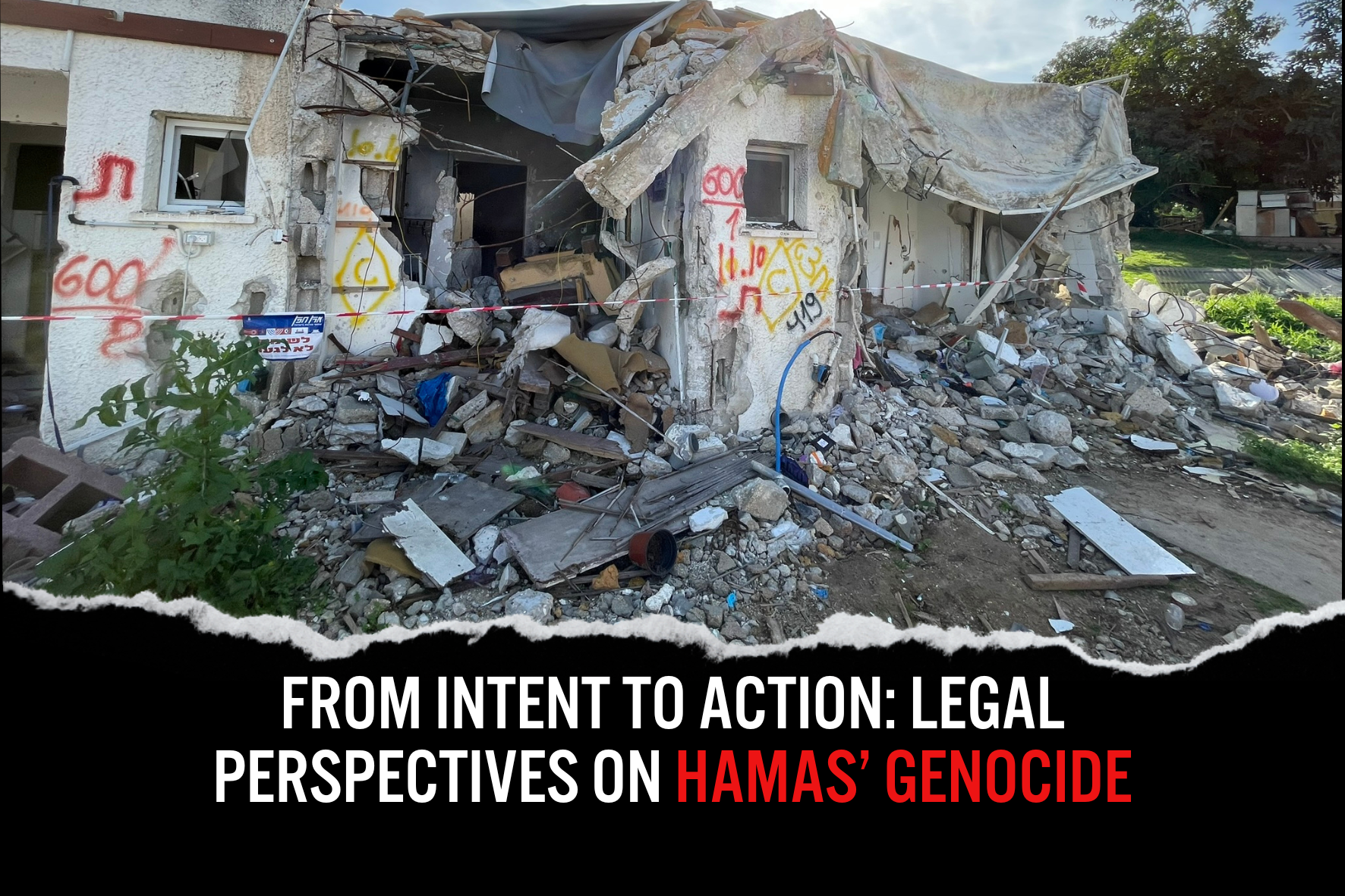
This report provides a comprehensive analysis of the October 7, 2023, attacks perpetrated by Hamas and other terrorist organizations, arguing that these acts fulfill the criteria to be considered genocide under international law. The document outlines the historical context of the Genocide Convention of 1948, emphasizing the legal definition of genocide and its codification in international law, particularly under the Rome Statute of the International Criminal Court (ICC).
In this report meticulously details the background, entities involved, and the horrifying acts of October 7, focusing on the systematic attacks by Hamas and other Palestinian armed groups against Israeli nationals, resulting in over 1,200 deaths and numerous acts of violence, including rape, mutilation, and kidnapping. It argues that these acts satisfy the physical element (actus reus) of genocide, including killing members of a group, causing serious harm, and imposing measures intended to prevent births within the group.
Furthermore, it elaborates on the mental component (dolus specialis) required for genocide, highlighting how speeches and actions by Hamas’ most influential leaders before and after the attacks evidence genocidal intent. The report discusses individual and state responsibility for genocide, noting the role of the ICC, the International Court of Justice (ICJ), and the application of universal jurisdiction in prosecuting such crimes. It also addresses the Palestinian Authority's complicity through financial incentives for terrorists (the "Pay for Slay" policy) and public endorsements of the attacks.
The report concludes by underscoring the necessity of recognizing and naming the crime committed on October 7 as genocide in accordance with legal standards and the evidence presented. It calls for accountability through international legal mechanisms to address and prevent such atrocities in the future.