

The UNknown Truth
https://www.youtube.com/watch?v=-o5Aweqc4Ns
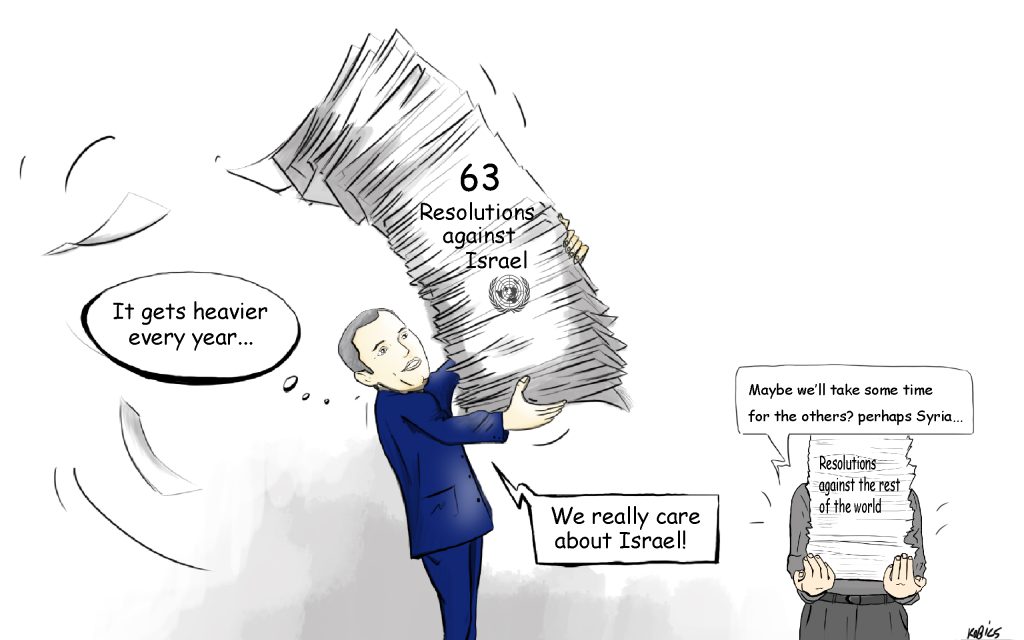
The UNknown Truth. UN General Assembly resolutions against Israel vs. the rest of the world. Is it balanced?


Israel in the Past 70 Years
View Israel's past agreements, war involvements, disputes and activities- as well as it's place within the United Nations. In 2018, we will view the outcome of Trump's declaration of Jerusalem being Israel's capital city.
Download

EU's Schizoprenic Position On Hamas
An Evaluation of European Policy towards Hamas
In 2017, the European Court of Justice ruled on an appeal by the European Council and set forth that Hamas will remain on the list of terror organizations. This appears to indicate that the European Union (EU) is convinced of the terrorist nature of Hamas, de-legitimizes the organization and tries to prevent its funding. However, the EU's position concerning Hamas is not so clear-cut. Firstly, the EU faces challenges implementing the prevention of funding to Hamas due to its own provision of humanitarian aid to the Gaza Strip, which often implicitly benefits Hamas who maintain effective control over the area. More interestingly, the EU's political response is often highly critical of Israel when addressing the blockade of the Gaza Strip and the hostilities there.
This criticism is an attempt to transfer responsibility from Hamas to Israel. It is important to understand that these political responses by the EU implicitly consolidate Hamas' rule and in a sense, they become a source of legitimacy for the organization. Moreover, the EU's response should be understood in a broader framework, in which it legitimizes Hamas as an organization fighting a legitimate struggle for the Palestinian people, without condemning its methods and practices of terrorism. The EU should acknowledge the responsibility Hamas has in creating the humanitarian crisis in the Gaza Strip. The rule of a terrorist organization over the Gaza Strip is problematic, both for the local population and for Israel. Therefore, the EU should problematize the rule of Hamas, and implement measures that will either put pressure on Hamas to abandon its terrorist identity, or that will lead to the complete removal of Hamas from control over the Gaza Strip.
Read full report
Downloads
Boycotting the Boycotters
By Nikki Golomb.
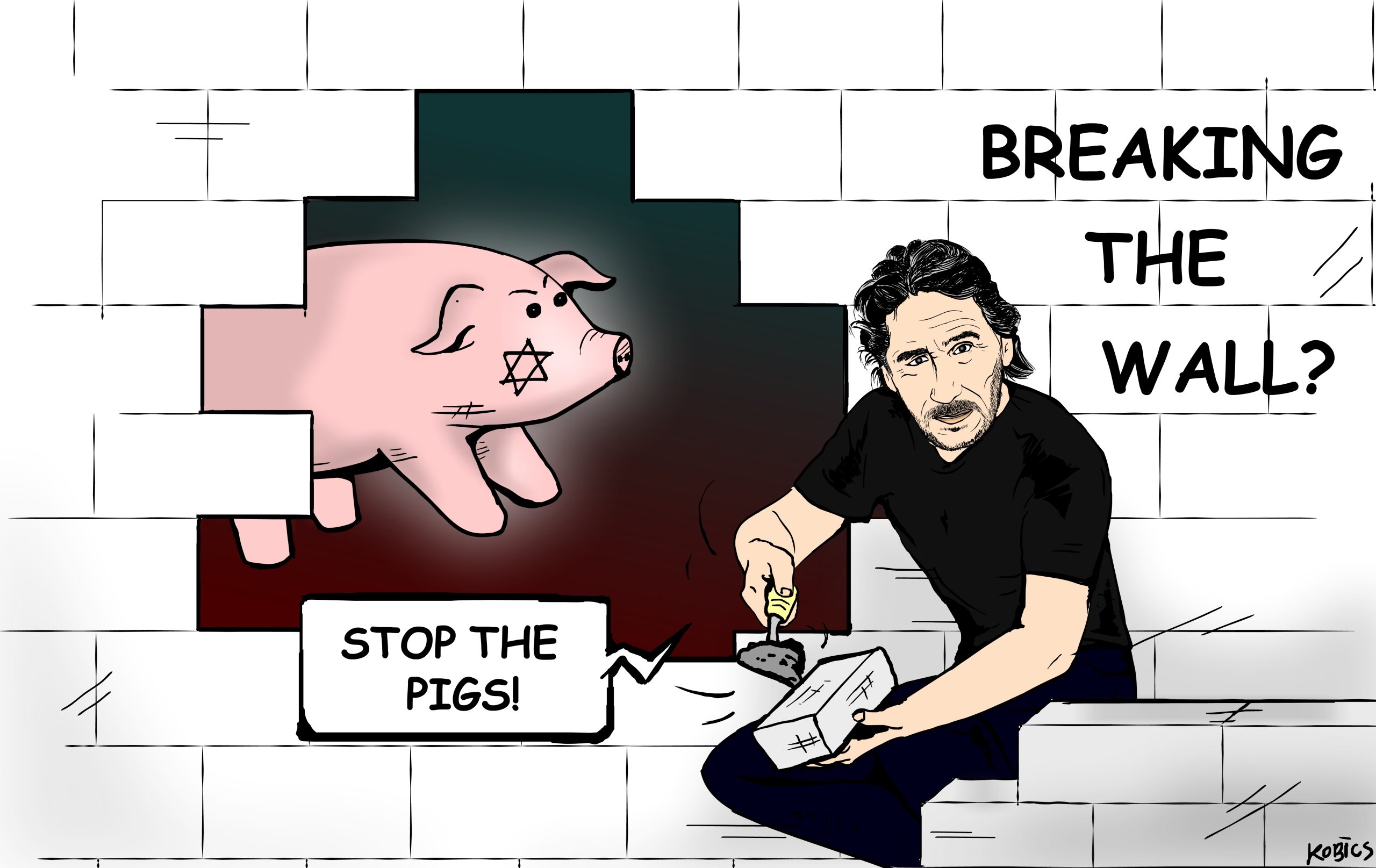
Former Pink Floyd musician Roger Waters is facing severe backlash from the German Jewish community for his open support for the BDS (boycott, divest, and sanction) movement and for anti-Semitic accusations.
Sound familiar? It should. The same events transpired in 2013, when the Dusseldorf Jewish community advocated a boycott of Waters’ concert following anti-Semitic incidents in his Brussels concert. Those included such things as floating a giant pig balloon with a Jewish star on it, accusing Israel of apartheid, and urging other artists to join him in his boycott until Israel complies with the double standards held against it by much of the international order.
Recently, Roger Waters released a recital of Mohammed Darwish's poem, "The Penultimate Speech of the 'Red Indian' to the White Man," recited to the background of an oud playing traditional Palestinian music. The poem, and the timing of its release - soon after Trump's declaration of Jerusalem as the capital of Israel - was a deliberate attempt to equate Israel and the United States with white colonialists, and the Palestinians with the helpless Indians who are defenseless against the "erection of the 'white man's' world on their remains." The poem finishes with the question: "Where, oh white master, are you taking my people... and yours?" Waters’ implication, that in recognizing Jewish history Trump was the white master forcing Palestinians out of Jerusalem, is a distortion. Firstly, it is implying American sovereignty over Jerusalem, which is not the case. Secondly, Trump’s statement did nothing to diminish the rights of Palestinians in Jerusalem. Furthermore, equating the plight of Palestinians to that of the First Nations people in the Americas is a problematic analogy, particularly in light of the hundreds of years of difference between the cases.
The Anti-Defamation League (ADL), which previously supported Waters’ seemingly innocent criticism of Israel, reexamined his words and actions in 2013. In an open letter to Waters they expressed the conclusion that his views “are in fact colored by offensive and dangerous undercurrents of anti-Jewish sentiment.” The letter ended with the hope that he would use his fame and talent instead to promote peace in a constructive and positive way.
In the four years that have passed, however, not much seems to have changed. Still a vocal supporter of BDS and still accused of public anti-Semitism, Waters is once again facing a boycott of his concert from Germany’s Jewish community. In addition to the boycott, Cologne citizen Malca Goldstein-Wolf wrote a petition – signed by over 1,300 people – requesting public broadcasting services to cancel their plans to air his concerts. As a result of the petition and accusations of anti-Semitism against him, “five state television and radio affiliates of the national ARD network” have complied with the requests of the petition and will not be airing his concert.
In an attempt to distance themselves from the horror of the Holocaust and the anti-Semitism preceding it, the German government implemented strict laws outlawing the spread of anti-Semitic ideologies. Various forms are illegal in Germany, including Holocaust denial, approval of Nazism, the use of Nazi symbols, and the sale of Hitler’s autobiography Mein Kampf. Anti-Semitism, however, remains relatively high in the region. Twenty-seven percent of adults in Germany harbor anti-Semitic views, according to a variety of indicators related to the perception of Jewish national loyalty, control of the economy and media, etc. This dichotomy highlights the ideological distance between the government and the people with regard to their perception of Jews. The success of this boycott, however, marks an important change in which German society and government are working together to fight against anti-Semitism in the country.
But what is the integrity of responding to a boycott with a boycott? While it is important to stop hate speech before it happens, is it not a bit problematic to use their own tactics against them? Marek Lieberberg is both Waters’ tour director and the son of Holocaust survivors. While he rejects BDS, he also does not want to deny Waters his freedom of opinion. On the other hand, boycotting a BDS supporter sends a direct message to the movement regarding the meaning behind its actions. Organizing a boycott of Waters’ show in Germany serves the dual purpose of rejecting anti-Semitism and anti-Zionism, while also encouraging BDS supporters to think about what exactly they are boycotting.
In an incident that reflects the flip side of the same coin, Australian rock star Nick Cave made the decision to perform in Israel because of BDS. After being presented with a petition calling for artists to boycott Israel and refusing to sign it, Cave stated, “I like Israel and Israelis, and it’s important for me to do something of substance about it.” He booked a tour in Israel in direct response to the BDS movement gaining traction among artists, thus bringing light to the effects the movement has on many facets of society.
There is a very fine line between legitimate criticism of Israeli policies and anti-Semitism. However, Waters’ support for BDS, while using anti-Semitic imagery in his concerts and publicly accusing Israel of apartheid, leaves no doubt that his actions are truly anti-Semitic. Staging a boycott of his tour in Germany sends the message to BDS supporters that anti-Semitism has no place in public art. Hopefully, awareness of the cause and the boycott itself will encourage others to question the purpose of the BDS movement and its effects on both Israel and the international order.
UNdermining women’s Rights
Hillary Clinton, at the time First Lady of the United States, famously proclaimed at the 1995 United Nations Fourth World Conference on Women that “women’s rights are human rights.” Despite this declaration 23 years ago, the United Nations has a long way to go towards ensuring women’s rights are upheld across the world. Unfortunately, the current structure of the United Nations often obstructs women’s rights by favoring self-interested, geopolitical partisanship.
The United Nations Commission on the Status of Women is the body responsible for investigating and promoting gender equality. This organization focuses on issues of peace, violence against women, female political participation, and economic opportunity for women, among other areas. Member states can introduce and vote on resolutions, and are elected from different continents to ensure representation among distinct geographical regions.
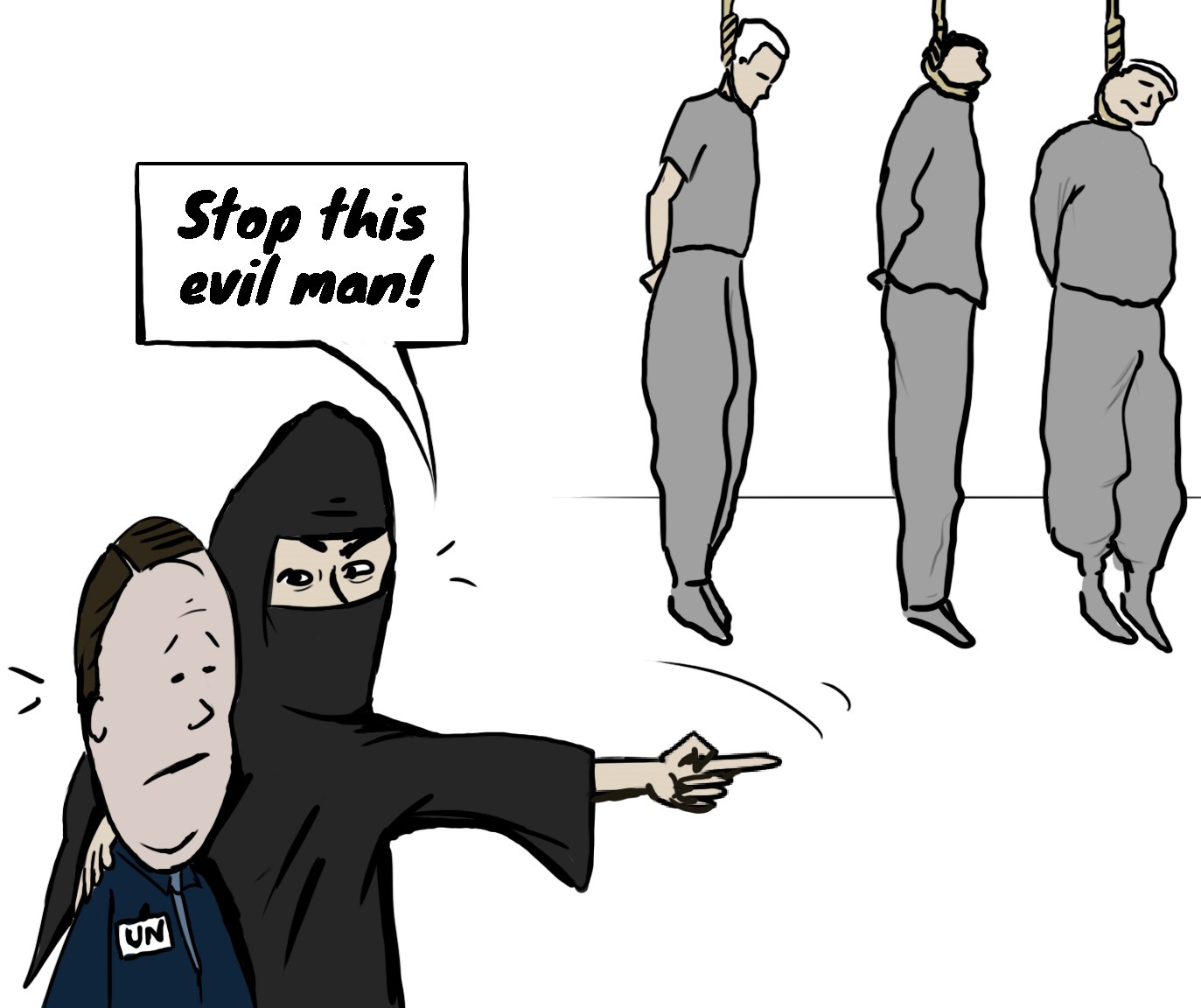
In 2017, the United Nations Economic and Social Council, which oversees the Commission, elected Saudi Arabia to serve as a full member. Saudi Arabia’s place in the Commission on the Status of Women is notable because of its reputation as a country that regularly disregards women’s rights. The World Economic Forum’s 2017 Global Gender Gap Report ranked Saudi Arabia 138 out of 144 countries in terms of gender parity, highlighting the difference in opportunities afforded to men and women in the country. Saudi Arabian women are greatly underrepresented in political life, as there are no women serving on the High Court or Supreme Judicial Court. Furthermore, women’s testimonies are worth only half of a man’s in Saudi Arabian courts, posing legal challenges for women trying to defend their interests. The kingdom withheld the right to drive automobiles from its female citizens until 2018. Prior to this change in laws, it was the only country in the world with such a restriction. Given this context, Saudi Arabia’s membership in a commission meant to help women is not only ironic, but morally reprehensible.
The presence of Saudi Arabia in this committee serves a political purpose. Through its membership in the Commission on the Status of Women, Saudi Arabia affects public opinion and condemns its geopolitical enemies, thus directing international attention and criticism away from its own anti-women agenda. In 2018, Saudi Arabia supported a resolution on supporting and aiding Palestinian women, which largely criticized Israel’s occupational role in Gaza and the West Bank. While there is merit to these conclusions, the Israeli-Palestinian conflict is far from the only instance of oppression against women in the Middle East region. However, this resolution was the only one focused on that region passed by the Commission on the Status of Women in 2018. In this manner, Saudi Arabia and partnering member states distract from the many other women’s rights abuses in the Middle East that they are responsible for.
Furthermore, the presence of member states in this body with such egregious women’s rights violations calls into question its legitimacy. If Saudi Arabia does not treat its female citizens with the equal rights and protections of its male citizens, what authority does it have to recognize and condemn similar abuses committed by other nations? How can such a council be trusted to resolve the very inequities that its members promote?
No country may have a perfect track record on women’s rights, but enabling a country that so clearly disregards its women to create policy on the topic is an affront towards the promotion of global gender equality. Of course, the gender imparities that women face globally, and the inherent flaws in the United Nations, are not resolved solely through the removal of Saudi Arabia from this commission. However, Saudi Arabia’s presence in this commission clearly does not advance the cause of women’s rights. Calling the United Nations’ methodology and authority into question is a necessary democratic means to ensure that all nations not protecting their female citizens are held accountable by this organization.
The United Nations serves a noble purpose in its mission statement to “work for the protection of all human rights for all people.” Such a commitment, however, is an empty promise given the United Nations’ support for noted women’s rights abusing nations, such as Saudi Arabia. Rather than empowering women, this institution often empowers women’s rights abusers. Criticism of the United Nations, and calling for greater accountability within the organization, protects the interests of women globally.
Letter to Nikki Haley
The Honorable Nikki Haley
U.S. Permanent Representative to the United Nations
United States Mission to the United Nations
799 United Nations Plaza
New York, NY 10017
Dear Ambassador Nikki Haley,
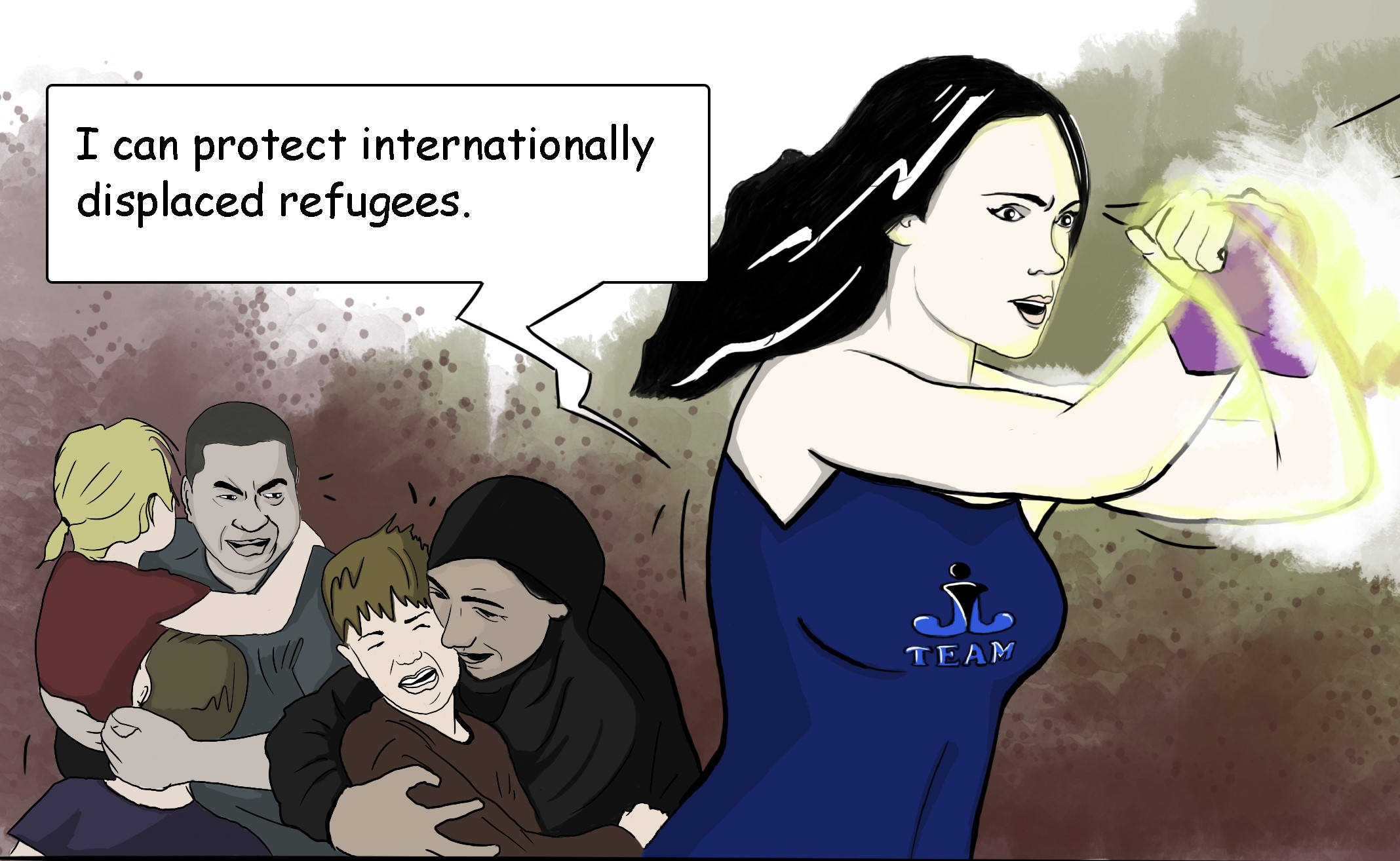
The Jerusalem Institute of Justice (JIJ) is a non-government organization located in the heart of Jerusalem, Israel. Our sole focus is the cultivation and defense of human rights, the rule of law, and true democracy for all people, both in Israel, and the Middle East as a whole. We regard ourselves as a bridge for the indomitable ambitions of the United States and Israel; for the values that both our countries have always shared.
Ambassador Haley, the entire JIJ team sincerely applauds your staunch support of Israel and human rights worldwide. The bias shown against Israel by the UN has long been at the forefront of our minds, but we are happy to see that your presence in the United Nations is developing a new narrative with a more balanced perspective on human rights. Your most recent proposal to condemn Hamas for the violence perpetuated at the Gaza border has reassured us that an unbiased voice of reason can, and will prevail at the UN General Assembly. The UN approves resolution after resolution to unjustly condemn Israel while Hamas's crimes fall on the deaf ears of the General Assembly. Your courage to stand up for justice by advocating for a narrative of symmetry, wherein Hamas’s atrocities can finally be denounced, inspired 62 countries to vote for justice. It is a triumph to see other countries beginning to stand up and recognize the truth, and your part in this cannot be overstated. Throughout the world, your denunciation of terrorism and your support for Israel is ringing true.
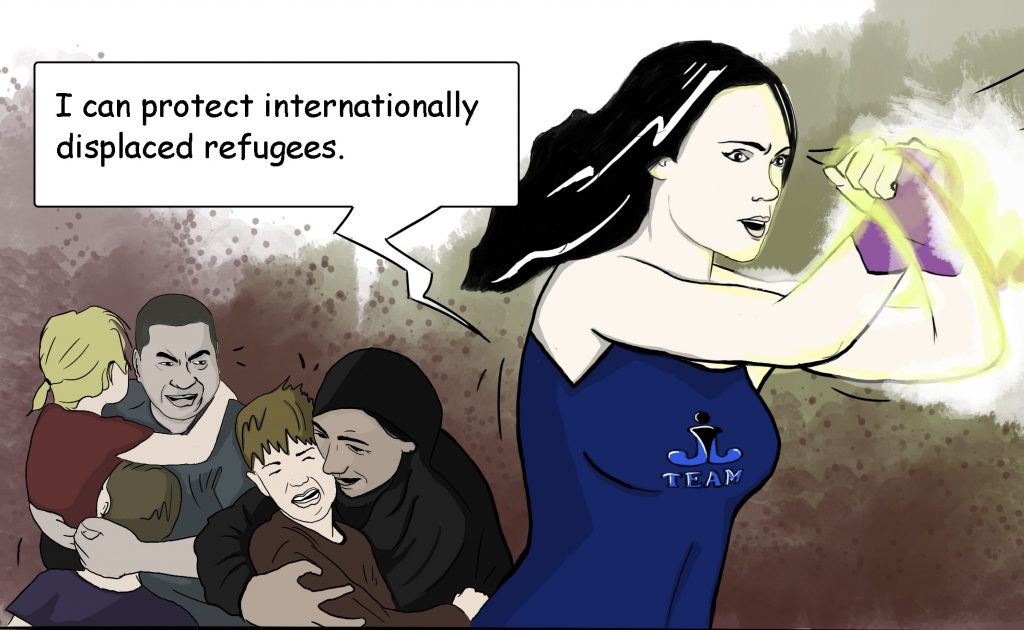
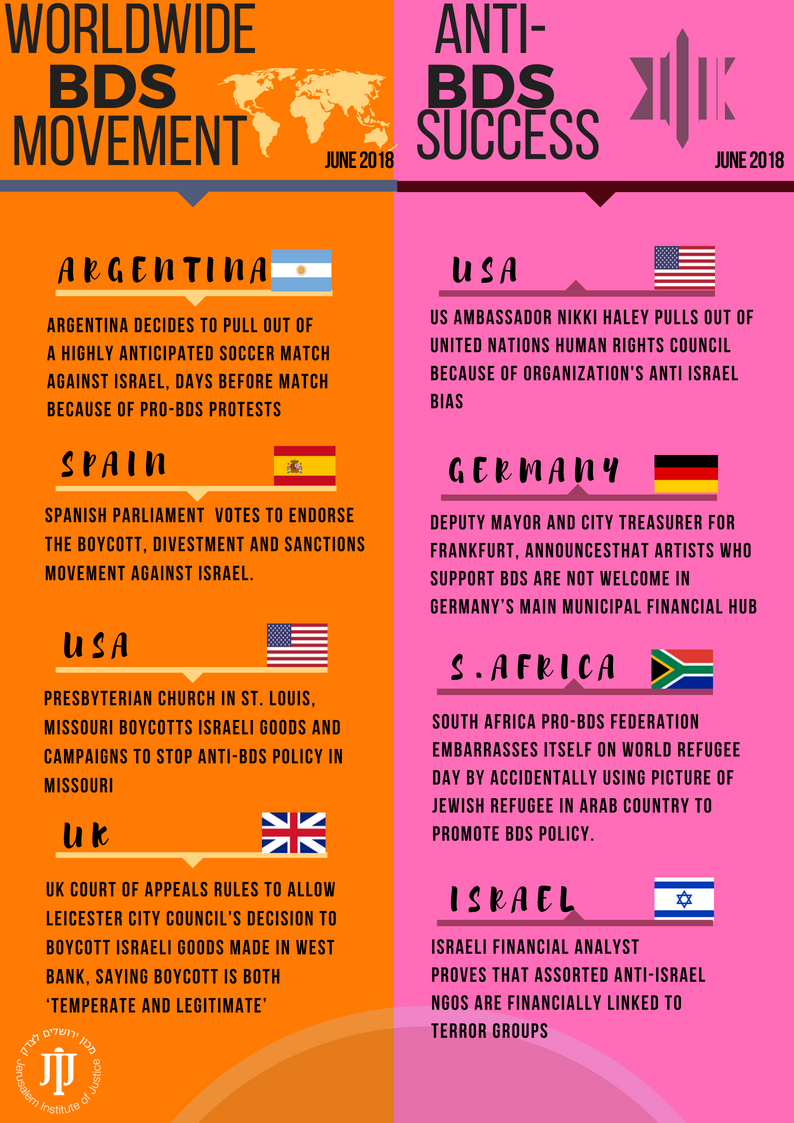
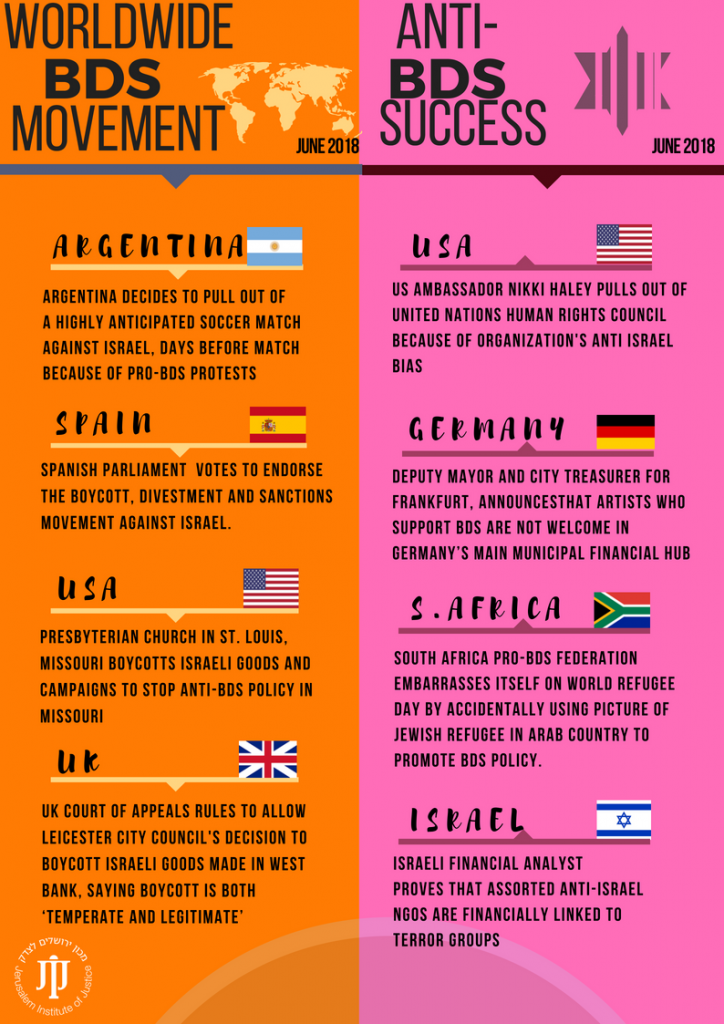
We would also like to point out, and praise, your recent courageous decision to leave the United Nations Human Rights Council. This action speaks volumes about true commitment to the global support of human rights. We stand behind you in the conviction that your departure may draw attention to the hypocrisy of Human Rights Council. We agree, wholeheartedly, with you that the council has developed a disquieting history of attacking Israel, while monumental human rights violations by countries including Saudi Arabia, Cuba, and Qatar have gone unaddressed. Your decision affirms the unbreakable bond between the United States and Israel. Hopefully, your actions will provoke the reorganization of the crucial Human Rights Council into a more effective and unbiased assembly.
The JIJ stands ready to aid you, Ambassador Haley, in whatever capacity we are able to. Our staff is constantly hard at work researching issues of human rights in the Middle East. We are currently focused on a UN project aiming to expose anti-Israel bias by deconstructing each resolution made against Israel, and responding with instances of the same injustice in other parts of the world that the UN conveniently ignores. Our research demonstrates the tremendous bias existing in past General Assembly resolutions against Israel. Last year alone, 21 resolutions were passed against Israel, while only 6 were passed towards the rest of the world combined. This is nothing short of a deep-seated prejudice that we cannot afford to ignore.
Once again, we here at the JIJ thank you for all that you do. If there is anything that the JIJ can do to support you and the excellent work you are accomplishing, please do not hesitate to contact us.
Sincerely,
The JIJ Team
Palestinian Women Group against Arab Women Rights
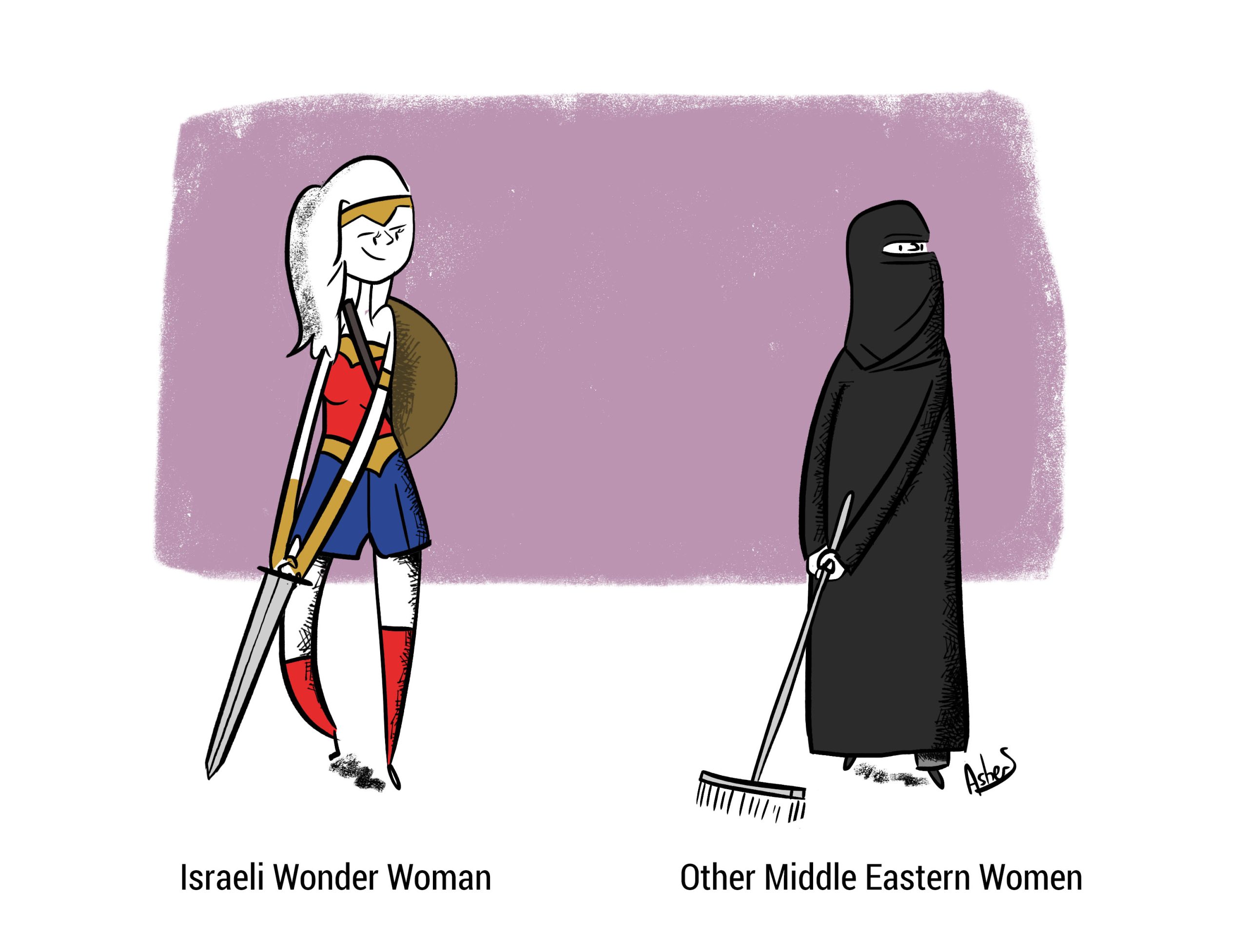
The Culture and Free Thought Association (CFTA) is a Palestinian NGO situated in Khan Younis, a city in the southern Gaza Strip. Their vision statement reads: “CFTA aspires to be a leading organizational contributor to civil society efforts to build a Palestinian society in which all citizens enjoy freedom, equality, and human rights.” They have received, along with other organizations, €481,773 from the European Union (EU) to support women's rights in the Middle East. At face value, CFTA sounds like an organization that should be supported and that deserves the money they received from the EU. But what has CFTA decided to do with all that money? They decided to support anti-Israel policies, calling for women around the world to boycott Israel because of the “awful” way Israel treats women. This position is ironic to the highest degree taking into consideration that Israel is, by far, the most feminist country in the Middle East.
Rape is one of the most egregious crimes being perpetuated against women. Being so, the punishment for rape should be proportionate to how devastating the offense is. In Israel you can expect 16 years to life in prison for the crime of rape. In Jordan, rape is only punishable by 7 years. That is less than the amount of time in prison you would receive for armed robbery in some states in the United States. Has The Culture and Free Thought Assoc. called out to boycott Jordan for their “slap on the wrist" attitude towards rape sentencing? Another crime that affects specifically women is marital abuse. 51% of the women in the Gaza Strip have been subjected to a form of violence within the household (PCBS, Violence Survey in Palestinian Society, 2011). Has CFTA made a call to boycott their own government for allowing a terrifying rate of marital abuse?
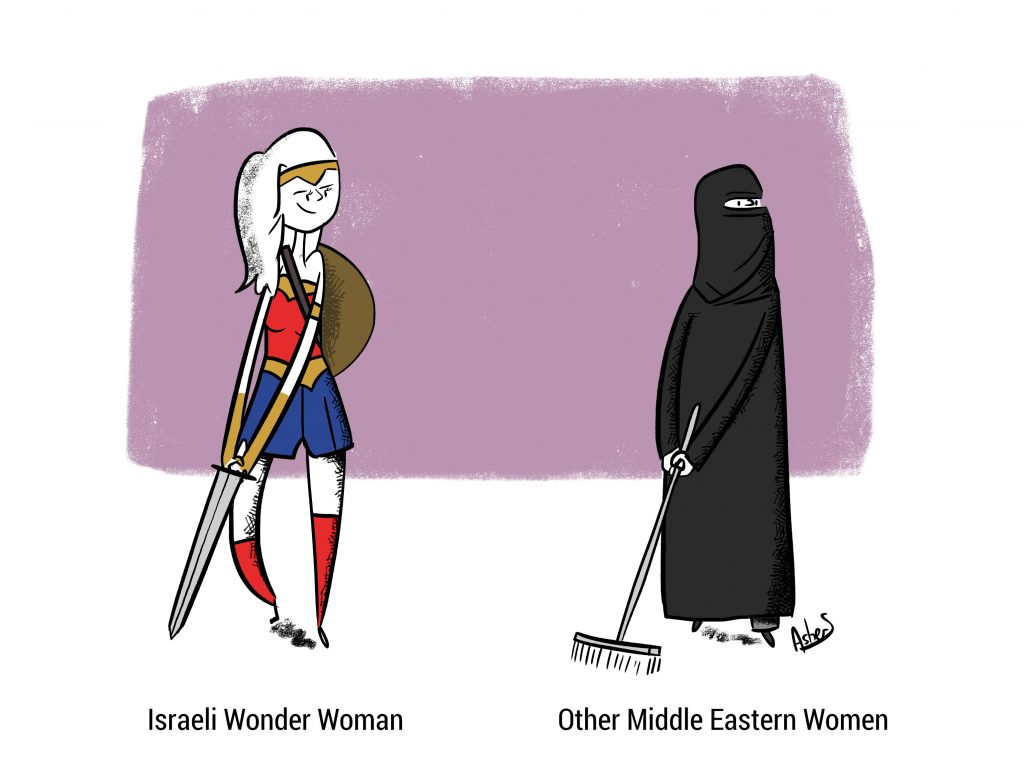
If rape and abuse are not so important for the CFTA, what about Female Genital Mutilation (FGM)? The destruction of a woman’s genitalia is a heinous crime that should be outlawed everywhere. Unfortunately, this practice is still prevalent in many places. In Egypt, FGM is a common practice that hurts, and even kills, thousands of little girls due to unclean medical procedures and the infections that followed. Fortunately, in 2007, the Egyptian Ministry of Health and Population banned all forms of FGM, but this has not stopped the practice. In 2014, UNICEF reported that 91% of women in Egypt had undergone some form of FGM. FGM has never been an accepted practice and is illegal in Israel. Why does an NGO, specifically designed to protect and stand up for women's rights, condemn Israel, when countless young girls are being butchered in neighboring Arab countries?
How is a woman’s testimony in court weighed against a man’s? In Egypt, Iraq, Iran, Syria, Jordan, Saudi Arabia, and all areas governed by the Palestinian Authority, a woman’s testimony is worth half that of a man’s. This means that if a women accuses a man of committing a crime against her, whether it be assault, robbery, rape, etc., she will need another female witness just to have the same amount of credibility as the man. What country in the Middle East does treat both genders’ testimonies equally? You’d be right to assume, yet again, Israel.
Is Israel a misogynist country? Is Israel a patriarchal society? In Israel, a child is granted citizenship automatically if the father or the mother is a citizen. Not all countries in the Middle East follow the example Israel lays out. In Jordan and Lebanon, the child’s father must be a citizen. Even if a mother is a Jordanian or a Lebanese citizen, if she marries a foreigner, the child does not receive her citizenship.
Forced child marriage is an abhorrent practice and a violation of children's rights. As of 2017, in Gaza, 15% of girls under the age of 18 are married as well as 1% of girls under the age of 15. To clarify, almost 4,000 girls under the age of 15 in Gaza are married. In Egypt, it’s 17% under the age of 18 and 2% under 15. Iran? 17% and 3%. What does 3% look like? 526,854 little girls that are sold into marriage before the age of 15. In Israel it is illegal for a person to marry someone under the age of 18.
One of the strongest indicators of gender equality is women in positions of political authority. As of 2018, 28% of the Israeli Parliament is women. That beats even the United States, where only 20% of Congress is women. And where does the Middle East stand on female empowerment? The average percentage of women in positions of political power across the Middle East is a whopping…6%.
If the Culture and Free Thought Association wanted to actually talk about gender inequality and women’s empowerment, they could target any number of the issues addressed in this article. They could call for their neighboring countries to reform. Unfortunately, they are more interested in forwarding their political agenda by ignoring women's rights violations in the Middle East and attacking the only feminist country in the area, Israel.
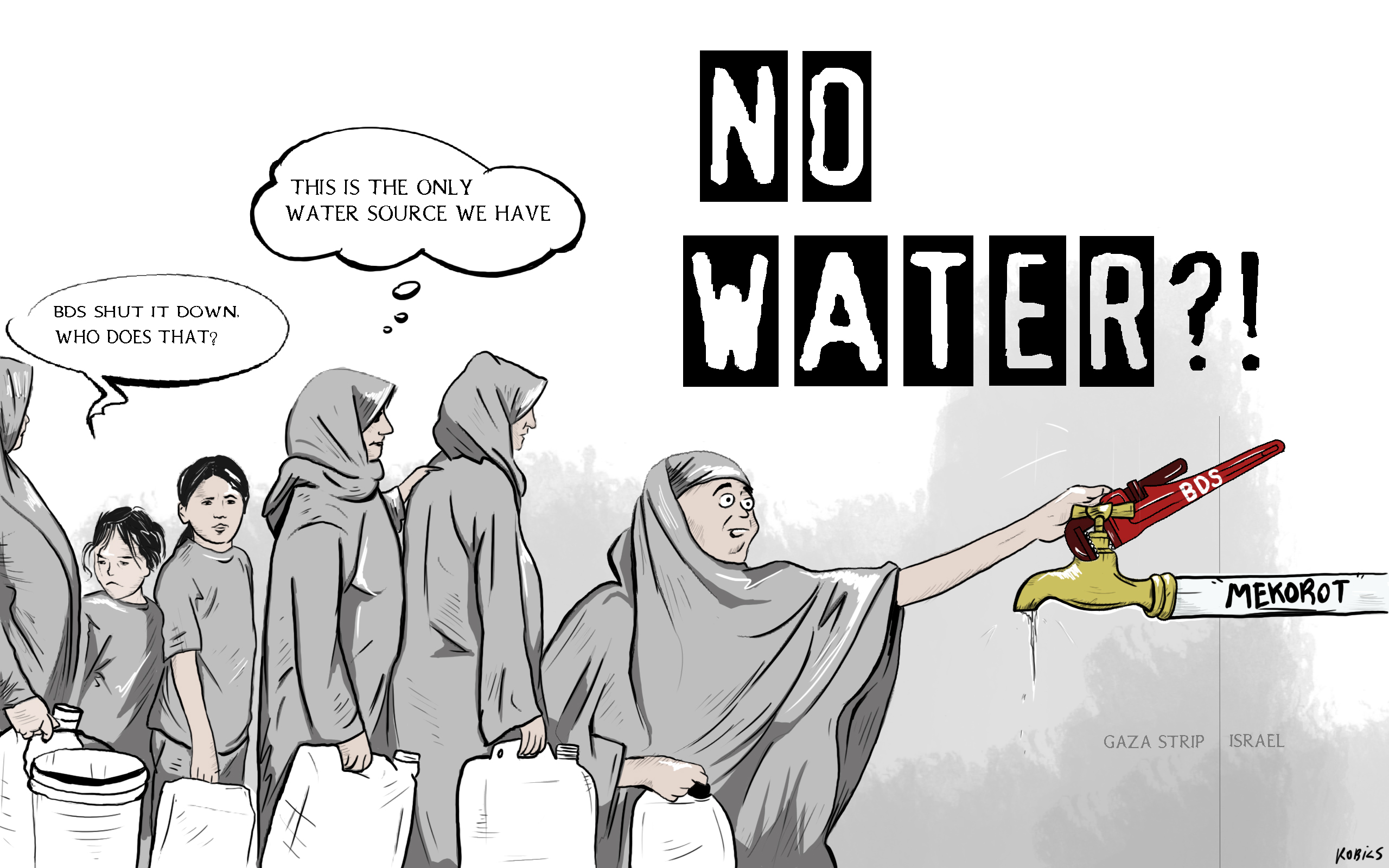
Water Crisis in Gaza: the Real Enemy
Gaza water crisis: “BREAKING NEWS: Gaza unlivable in 3 years, some experts say”, “NEWS FLASH: 97% of drinking water polluted in Gaza.”
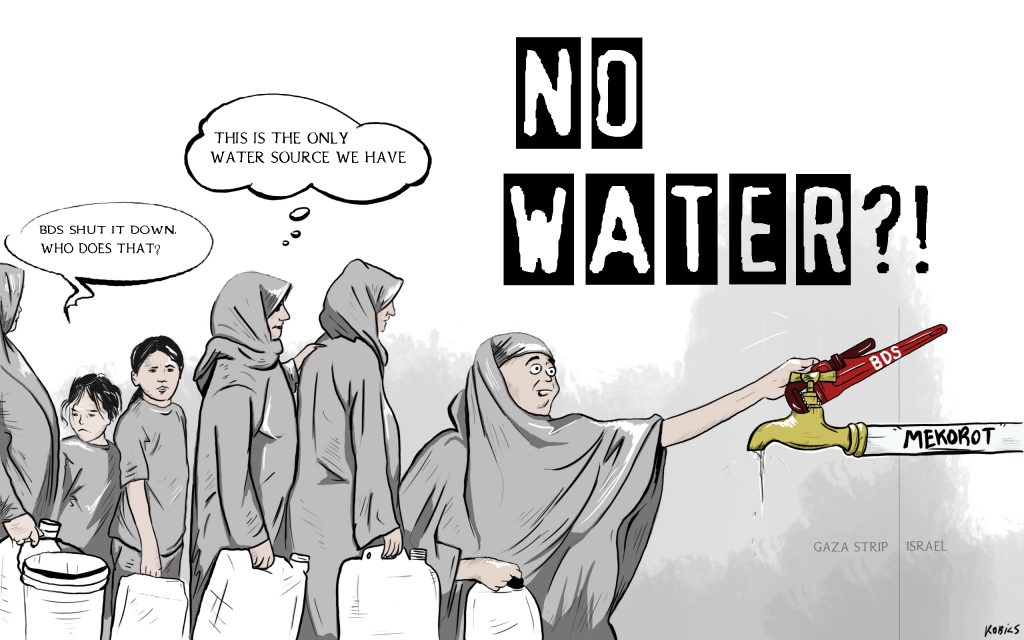
The water crisis in Gaza is center stage for the Agricultural Development Association (PARC), a Non-Governmental Organization headquartered in the Palestinian territories. PARC’s mission statement is to “develop the agricultural sector, strengthen the resilience of farmers, reach out to the poor and marginalized groups and their CBO’s and to to contribute to the establishment of a free and democratic Palestinian society with the values of social justice.” PARC received €1,497,567 from the European Union (in 2016 alone) to fulfill its goals. What did they do with this money? PARC invested that money on a campaign to boycott Mekorot, Israel's National Water Co.
Water is one of the basic necessities for life. Humans can only live without water for 3-4 days. Israel receives an average of 22 inches of rain annually. This may sound like the average amount for most temperate climates of the world, but virtually all of that rain falls during the winter months, and it mostly falls in the northern part of the country. If you are in Jerusalem, the West Bank, or Gaza during the summer months, there is no direct access to natural drinking water. What are people supposed to do if there are only unreliable natural sources of drinkable water?
When the modern Jewish State formed, millions of Jewish immigrants flooded the country. Israel needed to create some way to collect large amounts of drinking water for its growing population. Through incredible feats of technological innovation, Israel has been able to thrive in a harsh natural environment. One of the major ways Israel acquires drinking water is through desalination: treating sea water and turning it into drinking water. Desalination accounts for 42% of all drinking water provided in Israel. Another large source of drinking water comes from piping in water from the Sea of Galilee (the only freshwater lake in Israel). The Sea of Galilee is on the northern end of Israel and requires hundreds of miles of piping in order to reach Southern Israel. Israel also saves water by recycling sewage water, treating it, and reusing it for agricultural purposes. Mekorot owns and operates most of the plants that desalinate, transport, and treat these sources of water, supplying Israel with 90% of its water.
The Gaza Strip receives a great majority of its water supply from its Coastal Aquifer Basin. Overtime, the coastal aquifer has become an inadequate source of water for Gaza. While normally aquifers are self sustainable, sustainability only works if water is taken out at a rate equal to the replenishment rate. The annual quantity of water that can be pumped without compromising the aquifer’s ability to renew itself is approximately 50-60 million cubic meters. Unfortunately, between a rapidly growing population, and outdated infrastructure and agricultural techniques, about 200 million cubic meters of water are pumped every year. This excessive use creates a vacuum in the aquifer that allows sea water from the Mediterranean Sea to seep in and contaminate the aquifer, polluting the drinking water. The rest of the water consumed in Gaza is imported from Israel. Mekorot sells about 10 million cubic meters of water to Gaza every year.
With 97% of drinkable water from the aquifer being polluted, the World Health Organization reports that in five to ten years, Gaza will be unlivable. This clearly marks an urgency in correcting the water crisis that Gaza is facing. Unfortunately, whereas PARC wants to blame Israel for the water crisis in Gaza, the real perpetrator is the Palestinian government of Gaza. The European Union and the United States have collectively given millions of dollars to the Palestinian Authority to fix their water crisis. This money could have been used to repair their water treatment plants, to build desalination facilities on the coast, or to rebuild infrastructure to minimize the amount of wasted water.
International Aid is clearly not being used to help the residents of Gaza who are suffering. Where does that money go? Since Hamas (a terrorist organization) took control of the Gaza Strip, fights between the Palestinian Authority and Hamas leaders make the exchange of that money impossible. Furthermore, Hamas uses the money it does receive to fund terrorist activity: buying weapons and military equipment, and launching rockets at Israel, instead of investing in life saving infrastructure. Since the Palestinian authorities are compromised, the only reliable source of water going into Gaza is water imported from Mekorot. By campaigning to boycott Mekorot, PARC puts in danger the Palestinian people that it is vowing to protect and support.
Do your Job! Nikolay
An open letter to Nickolay Mladenov, supposed promoter of peace in the Middle East
The Honorable Nikolay Mladenov
UN Special Coordinator for the Middle East Peace Process
Dear Mr. Mladenov,
Your latest comments regarding the Israel/Gaza conflict leave me feeling confused. You are quoted saying, “If [the UN] stopped talking to Israelis and Palestinians about peace, Israel would come off as a lot worse in world media” (https://hamodia.com/2018/06/13/un-envoy-helping-gazans-comes-return-israeli-soldiers-remains/). From that comment, I can infer that you mean that the UN is helping Israel’s image improve with the rest of the world. I would very much like to hear you elaborate just how the UN is helping present a positive image of Israel on the world stage?
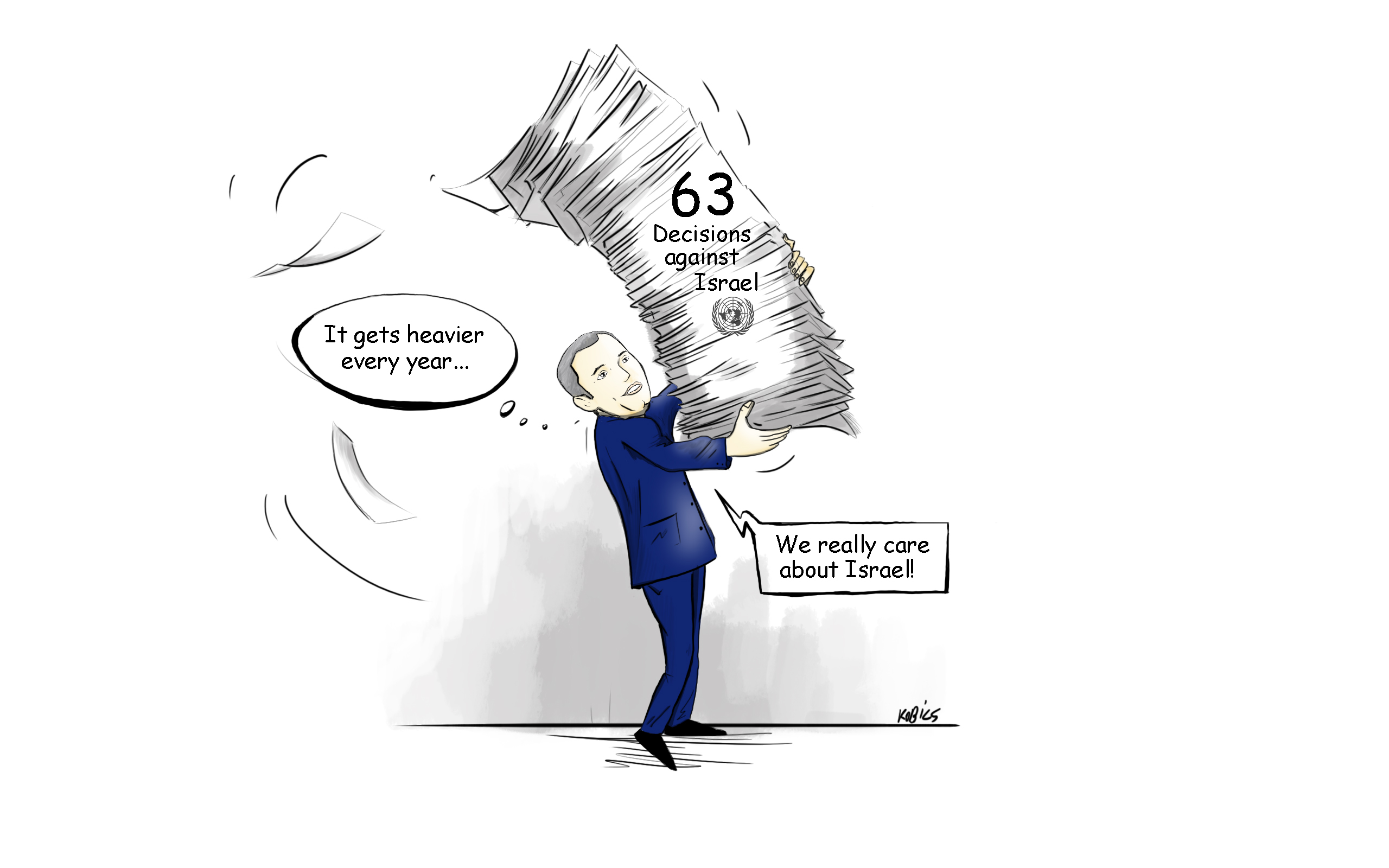
Was the UN attempting to support Israel and present a positive image when passing a resolution against Israel for its response to the Gaza border fence riots? It was admitted by a Hamas official, prior to the voting of the resolution, that 50 of the 62 rioters killed at the Gaza border riot were Hamas terrorists. Knowing this, the UN still voted 120-8 that Israel used excessive force. How can you say that Israel protecting its border from actual terrorists was unjustified? Resolutions like this, that unfairly target Israel and tell half-truths, make it appear, Mr. Nikolay Mladenov, that the UN is not preventing the worsening of Israel’s world image, but advocating for it.
Supporting Israel doesn’t have to mean saying positive things about the Jewish state. You could show support simply by being unbiased, and by disavowing countries or groups when they attempt to harm Israel. You don’t have to look hard to find an instance of Hamas doing something worth condemning. Hamas fires rockets from heavily populated areas into Israel which puts Gazan civilians at risk. Hamas places military compounds in the basements of schools and hospitals thereby endangering children and the sick. Most recently, Hamas sent terrorists to the Gaza border fence in an attempt to use a riot as a smokescreen to sneak into Israel and cause harm however possible. If the UN really cared about representing the Israel/Gaza conflict fairly, and not just trying to negatively paint Israel as the bad guy, wouldn’t the UN condemn some of these actions by Hamas?
Just recently, Nikki Haley, the United States’ ambassador to the UN proposed a resolution to condemn Hamas's violent border riots. What happened? The proposal didn’t even receive a 2/3 majority. Why couldn’t the UN condemn such an obvious wrongdoing by Hamas. Mr. Mladenov, this complete unwillingness to condemn even the most obvious violations gives the appearance that the UN does not want to “support both sides” as you say, but instead only criticize Israel.
Mr. Mladenov, your job as the UN Special Coordinator for the Middle East Peace Process is to, “lead the UN system in all political and diplomatic efforts related to the peace process in the Middle East and to coordinate the humanitarian and development work of UN agencies and programs in the occupied Palestinian territory, in support of the Palestinian Authority and the Palestinian people.” How does your agency support a terrorist organization that has complete control over the Gaza Strip? Does your agency support legitimizing a terrorist group by giving them a country to control? How does supporting a group, whose mission is to destroy Israel, show Israelis that the UN is trying to protect Israel’s world image?
The United Nations is designed to prevent conflict. Instead of preparing for battle, countries should be able to come before the UN in agreement to prevent bloodshed. But when the UN consistently attacks only one side, it makes a State believe that their voice doesn’t matter, or even worse, that the UN is against them. Israel has time and time again shown restraint against its enemies while Hamas shows no such restraint in its plans to destroy Israel, kill Jews, and do so while killing its own citizens. You say that the UN helps support Israel’s image on the world stage, but your actions show otherwise.
Constantly waiting,
A concerned intern of the Jerusalem Institute of Justice