
UNITED NATIONS AND GENOCIDE
A Comparative Historical Assessment on the Ability of the UN
to Protect Populations from Genocide
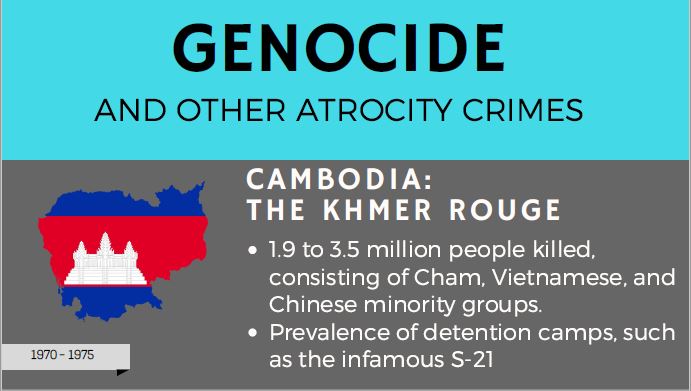
The Jerusalem Institute of Justice conducted a report assessing the ability of the United Nations to protect populations from genocide. The document analyzes the legal obligations of the international order to protect populations from genocide, as well as the success the UN has had in doing so. The report is split into three sections: historical background, current assessment, and discussion and recommendations. JIJ took into consideration six case studies total, three historical instances of genocide and three current events. From these analyses, the report then draws a conclusion on whether the UN successfully protects populations from genocide. Finally, JIJ provides several recommendations for the UN and other intergovernmental organizations to improve the protection provided to vulnerable populations.
Historical Background
After providing the UN definition of genocide and the methodology used to conduct the report, JIJ explores in the document the significance of the Holocaust in the establishment of the United Nations and the creation of a body meant to protect vulnerable populations. The historical uniqueness of the Holocaust and the inability of the world to prevent it sparked the need for an international body to prevent and punish such crimes against humanity – and thus, the United Nations was born.
However, incidents of genocide that followed the establishment of the UN exposed the flaws in the organization’s ability to enforce preventative or protective measures. In fact, although the Convention on the Prevention and Punishment of the Crime of Genocide mandates that contracting parties make an effort “to prevent and to punish” genocide, there is no mention of counteracting it. Cambodia, Rwanda, and Yugoslavia – three countries which experienced a genocide after the establishment of the UN – were all addressed by the UN and had a peacekeeping force (PKF) sent before the tensions escalated into genocide. The PKF, however, were clearly unsuccessful. This was due partially to the narrow parameters the PKF were given to work, and partially to a lack of political will to engage. Because of complex regional and interstate conflicts, the UN was unable to gather a consensus to form a mandate strong enough to keep the violence from escalating. In other words, politics got in the way of protection of human rights and lives – all three times.
Current Assessment
Several current conflicts have been identified by the UN as either crimes against humanity or genocide. The conflicts analyzed in this report are Darfur, the Rohingya people in Myanmar, and ISIS and Syria. Once again, the UN has failed to label any of these as a genocide (except for ISIS’s violence against the Yazidi people), further demonstrating the lack of a political will to intercede, as labeling them as a genocide would obligate the UN to act. Instead, by recognizing the crimes against humanity, the international order is able to enforce weak mandates and sanctions that do not complicate international relations among permanent member-states of the United Nations, but also do nothing to stem the tide of violence in the regions. Furthermore, no action can be taken without a unanimous decision made by the permanent member-states of the UN. Because of the complicated relations among these states, unanimity is rare. History appears to be repeating itself, as politics are once again impeding the international order’s ability to protect populations from genocide.
Discussion and Recommendations
The report concludes with an analysis of the problems affecting the UN’s ability to protect from genocide. These problems include politicization and lack of political will. Politicization refers to the tendency of the UN to become so consumed in interstate politics that human rights abuses become a secondary issue. Despite the founding assumption that the global community has a responsibility to protect, the UN has struggled to achieve a collective will to intervene in genocide and other crimes against humanity due to politics. Lack of political will is related in that states do not believe intervention to be in their national interest, and as a result have no incentive to intervene. This again implies that politics, specifically domestic politics, supersede international human rights.
JIJ then offers a series of recommendations to the UN to better protect vulnerable populations. These recommendations, designed to address the problems analyzed in the report, cover a wide variety of possible solutions, from adding “counteracting” genocide to the language of the Convention to enforcing stricter human rights requirements of member-states. The recommendations also include demanding better accountability and challenging the notion that international human rights abuses are not of national interest, thus addressing the problem of politicization.
Should the UN (or other IGOs and human rights activists) adopt these recommendations, the international community would be better equipped to prevent, counteract, and punish genocide. Minimizing politicization, enforcing stronger mandates, encouraging states to intervene, and providing incentives for states to maintain a certain human rights standard are basic yet vital changes that can be made to improve the global response to genocide. Once we are able to look at the past and recognize where we went wrong, we will be able to address the problems that still exist today and, hopefully, work together towards a future of human rights and dignity for all.
Download

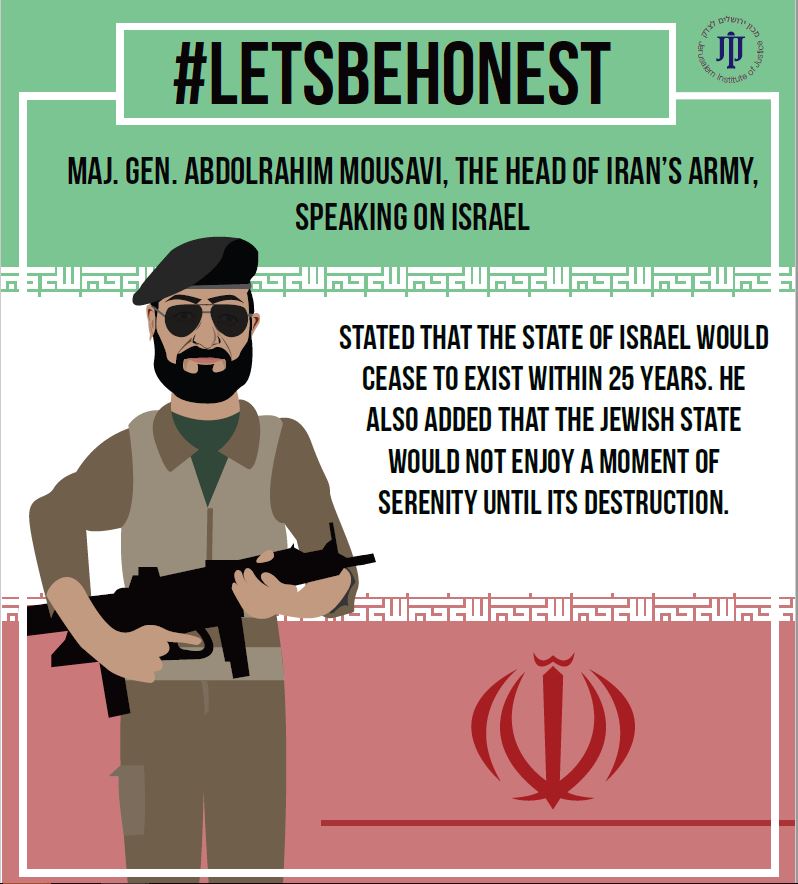
Israel would cease to exist within 25 years
This visual displays the hatefull rhetoric that the leader of Iran's military espouses to the world regarding the State of Israel's continuity, safety, and peace.
Download
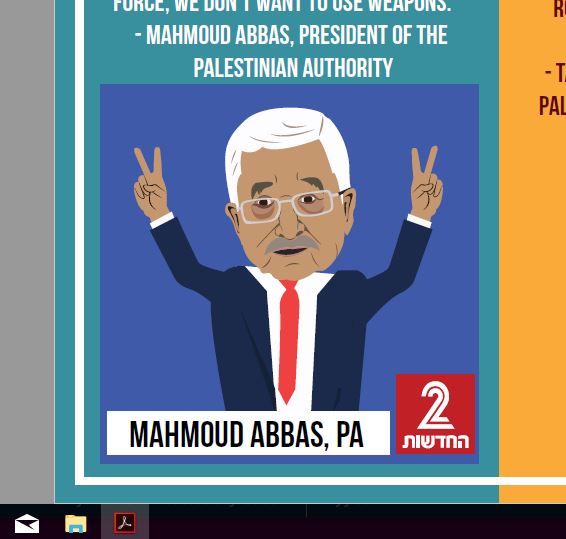
We will kill you with rocks
"We don't want to use terror against Israel." or "We will persue you with car rammings and kill you with rocks."? Which statement is true?
The #LetsBeHonest Campaign seeks to expose the duplicitous claims spoken by Arab leaders to the West and exposes their true intentions toward peace.
Download
What Palestinians are Afraid to Tell
https://www.youtube.com/watch?v=qrF09CvzyLg
We believe that these voices must be heard!
The international community, and particularly the US and EU, have invested unwisely and irresponsibly in the Palestinian Authority. Much of the money has been stolen in broad daylight by their corrupt leaders. These leaders have absolutely no incentive to ever build a Palestinian state or make peace. The conflict with Israel is very lucrative for them personally, and very little funding is actually monitored or preconditioned on progress or reforms. Instead of building a Palestinian democracy, their leaders have built a radicalized police state which systematically abuses human rights in the West Bank and Gaza. To think that this system is funded by Western democracies is so disheartening.
Financing the Suffering of the Palestinians
https://www.youtube.com/watch?v=m5YPCenFVS0
United Nations employs two groups to help refugees. One group helps refugees settle, while the other keeps them in limbo for generations. Watch this video to see how this contradiction developed and how we can help Palestinians escape decades of poverty in refugee camps.
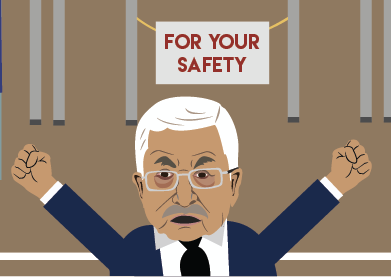
Peace Vs. Incitement
This infographic shows Palestinian Authority's President Mahmoud Abbas duplicity towards Israel. The #LetsBeHonest Campaign seeks to expose the duplicitous claims spoken by Arab leaders to the West and exposes their true intentions toward peace.
Download
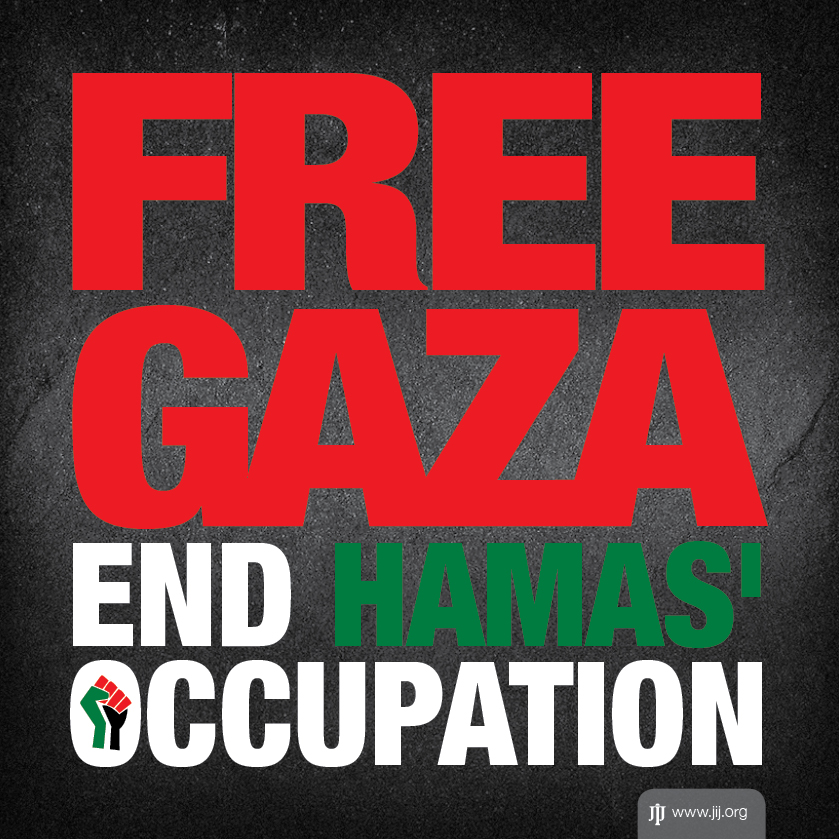
Hamas Terrorizes The People of Gaza
Learn more about how Hamas abuses the rights and freedoms of Palestinians in the Gaza Strip.
Download
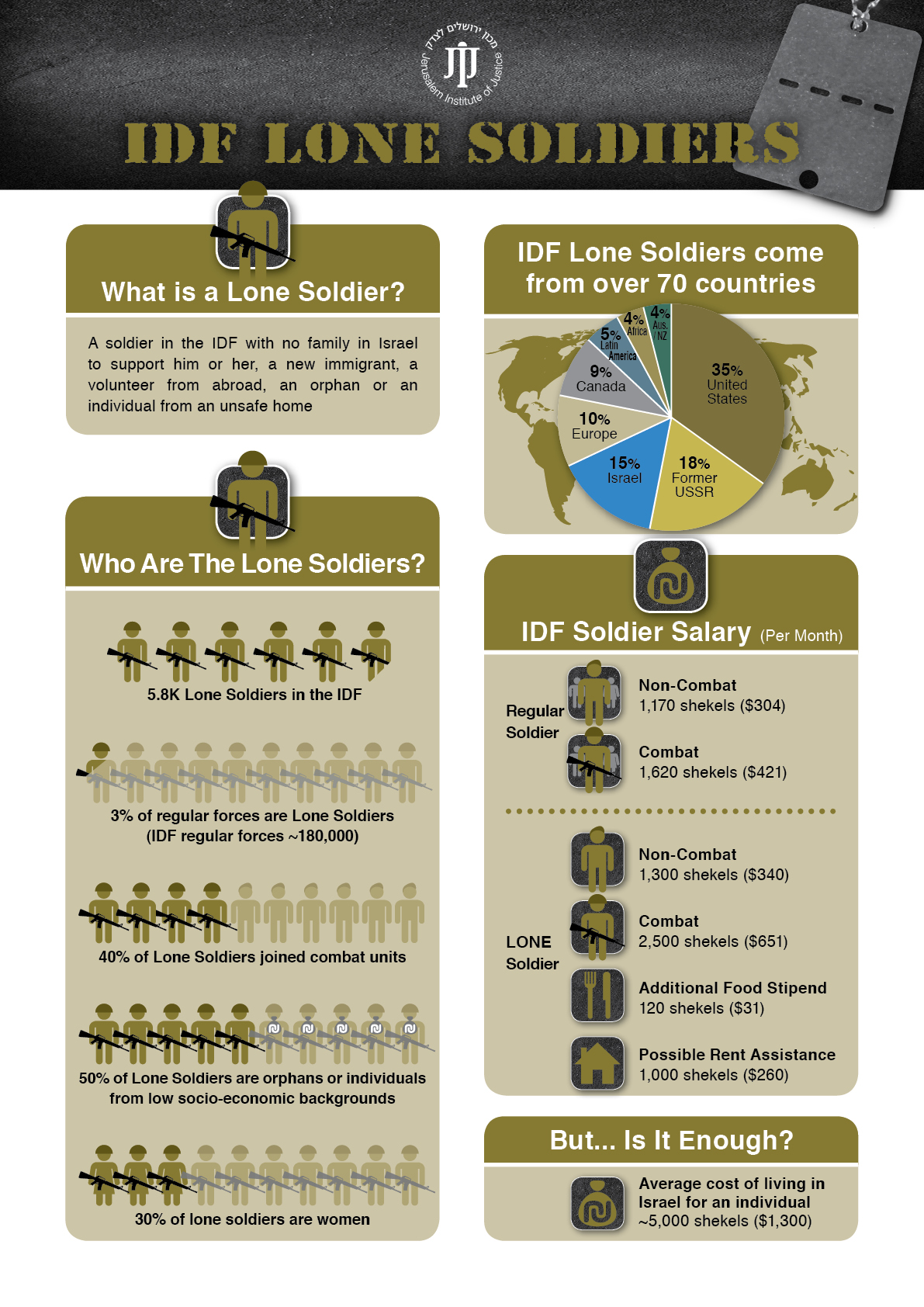
Lone Soldiers
Learn more about the Lone Soldiers in the IDF, those with no family in Israel to support him or her, a new immigrant, a volunteer from abroad, an orphan or an individual from an unsafe home.
Downloads
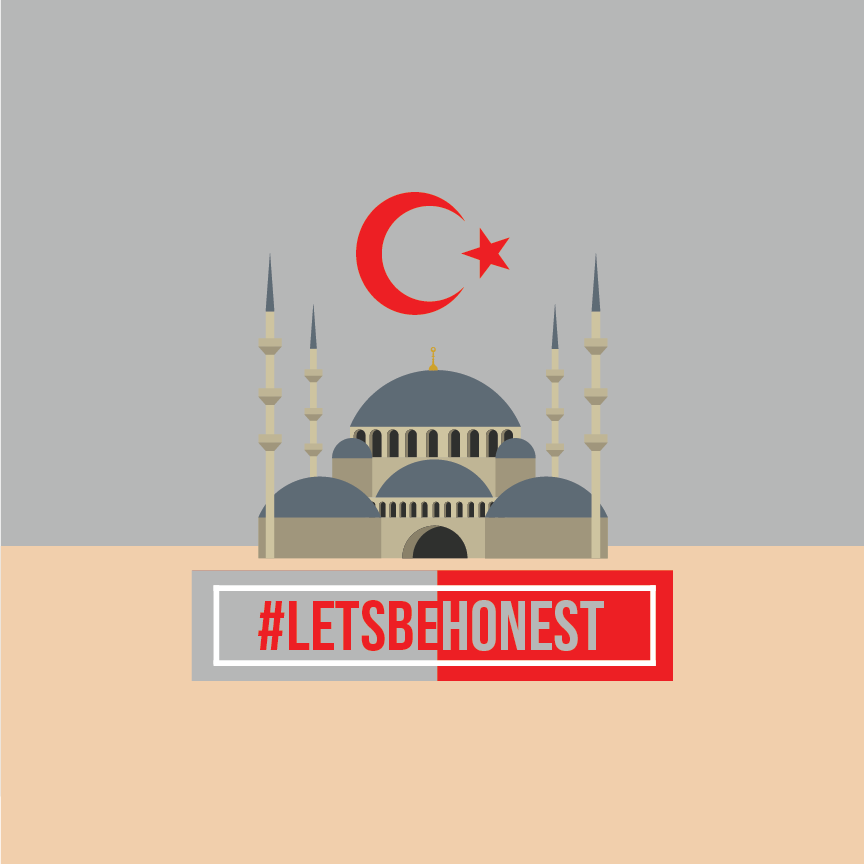
Mixed Signals in Turkey on Human Freedoms
This infographics exposes the mixes signals in regards of human rights coming from Turkey's leaders. The #LetsBeHonest Campaign seeks to expose the duplicitous claims spoken by Arab leaders to the West and exposes their true intentions toward peace.
Download
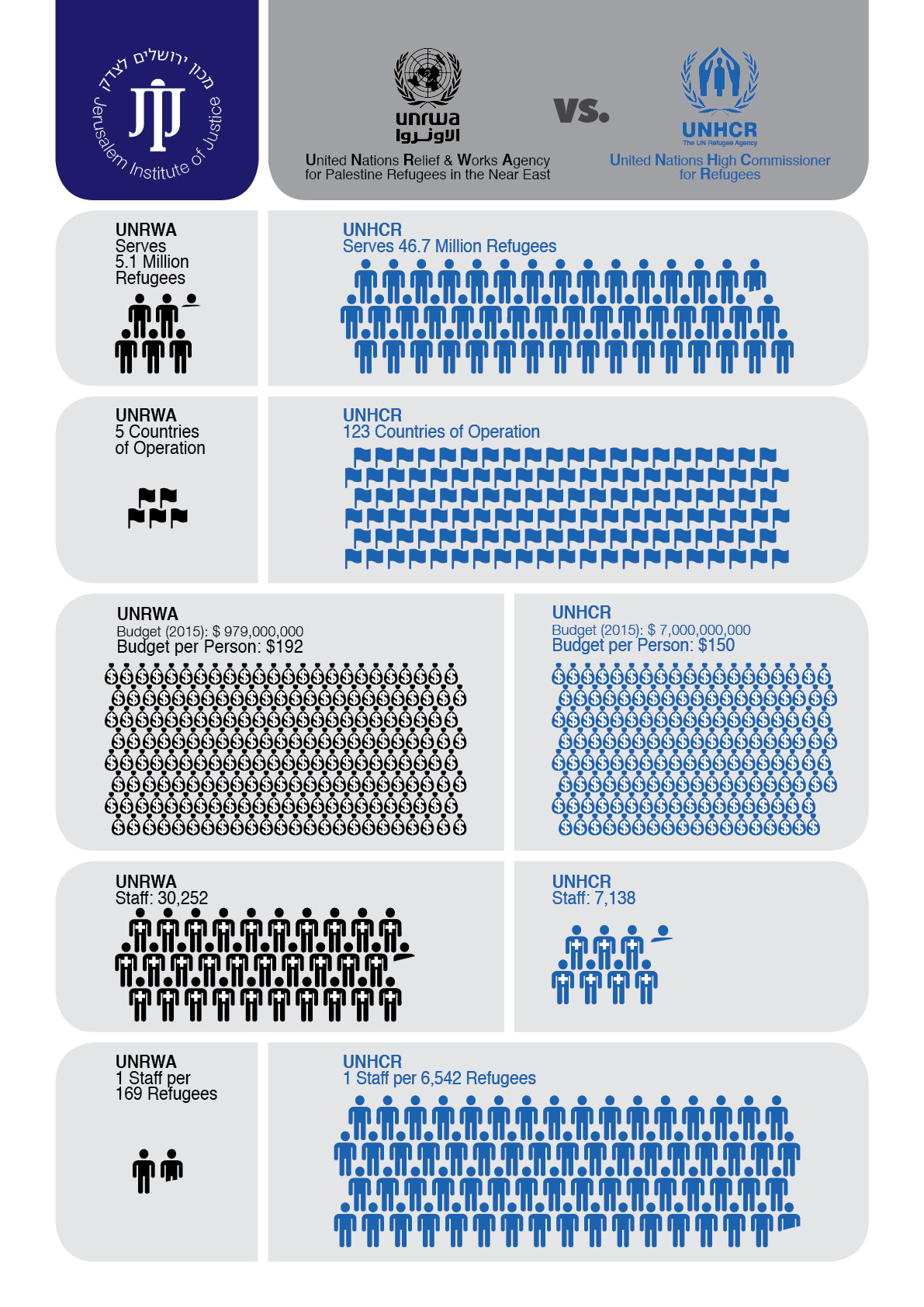
UNRWA vs. UNHCR
This fact sheet compares the United Nations Relief and Works Agency (UNRWA) for Palestinian Refugees in the Near East with the United Nations High Commissioner for Refugees (UNHCR)