

Not a peaceful protest
Gaza | Insider Update |
Hamas' violent confrontation campaign is not a peaceful protest
· The Hamas terror organization led another round of its confrontation campaign from Gaza against Israel. Orchestrated by Hamas, approximately 40,000 rioters gathered at the border and several thousand tried to storm into Israel at 13 locations.
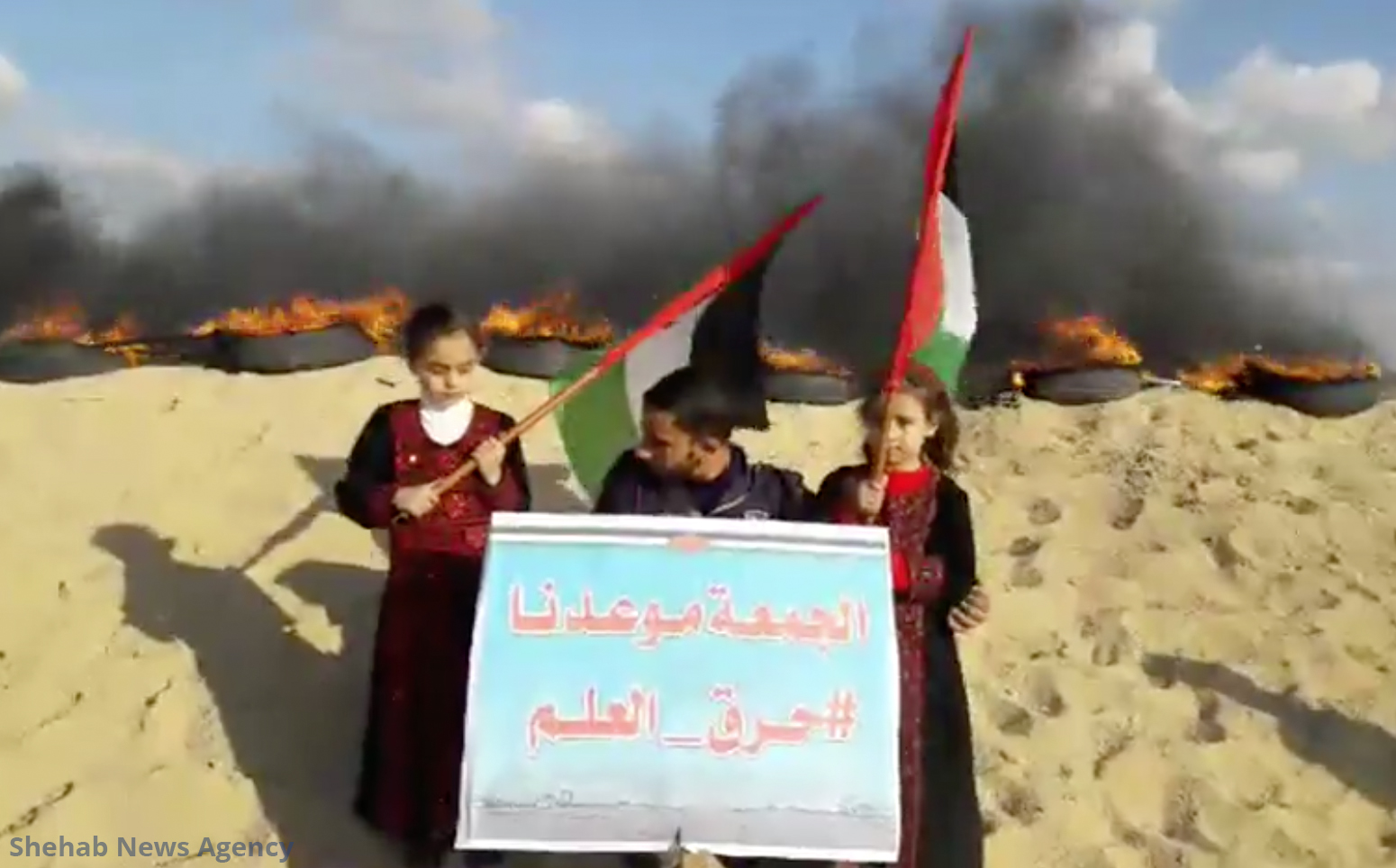
· The rioters hurled firebombs and explosive devices, burned tires, threw rocks and launched flaming objects with the intention of igniting fires in Israeli territory, breaking into Israeli villages, and harming Israeli security officers.
· Israel made relentless efforts to prevent the masses from violently breaching the border. These included early warnings (by leaflets, direct phone calls, on radio and social media), as well as the use of non-lethal means (water cannons, tear gas, smoke grenades, rubber bullets).
· Inflamed and violent crowds cannot be allowed to storm the border fence, opening a way to infiltrate into Israeli towns and threaten Israeli civilians.
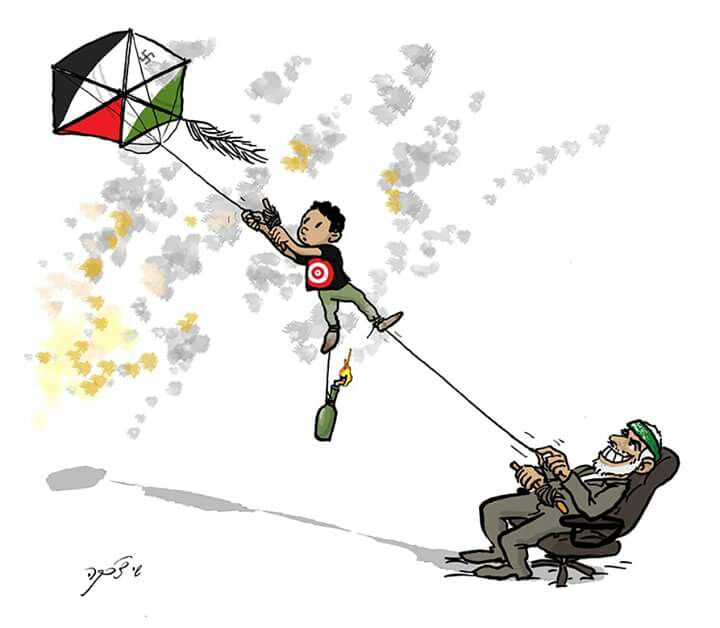
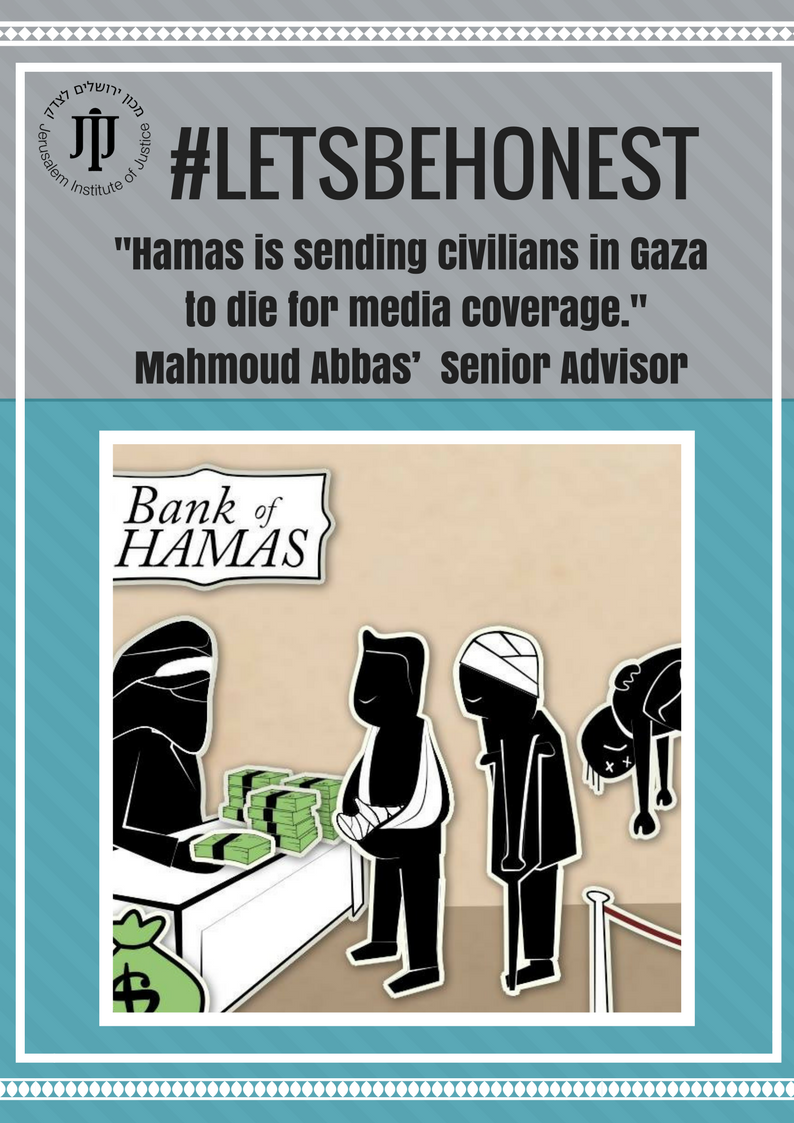
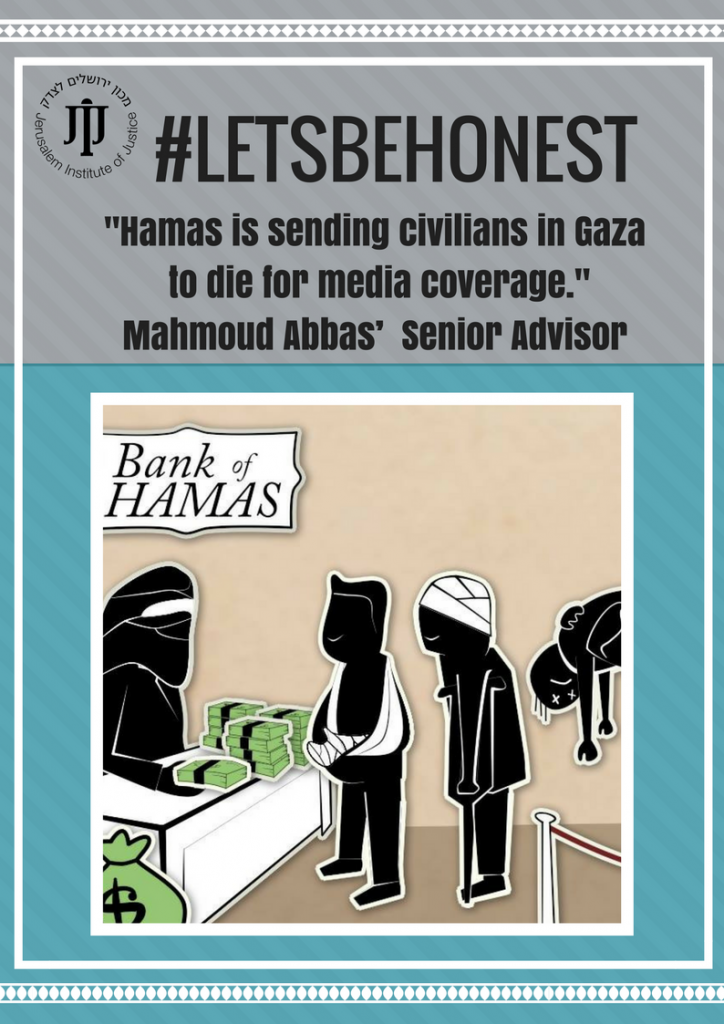
· What is happening at the Gaza-Israel border is not a protest; it is a well-prepared campaign by the Hamas terror organization, sending the masses to the fence, knowing they will get hurt, and hiding armed operatives among them, using civilians as human shields.
· The confrontations at the Gaza-Israel border started at the end of March, when Hamas led thousands of Palestinians in a confrontation campaign with Israel under the title "March of Return". The aim was to break the border fence, storm Israeli towns and attack Israeli civilians, reflecting Hamas' outspoken goal: the destruction of the State of Israel.
· Any country faced with a situation in which a terror organization is trying to storm its territory with the declared goal of murder and destruction will not hesitate to stop this aggression at its border.
· 53 of 62 of the Palestinian casualties sustained in the 14 May riots were acknowledged by Hamas and the Palestinian Islamic Jihad as terror operatives affiliated with their organizations.
· Hamas is a terror organization that has ruled the Gaza Strip since 2007, with the declared goal of the destruction of the State of Israel. Hamas seeks to murder Israelis by terror attacks, firing rockets, placing IEDs and building terror tunnels into Israeli territory.
Yom Yerushalayim: Significance for Freedom of Religion
On May 13, Israelis and Jews will celebrate Jerusalem Day, commemorating the reunification of Jerusalem under Israeli sovereignty during the Six Day War of 1967. For some, the day is a celebration of renewed access to the Western Wall and the rest of the Jewish Quarter of the Old City. For others, it is a more general celebration of success in the face of overwhelming odds.
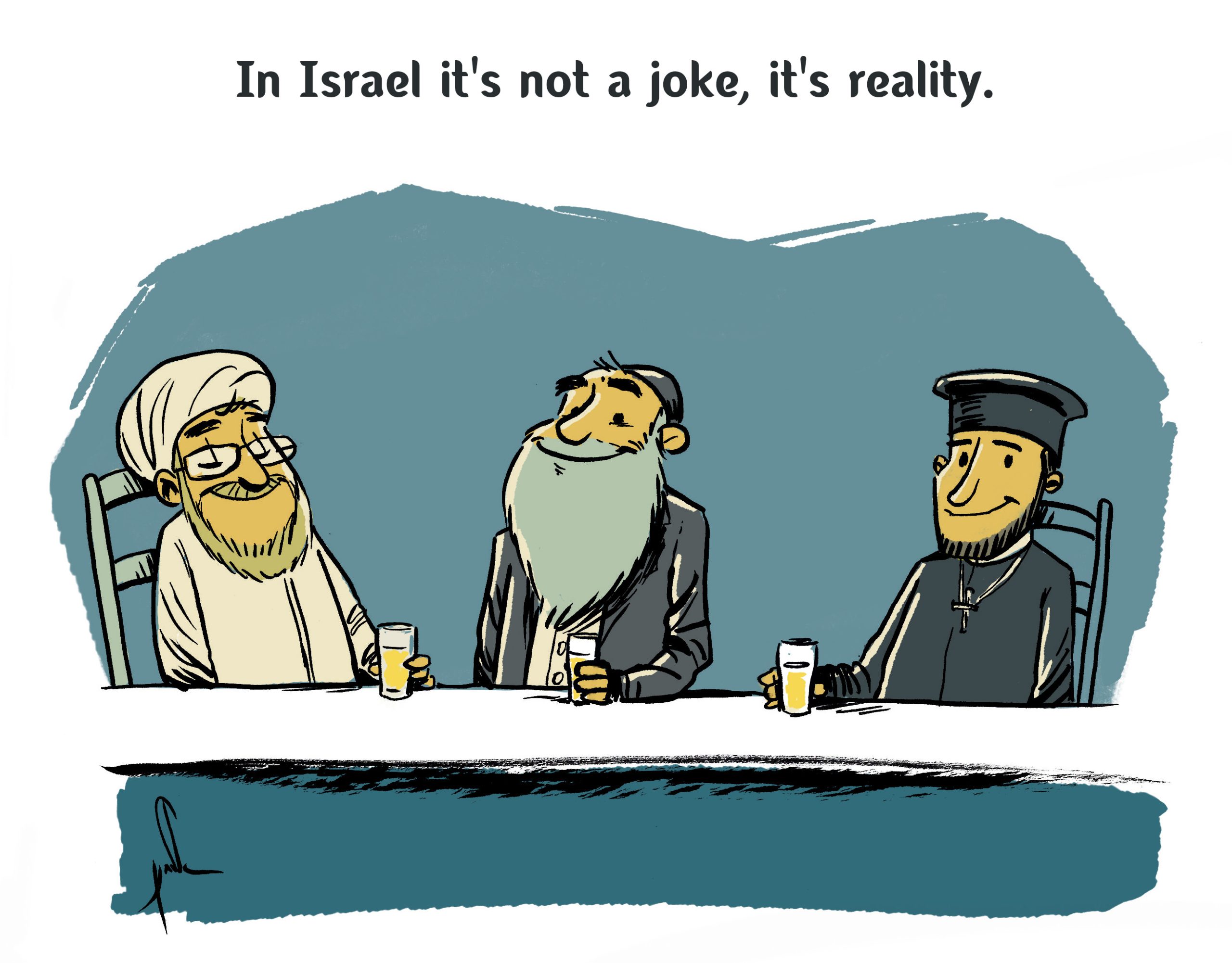
However, one of the most underappreciated outcomes of a united Jerusalem relates to freedom of religion. Throughout the historical periods of Jewish, Christian and Muslim rule, the great faiths erected monuments and places of worship unrivalled by other cities. The Hurva and Ohel Yitzhak Synagogues are a window into the city’s Jewish history, in the same way that the Churches of the Holy Sepulchre and St. Anne are to the city’s Christian heritage. Similarly, the Al-Aqsa Mosque and the Dome of the Rock are revered by Muslims worldwide and are a core component of the city’s Islamic heritage.
It is for this reason that the 1947 UN Partition Plan originally designated Jerusalem as corpus separatum (separated body), to be an international city that guaranteed access to adherents of the three Abrahamic faiths.
However, the cosmopolitan nature of the city today is very different to the atmosphere between 1948-1967.
Prior to 1967, Jordanian authorities severely limited freedom of religion in the city. Upon capturing the Jewish Quarter in 1948’s War of Independence, Transjordanian Arab Legion Major Abdullah el-Tell is said to have told his superiors: ‘For the first time in 1,000 years not a single Jew remains in the Jewish Quarter. Not a single building remains intact. This makes the Jews' return here impossible[1].’
Contrast this to the pronouncements of Prime Minister David Ben Gurion in 1948. When it appeared the Jewish forces were on the cusp of capturing the Old City of Jerusalem, he famously ordered the commander of Jerusalem, David Shaltiel, to ‘prepare a special force - loyal and obedient - …that will mercilessly use machine guns against every Jew – and especially against every Jewish soldier - who will attempt to rob or desecrate a Christian or Muslim holy place[2]’.
Between 1948 and 1967, the city was characterized by the repression of religious freedom and the destruction of minorities’ places of worship. All but two of the Old City’s 58 synagogues were destroyed under Jordanian rule[3]. Furthermore, Jordan’s King Hussein permitted the uprooting of thousands of tombstones at the Mount of Olives Cemetery for the construction of roads through the complex and even latrines for the Jordanian soldiers stationed there.
Even in recent decades, we can again see questionable respect for religious sites. The Solomon’s Stables structure existed under the Southeast corner of the Temple Mount and contained artefacts from eras as the First and Second Temple, Roman, Byzantine and Muslim periods[4]. However, the Israeli Islamic Movement decided in 1995-1996 to renovate the complex with the aim of converting it to a mosque[5]. With careless demolition procedures and without the official approval from relevant authorities, substantial irreversible damage was done to the Southern Wall of the city. As early as 2001, the Antiquities Authority discovered considerable swelling on the Wall, leading to the possibility that, along with the Eastern Wall, it could collapse[6].
The Temple Mount/Haram al-Sharif is another area that relies heavily on the guarantee of freedom of religion. Currently administered by the Jordanian funded waqf (Islamic trust), the complex is important in both historical and religious terms. Rather than infringe upon the right of access to Muslim adherents, the status quo agreement guarantees their access at the expense of Jewish adherents. While Jews have the right to enter the compound, they are forbidden from praying or carrying religious artefacts such as siddurim or kippot out of sensitivity for the Muslim sites there.
These Jerusalem-specific arrangements complement an extensive legislative regime aimed at protecting freedom of religion. The Protection of Holy Places Law of 1967 guarantees freedom of access to sacred places, protection against their desecration and even protection against violations of adherents’ feelings toward these places[7]. Furthermore, Israeli law does not prohibit changing one’s religion nor does it prohibit proselytizing (missionizing).
Thus, in celebrating Jerusalem Day, focus should not only be upon the unexpected victory of Israel’s military in 1967. It should be on the underlying heritage that unites the three Abrahamic religions, and the way in which Israel’s sovereignty over Jerusalem has safeguarded religious freedom.
[1] Zilhka, A. (1992), ‘History of the Israeli-Palestinian Conflict’ in E. W. Fernea and M. E. Hocking (eds.), The Struggle for Peace: Israelis and Palestinians, University of Texas Press, United States, p. 53
[2] Ankori, G. (2006), Palestinian Art, Reaktion Books, London, p. 26
[3] Jewish Telegraphic Agency Daily News Bulletin (1967), ‘Cabinet Report Says Jordan Destroyed 56 Old City Synagogues, Desecrated Cemetery’, November 2, p. 2, accessed March 7 2017, http://pdfs.jta.org/1967/1967-11-02_212.pdf
[4] Gonen, R. (2003), Contested Holiness: Jewish, Muslim and Christian Perspectives on the Temple Mount in Jerusalem, KTAV Publishing, United States, p. 167-169
[5] Shragai, N. (2012), ‘The Danger to Al-Aksa from Muslim Building Activity in Solomon’s Stables’, in Jerusalem Center for Public Affairs, The “Al-Aksa Is in Danger” Libel: The History of a Lie, accessed March 7 2017, http://jcpa.org/danger-to-al-aksa-from-muslim-building-in-solomons-stables/
[6] ibid
[7] The Israeli Knesset, Protection of Holy Places Law 5727 (1967), accessed March 7 2017, https://www.knesset.gov.il/laws/special/eng/HolyPlaces.htm
Hamas' True Face Exposed
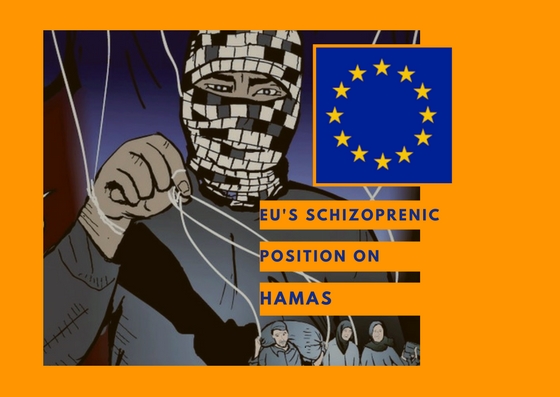
The EU’s Schizophrenic Position on Hamas
An Evaluation of European Policy towards Hamas
Read Full Report
In July 2017, the European Court of Justice (ECJ) ruled that Hamas was rightly put on the list of terror organizations between July 2011 and July 2014. This judgment was a response to the appeal of the European Council against a decision by the General Court, which had ruled that Hamas should not have been on the list during that time. Even though the Advocate General had provided an advisory opinion stating the ECJ should take the same position as the General Court, the ECJ eventually decided in favor of the European Council. While these deliberations were taking place, there was another case pending concerning Hamas' request to be removed from the list from March 26, 2015. This report will analyze the practical implications of the listing of Hamas as a terror organization and present it in perspective to the broader European policy towards the Gaza Strip.
In 2017, the European Court of Justice ruled on an appeal by the European Council and set forth that Hamas will remain on the list of terror organizations. This appears to indicate that the European Union (EU) is convinced of the terrorist nature of Hamas, de-legitimizes the organization and tries to prevent its funding. However, this report shows that the EU's position concerning Hamas is not so clear-cut. Firstly, the EU faces challenges implementing the prevention of funding to Hamas due to its own provision of humanitarian aid to the Gaza Strip, which often implicitly benefits Hamas who maintain effective control over the area. More interestingly, the EU's political response is often highly critical of Israel when addressing the blockade of the Gaza Strip and the hostilities there.
This latest report shows that this criticism is an attempt to transfer responsibility from Hamas to Israel. It is important to understand that these political responses by the EU implicitly consolidate Hamas' rule and in a sense, they become a source of legitimacy for the organization. Moreover, the report shows that the EU's response should be understood in a broader framework, in which it legitimizes Hamas as an organization fighting a legitimate struggle for the Palestinian people, without condemning its methods and practices of terrorism. This report will counter this underlying assumption and urges the EU to acknowledge the responsibility Hamas has in creating the humanitarian crisis in the Gaza Strip. The main argument is that the rule of a terrorist organization over the Gaza Strip is problematic, both for the local population and for Israel. Therefore, it proposes that the EU should problematize the rule of Hamas, and implement measures that will either put pressure on Hamas to abandon its terrorist identity, or that will lead to the complete removal of Hamas from control over the Gaza Strip.

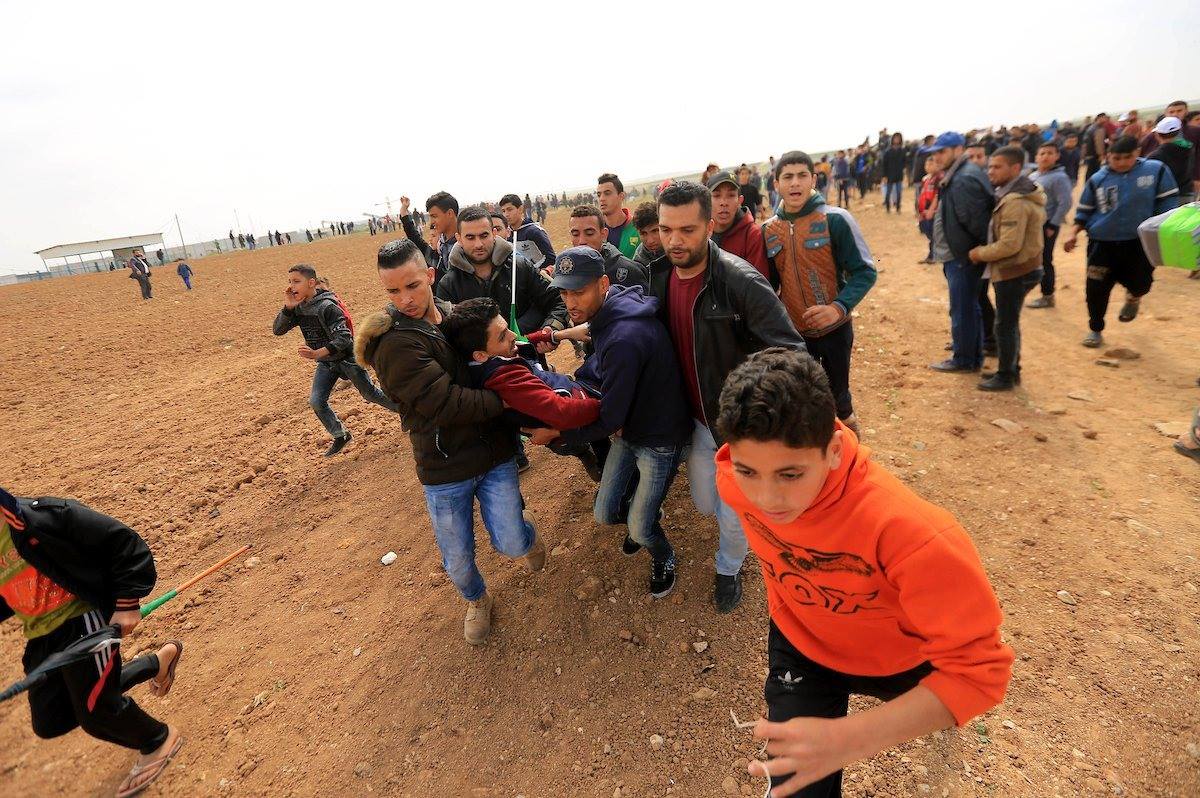
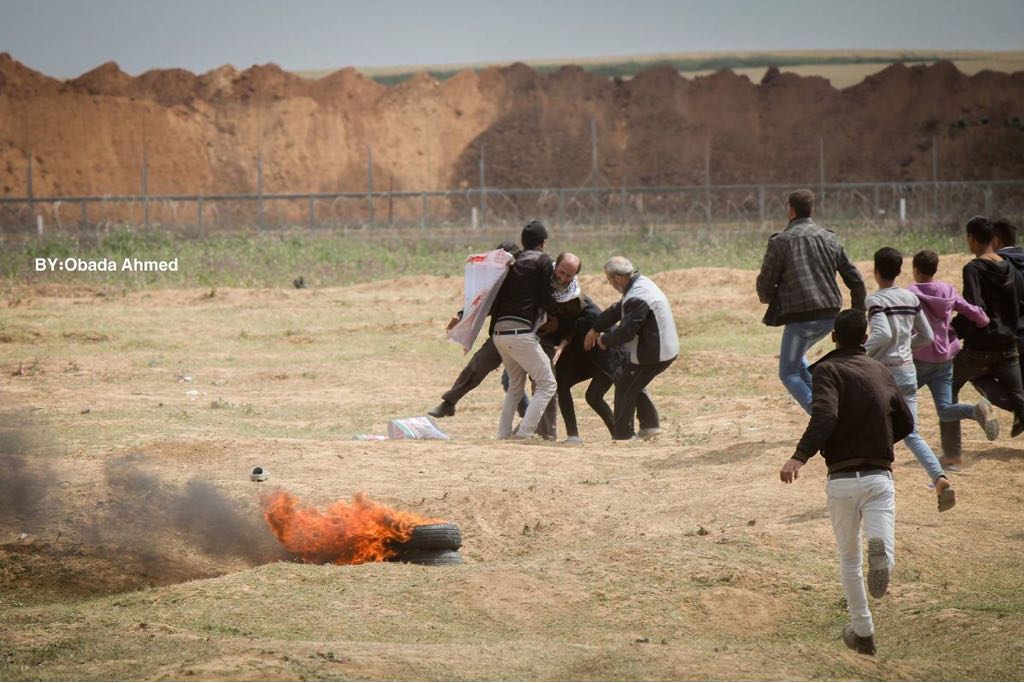
March 31 from the Gaza Strip
1. Hamas is a terror organization whose declared goal is the destruction of the State of Israel. Hamas seeks to murder Israelis by firing rockets, placing IEDs and building terror tunnels into Israeli territory. Hamas is orchestrating a dangerous, mass-scale infiltration into the State of Israel’s sovereign territory.
2. What is happening on the border with the Gaza Strip is not a demonstration. It is an organized riot, being used as a platform for carrying out terrorist attacks and launching a mass assault on the border fence and breaching it. No sovereign state would permit this.
3. Hamas is the initiator of the riots and has the power to put an end to them at any time. Instead of doing this, Hamas is calling for further escalation and is encouraging terror against Israel.
4. Those killed were carrying out violent terrorist activity. Most of these casualties (at least 10) have been identified as known terror operatives. Israel's riot control actions were precise, in accordance with international law. Israel will continue to act with determination to protect its sovereignty and the security of its citizens.
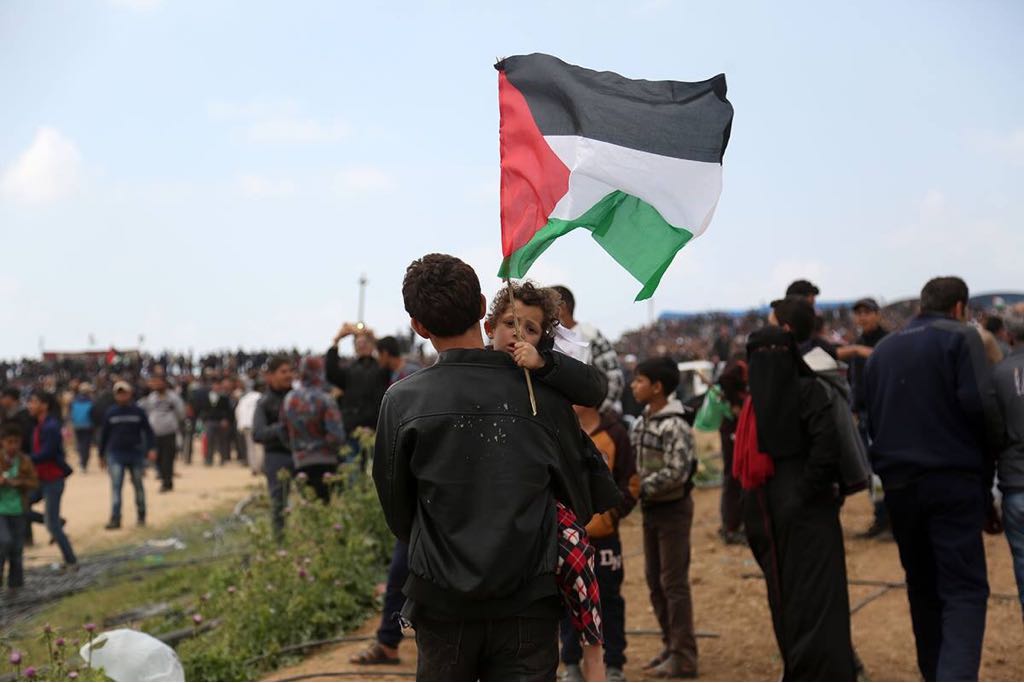
5. The terrorist organizations make cynical use of women and children, who are purposely sent to the fence to be injured. Hamas uses them as cover for its attempts to carry out terrorist attacks, including placing IEDs on the fence and launching rockets.
6. The fence between Israel and the Gaza Strip separates a sovereign state and a terror organization; it separates a country that protects its citizens and murderers who send their people into danger. The fence separates an army that uses force in self-defense in a precise and proportionate manner, and Hamas, an organization that for years has been intent on harming millions of Israelis and sanctifies murder and death. Anyone who mistakenly views in this murderous spectacle even an iota of freedom of expression is blind to the threats facing the State of Israel.
7. Hamas is funded and armed by Iran. It spends huge sums of money on building up its military and on terrorist activity, instead of on the welfare of the population in the Gaza Strip.
Gaza: IDF Spokesperson Briefing
Talking points from the IDF Spokesperson briefing:
1. This is not a demonstration; it is a terror attack organized by Hamas and the Palestinian Islamic Jihad.
2. For several weeks, the IDF has been receiving information on Hamas’ intentions to take advantage of the event to lay IEDs and to initiate terror attacks. These events actually occurred, including the firing of light arms – two events, laying of IEDs – 4 mines were placed alongside the fence with Gaza, and hundreds of events of stone throwing and lobbing of Molotov cocktails.
3. Hamas is attempting to redirect the frustration of the citizens of Gaza with its failures towards Israel.
4. The area surrounding the fence is a combat zone against terrorist organizations. Hamas is aware of this, and therefore sends women and children into the area, hoping to provoke the IDF into uncontrolled shooting resulting in multiple cases of innocent casualties. Most of the participants in the demonstration (a total of 30,000 participants) were women and children, while all the casualties are of combat age, aged between 18 and 30, and for the most part are known members of terrorist organizations.
5. Hamas attempted to repeat a previous attempt of placing an IED in a flag, similar to an attempt several days ago, which wounded four soldiers.
6. IDF fire was controlled and in accordance with standard procedures. It is known where every bullet hit. Claims of hundreds of Palestinian casualties refer for the most part to inhalation of smoke or as the result of riot control procedures. Hamas intends to turn the fence area into an area of constant confrontation from now until Nakba Day on 15 May. The IDF won’t permit this, and if the events continue will be forced to attack Hamas and Palestinian Islamic Jihad targets in the Strip.
7. The State of Israel has no interest in harming innocents, neither women nor children. We are acting only to prevent terror and violation of Israeli sovereignty. It should be remembered that this is an attempt to violate an undisputed sovereign border. No country would permit this.
8. Claims that this is a demonstration are baseless. In what demonstration do activists draw weapons and shoot at the other side? In yesterday’s events this occurred twice. Four IEDs were placed, hundreds or Molotov cocktails were thrown, including attempts to ignite Israeli mechanical equipment that was parked on our side of the fence. There were also three failed attempts at high trajectory fire during the night.