
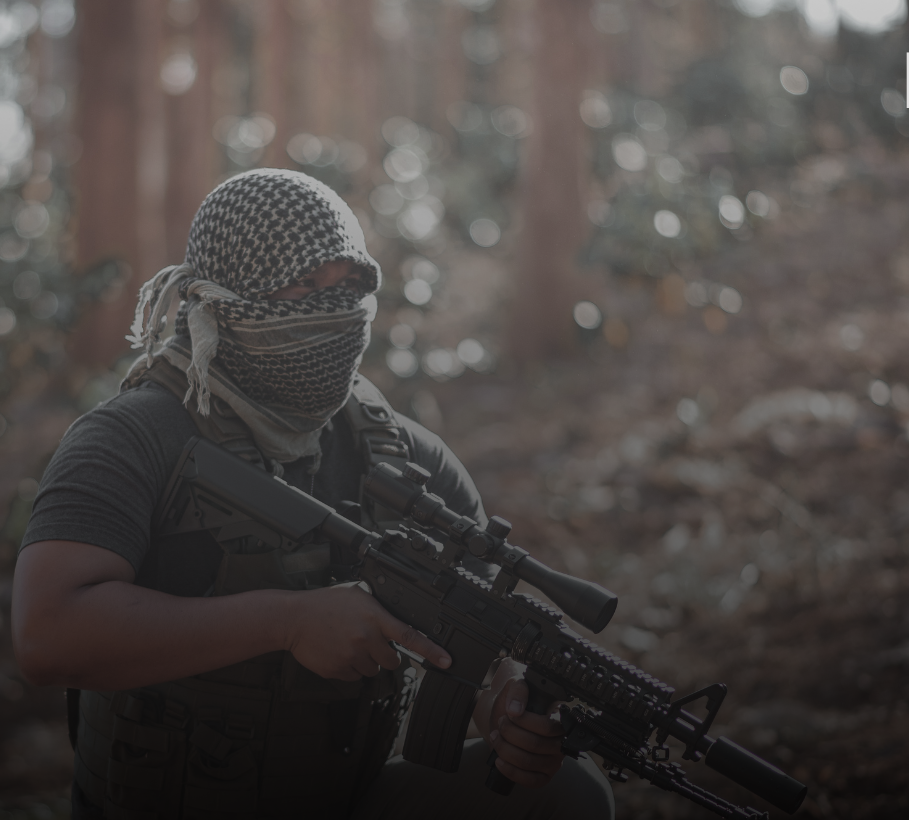
What will come of the recent escalation in the West Bank?
Last week, rockets were fired from Jenin, in the West Bank, toward Israel for the first time in 18 years. This week, Israel launched its biggest operation in the West Bank in decades. Tension and violence are escalating between Israel and the Palestinians in the West Bank, but what is the cause, and what does this mean in the larger question of the Israeli-Palestinian conflict?
The Israeli military operation in Jenin is a counter-terrorism campaign that is mainly a response to a string of terrorist attacks in recent weeks. On June 19, Israel launched a raid in Jenin in search of several Palestinian terrorists planning attacks in Israel, and they were quickly met with armed resistance (Lynfield, “Israeli Forces launch raid in Jenin”).
A day after this, on June 20, two Palestinians killed four Israelis at a settlement near Nablus, in the West Bank. Palestinian terrorist group Hamas, which operates out of Gaza, claimed responsibility for the gunmen (Gritten, Four Israelis killed by Palestinian gunmen”).
Four days later, on June 24, another terrorist, claimed to be a member of the Al-Aqsa Martyrs Brigade, opened fire on Israeli soldiers at the major checkpoint connecting Ramallah and East Jerusalem (Fabian, “Shooting at checkpoint near Jerusalem”). The Al-Aqsa Martyrs Brigade is the military wing of Fatah, a Palestinian political group which lost the only election, in 2006, to Hamas but still has power in the West Bank.
Now, this week, after mounting tensions in the region, Israel has launched its biggest operation in the West Bank in two decades. Israel has announced that this counter-terrorism operation is to destabilize terrorist groups in the West Bank which have become too comfortable and too dangerous.
The operation has involved numerous drone strikes and an armed brigade on the ground, targeting terrorist hot spots in Jenin and in the refugee camp in the city. Israel has claimed that this operation is not aimed at taking and holding territory (Mckernan, “Biggest West Bank incursion in 20 years”), but to disable terrorists from carrying out attacks on Israel.
These recent terrorist attacks, and the Israeli response, is a result of decades of conflict between Israel and the Palestinians. The two have never been able to agree on borders or on coexistence, sparking several wars and many operations. This recent violence is an extension of the historic conflict, but it is influenced by modern issues, and it is being fought between complex parties.
The Palestinians launch terrorist attacks against Israel because they do not want the Jewish state to exist in the land they view as theirs. Several of the groups that hold power and operate in Palestinian land are not interested in a political solution, and often refuse to negotiate with Israel. The groups responsible for the recent attacks, mainly Hamas and Fatah, both have military wings that operate in the West Bank, and specifically in Jenin.
The groups receive much of their funding from Iran and call for radical Israeli cessions to achieve peace. Hamas wants Israel to fall back to the pre-1967 borders, they want to grant all Palestinians the right of return, and they want what is now Israel to become an Islamic state. Of course, these demands are impossible, and they are used as an excuse for violence.
Since Israel, obviously, refuses to cooperate with Palestinian demands, terrorist groups have been able to grow and operate in Palestinian land. Terrorist groups have found a safe haven in the West Bank, and specifically in Jenin, and the most recent Israeli operation shows that Israel refuses to allow terrorists to operate in the region. If Palestinian authorities continue to foster these terrorist groups, Israel may continue to launch operations against them, escalating the conflict between the parties.
This operation, the biggest in twenty years, may be a sign of more to come between Israel, the Palestinian groups in the West Bank, and the Palestinians across the rest of the region.
By Ethan Wenger – JIJ Intern

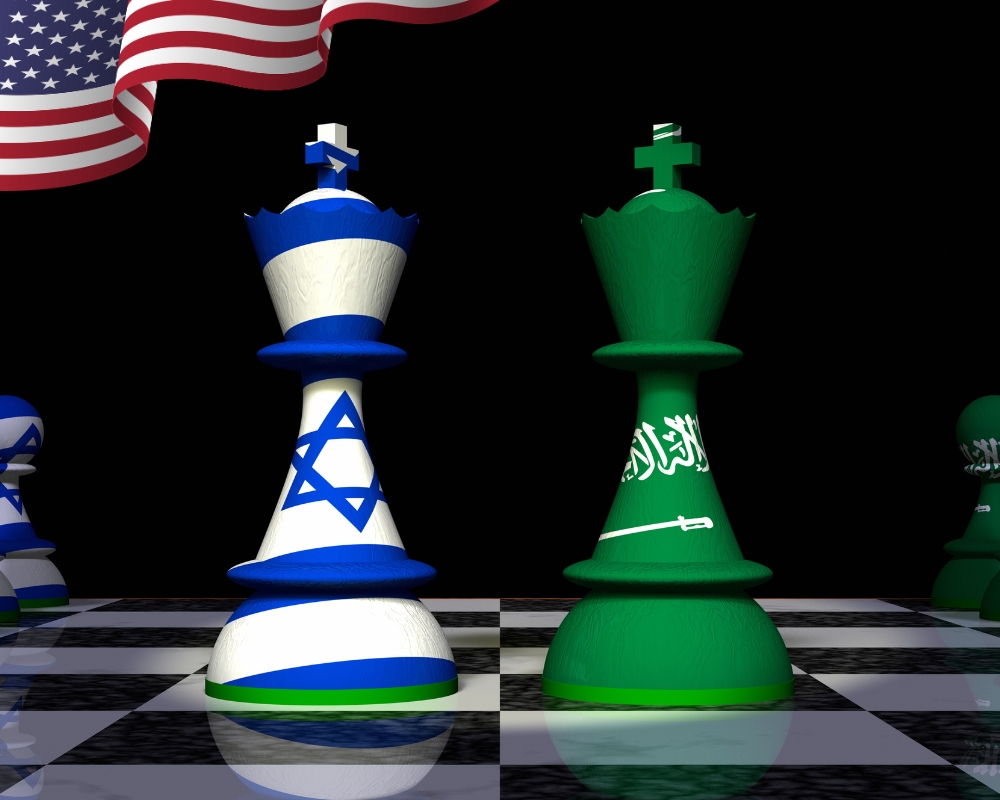
Unraveling the Trio: Understanding the Complexities of Saudi Arabia's Relationship with Israel, and the United States
When the Abraham Accords were signed in 2020, a key country was missing from the deal: the Kingdom of Saudi Arabia. By not signing the Accords, Saudi Arabia has kept its point of leverage in its negotiations with the United States and with the Israeli-Palestinian Conflict. Saudi Arabia recognizes the power they hold in the Middle East, and they want to get the most from both the United States and Israel before they agree to normalize relations with the Jewish state.
Each combination of the three-sided relationship between Israel, the United States, and Saudi Arabia must be understood to grasp what it will take for Saudi Arabia to normalize relations with Israel.
First, it is important to understand the relationship between Israel and Saudi Arabia. Historically, the two states have been enemies. The Saudis voted against the United Nations Resolution 181, also known as the Partition Plan for Palestine, they have sent troops to fight the Israelis in several wars, and they have consistently supported the Palestinians in their efforts against Israel.
For one, the Saudis support the Palestinians in their fight for the land that currently belongs to Israel. In order for Saudi Arabia to make peace with Israel, the Saudis want Israel to adopt the Arab Peace Initiative (API). The API calls for Israel to pull out of territories gained in the 1967 war, for Israel to recognize a sovereign Palestinian state with its capital in East Jerusalem, and for Israel to solve the Palestinian refugee issue (“Arab Peace Initiative”). In this regard, “solving” the Palestinian refugee issue would mean losing Israel’s identity as the only Jewish state.
If Israel agrees to these conditions, then Saudi Arabia may move to normalize relations with them. But Israel cannot adopt these conditions, for they would be ceding valuable defensive holdings and giving too much to the Palestinians. Saudi Arabia is using the Palestinians as leverage in the negotiations because they want an Arab-controlled Israel, and “the API regards the Arab-Israel normalization as the reward for solving the Israel-Palestinian dispute (Teller Abraham Accords: Saudi Arabia is still not budging).
Next, it is important to understand the relationship between the United States and Saudi Arabia. The Abraham Accords were mediated by the United States, and Saudi Arabia has not signed the peace treaty because they wanted more from the Americans. In order to achieve peace, Prince Mohammed bin Salman “has told both Israeli and American officials that he wants Washington to treat Saudi Arabia as the major regional force he believes it is by resuming arms sales halted last fall and by offering the kind of security commitment it extends to close allies” (Traub, Netanyahu Has Drawn a Saudi-U.S Road Map).
Saudi Arabia wants to be on the good side of the American military, and the Americans have their priorities as well. The United States is intent on preventing Iran from creating its own nuclear weapons, and it would also prefer Saudi Arabia to be the dominant Middle Eastern state over Iran. With this, Saudi Arabia laid their claims on the table in recent talks with America. They want the U.S to support Saudi Arabia’s goal of building their own nuclear weapons; they want an American promise to defend Saudi Arabia in times of war, and they want the U.S to grant them special status as a major non-NATO ally (Nissenbaum, et al., Saudi Arabia Seeks U.S Security Pledges).
Again, these are steep demands by the Saudis. The United States does not want to support a nuclear Saudi Arabia, as this would lead to a nuclear arms race between them and Iran, which would turn into a disastrous situation. They also do not want to formally recognize Saudi Arabia as an ally, which would rope them into any future Middle Eastern conflicts.
The last relationship to understand in this trio is between the United States and Israel. Israel wants the United States to create peace with Saudi Arabia to further protect its position as a stable state in the Middle East. Saudi Arabia is one of the most important countries not at peace with Israel, and an agreement between the two states would further solidify Israel’s place in the Middle East.
While the relationship between Saudi Arabia and Iran is not part of the trio negotiating peace, it is equally important as the others. For decades, the two states have battled over dominance in the Middle East. This has resulted in proxy warfare between the states, as in the Syrian Civil War and in the Yemeni Civil War. After years of tension, diplomacy between the states has become a recent possibility. In March, the leaders of the two states agreed to restore ties in agreement mediated by China. In this agreement, they said they will affirm “the respect for the sovereignty of states and the on-interference in internal affairs of states” (Gadzo, “Changing Global Order”). In a statement released by Saudi Arabia, Saudi Arabia and Iran reached “an agreement to resume diplomatic relations between them and re-open their embassies and missions” (“Joint Trilateral Statement”). While Saudi Arabia and Iran are still battling for Middle Eastern dominance, tensions between the two are softening while diplomacy is rising.
Despite Israel’s hope that the United States will strike peace with Saudi Arabia, the Saudi demands are too much for the Americans. The United States would not want to be forced to protect Saudi Arabia in times of war, and they certainly do not want the Saudis to have nuclear weapons. Israel and Saudi Arabia cannot achieve peace themselves, as well, because the Saudi claims for a sovereign Palestine are impossible for Israel to accept. As of now, the demands by the Saudis are too high, and unless they cede some of them, official peace will not be achieved.
By Ethan Wenger – JIJ Intern
Unraveling the Trio: Understanding the Complexities of Saudi Arabia's Relationship with Israel, and the United States
When the Abraham Accords were signed in 2020, a key country was missing from the deal: the Kingdom of Saudi Arabia. By not signing the Accords, Saudi Arabia has kept its point of leverage in its negotiations with the United States and with the Israeli-Palestinian Conflict. Saudi Arabia recognizes the power they hold in the Middle East, and they want to get the most from both the United States and Israel before they agree to normalize relations with the Jewish state.
Each combination of the three-sided relationship between Israel, the United States, and Saudi Arabia must be understood to grasp what it will take for Saudi Arabia to normalize relations with Israel.
First, it is important to understand the relationship between Israel and Saudi Arabia. Historically, the two states have been enemies. The Saudis voted against the United Nations Resolution 181, also known as the Partition Plan for Palestine, they have sent troops to fight the Israelis in several wars, and they have consistently supported the Palestinians in their efforts against Israel.
For one, the Saudis support the Palestinians in their fight for the land that currently belongs to Israel. In order for Saudi Arabia to make peace with Israel, the Saudis want Israel to adopt the Arab Peace Initiative (API). The API calls for Israel to pull out of territories gained in the 1967 war, for Israel to recognize a sovereign Palestinian state with its capital in East Jerusalem, and for Israel to solve the Palestinian refugee issue (“Arab Peace Initiative”). In this regard, “solving” the Palestinian refugee issue would mean losing Israel’s identity as the only Jewish state.
If Israel agrees to these conditions, then Saudi Arabia may move to normalize relations with them. But Israel cannot adopt these conditions, for they would be ceding valuable defensive holdings and giving too much to the Palestinians. Saudi Arabia is using the Palestinians as leverage in the negotiations because they want an Arab-controlled Israel, and “the API regards the Arab-Israel normalization as the reward for solving the Israel-Palestinian dispute (Teller Abraham Accords: Saudi Arabia is still not budging).
Next, it is important to understand the relationship between the United States and Saudi Arabia. The Abraham Accords were mediated by the United States, and Saudi Arabia has not signed the peace treaty because they wanted more from the Americans. In order to achieve peace, Prince Mohammed bin Salman “has told both Israeli and American officials that he wants Washington to treat Saudi Arabia as the major regional force he believes it is by resuming arms sales halted last fall and by offering the kind of security commitment it extends to close allies” (Traub, Netanyahu Has Drawn a Saudi-U.S Road Map).
Saudi Arabia wants to be on the good side of the American military, and the Americans have their priorities as well. The United States is intent on preventing Iran from creating its own nuclear weapons, and it would also prefer Saudi Arabia to be the dominant Middle Eastern state over Iran. With this, Saudi Arabia laid their claims on the table in recent talks with America. They want the U.S to support Saudi Arabia’s goal of building their own nuclear weapons; they want an American promise to defend Saudi Arabia in times of war, and they want the U.S to grant them special status as a major non-NATO ally (Nissenbaum, et al., Saudi Arabia Seeks U.S Security Pledges).
Again, these are steep demands by the Saudis. The United States does not want to support a nuclear Saudi Arabia, as this would lead to a nuclear arms race between them and Iran, which would turn into a disastrous situation. They also do not want to formally recognize Saudi Arabia as an ally, which would rope them into any future Middle Eastern conflicts.
The last relationship to understand in this trio is between the United States and Israel. Israel wants the United States to create peace with Saudi Arabia to further protect its position as a stable state in the Middle East. Saudi Arabia is one of the most important countries not at peace with Israel, and an agreement between the two states would further solidify Israel’s place in the Middle East.
While the relationship between Saudi Arabia and Iran is not part of the trio negotiating peace, it is equally important as the others. For decades, the two states have battled over dominance in the Middle East. This has resulted in proxy warfare between the states, as in the Syrian Civil War and in the Yemeni Civil War. After years of tension, diplomacy between the states has become a recent possibility. In March, the leaders of the two states agreed to restore ties in agreement mediated by China. In this agreement, they said they will affirm “the respect for the sovereignty of states and the on-interference in internal affairs of states” (Gadzo, “Changing Global Order”). In a statement released by Saudi Arabia, Saudi Arabia and Iran reached “an agreement to resume diplomatic relations between them and re-open their embassies and missions” (“Joint Trilateral Statement”). While Saudi Arabia and Iran are still battling for Middle Eastern dominance, tensions between the two are softening while diplomacy is rising.
Despite Israel’s hope that the United States will strike peace with Saudi Arabia, the Saudi demands are too much for the Americans. The United States would not want to be forced to protect Saudi Arabia in times of war, and they certainly do not want the Saudis to have nuclear weapons. Israel and Saudi Arabia cannot achieve peace themselves, as well, because the Saudi claims for a sovereign Palestine are impossible for Israel to accept. As of now, the demands by the Saudis are too high, and unless they cede some of them, official peace will not be achieved.
By Ethan Wenger – JIJ Intern