
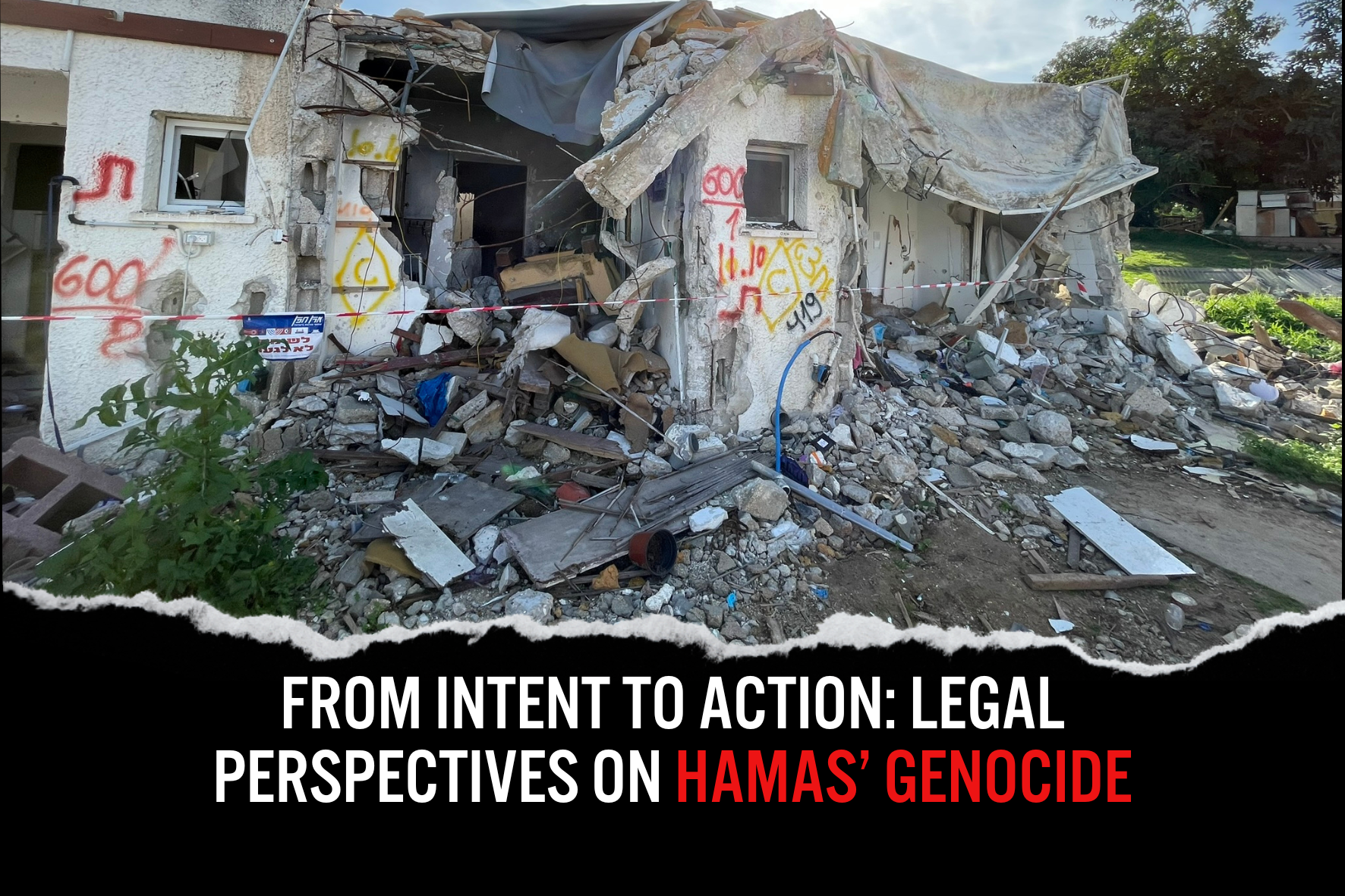
From Intent to Action: Legal Perspectives on Hamas’ Genocide
CONTENT WARNING: THIS REPORT CONTAINS EXPLICIT GRAPHIC CONTENT, INCLUDING IMAGES AND DESCRIPTIONS OF KILLINGS, SEXUAL VIOLENCE, AND OTHER FORMS OF EXTREME VIOLENCE, WHICH MAY BE DISTURBING OR TRIGGERING TO SOME READERS
This report provides a comprehensive analysis of the October 7, 2023, attacks perpetrated by Hamas and other terrorist organizations, arguing that these acts fulfill the criteria to be considered genocide under international law. The document outlines the historical context of the Genocide Convention of 1948, emphasizing the legal definition of genocide and its codification in international law, particularly under the Rome Statute of the International Criminal Court (ICC).
In this report meticulously details the background, entities involved, and the horrifying acts of October 7, focusing on the systematic attacks by Hamas and other Palestinian armed groups against Israeli nationals, resulting in over 1,200 deaths and numerous acts of violence, including rape, mutilation, and kidnapping. It argues that these acts satisfy the physical element (actus reus) of genocide, including killing members of a group, causing serious harm, and imposing measures intended to prevent births within the group.
Furthermore, it elaborates on the mental component (dolus specialis) required for genocide, highlighting how speeches and actions by Hamas’ most influential leaders before and after the attacks evidence genocidal intent. The report discusses individual and state responsibility for genocide, noting the role of the ICC, the International Court of Justice (ICJ), and the application of universal jurisdiction in prosecuting such crimes. It also addresses the Palestinian Authority's complicity through financial incentives for terrorists (the "Pay for Slay" policy) and public endorsements of the attacks.
The report concludes by underscoring the necessity of recognizing and naming the crime committed on October 7 as genocide in accordance with legal standards and the evidence presented. It calls for accountability through international legal mechanisms to address and prevent such atrocities in the future.

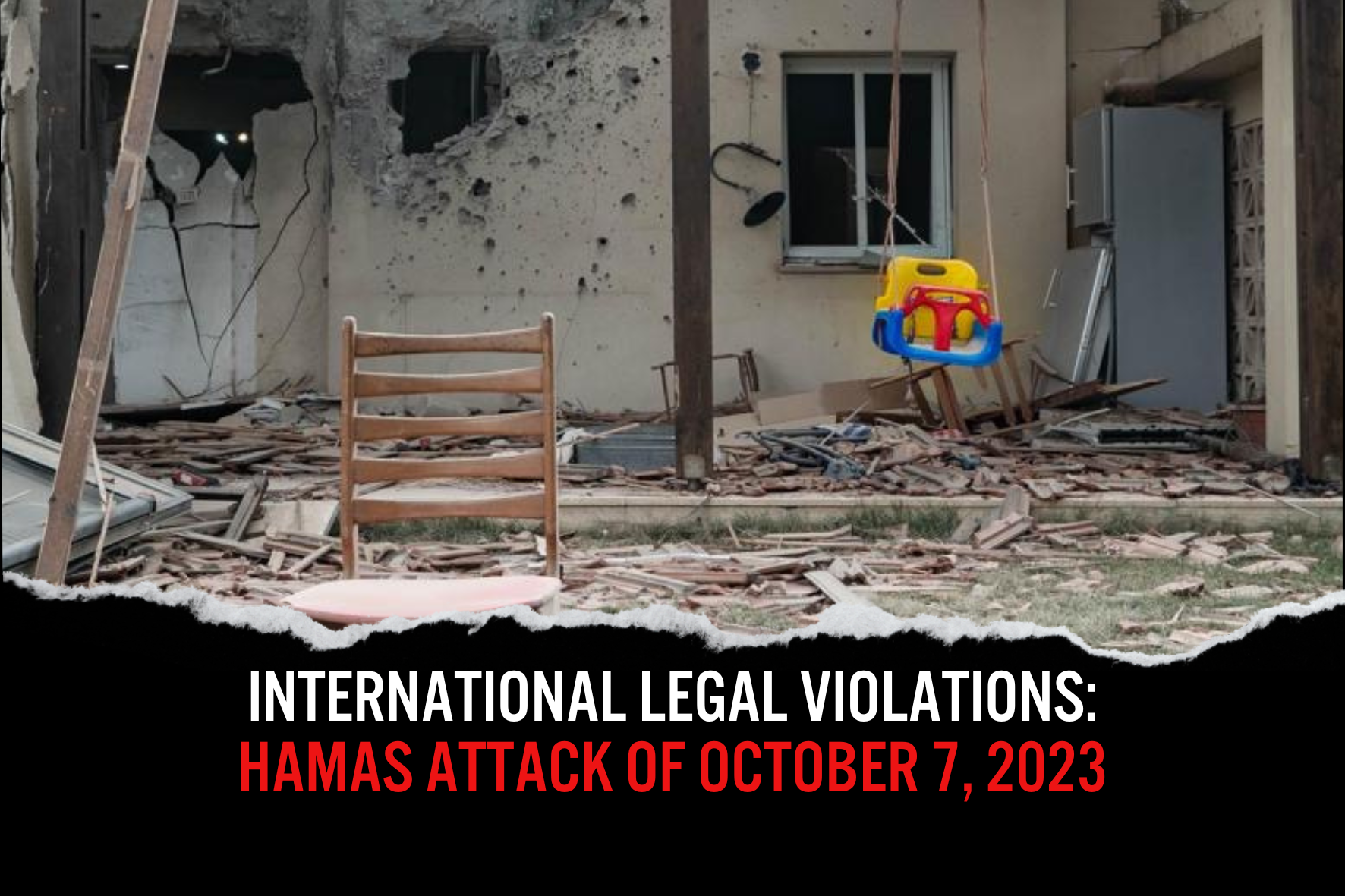
International Legal Violations Hamas Attack of October 7, 2023
CONTENT WARNING: THIS REPORT CONTAINS EXPLICIT GRAPHIC CONTENT, INCLUDING IMAGES AND DESCRIPTIONS OF KILLINGS, SEXUAL VIOLENCE, AND OTHER FORMS OF EXTREME VIOLENCE, WHICH MAY BE DISTURBING OR TRIGGERING TO SOME READERS
This report delineates several instances of international human rights law (IHRL) and international humanitarian law (IHL) violations perpetrated by Hamas and other Palestinian terrorist groups on October 7, 2023. The instances of violations presented herein are not exhaustive and constitute only a partial representation of the atrocities perpetrated during the mentioned
period.
The comprehensive evidence in this report unequivocally establishes the October 7th attack by Hamas and other Palestinian armed groups as a severe violation of fundamental international laws and basic human principles. Though only a fraction of the transgressions committed, the atrocities detailed herein affirm the breach of specific International Humanitarian Law (IHL) and International Human Rights Law (IHRL) rules.
Considerable efforts by states, human rights defenders, international organizations, civil society, and others have been invested in establishing bodies and mechanisms, particularly within the United Nations, to uphold international law and ensure accountability for those who violate it. These UN mechanisms must be leveraged to address the atrocities of October 7th.
In light of the above, we urge the implementation of all available actions to address the human rights and humanitarian law violations outlined in this document, along with the following specific measures:
-
- 1- Advocate and activate accountability measures for the atrocities committed and raise awareness about the documented violations, both within the United Nations system and globally, and to garner support for preventive and accountability measures.
- 2- Report the findings to the relevant bodies, including those of the United Nations. Implementation of preventive measures to deter future violations, such as increasedmonitoring, diplomatic pressure, and peacekeeping efforts, to mitigate the risk of further human rights abuses.
- 3- Monitor the situation closely, providing regular updates and follow-up reports to assess the progress made in addressing the documented violations and implementing accountability measures.
The acts committed on October 7th represent the gravest violations of basic human rights, demanding urgent intervention and unwavering commitment to justice.
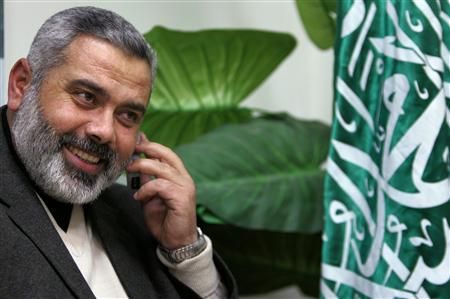
Hamas & the International Human Rights Law
This paper first determined that Hamas, as a quasi-state actor, is bound by International Human Rights Law (IHRL). Not only is the purpose of IHRL served by applying it to all international actors, but international law affirmatively obligates in particular quasi-state actors—entities that have significant control and influence over a population—to comply with IHRL. Second, this paper discussed statehood under international law and the consequences should a terrorist organization become the governing entity of a recognized state, including granting immunity to terrorist leaders, justifying terrorism, and undermining the international community’s ability to firmly and decisively combat terrorism.