
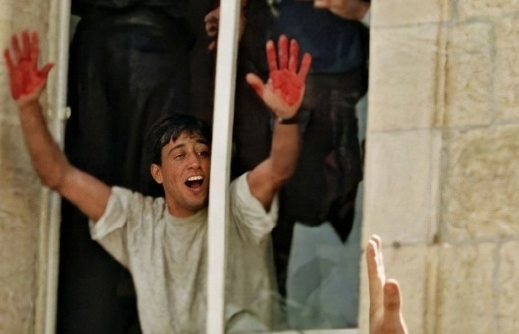
Gaza After Hamas
GAZA AFTER HAMAS:
THE PALESTINIAN AUTHORITY`S CAPACITY TO GOVERN
Despite the Palestinian Authority’s historical support for armed struggle against Israel, the PA’s steadily eroding legitimacy among the Palestinian public, and deep Israeli distrust, alongside the absence of a stable and strong alternative leadership and the PA’s response to the October 7 massacre, international discourse around the potential involvement of the Palestinian Authority in the Gaza Strip is growing. Some in the international community consider the PA the most legitimate potential actor to govern Gaza because the PA is the internationally recognized governing body of the Palestinian people through the Palestinian Liberation Organization (PLO) and the Oslo Accords. In their view, the PA is also the only Palestinian institution with pre-established ministries, security structures, and donor-backed administrative capacity to run the Strip effectively.
However, to be accepted on an international level (specifically according to the terms of the United States and Trump) as a candidate for the governance of the Gaza Strip, it must undergo verifiable reform on three main fronts: the elimination of the “Pay-for-Slay” fund, the eradication of indoctrinatory educational systems, and the establishment of stable government structures and cooperative leadership.

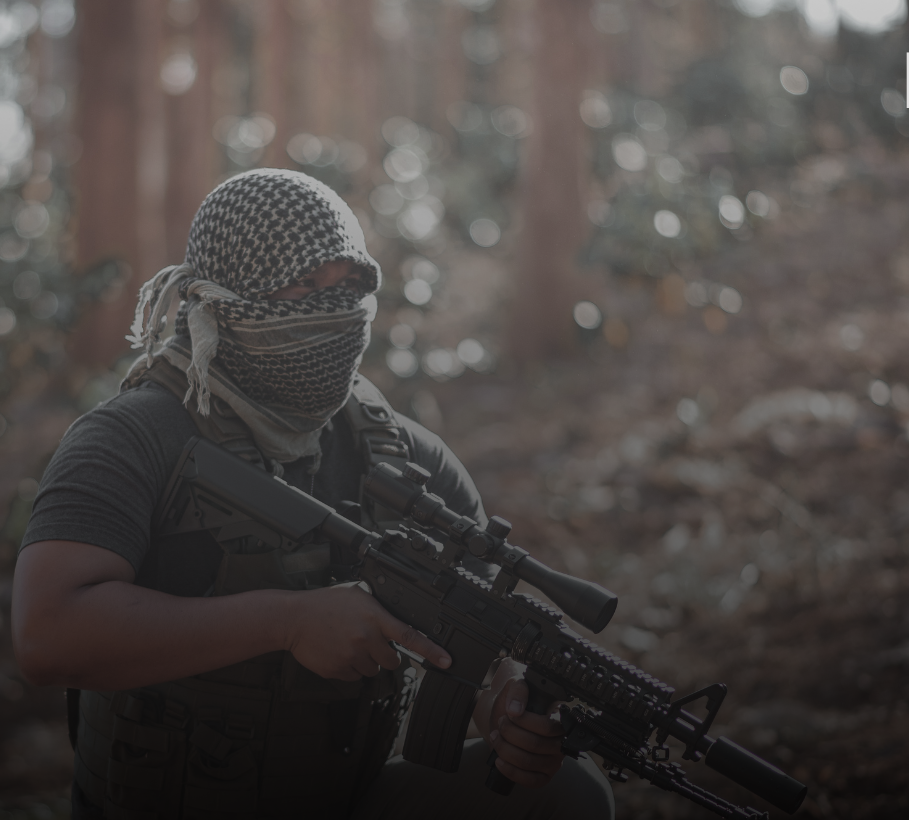
What will come of the recent escalation in the West Bank?
Last week, rockets were fired from Jenin, in the West Bank, toward Israel for the first time in 18 years. This week, Israel launched its biggest operation in the West Bank in decades. Tension and violence are escalating between Israel and the Palestinians in the West Bank, but what is the cause, and what does this mean in the larger question of the Israeli-Palestinian conflict?
The Israeli military operation in Jenin is a counter-terrorism campaign that is mainly a response to a string of terrorist attacks in recent weeks. On June 19, Israel launched a raid in Jenin in search of several Palestinian terrorists planning attacks in Israel, and they were quickly met with armed resistance (Lynfield, “Israeli Forces launch raid in Jenin”).
A day after this, on June 20, two Palestinians killed four Israelis at a settlement near Nablus, in the West Bank. Palestinian terrorist group Hamas, which operates out of Gaza, claimed responsibility for the gunmen (Gritten, Four Israelis killed by Palestinian gunmen”).
Four days later, on June 24, another terrorist, claimed to be a member of the Al-Aqsa Martyrs Brigade, opened fire on Israeli soldiers at the major checkpoint connecting Ramallah and East Jerusalem (Fabian, “Shooting at checkpoint near Jerusalem”). The Al-Aqsa Martyrs Brigade is the military wing of Fatah, a Palestinian political group which lost the only election, in 2006, to Hamas but still has power in the West Bank.
Now, this week, after mounting tensions in the region, Israel has launched its biggest operation in the West Bank in two decades. Israel has announced that this counter-terrorism operation is to destabilize terrorist groups in the West Bank which have become too comfortable and too dangerous.
The operation has involved numerous drone strikes and an armed brigade on the ground, targeting terrorist hot spots in Jenin and in the refugee camp in the city. Israel has claimed that this operation is not aimed at taking and holding territory (Mckernan, “Biggest West Bank incursion in 20 years”), but to disable terrorists from carrying out attacks on Israel.
These recent terrorist attacks, and the Israeli response, is a result of decades of conflict between Israel and the Palestinians. The two have never been able to agree on borders or on coexistence, sparking several wars and many operations. This recent violence is an extension of the historic conflict, but it is influenced by modern issues, and it is being fought between complex parties.
The Palestinians launch terrorist attacks against Israel because they do not want the Jewish state to exist in the land they view as theirs. Several of the groups that hold power and operate in Palestinian land are not interested in a political solution, and often refuse to negotiate with Israel. The groups responsible for the recent attacks, mainly Hamas and Fatah, both have military wings that operate in the West Bank, and specifically in Jenin.
The groups receive much of their funding from Iran and call for radical Israeli cessions to achieve peace. Hamas wants Israel to fall back to the pre-1967 borders, they want to grant all Palestinians the right of return, and they want what is now Israel to become an Islamic state. Of course, these demands are impossible, and they are used as an excuse for violence.
Since Israel, obviously, refuses to cooperate with Palestinian demands, terrorist groups have been able to grow and operate in Palestinian land. Terrorist groups have found a safe haven in the West Bank, and specifically in Jenin, and the most recent Israeli operation shows that Israel refuses to allow terrorists to operate in the region. If Palestinian authorities continue to foster these terrorist groups, Israel may continue to launch operations against them, escalating the conflict between the parties.
This operation, the biggest in twenty years, may be a sign of more to come between Israel, the Palestinian groups in the West Bank, and the Palestinians across the rest of the region.
By Ethan Wenger – JIJ Intern
REPORT OF THE “STATE OF PALESTINE”
Jerusalem Institute of Justice written submission
TO THE UN HUMAN RIGHTS COMMITTEE
ON THE REPORT OF THE “STATE OF PALESTINE”
Executive Summary
Press this link for the full report
The Jerusalem Institute of Justice (JIJ) submitted a report to the Human Rights Committee of the UN regarding Palestinian adherence to the International Covenant on Civil and Political Rights (ICCPR). JIJ’s report exposes inadequate law enforcement, incitement to violence, and acts of torture and inhumane treatment by the Palestinian government, directly contradicting Palestinian claims of compliance with international law.
The Human Rights Committee is a United Nations treaty body comprised of 18 international law experts tasked with ensuring that countries adhere to the International Covenant on Civil and Political Rights (ICCPR). Countries self-report their adherence to the treaty to legitimize their sovereignty and prove their benevolence. The State of Palestine used its report to deceive the international community and attack the State of Israel while claiming they uphold International Law.
Article 2 of the ICCPR prohibits discrimination. However, the Palestinian educational curriculum promotes violence, excludes peace education, and fosters a biased narrative. Palestinian textbooks legitimize violence, glorify terrorists, erase Israel from maps, and demonize Israelis. This indoctrination of violence among children has long-lasting effects and obstructs peace initiatives, and it can manifest itself in acts of terror perpetrated by children and adults. In the State of Palestine, terrorists are rewarded with glory. Their families receive a payment if the terrorist dies or is arrested; the price increases corresponding to the severity of the crimes. Alongside monetary incentives, terrorists are treated like martyrs. Summer camps where Palestinian children are trained to fight Israel through acts of violence are named after killed terrorists.
Article 6 of the ICCPR safeguards the right to life. The use of human shields by the Palestinian authorities is a grave violation of international humanitarian law and breaches Article 6. This concerning practice has been observed in various conflicts, including Operation Protective Edge and the March of Return protests. Moreover, evidence suggests the concealment of rocket production facilities, armories, and combatants in or near residential areas, further jeopardizing civilians and disregarding international norms.
Article 7 of the ICCPR prohibits torture and cruel treatment. However, the Palestinian authorities have a significant gap between their legal framework and practical enforcement in preventing such acts. The Committee Against Torture (CAT) has expressed concerns over incidents of torture and mistreatment in custody, including the lack of confidentiality in complaint handling and the insufficient independence of investigation bodies. Former detainees’ testimonies provide clear evidence of inhumane treatment, torture, denial of rights, and various forms of abuse. Arbitrary arrests and torture are used against Palestinians exercising their fundamental rights, like peaceful protests or criticizing the regime. These abuses appear to stem from higher authorities’ directives. From 2016 to 2021, the Palestinian Independent Commission for Human Rights received 4,279 claims. Palestinians commit these acts of torture onto Palestinians.
Article 20 prohibits war propaganda and advocacy for hatred; JIJ’s report highlights the notable discrepancy between the legal measures established by the Palestinian authorities and their practical enforcement. Despite legal restrictions, instances of incitement and hate speech persist. Palestinian television broadcasts content, such as the series “The Path of Sacrifice,” glorifying terrorists and their acts of terror. Social media platforms like TikTok and Telegram are also utilized to spread messages of hate and incitement, including simulated attacks by young children against Israeli soldiers. Palestinian leaders publicly encourage lone-wolf attacks and the procurement of weapons, fostering hatred instead of promoting peace. School textbooks and cultural events are utilized to propagate hate, as seen in a musical production featuring dancers in military attire glorifying combat against the perceived “enemy.”
Lastly, Article 24 safeguards the rights of children. Despite international laws protecting children’s vulnerability, Palestinian children continue to be recruited and involved in violent acts, including clashes, shootings, and stabbings. Organizations like Hamas run summer camps that promote aggression and hostility, jeopardizing these children’s safety, rights, and development. This perpetuates a culture of violence with far-reaching consequences for individuals and society.
Based on the information provided, JIJ recommends that the Human Rights Committee issue the following calls to the “State of Palestine”: expunge textbooks advocating violence and terrorism, adopt an internationally accepted definition of terrorism, cease financial support to terrorism, refrain from using human shields or concealing military targets in civilian areas, end the use of torture and ensure thorough investigations, discontinue the promotion of hatred and violence through media and social media platforms, and take measures to prevent the recruitment of children in hostilities and protect their rights. These recommendations aim to promote peace, tolerance, and the protection of human rights.
REPORT OF THE “STATE OF PALESTINE”
Jerusalem Institute of Justice written submission
TO THE UN HUMAN RIGHTS COMMITTEE
ON THE REPORT OF THE “STATE OF PALESTINE”
Executive Summary
Press this link for the full report
The Jerusalem Institute of Justice (JIJ) submitted a report to the Human Rights Committee of the UN regarding Palestinian adherence to the International Covenant on Civil and Political Rights (ICCPR). JIJ’s report exposes inadequate law enforcement, incitement to violence, and acts of torture and inhumane treatment by the Palestinian government, directly contradicting Palestinian claims of compliance with international law.
The Human Rights Committee is a United Nations treaty body comprised of 18 international law experts tasked with ensuring that countries adhere to the International Covenant on Civil and Political Rights (ICCPR). Countries self-report their adherence to the treaty to legitimize their sovereignty and prove their benevolence. The State of Palestine used its report to deceive the international community and attack the State of Israel while claiming they uphold International Law.
Article 2 of the ICCPR prohibits discrimination. However, the Palestinian educational curriculum promotes violence, excludes peace education, and fosters a biased narrative. Palestinian textbooks legitimize violence, glorify terrorists, erase Israel from maps, and demonize Israelis. This indoctrination of violence among children has long-lasting effects and obstructs peace initiatives, and it can manifest itself in acts of terror perpetrated by children and adults. In the State of Palestine, terrorists are rewarded with glory. Their families receive a payment if the terrorist dies or is arrested; the price increases corresponding to the severity of the crimes. Alongside monetary incentives, terrorists are treated like martyrs. Summer camps where Palestinian children are trained to fight Israel through acts of violence are named after killed terrorists.
Article 6 of the ICCPR safeguards the right to life. The use of human shields by the Palestinian authorities is a grave violation of international humanitarian law and breaches Article 6. This concerning practice has been observed in various conflicts, including Operation Protective Edge and the March of Return protests. Moreover, evidence suggests the concealment of rocket production facilities, armories, and combatants in or near residential areas, further jeopardizing civilians and disregarding international norms.
Article 7 of the ICCPR prohibits torture and cruel treatment. However, the Palestinian authorities have a significant gap between their legal framework and practical enforcement in preventing such acts. The Committee Against Torture (CAT) has expressed concerns over incidents of torture and mistreatment in custody, including the lack of confidentiality in complaint handling and the insufficient independence of investigation bodies. Former detainees’ testimonies provide clear evidence of inhumane treatment, torture, denial of rights, and various forms of abuse. Arbitrary arrests and torture are used against Palestinians exercising their fundamental rights, like peaceful protests or criticizing the regime. These abuses appear to stem from higher authorities’ directives. From 2016 to 2021, the Palestinian Independent Commission for Human Rights received 4,279 claims. Palestinians commit these acts of torture onto Palestinians.
Article 20 prohibits war propaganda and advocacy for hatred; JIJ’s report highlights the notable discrepancy between the legal measures established by the Palestinian authorities and their practical enforcement. Despite legal restrictions, instances of incitement and hate speech persist. Palestinian television broadcasts content, such as the series “The Path of Sacrifice,” glorifying terrorists and their acts of terror. Social media platforms like TikTok and Telegram are also utilized to spread messages of hate and incitement, including simulated attacks by young children against Israeli soldiers. Palestinian leaders publicly encourage lone-wolf attacks and the procurement of weapons, fostering hatred instead of promoting peace. School textbooks and cultural events are utilized to propagate hate, as seen in a musical production featuring dancers in military attire glorifying combat against the perceived “enemy.”
Lastly, Article 24 safeguards the rights of children. Despite international laws protecting children’s vulnerability, Palestinian children continue to be recruited and involved in violent acts, including clashes, shootings, and stabbings. Organizations like Hamas run summer camps that promote aggression and hostility, jeopardizing these children’s safety, rights, and development. This perpetuates a culture of violence with far-reaching consequences for individuals and society.
Based on the information provided, JIJ recommends that the Human Rights Committee issue the following calls to the “State of Palestine”: expunge textbooks advocating violence and terrorism, adopt an internationally accepted definition of terrorism, cease financial support to terrorism, refrain from using human shields or concealing military targets in civilian areas, end the use of torture and ensure thorough investigations, discontinue the promotion of hatred and violence through media and social media platforms, and take measures to prevent the recruitment of children in hostilities and protect their rights. These recommendations aim to promote peace, tolerance, and the protection of human rights.

Does Humanity End at the Border?
In a world where oppression and punishment are a means of securing power, respect for human life becomes scarce and is replaced by inhumanity and suffering. But do we really know what is happening on the other side of Israel's border?
Imagine that you and your family live somewhere in the West Bank. One day, you discover that a child is about to be used as a suicide bomber to blow up a bus. A desire to do everything possible to prevent a child from becoming a suicide bomber and averting the death of many innocent people is a natural response for you and me. However, under the Palestinian Authority (PA), this response would be grounds for receiving a life sentence and thus commences a nightmare. Because you have tried to stop a fatal attack, you will be arrested and all the people around you will pay a price.
First, it starts with your child. Let’s say your child was born prematurely and she needs to remain in an incubator that provides an environment that allows her to properly mature.
However, because the PA operates like a machine of terror; cruel and creative forms of inhumane acts are implemented against individuals as a form of punishment. And for this reason, because you saved innocent people, the PA decided not to give your child the necessary treatment and they expel your child from the hospital. Consequently, an innocent child is severely handicapped not only physically but also psychologically for all her life. Still, the punishment goes on.
You might be imprisoned and subjected to many different types of torture, such as being tied to a post and beaten until losing consciousness, burnt with cigarettes, having boiling and cold water thrown on you, having your nails and teeth ripped out, being electrocuted and deprived of sleep and food. The methods of torture are endless. This is not a nightmare or fiction, but rather the reality of many Palestinian citizens who oppose the politics of the PA or take a stand against acts of terror. This is one of the many real cases that occurred under the PA regime which JIJ has documented and reported.
Palestinian security forces systematically inflict ill-treatment and torture on their citizens as a form of government policy, cruelly disrespecting human rights. The PA speaks worldwide, appealing for the rights of the Palestinians and their territories, but it is the PA who violates the rights of its own citizens by secretly shedding blood and putting in place an oppressive machine to destroy all who disagree with their acts.
The Oslo Agreement was signed in September 1993 by the State of Israel and the Palestine Liberation Organization (PLO). The Palestinian Authority (PA) was then created in 1994 to govern the Gaza Strip and the West Bank (areas A and B). However, the Palestinians have not complied with the provisions of the treaty. Violent clashes broke out between the two Palestinian factions: Hamas and Fatah following the January 2006 Palestinian Legislative Council (PLC) elections. Thus, in 2007, Hamas lost its ruling position in the West Bank, being replaced by Fatah and independent members. Hamas, in turn, expelled Fatah from Gaza and retained control of that area. This division resulted in two separate administrations: the Palestinian Authority, led by Fatah under Mahmoud Abbas controlling the West Bank; and control of the Gaza Strip by Ismail Haniyeh, Hamas's leader. These groups have since then exercised effective control over everything that happens in those regions.
Palestinian witnesses reported and described the abuses that the PA had perpetrated against them, including abduction, imprisonment, torture, and rape. The PA reportedly murdered and illegally detained many of their citizens intentionally and premeditatedly to intimidate its civilians.
This is condemned by international criminal law. A crime against humanity is characterized as any of the atrocious acts indicated in art.7 of the Rome Statute, committed in the framework of a widespread or systematic attack against the civilian population, with knowledge of that attack. Thus, illegal acts include sexual assault, torture, murder, kidnapping, and imprisonment.
The international legal standard of general human rights must be met by all governments and regimes in order to ensure peace, prosperity and the welfare of individuals. It falls upon society as a whole to prevent crimes against humanity from occurring. Therefore, the best definition of international crimes is that which contemplates the idea of acts performed by states or individuals, and that violate principles and rules that protect values to which humanity attaches great importance. According to the Rome Statute, crimes against humanity can occur in times of war or peace. In this article, it is clear what the elements of the crime are. First, a physical element is required, such as murder, imprisonment, torture and other inhumane acts. The second element is contextual, meaning a crime is committed as part of a widespread ("large-scale nature of the attack, which should be massive, frequent, carried out collectively with considerable seriousness and directed against a multiplicity of victims") or systematic attack directed at any civilian population ("the organized nature of the acts of violence and the improbability of their random occurrence"). This means that there have to be numerous threats in a geographical area and that the violence has to follow a methodical approach. Finally, the crime must be committed with the knowledge of an attack, that is, the mental element. Beyond all these elements, crimes against humanity occur only when they are committed for the sake of a state or political organization.
In these terms, it is considered that the PA violated the human rights of its citizens by murdering, imprisoning, torturing, and kidnapping them. These acts were carried out in a judicious, organized and frequent manner to a multitude of victims, under a large-scale attack.
Palestinian citizens experienced severe physical and mental pain and suffering, which was premeditated and calculatedly caused by their leaders to oppress them and to preserve positions of leadership in both territories. This violates international human rights law. The PA controls both the police and the military as well as the courts themselves, so nothing is done to help Palestinian citizens within the West Bank. This is a cycle of violence, repression, and misery for the victims, their families, the entire Palestinian people, and potentially even their regional neighbors. Palestinian leaders must realize that because they have signed and agreed to treaties such as the Rome Statute, they are legally obligated to prevent cruel acts against their own people.
On this matter, the Jerusalem Institute of Justice has already submitted several communications to the Office of the Prosecutor (OTP) of the International Criminal Court (ICC) regarding crimes against humanity committed by Palestinian leaders, such as murder, imprisonment and torture, respectively, against Palestinian civilians.
Crimes against humanity are serious violations of international law. It is time to take responsibility, we must not only point the finger at the culprits of these atrocities but also at the supporters and spectators who become accomplices. The real victims of this war are the Palestinian citizens who are cynically exploited as political pawns.