
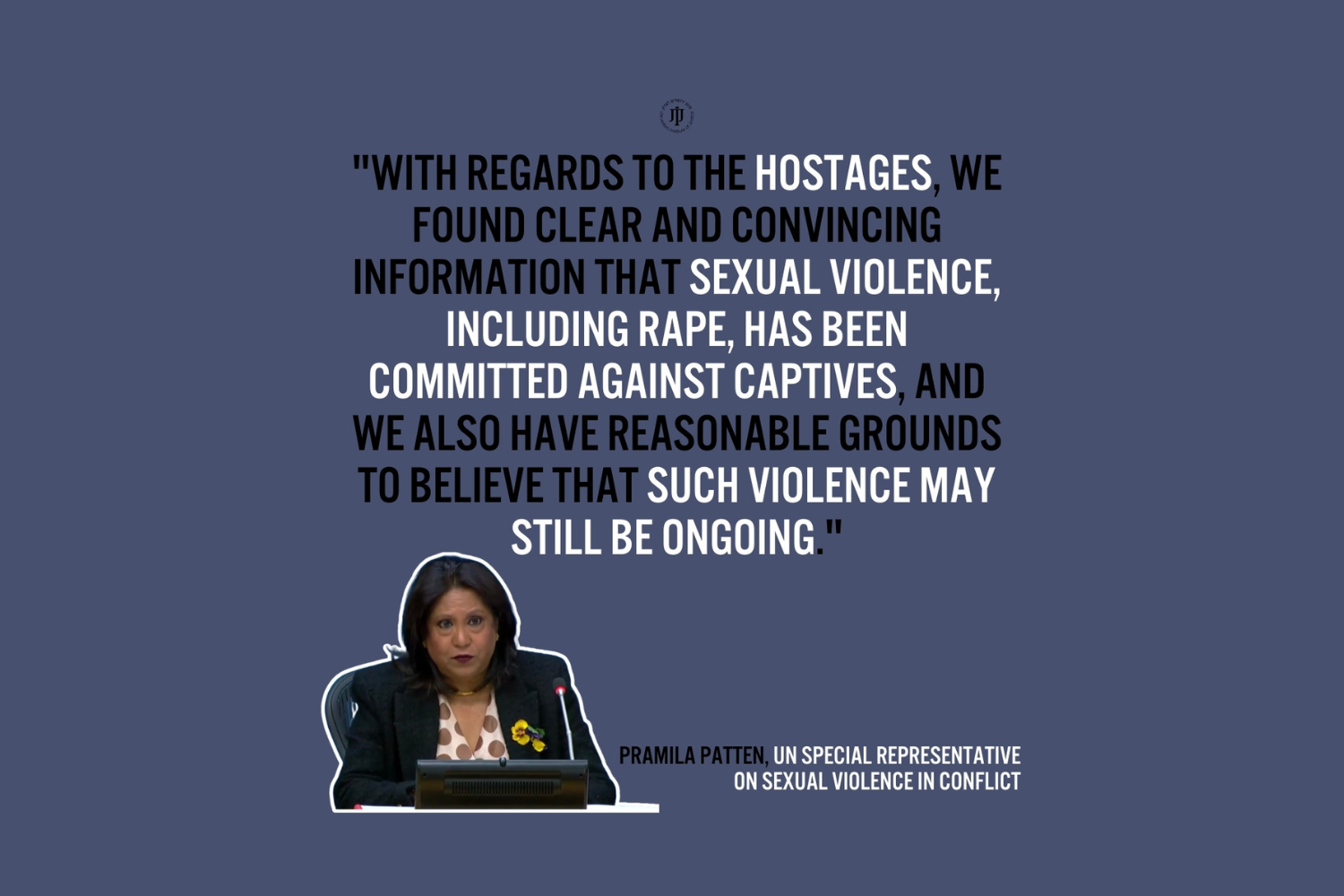
United Nations admits Hamas committed sexual violence on and after Oct. 7
Pramila Patten, a senior UN official, came to Israel a month ago with a mandate to gather information on claims that Hamas terrorists had committed rape and other acts of sexual violence against Israeli women and men on October 7th. Her trip came after months of conspicuous silence on the matter from UN Women, and appalling statements from other UN officials that amounted to gaslighting and atrocity denial.
JIJ’s team of human rights lawyers and researchers met with Patten's team on February 8th. We presented detailed testimony and gruesome photographs taken by first responders who had handled the bodies of the October 7th victims. Watch their public testimony HERE.
JIJ has UN consultative status, which gives us access to senior U.N. officials at critical moments like this. We chose to bring forth the evidence we had collected, for the sake of the murdered victims and living survivors who are still too traumatized for an invasive interrogation.
On Monday, Ms. Patten published her report, finding:
- “Reasonable grounds to believe that sexual violence occurred in multiple locations during the October 7th attacks, including rape and gang rape”
- “The recurring pattern of female victims found undressed, bound, and shot”
- “Clear and convincing information that sexual violence, including rape, sexualized torture, and cruel, inhuman and degrading treatment occurred against some women and children during their time in captivity and … that this violence may be ongoing."
Read the full report HERE.
This is a rare and valuable admission from a senior UN official, that Hamas intentionally used sexual violence as a weapon of war. This rare moment of truth-telling wouldn’t have come without your support.
JIJ does the painstaking work of collecting, interpreting, and presenting the evidence of human rights abuses in Israel and the Middle East. Our goal is to combat atrocity denial, fight for justice for the victims, validate the memories of the living survivors, and hold the perpetrators accountable.
We do this work within the UN, which has utterly failed so far to contend with reality:
- The UN General Assembly has refused to condemn Hamas.
- The UN Security Council still hasn’t recognized Hamas as a terrorist organization.
- The UN "Human Rights Council" was in session on October 7th and chose silence.
- Despite overwhelming evidence, most UN officials still refuse to acknowledge the atrocities committed on Oct 7.
With your support, we’ll continue standing up for Israel inside the UN system, fighting to release the captives, defund Hamas, and secure justice for all of Hamas’ victims.

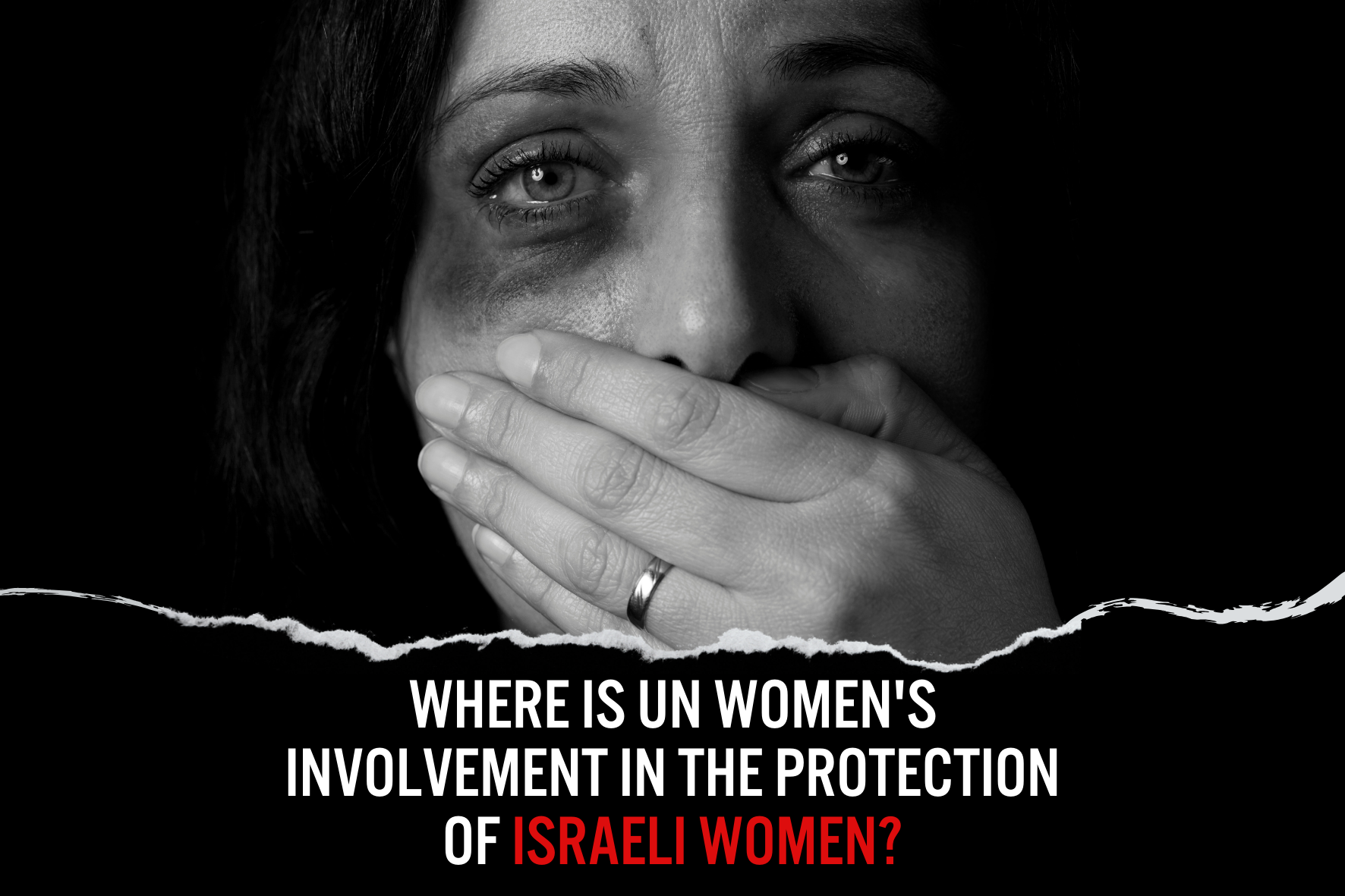
Where is UN women's involvement in the protection of Israeli women?
Date: October 30, 2023
To:
Sima Bahous
Executive Director of UN Women
220 E 42nd St, New York, NY 10017, United States
Dear Executive Director Bahous,
We write to you with deep concern about the situation in the region and, more specifically, to urgently request UN Women's intervention to safeguard the rights and well-being of all women and girls, including those who have been attacked, raped, kidnapped, and murdered by Hamas and other Palestinian armed groups.
The statement by UN Women on October 13th, though appreciated, appears to fall short in fully addressing and safeguarding the rights and well-being of victims who have endured significant hardships in recent events. Our primary concern is the perceived bias in the statement and its omission of acknowledgment regarding the many women and girls in Israel who have suffered due to the atrocities committed by Hamas and other Palestinian armed groups.
We wholeheartedly support UN Women's commitment to the well-being of Palestinian women. However, it is essential that this commitment is not one-sided.
The acts of terror by Hamas against hundreds of women and girls are truly horrific. These ruthless actions include ripping open the belly of a pregnant woman and beheading her unborn child, slaughtering, raping, burning, beheading, and mutilating Israeli women and girls, and burning women and girls alive. Moreover, several women and girls were kidnapped and are still today being held hostage in the Gaza Strip.
It is imperative that UN Women’s mission embraces the well-being of all women and girls, without exception. We, therefore, strongly urge you to take immediate and decisive action to protect and provide unwavering support to the countless women and girls who have suffered at the hands of Hamas and other Palestinian terrorist groups.
Where is UN women's involvement in the protection of Israeli women?
Date: October 30, 2023
To:
Sima Bahous
Executive Director of UN Women
220 E 42nd St, New York, NY 10017, United States
Dear Executive Director Bahous,
We write to you with deep concern about the situation in the region and, more specifically, to urgently request UN Women's intervention to safeguard the rights and well-being of all women and girls, including those who have been attacked, raped, kidnapped, and murdered by Hamas and other Palestinian armed groups.
The statement by UN Women on October 13th, though appreciated, appears to fall short in fully addressing and safeguarding the rights and well-being of victims who have endured significant hardships in recent events. Our primary concern is the perceived bias in the statement and its omission of acknowledgment regarding the many women and girls in Israel who have suffered due to the atrocities committed by Hamas and other Palestinian armed groups.
We wholeheartedly support UN Women's commitment to the well-being of Palestinian women. However, it is essential that this commitment is not one-sided.
The acts of terror by Hamas against hundreds of women and girls are truly horrific. These ruthless actions include ripping open the belly of a pregnant woman and beheading her unborn child, slaughtering, raping, burning, beheading, and mutilating Israeli women and girls, and burning women and girls alive. Moreover, several women and girls were kidnapped and are still today being held hostage in the Gaza Strip.
It is imperative that UN Women’s mission embraces the well-being of all women and girls, without exception. We, therefore, strongly urge you to take immediate and decisive action to protect and provide unwavering support to the countless women and girls who have suffered at the hands of Hamas and other Palestinian terrorist groups.
An appeal to the UN for Women's Rights
Article originally published at the Jerusalem post here
“Do not degrade your daughter by making her a prostitute, lest the land fall into prostitution and the land become full of depravity.” Leviticus 19:29
The fight for women's empowerment and equality is ongoing, and as we embrace technological advancements, we must remain vigilant of the risks that women face. The Jerusalem Institute of Justice (JIJ) calls for the United Nations Commission on the Status of Women to adopt the Nordic model in the fight against prostitution, as part of a broader strategy to tackle sex trafficking and prostitution in all its forms.
I am proud to lead an organization that for over 14 years, has been at the forefront of the battle against the sex trade in Israel. Developing policies, educating the public, and collaborating with communities and media platforms to promote the abolition of the sex trade. Our efforts have resulted in the adoption of the Nordic model in Israel, and today we urge the international community to follow suit.
As the 67th Session of the Commission on the Status of Women focuses on innovation and technological change, we must not forget the dangers that these advancements pose to women and girls. Internet prostitution has become a rising threat to their safety. Traffickers are increasingly using social media platforms like Facebook, Instagram, and Tinder as recruiting tools, driving the rise of prostitution. In Israel, Tinder is the most popular tool for finding persons engaged in the purchase and sale of sex.
Prostitution is a system that promotes violence, objectification, and degradation of women and men. The Nordic model fines those guilty of consuming prostitution, and it is classed as a civil offense. The law also provides education and support services to those in the sex trade. Decriminalizing the prostituted person acknowledges that the industry is not freely chosen, and that the prostituted person is the victim of economic and sexual exploitation at the hands of the procurer and buyer of sexual services.
This model's ultimate aim is to abolish the sex industry, and this can only be achieved by criminalizing the buyers of sex, as that will lead to a drastic reduction in demand. However, the evolution of internet prostitution requires governments to develop even more comprehensive strategy-based solutions to protect potential victims from predators. The Prohibition on Consuming Prostitution Act, passed by the Israeli Parliament in December 2018, presents a vision for a holistic approach that focuses not only on prohibiting paying for sex but also on educating the public about the dangers of the sex industry and by providing the opportunity for rehabilitation through governmental funding. The law also offers educational group sessions for the buyers aimed at changing their opinions and curbing recurrent infractions.
The Israeli law offers a blueprint for other countries to follow in the fight against prostitution. The rise of online prostitution through platforms like Onlyfans, which has emerged as the top platform worldwide for creators to sell erotic content, must be stopped. Masked as a social network that sells content and art, Onlyfans is just a simple way for sex to be sold for money on the internet. A third of users advertising explicitly sexual images on Twitter are underage.
The fight for women's rights and dignity is an ongoing battle that requires continuous effort and innovative strategies to overcome the challenges posed by technological advancements. The Jerusalem Institute of Justice's global call for the adoption of the Nordic model in the fight against prostitution and sex trafficking is a step in the right direction. It is time for governments worldwide to take action and work towards abolishing the sex industry and protecting the human rights of all individuals from violence, objectification, and exploitation.
Flavia Sevald, CEO
Jerusalem Institute of Justice

Prostitution and Rehabilitation
Can we welcome the closure of the strip clubs while the women are thrown to the street?
Closing strip clubs is an important step, but as is common here, only half the job has been done!
Article by Tzipi Sa’ar translated from Hebrew 19.02.2020 12:13, Haaretz newspaper.
The closure of strip clubs in Tel Aviv is great news. We are finally recognizing that buying a woman’s body for sexual purposes is an act that disgraces women and is a phenomenon that should be eradicated from this world. At the same time, it is impossible to ignore that, as is common here, only half the work has been done. The clubs were closed, but the women working there were offered no professional retraining or alternative livelihood as options. As a result, some of the women, although supporting the closure of the clubs in which they worked, also protested these very closures.
We cannot and must not ignore their voices. This does not mean that stripping should continue, but that eliminating this practice must be accompanied by adequate steps in favor of the women who happened to get trapped into such reality.
First of all it should be clear: as long as there is legitimacy for a situation where a woman’s body, or parts of it, are currency or a commodity for a merchant, it is impossible to fundamentally change the existing culture that, in this context, may move within a range between objectification - to rape- or even to murder by a spouse. A commodity is considered property that is owned and this “ownership” by men - of women - fundamentally underlies the ills noted here. According to this twisted logic, a woman who wants to leave her spouse violates his “property rights”. This conflict sometimes, in extreme cases, ends in the murder of the wife.
As for stripping, to a large extent, it is nothing but prostitution in disguise. In a discussion in the Knesset’s Committee of the Promotion of Woman Status, a survivor of prostitution testified stating, “Stripping is like a teaser for advertising prostitution. Because whoever likes the dancer is allowed to take her to a private room and, for a fee, gets a sexual service there. You feel as if you are in a store with price tag on you. Those who are better dancers, of course, have a higher price tag.”
According to a document submitted to the committee, “For many young women, strip clubs serve as the gateway to the world of prostitution. While lap-dancing on a customer’s knees in the back rooms or at other locations within the strip club, the young women are required to satisfy their clients’ sexual needs and demands. They also must allow the customer to touch their body parts. To cope, they detach themselves from who they are, from their consciousness, and in particular from their feelings about what happens with their bodies. Strip clubs serve as a cover for brothels, where sexual acts - complete or partial - between clients and women are performed under the auspices, encouragement and support of club owners who in this manner make fortunes.”
The Jerusalem Institute of Justice (JIJ) research has shown similar findings as well. A JIJ position paper cites Judge Michal Agmon Gonen, who imposed a ban on the operation of strip clubs in the Ramat Gan Stock Exchange area, as stating that strip clubs are an integral part of the sex industry. The study further says that, while hiding behind different phrases, for all intents and purposes, strip clubs operate as brothels and the only difference between the two seems to be the social approval of the strip clubs in contrast to the disgrace that brothels carry.
The judge wrote, “Strip clubs are used to systemically hurt women and the difference from brothels is definitely artificial.” This contrived difference needs to be eliminated. One can also hope that more and more men will understand what stripping really is and reject, for example, an invitation to a “bachelor party” with a stripper. In this spirit, and with an administrative warrant, the police closed three strip clubs in Tel Aviv last month. They were following the instructions of former state attorney Shai Nitzan which include a definition of lap-dancing as a form of prostitution and therefore clubs allowing lap dancing are operating a brothel which is a criminal offense.
But what about the argument of some women who engage in stripping, and even prostitution, who say they engage in these activities voluntarily? Well, here we have compelling data regarding the personal harm to prostitutes that is impossible to ignore: the early age of entry into prostitution (14), the high rate of women in prostitution who were victims of childhood sexual abuse (about 90%), the horrendous short life expectancy of women in prostitution (40 years), and more.
Still, some would say, “Who authorized you to decide for other women what is good for them? And what about those women who do it voluntarily?” Well, we accept that among women in stripping and maybe even prostitution there are those who choose it freely, however, these examples represent a very small minority. When the harm of “freedom of occupation” is compared with the bitter and harsh fate of the vast majority of women trapped in stripping and prostitution - it is clear what decision is needed to be made.
As a comparison, there are other forms of restricted behavior. There are some individuals who would choose to sell a kidney on the black market to support their family or to cover a major debt. Society draws a red line here and says this activity is not moral and is therefore not allowed. The fact that society does not generally draw a similar red line in the context of a sex sale is simply an indication of a moral failure and an issue that requires redress.
After all the above, under no circumstances should women in prostitution or stripping be abandoned to their fate. These welcomed changes in law and enforcement must be accompanied by comprehensive and practical programs designed to help these women find alternative ways to make a living. This must not be lip service only. One cannot cheer for strip clubs being closed while watching the women being thrown to the street. The truth is that the government approved a plan for prostitution rehabilitation over a year ago, but according to a petition submitted in the end of 2019, this program is not yet implemented. We, as the people who support the eradication of this practice, should be the first to demand the immediate and comprehensive implementation of these rehabilitation strategies.
Palestinian Women Group against Arab Women Rights
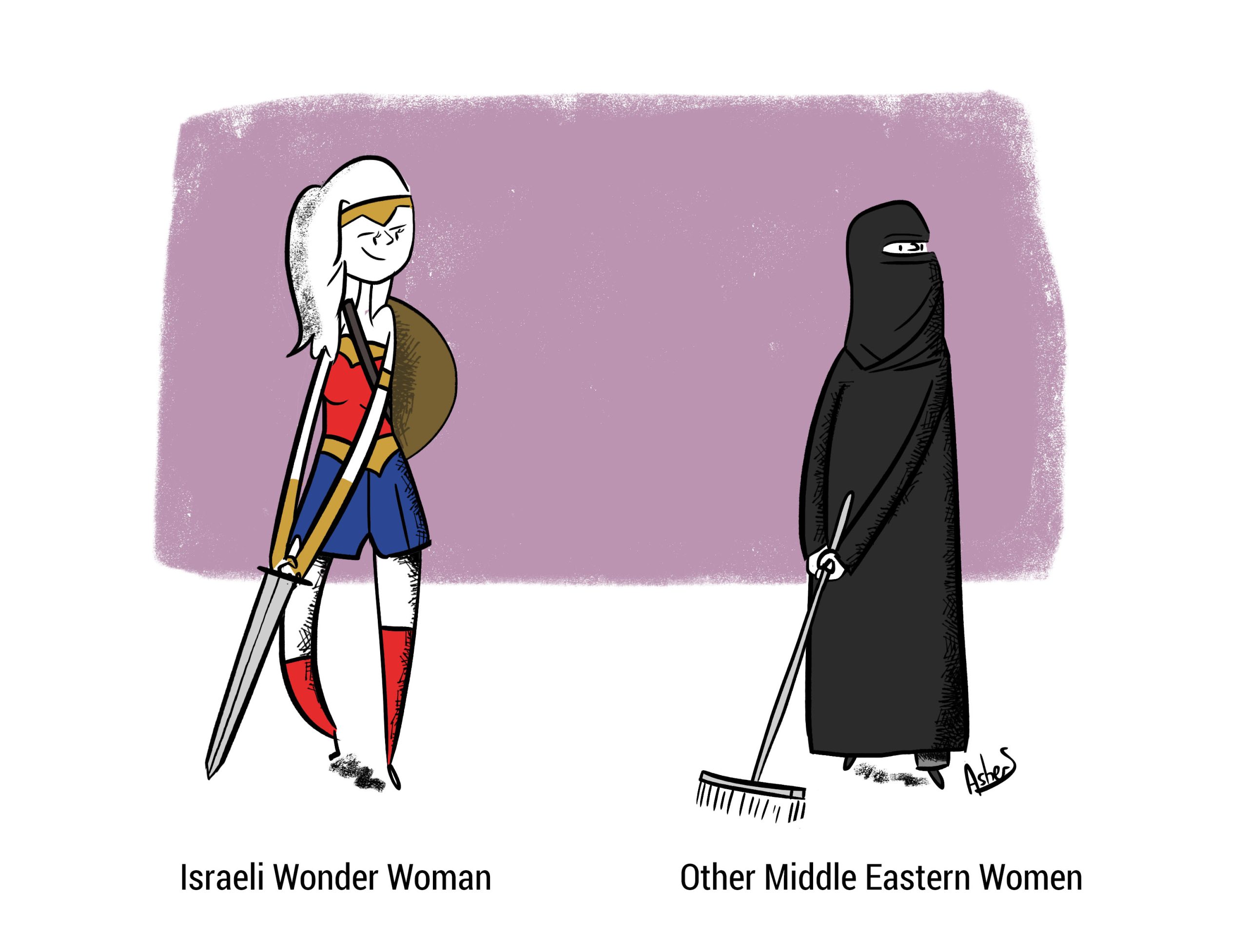
The Culture and Free Thought Association (CFTA) is a Palestinian NGO situated in Khan Younis, a city in the southern Gaza Strip. Their vision statement reads: “CFTA aspires to be a leading organizational contributor to civil society efforts to build a Palestinian society in which all citizens enjoy freedom, equality, and human rights.” They have received, along with other organizations, €481,773 from the European Union (EU) to support women's rights in the Middle East. At face value, CFTA sounds like an organization that should be supported and that deserves the money they received from the EU. But what has CFTA decided to do with all that money? They decided to support anti-Israel policies, calling for women around the world to boycott Israel because of the “awful” way Israel treats women. This position is ironic to the highest degree taking into consideration that Israel is, by far, the most feminist country in the Middle East.
Rape is one of the most egregious crimes being perpetuated against women. Being so, the punishment for rape should be proportionate to how devastating the offense is. In Israel you can expect 16 years to life in prison for the crime of rape. In Jordan, rape is only punishable by 7 years. That is less than the amount of time in prison you would receive for armed robbery in some states in the United States. Has The Culture and Free Thought Assoc. called out to boycott Jordan for their “slap on the wrist" attitude towards rape sentencing? Another crime that affects specifically women is marital abuse. 51% of the women in the Gaza Strip have been subjected to a form of violence within the household (PCBS, Violence Survey in Palestinian Society, 2011). Has CFTA made a call to boycott their own government for allowing a terrifying rate of marital abuse?
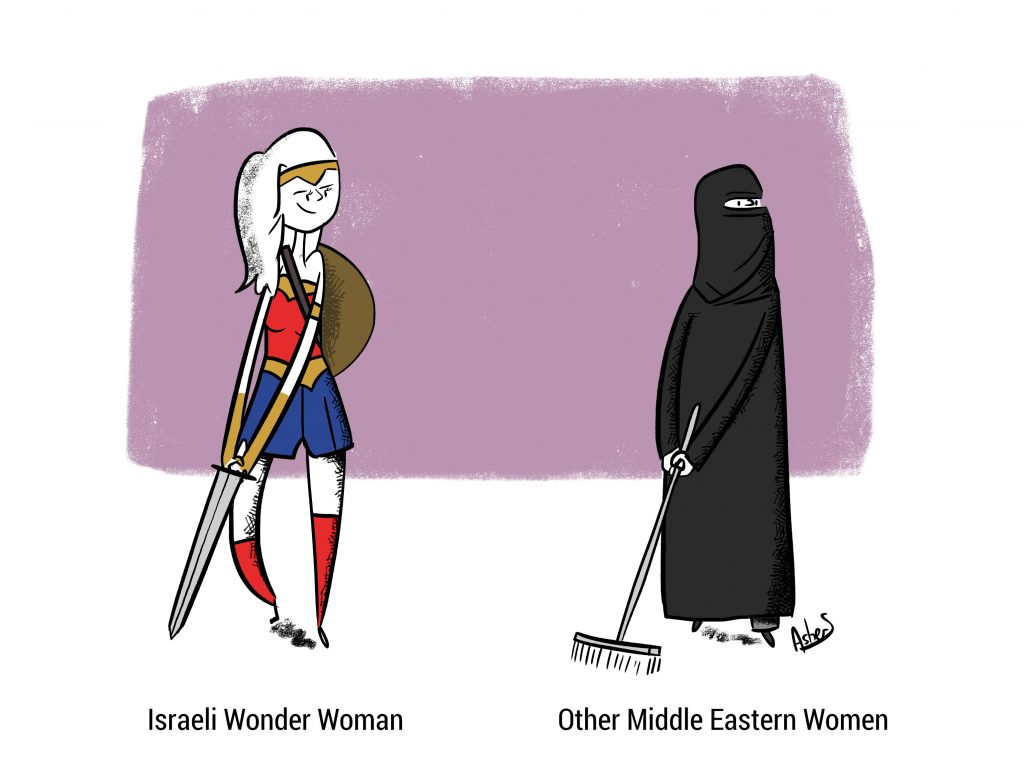
If rape and abuse are not so important for the CFTA, what about Female Genital Mutilation (FGM)? The destruction of a woman’s genitalia is a heinous crime that should be outlawed everywhere. Unfortunately, this practice is still prevalent in many places. In Egypt, FGM is a common practice that hurts, and even kills, thousands of little girls due to unclean medical procedures and the infections that followed. Fortunately, in 2007, the Egyptian Ministry of Health and Population banned all forms of FGM, but this has not stopped the practice. In 2014, UNICEF reported that 91% of women in Egypt had undergone some form of FGM. FGM has never been an accepted practice and is illegal in Israel. Why does an NGO, specifically designed to protect and stand up for women's rights, condemn Israel, when countless young girls are being butchered in neighboring Arab countries?
How is a woman’s testimony in court weighed against a man’s? In Egypt, Iraq, Iran, Syria, Jordan, Saudi Arabia, and all areas governed by the Palestinian Authority, a woman’s testimony is worth half that of a man’s. This means that if a women accuses a man of committing a crime against her, whether it be assault, robbery, rape, etc., she will need another female witness just to have the same amount of credibility as the man. What country in the Middle East does treat both genders’ testimonies equally? You’d be right to assume, yet again, Israel.
Is Israel a misogynist country? Is Israel a patriarchal society? In Israel, a child is granted citizenship automatically if the father or the mother is a citizen. Not all countries in the Middle East follow the example Israel lays out. In Jordan and Lebanon, the child’s father must be a citizen. Even if a mother is a Jordanian or a Lebanese citizen, if she marries a foreigner, the child does not receive her citizenship.
Forced child marriage is an abhorrent practice and a violation of children's rights. As of 2017, in Gaza, 15% of girls under the age of 18 are married as well as 1% of girls under the age of 15. To clarify, almost 4,000 girls under the age of 15 in Gaza are married. In Egypt, it’s 17% under the age of 18 and 2% under 15. Iran? 17% and 3%. What does 3% look like? 526,854 little girls that are sold into marriage before the age of 15. In Israel it is illegal for a person to marry someone under the age of 18.
One of the strongest indicators of gender equality is women in positions of political authority. As of 2018, 28% of the Israeli Parliament is women. That beats even the United States, where only 20% of Congress is women. And where does the Middle East stand on female empowerment? The average percentage of women in positions of political power across the Middle East is a whopping…6%.
If the Culture and Free Thought Association wanted to actually talk about gender inequality and women’s empowerment, they could target any number of the issues addressed in this article. They could call for their neighboring countries to reform. Unfortunately, they are more interested in forwarding their political agenda by ignoring women's rights violations in the Middle East and attacking the only feminist country in the area, Israel.

Egypt: A Return to Martial Law
In the last decade, Egypt has experienced some of the most monumental political shifts in the modern history of the Middle East. In 2011, after 30 years of authoritarian rule under President Hosni Mubarak, the revolutionary sentiments of the Arab Spring gained a foothold among the Egyptian people. A combination of mass demonstrations, civil disobedience and strikes resulted in the overthrow of the Mubarak regime on 11 February, 2011.
Following the overthrow, Egypt was governed by a military junta until it appointed Mohammed Morsi as its first democratically-elected president on 24 June 2012. Morsi, of the Islamist movement the Muslim Brotherhood, affirmed that the Egyptian people were the true source of power in their country. “You grant it, and you withdraw it”, he declared to the public when he took a symbolic oath of office in Tahrir Square. Although incidences of police brutality and government overreach were reduced under Morsi’s presidency, he drew international condemnation for polarizing relations between Egypt’s majority Muslim community and its sizeable Coptic minority community, as well as his inability to prevent violence directed at the Coptic community.
In July 2013, just over a year into his presidency, Morsi was overthrown by the military in a coup d’état. Following the coup, the constitution was suspended and in May 2014 army chief General Abdel-Fattah el-Sisi was elected President by an overwhelming majority of 93%.
Since that time, his presidency has been characterized by authoritarian rule and the systematic curtailing of human rights and civil liberties in the Middle East’s most populous nation.
Freedom of Expression/Freedom of the Media
The suppression of media freedom by Egyptian authorities is perhaps the most internationally-recognized issue pertaining to Egypt’s human rights record. The most noteworthy case involves the three Al Jazeera journalists Mohamed Fahmy, Peter Greste and Baher Mohamed. The trio were arrested in December 2013 on charges of news reporting that was ‘damaging to national security’, and were held in solitary confinement for a month before any formal charges were made. In late December 2013, they were given multi-year prison sentences after a trial in which prosecutors failed to present any credible evidence of criminal wrongdoing, although all three men have now been freed because of immense pressure from the international community.
In a more recent case, Misr 25 journalist Khaled Abdel Wahab Radwan was sentenced to 15 years in prison. It followed his arrest in March 2014 on espionage charges, although it is widely believed to be an attempt to silence criticism of President el-Sisi - as Misr 25 was owned by the Muslim Brotherhood[1]. Three of Radwan’s colleagues, who were tried in absentia, were sentenced to death for sending documents to their broadcaster’s headquarters in Doha for journalistic purposes[2].
Wider non-journalistic expression is similarly suppressed by the Egyptian government. A Human Rights Watch report published in 2015 stated:
‘Authorities detained dozens of people for such offences as possessing flyers with anti-military slogans, rapping in public against the police, or displaying signs commemorating victims of the Rab’a [the violent dispersal of sit-in protestors by Egyptian military and police personnel that resulted in the deaths of at least 817 people] dispersal. Journalists, academics, former lawmakers and human rights defenders were among those charged with crimes or banned from travel outside Egypt[3.’
Although Egypt’s constitution guarantees freedom of religion, authorities have prosecuted writers and activists on charges of ‘contempt of religion’ and ‘blasphemy. Such was the case with author Karam Saber, who was sentenced in absentia to five years in prison in 2013 for ‘contempt of religion’[4].
Capital Punishment
Contrary to the majority of UN member states and key provisions of international customary and treaty law, Egypt retains the use of the death penalty. A wide variety of crimes - including non-violent crimes such as drug possession, treason, and desertion - can carry a death penalty. Under the presidency of el-Sisi, the number of executions has increased significantly. No executions were performed in 2012 and 2013 (before el-Sisi ascended to the presidency), while 15, 22, and 44 executions were carried out in the years 2014, 2015 and 2016 respectively (el-Sisi became president in 2014).
For countries that do retain the death penalty, international law mandates effective safeguards and protections for those on trial for capital offences. Regrettably, Egypt has not met many of these requirements. For example, in March and April of 2014, a criminal court handed down the death penalty to more than 1,200 people allegedly involved in a terrorist attack. The judge did not allow the defendants the right to mount a meaningful defence or ensure that all had access to counsel[5]. The first trial, which resulted in 529 death sentences, lasted less than an hour, and only 74 defendants were present. The court also barred some defence lawyers from attending. In the second trial, which yielded 683 death sentences, none of the defendants attended.
As recently as April 2017, Human Rights Watch reported and published a video of Egyptian security forces carrying out summary executions in the Sinai Peninsula. In the video, two unarmed detainees are shot in the head. According to Joe Stork, of Human Rights Watch’s Middle East section, testimony had been collected suggesting security forces have been removing prisoners from detention centres and executing them.
Ambiguous Criminal Offences
The Egyptian government’s authoritarian proclivities have seen a reintroduction of crimes that, although intended to maintain national security and enforce the rule of law, carry vague meaning and questionable legal validity. Under the presidency of el-Sisi, people have been convicted on charges of receiving foreign funding to damage Egypt’s ‘national interests’, ‘peace’, ‘unity’ or ‘security’; as well as ‘insulting the president’ and ‘misusing social media platforms’. In addition, a law passed in 2013 allowed the Interior Ministry to ban and forcefully disperse protests and arrest participants on ambiguous grounds such as ‘imped[ing] citizens’ interests’. By having such vague criminal offences enshrined in the Egyptian legal system, it imparts a substantial degree of subjectivity onto cases where people are accused of such crimes. Hence, should the Egyptian government decide to silence or incarcerate their critics, there is legal recourse to invoke a charge as dubious as ‘working to disrupt unity’ to arbitrarily punish them.
Torture and Ill-Treatment
In recent years, Egypt has displayed an alarmingly high number of incidences of torture and ill-treatment within their correctional facilities. Prisons are notoriously overcrowded, with those accused of more severe crimes consigned to sections of facilities that are more dangerous and derelict. For example, in the aforementioned case of the Al Jazeera journalists, Peter Greste was held in the main section of the notorious Tora prison complex, whilst his two colleagues accused of more serious crimes were held in the far more draconian Scorpion prison built for convicted terrorists. Although the main section of the complex is cramped, severely overcrowded and poorly ventilated, the Scorpion section inmates had to sleep on the floor in mosquito-infested cells in solitary confinement.
According to an investigation by the Egyptian newspaper Al Watan, at least 90 people died in 2014 in local police stations and security directorates in the governorates of Cairo and Giza alone[5]. Furthermore, there is also widespread reports of severe beatings during arrests, arrival at police stations and transfers between prisons. Many complaints have been made of torture, including through the use of electric shocks, to coerce confessions[6].
Women’s Rights
Egyptian women remain particularly vulnerable to sexual and physical abuse due to antiquated cultural attitudes, legal loopholes, and systemic impunity granted to perpetrators by judicial and police authorities. Although el-Sisi’s government has pledged his commitment to combat domestic and sexual violence against women, the alarmingly high rates of abuse suggest either an inability or unwillingness to tackle the problem. For example, a ministerial committee formed by the President on the issue of harassment has not even proposed a law on violence against women. To date, no such law exists that criminalizes domestic violence[7].
Egypt also has some of the highest rates of female genital mutilation (FGM) in the world. A 2013 report by UNICEF revealed 91% of Egyptian girls and women have undergone some form of FGM[26]. Egypt also had the highest number of incidents (27.2 million) of the countries examined in the report. Such an endemic occurrence of FGM stands in strong contrast to the prohibitions set out in the Declaration on the Elimination of Violence Against Women of 1993.
Conclusion
As the most populous nation in the Middle East, Egypt plays an important role both regionally and internationally. Given its sovereignty over the Suez Canal and its strategic location between Africa, Europe and the Middle East, its security and stability is a significant priority for the international community. It has portrayed itself as the key bulwark against terrorism and religious extremism. However, in doing so, it has eschewed the hallmarks of democracy and the rule of law in favour of authoritarianism. The fundamental human rights of free speech, freedom of assembly and the right to a fair trial have been systemically eroded. Egypt is party to core treaties of international law such as the International Covenant on Civil and Political Rights (1976), the Convention on the Elimination of All Forms of Discrimination Against Women (1981) and the Convention Against Torture (1987). As such, any authority exercised toward Egyptian citizenry should be exercised in a manner that holds human rights as sacrosanct and corresponds with their international legal obligations.
[1] Tadros, M. 2013, ‘The Brothers and the Copts’, Middle East Institute, August 12, viewed 5 June 2017,
[2] Committee to Protect Journalists, op. cit.
[3] Human Rights Watch 2015, op. cit.
[4] Ibid.
[5 Human Rights Watch 2015, op. cit.
[5] Human Rights Watch 2015, op. cit.
[6] Ibid.
[7] Ibid.
International Borders and Human Trafficking in Israel and Texas
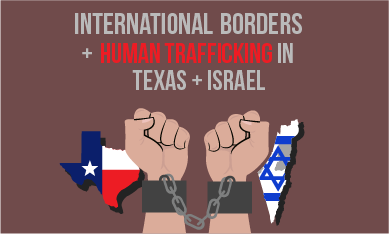
Israel and Texas may not seem to have much in common upon initial thought. After all, the State of Texas is approximately 33 times the size of Israel, yet, both lands face human trafficking concerns due to their international borders. The Trafficking Victims Protection Act (TVPA) defines “severe human trafficking” as:
“sex trafficking in which a commercial sex act is induced by force, fraud, or coercion, or in which the person ... has not attained 18 years of age; or the recruitment, harboring, transportation, provision, or obtaining of a person for labor or services, through the use of force, fraud, or coercion ... A victim need not be physically transported from one location to another for the crime to fall within this definition.”
In Texas, the border with Mexico spans 1254 miles (2018 km) comprising the longest stretch of border with Mexico when compared to any other state. In comparison, Israel has 664 miles (1068 km) of border with 6 different border countries. Specifically, the Israel-Egypt border has a long history of human trafficking. This article explores both governments’ approaches to human trafficking and border security.
Texas
The State of Texas has battled with human trafficking across the Mexico border for decades. In fact, the U.S. Department of Justice estimates as many as one-quarter of all human trafficking victims pass through Texas. A University of Texas study found that there are 313,000 victims of human trafficking in Texas. Texas also houses the metroplex of Houston, which the Department of Justice has called the “most intense jurisdiction for trafficking in the U.S.”.
There are two primary factors that contribute to the issue of trafficking in Texas. The Mexico border, along with the major thoroughfares in Houston, the 4th largest city in the U.S., creates a prime environment for traffickers to smuggle humans into the United States. However, Texas has proven to be proactive in seeking to prosecute, prevent, and punish the crime of human trafficking. The U.S. Attorney Office for the Southern District of Texas, encompassing 44,000 square miles and 8.3 million people, “prosecutes more cases against defendants than any other United States Attorney Office nationwide.” Additionally, Texas has received a score of 94 and an “A” from Shared Hope International’s Protected Innocence Project report in 2016. Not surprisingly, Texas is not the only land faced with human trafficking concerns due to an international border.
Israel
Israel also experienced a major problem with human trafficking, especially in the 1990s when sex trafficking was rampant. Most victims of the sex trafficking epidemic were women from the Former Soviet Union who were exploited because of their poverty. A wake-up call came when the U.S. State Department placed Israel alongside Pakistan and Bahrain in Tier 3 of the annual Trafficking in Persons (TIP) Report in 2001. Tier 3 is the lowest possible level in the TIP Report and is an indication that a country is doing close to nothing to combat human trafficking within its borders. This spurred the Israeli authorities, along with anti-trafficking NGOs and advocates, to begin addressing the problem of trafficking. Between 2003 and 2005, Israel amended several laws to provide more support for trafficking victims, including legal representation and access to shelters. Israeli authorities also began to crack down on traffickers. As a result of their significant efforts to prevent and prosecute human trafficking, Israel was moved to Tier 2 of the TIP Report in 2002. The Knesset subcommittee on Combatting Human Trafficking and Prostitution chairwoman, Aliza Lavie, celebrated the improvements in the fight against modern-day slavery, however she noted that the progress “does not mean we can stop fighting.” Accordingly, a breakthrough in the fight against trafficking came with the construction of the southern border fence with Egypt.
Border Security by The Numbers
In 2013, Israel completed construction of a 150-mile (245 km) fence along its border with Egypt. The number of illegal crossers on the Israel-Egypt border dropped 99 percent after the construction of the fence, from more than 16,000 in 2011 to less than 20 in 2016. Israel spent $415 million ($2.9 million per mile) to construct the southern border fence and spends approximately $8.3 million annually ($58,000 per mile) to maintain the fence. For every 1.2 miles of fencing, Israel stations one person along its border with Egypt.
Although the United States does not have a complete border fence with Mexico, the U.S. has spent $2.3 billion to construct 654 miles of pedestrian and vehicle barrier fencing along the U.S.-Mexico border. Further, it costs the U.S. $50 to $55 million annually ($77,000 per mile) to maintain its 650 miles of fencing along the border with Mexico. This cost of maintenance is 33 percent more than Israel. Manpower is not neglected either, with approximately one person stationed for every 2.2 miles of the Mexico border. With these numbers in mind, a comparison of human trafficking in Texas and Israel is more easily understood.
Human Trafficking Today in Texas and Israel
In 2017, both the United States and Israel received a Tier 1 ranking in the U.S. Department of State’s TIP Report. Although Tier 1 is the highest level on the tier system, it does not mean there is no human trafficking in that country. Unfortunately, according to the Texas Department of Public Safety, the issue of trafficking is not going away any time soon. Notably, in the 2017 Texas Public Safety Threat Overview, trafficking is the fastest growing organized crime in Texas. Although Israel may no longer be a haven for sex traffickers, trafficking still exists. With the closed borders, traffickers now bring victims into Israel through the Ben Gurion International Airport in Tel Aviv. According to the Border Control Commissioner, over the past year and a half, 372 women have been stopped from entering through Ben Gurion Airport. Michal Yusupov, head of the Population Control Division, noted that the number of women attempting to enter Israel has increased in the past year. Even though all 372 women were prohibited from entering, it is likely that others have entered under the guise of tourism without being stopped. Even still, the 2017 TIP Report noted Israel’s “serious and sustained” efforts to eliminate trafficking. Some countries are now looking to Israel’s successful fight against trafficking to learn what strategies are most effective.
What Can Texas Learn From Israel
Reports supporting the building of a fence on the United States-Mexico border often use Israel’s success with the Israel-Egypt border fence as an example. Although the U.S., and especially Texas, can learn many important border security lessons from Israel due to the similarities in human trafficking, there are complications that are often forgotten in these reports. Take, for example, the sheer length of the U.S.-Mexico border which is drastic in comparison to the Israel-Egypt border. As previously mentioned, Israel’s border stretches approximately 150 miles, while just the Texas-Mexico border is over 1200 miles. Another complication arises from the fact that the U.S.-Mexico border runs alongside four states, all with varying opinions on border security. The bordering states of New Mexico and California both have laws that limit how local police interact with federal immigration agents—also known as sanctuary cities. The two other border states, Arizona and Texas, do not have such laws. This discrepancy makes a unified plan for border security difficult to draft and implement.
Despite the challenges, much progress can be made in U.S. border security based on Israel’s success when the beforementioned nuances are taken into consideration. For instance, technology has proven to be key in monitoring and capturing traffickers in Israel. Israel uses an array of technology including seismic sensors, radars, and balloons with cameras to reinforce its southern border fence. The Port Authority of Texas has taken note of Israel’s use of technology. In 2014, Texas contracted with an Israeli company, RADWIN, to use advanced cameras to monitor ports-of-entry into the United States. The modern tactic to combat human trafficking is combined governmental efforts and advanced technology. Texas may not be able to copy-cat Israel’s border fence; however, this does not mean the U.S. cannot use Israel as an example to find the most effective border security strategy unique to the Texas-Mexico border.
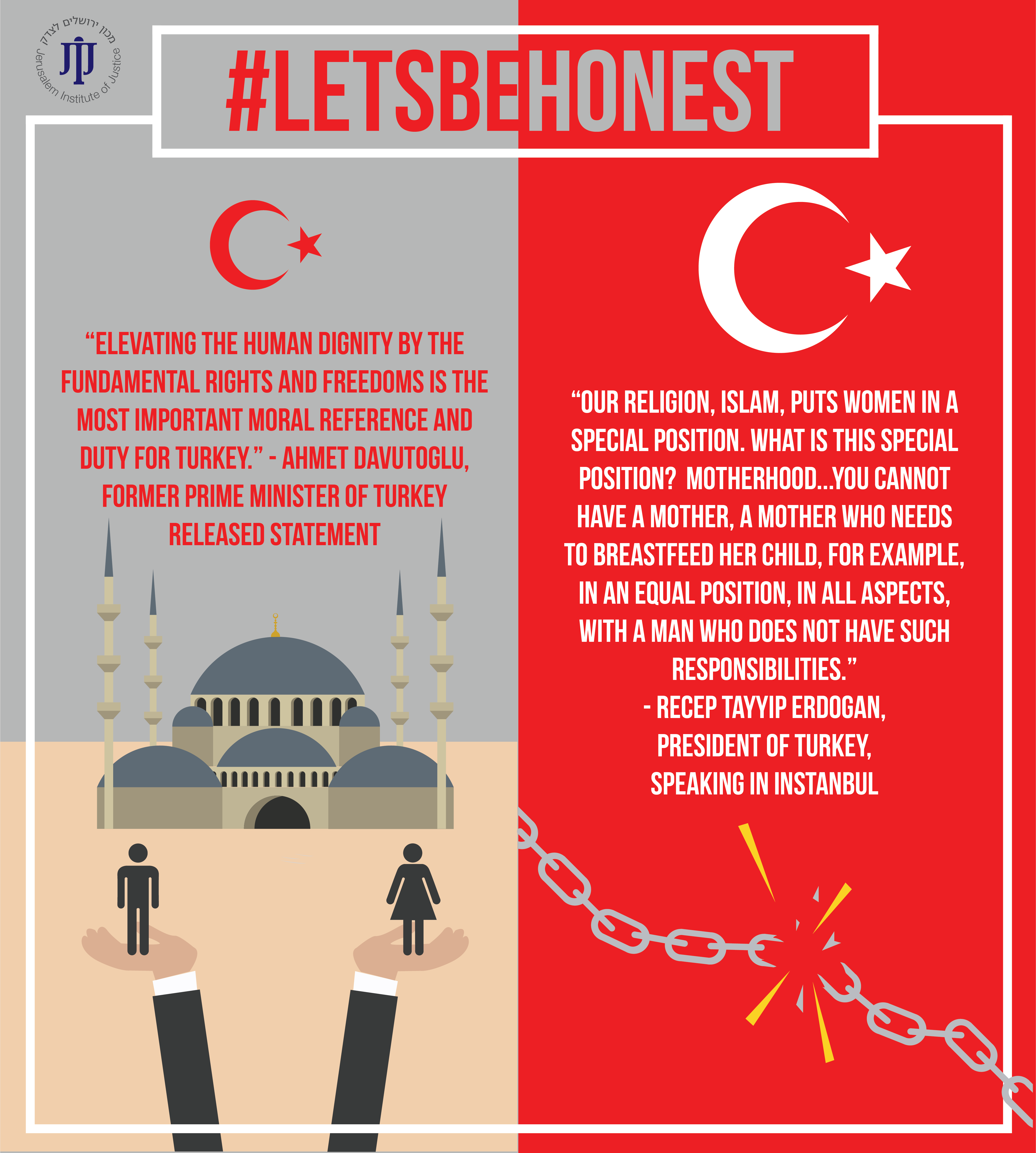
Women Rights Violations in the West Bank and Gaza
Assessing the Implementation of the Convention on the Elimination of all Forms of Discrimination Agaisnt Women in the West Bank and Gaza
For the full report click, here.
This report examines the Palestinian Leadership's adherence to the Convention on the Elimination of all forms of Discrimination Against Women (CEDAW) in the West Bank and Gaza. Research shows that Palestinian leadership fails to protect women’s rights both in legal code and cultural practice. Discrimination against Palestinian women stems from legal, social and cultural patterns of conduct, facts that are supported by Jerusalem Institute of Justice (JIJ) sources and their testimonies.
There is evidence of Palestinian leadership attempting to rectify the rampant lack of women’s rights and protections, as seen with the 2011 Palestinian Authority (PA) report, which outlines an 8 year strategy to counter violence against women in the Territories. However, laws and strategies, while brought to the table, are poorly and inconsistently enforced. Regarding CEDAW, PA President Mahmoud Abbas symbolically signed onto the Convention in 2009, formalized in April 2014. International law obligates non-state actors, like Hamas, to respect the Convention as well. From this, we conclude that both the PA and Hamas are in direct violation of the Convention.
Information for this report was obtained through news sources, NGOs and testimonies on the role of women in Palestinian society.
EDUCATION
Within the territories, there is greater concern for the content of women’s education, rather than education access. Two categories of women who face barriers to education are young, married women and rural women. Schools do not permit married or pregnant girls to attend school, and if they do permit it, the girls’ husbands have the authority to forbid it. A West Bank hospital says that women from rural areas are less likely to attend school than women in urban areas, though a report from one Palestinian Christian woman challenges this, stating that 90% percent of the female students at Bethlehem University come from village communities.
GENDER SEGREGATION
In Gaza, all schools (private or UNRWA) are gender segregated by law, resulting in 2 key issues: a) An uncertainty on the equality of content and quality of materials for both male and female students, and b) Given that male teachers cannot teach female students, girls are denied access to the resources made available to male students. In the West Bank, most schools are gender segregated due to a cultural norm of women preferring single-sex schooling, and not necessarily due to gender segregation laws. However, single-sex schooling and segregation contributes to gender-based violence and the sexualization of women within Palestinian culture.
JIJ’s sources report that boys’ schools in both the West Bank and Gaza perpetuate gender role stereotypes, specifically that women should stay home and obey her husband. One source shares that he was taught that Palestinian martyrs would be rewarded with 72 virgin women in paradise, a lesson that not only sexualizes and objectifies women, but glorifies violence. Yet another source reports that messages in today’s schools are changing: “They keep changing, developing the textbooks…Now it’s also the girl that exists in the books; not only the boy.”
In addition, CEDAW stipulates that education must include sexual education; however it is clear that sexual education is severely lacking in both the school system and at home due to the issue of sex being regarded as taboo in much of Palestinian culture.
EMPLOYMENT
Article 11 of CEDAW states that all appropriate measures must be taken to eliminate discrimination against women in the workforce, yet heavy restrictions are placed on women relating to the fields they can work in, which not only bars women from certain professions but strips them of opportunities that are open to men. A number of resolutions (including those from the Council of Ministers and Palestinian Labor Laws) call for restrictions on the hours women are permitted to work, not only reinforcing gender-based discrimination but also encouraging women to fear ‘dangerous night hours’ (Palestinian Labor Law No. 7 - 2000).
Women are less involved in the workforce than men due to these legal restrictions, as well as cultural standards. In the West Bank (2013), 25.9% of women were unemployed compared to 16.8% of men. In Gaza, 53.1% were unemployed compared to 27.8% of men. The driving factor for the gap in women’s employment is explained by several sources: in Palestinian culture, the woman’s place is in the home with her children. Should a woman try to go against those cultural norms, she faces severe discrimination from her family and community. However, there are some who believe the cultural norms are changing for the better, with one source explaining that now, men inquire into a woman’s profession — today it is smiled upon to be active participants of one’s society.
Despite these positive developments, for those women who do work, heavy discrimination is still reported. In Gaza (2009), 32.5% of working women reported exploitation and discrimination, with the PA recognizing verbal abuse, sexual harassment, and discrimination against pregnant women.
HONOR KILLINGS
Honor Killings are motivated by suspicion or knowledge of extramarital affairs and pregnancies. They are common in both the West Bank and Gaza, with approximately 27 cases reported in 2013. Data gathered from the West Bank from 2005 to 2006 indicates the killings are carried out through several methods, including poisoning, stabbing, and strangling. JIJ sources in the West Bank report that the practice of honor killing is perpetuated by Palestinian officials who use the threat of death to manipulate civilians to do their bidding.
One source explains that though honor killings are still prevalent, at least now attitudes towards them have changed. Whereas once a community would say ‘she deserved it,’ individuals are now starting to speak out against the practice. Certain legal efforts have been made to combat the practice, including Abbas’ decision to suspend two laws that ‘excused’ the actions of men who committed honor killings. Yet, though laws have been changed to accommodate these new ideas, the problem lies in the culture itself. According to one JIJ source, honor killings is a practice taught and enforced by the Koran and its culture.
HUMAN TRAFFICKING AND PROSTITUTION
The language used in both the Jordanian Penal Code (1960) and the Egyptian Penal Code (1936), which are both applied by the Palestinian Authority, fails to protect women with regards to prostitution, coercion into sexual relations, or human trafficking. Both laws claim to bar against forcing a woman to have illegal sexual intercourse, but then include the clause, “provided that such a woman is not a prostitute and is not known for her immoral character.” Here, language is open to subjective interpretation, leaving room for exploitation and failure to protect a woman because she is accused of having an ‘immoral character.’
While the laws of the PA seem to reflect a ‘no tolerance’ approach towards sexual exploitation of women, the reality of the situation does not. According to various NGO sources, the PA is aware of the human trafficking that takes places , the sexual exploitation in brothels and with prostitution, but does little to confront it. Fieldwork conducted by SAWA (All the Women Together Today and Tomorrow) indicates that subjects of trafficking are usually female students of Palestinian colleges and universities; they are being trafficked by Palestinian woman 40 to 50 years of age. Women and girls are engaging in human trafficking due to economic insecurity and limited education, among other reasons; though according to SAWA, Palestinian police claim that “the majority of women engaged in prostitution do it by their own ‘will.’” Those women who do return to their communities after engaging in prostitution are often subject to social stigma and face severe consequences, like the previously mentioned practice of honor killings.
ECONOMIC ACCESS
Despite the PA recognizing economic discrimination against women in its National Strategy to Combat Violence Against Women (2011), many of the issues addressed are still in effect. From 2011 to 2013, nearly 100 women (from Gaza and WB) called the SAWA hotline to discuss issues of economic exploitation. A number of other Church based organizations have found that 62% of families refuse to grant women their right to inheritance when it is requested, further financially crippling these women. When asked why this is the case, JIJ sources explain that “these are just the social norms” in Palestinian society.
POLITICAL RIGHTS
While women are involved in West Bank Palestinian political life, equal male-female representation has not been reached. Certain cultural norms and legislation act as barriers to women’s total access to political and public life. Women have been recognized by PA Elections Law with having the right to political participation, and laws are in place calling for at least 20% representation in the political sphere. However, these laws are not reflected in practice; the quota system in place for women does not succeed in establishing equal representation.
Regarding political protest, women are allowed to participate, though up to a certain point — women “cannot cross the red line” in their political activism, a red line determined by culture. Similarly, within the criminal justice system, cases are decided according to Islamic Sharia Law, which dictate that “a woman’s testimony is worth half that of a man.” The implications of this are simple: to be heard and accepted in a court of law, a woman must be accompanied by another, preferably a man. This also contributes to the challenge of accessing legal documentation like passports, visas, and ID cards. Though some advancements have been made, traditional practices are still looked to with regards to the passing on of national identity (restricted to men), requiring the signature of the man for a woman to obtain a passport, and, as is done in Gaza, the requirement that all women carry ID cards specifying their relationship to the man they are walking with in public.
MARRIAGE
Within the institution of marriage, Palestinian women are stripped of their autonomy to choose a partner, in the decision of when to get married, or drawing up their own wedding contract. All are done and decided by the woman’s male guardian, in contrast to men who are free to act independently. Lack of autonomy over marriage decisions lead to arranged marriages, which sometimes tread into the realm of forced marriages, despite both Egyptian and Jordanian legal codes banning forced marriages.
In both the West Bank and Gaza, families are able to marry off their younger daughters, despite certain laws in place that bar against the practice of child brides. While in Gaza the legal marriage age for women is 17, women in the West Bank can be legally married at 15. In both areas, a judge can permit exceptions at the request of the woman’s (male) guardian. Once again, sources confirm that while laws are in place, culture and traditions take precedence: “Child marriage is normal. There is no legal age…the problem is that they do not marry in the government, they marry in the mosque…” To get around the ‘legal age’ requirement for marriage, families can work with clerics who agree to officiate the marriage, then later register it with the courts once the girl comes of age.
Regarding divorce, law grants priority and right to the husband in both the West Bank and Gaza. Under Jordanian law, a woman can only file for divorce if her situation meets certain requirements, including if her husband has an incurable disease, is unable to consummate the marriage, or if he is unable to pay the dowry, among others. Harm or mistreatment are also grounds for a woman to request divorce; however it is left to the courts to decide what is deemed as mistreatment: ‘emotional’ suffering is not included. Though it does happen, the woman being able to request a divorce is the exception, not the rule. In contrast, a man can divorce his wife for “any reason,” with or without her consent.
One article of law that seems to protect women’s rights in divorce states that should a woman be divorced in an “abusive manner,” the woman has a right to request compensation from the judge. However, this law also stipulates that if a woman is ‘uncooperative’ with her husband she will not be eligible for alimony. There is no equivalent clause for men.
Sources report that if a woman requests divorce, chances are high that she will lose all her money, and possibly her children. If a woman remarries, she can lose custody over her children entirely. Based on the Hanafi School of Sharia Law, Palestinian practice is that a male child, once reaching puberty, chooses which parent will have custody; custody of female children is defaulted to their fathers. Yet, despite this tradition, sources explain that in practice, fathers refrain from taking the children in favor of moving on with a new marriage and new family after divorce.
In both the West Bank and Gaza, adultery is illegal — with punishments for women being much harsher than for men. For example, the Jordanian legal code stipulates that punishment for a woman is between six months and two years in prison, while the man receives between one month and one year, dependent on if he had the affair in the marital home or in public. The laws of the West Bank and Gaza imply that women are held to a stricter standard of behavior than men and are therefore subject to harsher punishment, regardless of men and women behaving in the same way.
SEXUAL AND DOMESTIC VIOLENCE
Statistics surrounding sexual violence in the West Bank and Gaza are staggering. In 2014, the PA reported that 53% of Palestinian women had been exposed to violence with 18% of unmarried women reporting being victims of sexual violence. 45.9% of these cases saw the woman’s father as perpetrator, with 25.5% the brother as perpetrator. From 2011, 76% of callers to SAWA’s hotline were under the age of 21. Between 2011 and 2013, female callers reported a total of 10,663 cases of abuse, including domestic violence, sexual violence, attempted rape, rape, and sexual abuse within the family.
Incestuous relations within the territories is prohibited by both Jordanian and Egyptian Penal Codes. Yet despite the legal prohibitions, a culture of incest still permeates Palestinian life, especially in more rural areas where traditional practices of marrying within the family, as a means of protecting the dowry, are continued. Regarding incestuous rape, one source estimates that, in Bethlehem, between 50 and 80 babies are born each year as a product of intra-family rape.
Certain cultural views on rape and sexual violence prevent women from getting the help they need. Palestinian culture is one of many that normalizes sexual abuse, thereby instilling a fear in women about speaking out. This is reflected in a legal clause of the Jordanian Penal Code that states a perpetrator will escape prosecution if he marries his victim for 3 to 5 years. Some sources argue in favor of this practice, saying that it may be in the woman’s best interests socially — the woman protects herself by marrying her perpetrator and keeping her honor in tact.
Overall, West Bank and Gaza law do not provide complete definitions of what sexual crimes are, therefore leaving too much open to legal loopholes. In addition, certain terms are too loosely defined, like ‘rapist,’ which is defined in the Jordanian Penal Code as anyone who has “forced sexual intercourse with a female, other than his wife” implying marital rape is legal and acceptable. The language used in both the Jordanian and Egyptian legal codes is ambiguous and leaves too much to subjective interpretation.
The only legal codes that address domestic violence in West Bank and Gaza are the Palestinian Women’s Bill of Rights (2008) and the Draft Law for Family Protection Against Violence (2009). Both are rarely referenced in reports on Palestinian women, and only the Bill of Rights actually addresses sexual harassment. All of this is testament to the fact that sexual and domestic violence are issues that are widely ignored by the PA and Palestinian law.
When asked why the hesitation to report crimes, those interviewed responded that speaking up about sexual violence is useless in the best case scenario, and at worst, speaking up would exacerbate the situation. As well, many Palestinian women are unaware of the resources available to them to report cases of sexual violence, or simply fear the backlash of family humiliation and societal shame.
A key JIJ source laments that Palestinian culture is a culture of silence, arguing that most Gazan children have suffered abuse of some kind and that it would be a severe mistake to take the silence received on the issue to mean that abuse does not exist.
SOCIAL STEREOTYPES AND GENDER NORMS
Gender norms and roles are reinforced by cultural practices and social stereotypes; specifically, rural villages adhere to more conservative, traditional gender relations. This translates to an immense cultural gap, where women do not have access to the same rights as men, or as the women from the cities. However, these cultural norms are supported in both Jordanian and Egyptian Penal Codes, where the woman “must obey her husband” and the husband must “consort with his wife in kindness and treat her with courtesy.”
RECOMMENDATIONS
The Palestinian Authority and Hamas should arrange for an independent task force to conduct thorough reviews of laws in the West Bank and Gaza pertaining to women, specifically focusing on those dealing with sexual and domestic violence, divorce rights, and the protection of the rights of young girls. Under the recommendations of the task force, and guidance by experts of women’s issues and law, all laws should be either annulled, revised, or rewritten, and all should adhere to international standards for women’s rights. Palestinian leadership should ensure enforcement for all laws pertaining to women’s rights. In conjunction with NGOs, Palestinian leadership should establish programming to positively influence cultural attitudes towards women and women’s rights. To encourage women to work outside the home, Palestinian leadership should provide incentives in the form of tax breaks for working women and childcare subsidies. Palestinian leadership should provide funding for NGOs working to protect women in the territories. Finally, laws should be changed to reflect same punishments for both men and women for the same crime, to guarantee just punishment for perpetrators of honor killings, to reflect the equal standing of men and women in a court of law, to reflect the complete range of sexual misconduct women are subjected to, to equalize access to divorce, and to ensure women do not face restrictions on employment that men do not face.
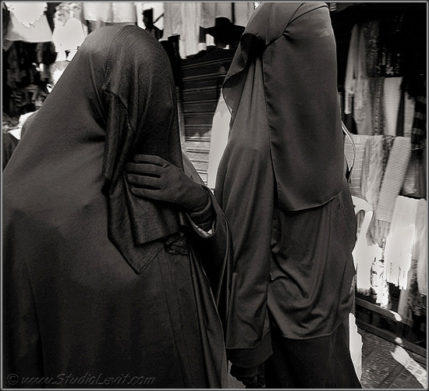
Photos by Michael Levit