
52 testimonies of cruel torture
Notice to the Prosecutor at the International Criminal Court
Crimes against Humanity committed
against Palestinian citizens
Fifty-two Palestinian testimonies were submitted to the International Criminal Court in The Hague. These testimonies expose the brutal abuses committed by the Palestinian Authority against their own citizens.
“The Palestinian Authority is responsible for severe abuses, including: the murder, kidnapping, imprisonment, torture, and rape of 52 Palestinian and Israeli citizens, residents of the West Bank,” stated the long (1,800 pages) precedent setting verdict that was issued by judge Moshe Drori of the Jerusalem District Court.
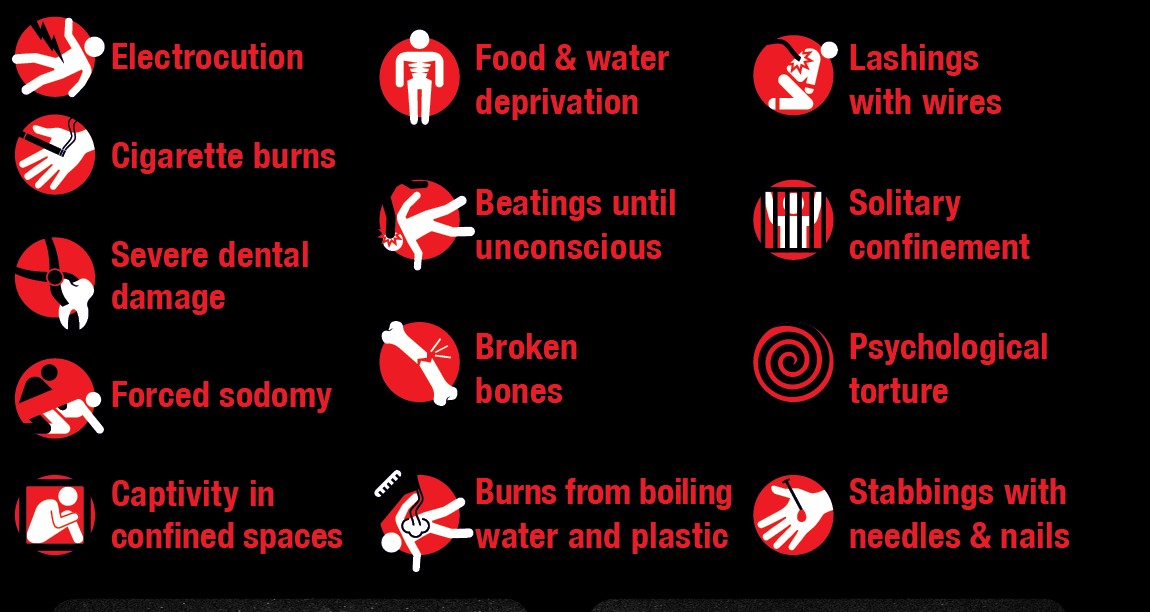
The verdict described horrifying torture. Electric shocks, hanging upside down for long periods of time, pouring boiling plastic on the body, extraction of nails and teeth, sterilization, sleep deprivation, food restriction, the killing and raping of family members, the removal of a premature baby from her incubator, and other forms of inhumane abuse.
The verdict stated that the Palestinian Authority is responsible for murder and torture. The court ordered the PA to pay the plaintiffs partial compensation totaling over 3.8 million dollars for their imprisonment and over 400,000 dollars for trial expenses. Currently, the court continues to discuss the rate of additional compensation to the plaintiffs for the tortures, suffering, and disabilities they endured and for their property that was seized. It is estimated that the total compensation will amount to almost 28 million dollars.
The Jerusalem Institute of Justice along with Attorney Barak Kedem from the Arbus Kedem-Tzur firm, who represented the plaintiffs at the District Court of Jerusalem are working together in order to show the world the cruelty of the Palestinian Authority to their prisoners. These horrifying testimonies were submitted the to the ICC.
Attorney Uri Morad, Dir. of the International Law Department at the Jerusalem Institute of Justice, explains: “In February we addressed the ICC requesting that the Office of the Prosecutor open criminal investigations against the chair of the PA, Mahmud Abbas (Abu Mazen), for crimes he committed against his own people, including a long, systematic campaign of murder, torture, and imprisonment. These testimonies point to the existence of a well-oiled machine that oppresses a civil society.”
Attorney Barak Kedem adds, “The fact that there are people who experience this hell on earth should shock every human being, regardless of their nationality or political affiliation. One can’t stand idly by after hearing of the PA’s atrocities. I hope that the statements presented to the ICC will cause world leaders to ask themselves: ‘Do I want to continue to be part of this machine that transfers funds to the PA?’ The ICC will bring the perpetrators to justice.”
Prior to filing the testimonies, some of the plaintiffs agreed to be filmed and explain the horrors they experienced. From the testimonies-
“After the arrest, I suffered a heart attack, after seeing my little daughter paralyzed, because the PA removed her from her incubator in order to get revenge on me.”
“I wanted to die over 20 times a day, due to the suffering. The torture was horrible. One time they sat me on an electric chair, I was sure I would die.”
“A PA official showed me an explosive belt and told me that either I would wear it and perform a suicide bombing in Israel, or that they would kill me there.”
Included in the testimonies brought to the ICC is the account of a Palestinian civilian who entered Israel to carry out a terrorist attack. He was injured in a car accident on his way. He received high quality medical attention in Israel, and his life was no longer at risk. Following the treatment, he changed his position and became a collaborator and aided Israel in its war on terror. The PA’s retaliation was cruel. His wife was giving birth to a premature baby that needed the support of an incubator. The PA immediately removed them both from the hospital. This baby grew up to have severe physical and cognitive disabilities. Today she is 17 years old, and lives in a rehabilitative hospital in Beit Levinstein.
Download

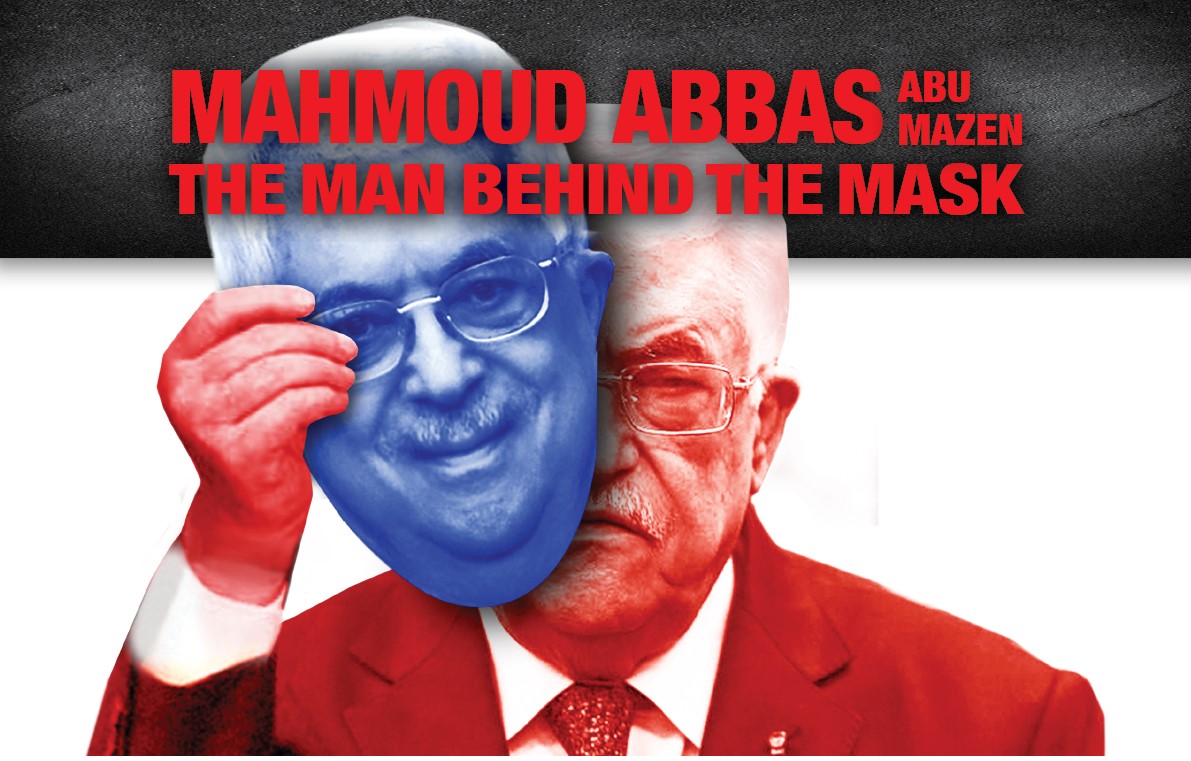
Mahmoud Abbas - Accused of Crimes Against Humanity
Communication to the Office of the Prosecutor of the International Criminal Court regarding Crimes Against Humanity committed against Palestinian citizens in the West Bank by Mahmoud Abbas
EXECUTIVE SUMMARY
We, the Jerusalem Institute of Justice, submit this communication to the Office of the Prosecutor of the International Criminal Court concerning Mahmoud Abbas, in relation to crimes against humanity committed through a systematic and widespread campaign of murder, torture, and unlawful imprisonment against parts of the Palestinian population in in the territory of Judea and Samaria, known as the “West Bank”.
Abbas is a national of the Hashemite Kingdom of Jordan (“Jordan”), which has been a State Party to the ICC since 2002. Accordingly, the ICC has jurisdiction over crimes he has committed under the Rome Statute, regardless of where they took place.
Abbas became President of the Palestinian Authority (“PA”) in January 2005. Despite his term of office having elapsed without further elections being held, Abbas remains internationally recognized President and de facto leader of the PA, the body which maintains effective control over certain areas in the West Bank.
During his time in power, Abbas has directed or allowed various crimes against humanity against Palestinian groups – including those deemed to have been critical of the current PA government or which have supported rival Palestinian factions. Abbas knew of and was in a position to prevent the crimes against humanity that have been committed against the civilian population of the West Bank, yet he has manifestly failed to do so.
The case is grave enough to merit further investigation. Abbas’s crimes have had and will continue to have deleterious consequences on the Palestinian population of the West Bank, their families as well as the society and region. These crimes benefit no one but the PA leadership. There is no prospect of local justice; pursuant to a series of international agreements, the PA has sole jurisdiction over crimes committed by Palestinians against Palestinians within the West Bank. The PA courts are not independent of the PA government, and have done nothing to punish those who play a direct role in committing these crimes against humanity. In any event, as PA President, there is no realistic chance of Abbas being prosecuted by courts over which his administration exerts significant control.
The crimes of Abbas are not merely historical; they are ongoing and contribute to the continued conflict between the rival Palestinian political factions Hamas and Fatah, and to the instability in the region. This internal conflict within the Palestinian leadership is damaging to the Palestinian population it is supposed to represent, and renders peaceful coexistence with its neighbours increasingly difficult. The ICC has the rare opportunity to take an important step not just in punishing perpetrators and deterring crimes against humanity, but also in sending a powerful statement that torture and similar acts are unacceptable. For all these reasons, we urge the Office of the Prosecutor to launch a full investigation.
Download
MILITARIZATION OF CHILDREN
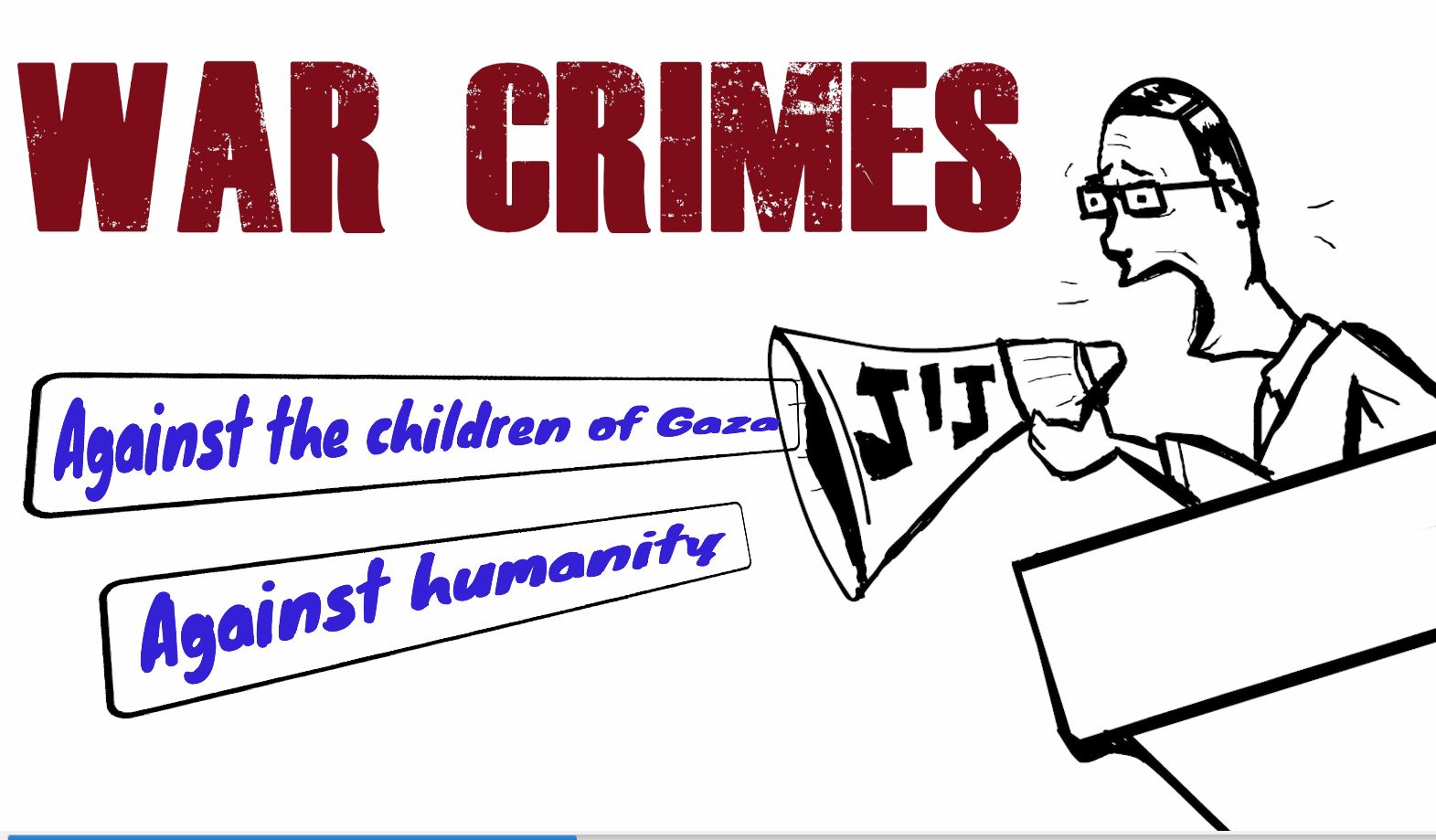
The Jerusalem Institute of Justice The Complainant v. Ismail Abdel Salam Ahmed Haniyeh (إسماعيل عبد السلام أحمد هنية). Accused of war crimes committed against the children of Gaza. Communication to the Prosecutor of the International Criminal Court regarding the militarization of children as amounting to war crimes by Ismail Abdel Salam Ahmed Haniyeh
Submitted on September 13, 2018
EXECUTIVE SUMMARY
We, the Jerusalem Institute of Justice, submit this communication to the Office of the Prosecutor of the International Criminal Court concerning Ismail Haniyeh’s war crimes through the recruitment, enlistment and use of children below the age of 15 to participate directly in hostilities in an armed conflict.
On January 16, 2015, the Prosecutor began a preliminary examination into the “situation in Palestine” to determine whether a full investigation should be opened for crimes committed within the Palestinian territories. In this communication, we contend that if any full investigation is to be pursued into crimes committed “Palestine” then a case should be lodged against Haniyeh.
Haniyeh is, and has been at all times material to this communication, a senior leader of Hamas. He has played a pivotal role in developing and enforcing Hamas’s extremist ideology and consistent human rights violations against, amongst others, the Gazan civilian population. Not only did Haniyeh fail to prevent war crimes against children committed by Hamas operatives, he has actively encouraged the recruitment of child soldiers to bolster the Hamas military and paramilitary forces.
In this communication we provide evidence that Haniyeh is guilty of the war crime of conscripting, enlisting or using children below the age of 15 to participate actively in hostilities. Though this known colloquially as using “child soldiers”, the crime also includes the use of children to support hostilities, including as “human shields”.
First as the de facto and subsequently the de jure leader of Hamas, Haniyeh wielded effective control over the relevant activities in the Gaza Strip. Hamas’ interconnected command structure is such that the political, social and military wings of the organisation are intertwined, and in reality under a common, highly-centralised leadership. Accordingly Haniyeh knew of and was in a position to prevent the enlistment/conscription/use of children as active participants in hostilities, but failed to do so. Secondly and even more egregiously, Haniyeh was an active proponent of the enlistment/conscription/use through his attendance of graduation ceremonies for military training camps aimed at recruiting children, and giving numerous speeches in which he advocated children joining the military struggle against Israel.
The case is grave enough to merit further investigation. Haniyeh’s crimes have had and will continue to have devastating consequences on the children of Gaza, their families as well as their society and region. Apart from mental and physical injuries or even deaths, these actions destroy the childhood of their victims, and perpetuate an endless cycle of conflict which benefits no one but the Hamas leadership. There is no prospect of local justice; the Hamas-dominated Gazan Courts have done nothing to punish those who play a direct role in committing these crimes against children.
Haniyeh’s crimes are not merely historical; they are ongoing and contribute to the radicalisation of each new generation of Palestinians – rendering peaceful coexistence with their neighbours increasingly difficult. The ICC therefore has the rare opportunity to take an important step not just in punishing perpetrators and deterring war crimes, but also in improving Gaza’s civil society and promoting peace. For all these reasons, we urge the Office of the Prosecutor to launch a full investigation into the actions of Haniyeh.
EU's Schizoprenic Position On Hamas
An Evaluation of European Policy towards Hamas
In 2017, the European Court of Justice ruled on an appeal by the European Council and set forth that Hamas will remain on the list of terror organizations. This appears to indicate that the European Union (EU) is convinced of the terrorist nature of Hamas, de-legitimizes the organization and tries to prevent its funding. However, the EU's position concerning Hamas is not so clear-cut. Firstly, the EU faces challenges implementing the prevention of funding to Hamas due to its own provision of humanitarian aid to the Gaza Strip, which often implicitly benefits Hamas who maintain effective control over the area. More interestingly, the EU's political response is often highly critical of Israel when addressing the blockade of the Gaza Strip and the hostilities there.
This criticism is an attempt to transfer responsibility from Hamas to Israel. It is important to understand that these political responses by the EU implicitly consolidate Hamas' rule and in a sense, they become a source of legitimacy for the organization. Moreover, the EU's response should be understood in a broader framework, in which it legitimizes Hamas as an organization fighting a legitimate struggle for the Palestinian people, without condemning its methods and practices of terrorism. The EU should acknowledge the responsibility Hamas has in creating the humanitarian crisis in the Gaza Strip. The rule of a terrorist organization over the Gaza Strip is problematic, both for the local population and for Israel. Therefore, the EU should problematize the rule of Hamas, and implement measures that will either put pressure on Hamas to abandon its terrorist identity, or that will lead to the complete removal of Hamas from control over the Gaza Strip.
Read full report
Downloads
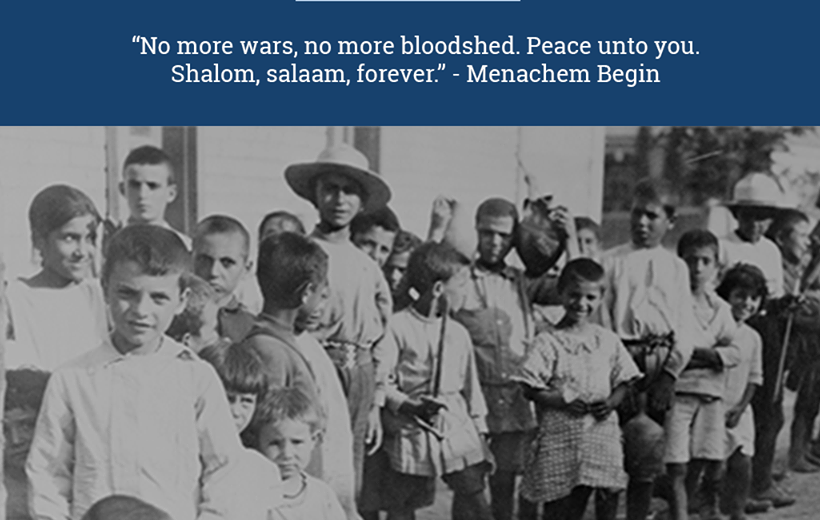
A Difficult Quest For Peace
A History of Public Opinion from 1967-2017
Fifty years ago, confronted with clear evidence of an impending Egyptian-led invasion, Israel's leaders gambled its national survival by launching a pre-emptive assault. What became known as the "Six Day War" has since become a signal historical event in the nation's history, and still shapes the collective consciousness of the Israeli people. Within less than a week, the tiny country's territory tripled.
The unsought Israeli control of East Jerusalem, the West Bank, the Golan Heights, the Gaza Strip, and the Sinai Desert brought urgent questions before the nation. Should Israel permanently annex one-or-more of these regions? Might they serve, instead, as critical bargaining pieces in a quest to persuade her enemies to abandon their dreams of Israel's destruction? What legal and ethical principles should guide the national debate?
Fifty years later, East Jerusalem has been integrated into Jerusalem's municipal borders. To meet critical security needs, the Golan Heights has been annexed into Israel. The Sinai Desert was returned to Egypt. Although Israel withdrew voluntarily from Gaza, the final status of Gaza and the West Bank remain undetermined. In other words, the questions posed by the miraculous outcome of the Six Day War remain unanswered.
The opinions of the Israeli people about these complex legal, ethical, political, and security issues have been measured, repeatedly, for five decades. Polling data makes up an overlooked, but vital, vector of national feedback during several crucial phases of the post-1967 era. Changing national convictions have influenced the decisions of political leaders, even as those leaders have, in turn, shaped public views.
This paper tracks the public's evolving response to the continuing conflict and, especially, to the indeterminate status of the territories. We conclude that the public showed a surprisingly sophisticated, if intuitive, grasp of the substantial risks tied to the most sweeping proposals and initiatives spanning 1967 to 2017. Our analysis will help anticipate, to some extent, the pathway which still lies ahead for the nation.
Download
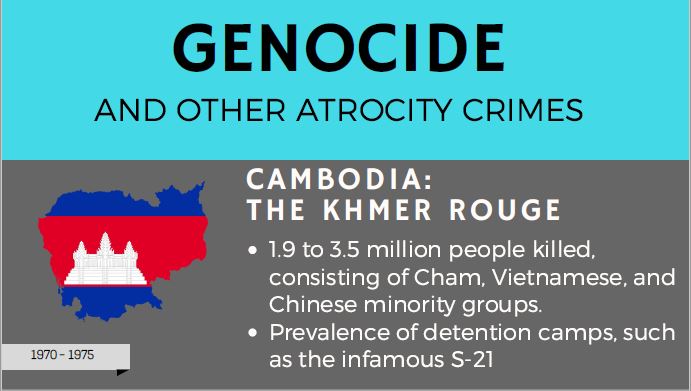
UNITED NATIONS AND GENOCIDE
A Comparative Historical Assessment on the Ability of the UN
to Protect Populations from Genocide
The Jerusalem Institute of Justice conducted a report assessing the ability of the United Nations to protect populations from genocide. The document analyzes the legal obligations of the international order to protect populations from genocide, as well as the success the UN has had in doing so. The report is split into three sections: historical background, current assessment, and discussion and recommendations. JIJ took into consideration six case studies total, three historical instances of genocide and three current events. From these analyses, the report then draws a conclusion on whether the UN successfully protects populations from genocide. Finally, JIJ provides several recommendations for the UN and other intergovernmental organizations to improve the protection provided to vulnerable populations.
Historical Background
After providing the UN definition of genocide and the methodology used to conduct the report, JIJ explores in the document the significance of the Holocaust in the establishment of the United Nations and the creation of a body meant to protect vulnerable populations. The historical uniqueness of the Holocaust and the inability of the world to prevent it sparked the need for an international body to prevent and punish such crimes against humanity – and thus, the United Nations was born.
However, incidents of genocide that followed the establishment of the UN exposed the flaws in the organization’s ability to enforce preventative or protective measures. In fact, although the Convention on the Prevention and Punishment of the Crime of Genocide mandates that contracting parties make an effort “to prevent and to punish” genocide, there is no mention of counteracting it. Cambodia, Rwanda, and Yugoslavia – three countries which experienced a genocide after the establishment of the UN – were all addressed by the UN and had a peacekeeping force (PKF) sent before the tensions escalated into genocide. The PKF, however, were clearly unsuccessful. This was due partially to the narrow parameters the PKF were given to work, and partially to a lack of political will to engage. Because of complex regional and interstate conflicts, the UN was unable to gather a consensus to form a mandate strong enough to keep the violence from escalating. In other words, politics got in the way of protection of human rights and lives – all three times.
Current Assessment
Several current conflicts have been identified by the UN as either crimes against humanity or genocide. The conflicts analyzed in this report are Darfur, the Rohingya people in Myanmar, and ISIS and Syria. Once again, the UN has failed to label any of these as a genocide (except for ISIS’s violence against the Yazidi people), further demonstrating the lack of a political will to intercede, as labeling them as a genocide would obligate the UN to act. Instead, by recognizing the crimes against humanity, the international order is able to enforce weak mandates and sanctions that do not complicate international relations among permanent member-states of the United Nations, but also do nothing to stem the tide of violence in the regions. Furthermore, no action can be taken without a unanimous decision made by the permanent member-states of the UN. Because of the complicated relations among these states, unanimity is rare. History appears to be repeating itself, as politics are once again impeding the international order’s ability to protect populations from genocide.
Discussion and Recommendations
The report concludes with an analysis of the problems affecting the UN’s ability to protect from genocide. These problems include politicization and lack of political will. Politicization refers to the tendency of the UN to become so consumed in interstate politics that human rights abuses become a secondary issue. Despite the founding assumption that the global community has a responsibility to protect, the UN has struggled to achieve a collective will to intervene in genocide and other crimes against humanity due to politics. Lack of political will is related in that states do not believe intervention to be in their national interest, and as a result have no incentive to intervene. This again implies that politics, specifically domestic politics, supersede international human rights.
JIJ then offers a series of recommendations to the UN to better protect vulnerable populations. These recommendations, designed to address the problems analyzed in the report, cover a wide variety of possible solutions, from adding “counteracting” genocide to the language of the Convention to enforcing stricter human rights requirements of member-states. The recommendations also include demanding better accountability and challenging the notion that international human rights abuses are not of national interest, thus addressing the problem of politicization.
Should the UN (or other IGOs and human rights activists) adopt these recommendations, the international community would be better equipped to prevent, counteract, and punish genocide. Minimizing politicization, enforcing stronger mandates, encouraging states to intervene, and providing incentives for states to maintain a certain human rights standard are basic yet vital changes that can be made to improve the global response to genocide. Once we are able to look at the past and recognize where we went wrong, we will be able to address the problems that still exist today and, hopefully, work together towards a future of human rights and dignity for all.
Download
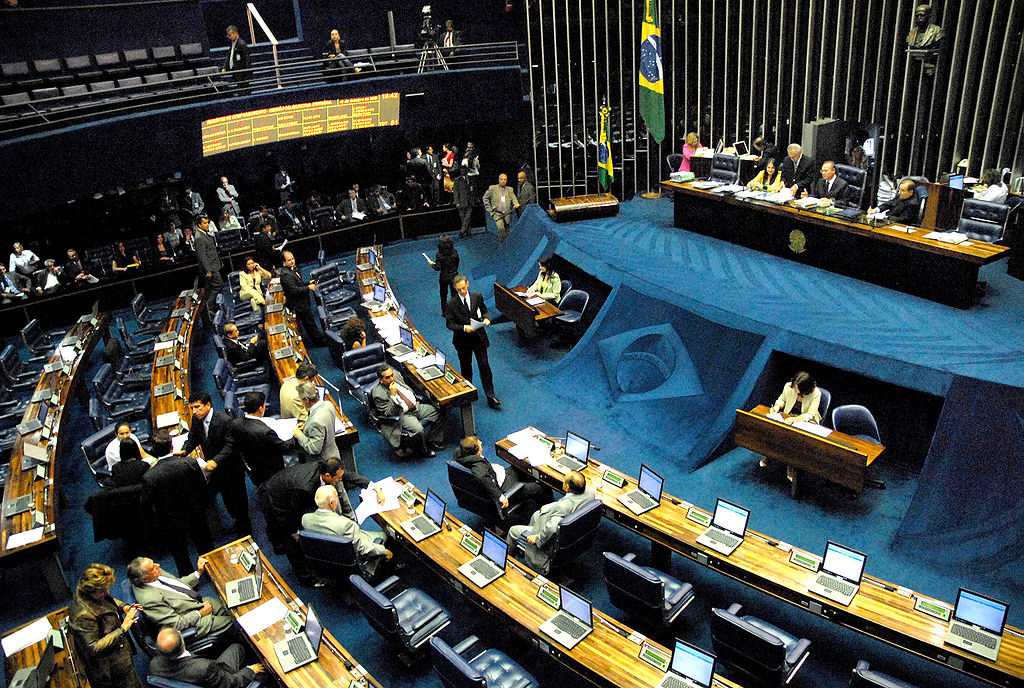
Donations from Brazil to Gaza
The Brazilian government, in an effort to help people who are genuinely suffering in Gaza, has donated to UNRWA. As seen in this report, this international aid ends up in the hands of terrorist groups because of UNRWA’s association with Hamas. Brazil is therefore financing terrorists groups by supplying them with food and financial aid.
Download
NGOs in Human Rights Monitoring
This report examines the different actors involved in the UN human rights monitoring system, specifically treaty bodies and civil society actors. It also surveys in detail the role of NGOs as civil society actors reporting to UN bodies and then highlights human rights issues identified during the course an internship at the Jerusalem Institute of Justice.
Download
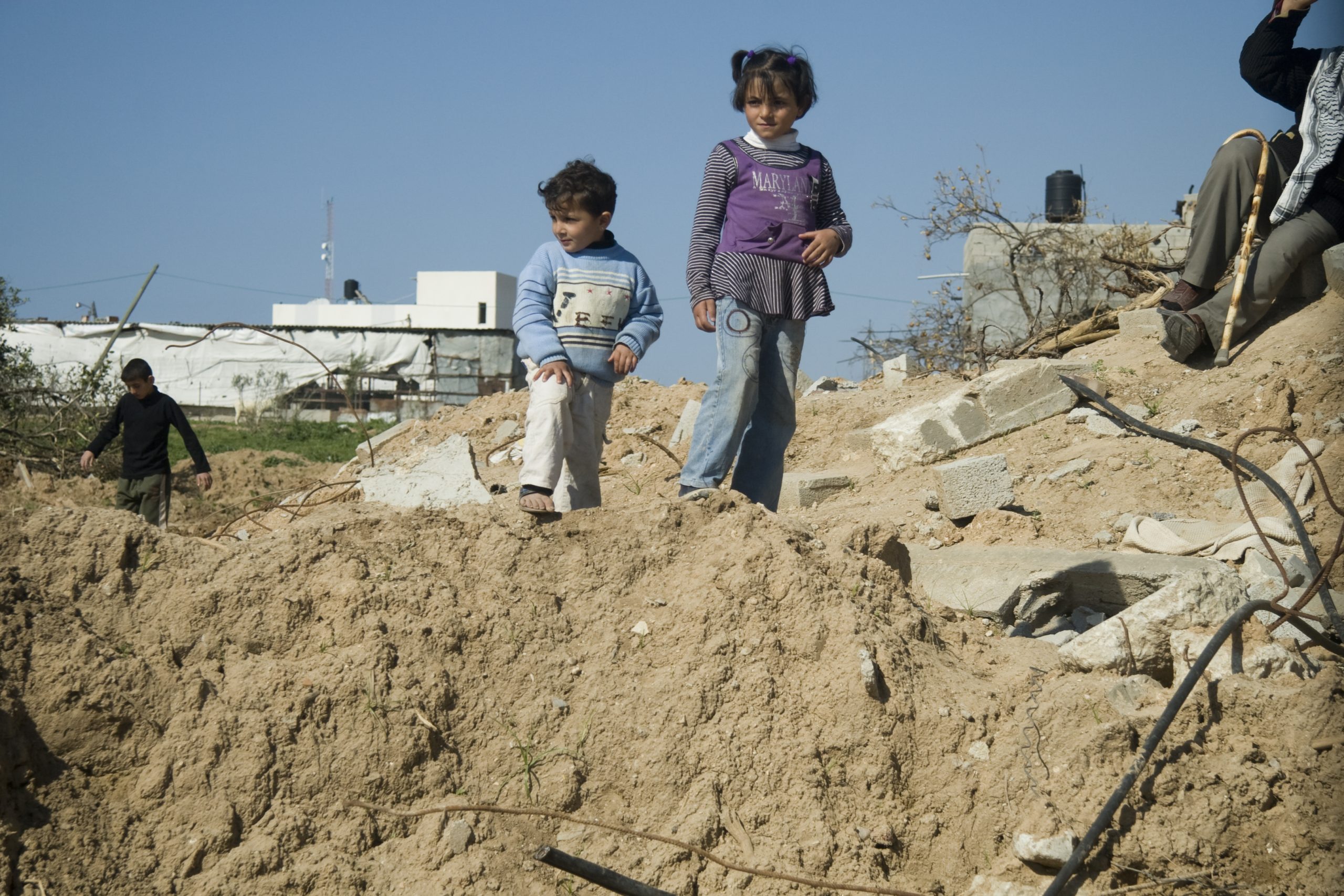
Sons of Violence - Palestinian Children
Violations of Children’s Rights Under the Palestinian Authority and Hamas
This report examines the degree to which the Palestinian governing authorities in the West Bank and Gaza adhere to United Nations Committee on the Rights of the Child (CRC). With a population of 4,550,368 people in 2014 9 and 47.5% being under the age of 18 in mid-2013,10 the West Bank and Gaza have one of the youngest populations in the Middle East. According to both the Palestinian Central Bureau of Statistics (PCBS) and the World Bank, 40% of the population was under 15 11 and 30% aged between 15 and 29 in 2014. 12 In 2013, 70% of the Palestinians in the West Bank and Gaza were under the age of 24. The implementation of the CRC in the Palestinian territories thus takes on even greater importance. The foremost current violations of children’s rights in the West Bank and Gaza as detailed in this report suggest that neither the PA nor Hamas intended to fulfill their international promises.
Download

Torture and Cruel, Inhuman, Degrading Treatment or Punishment under the PA and Hamas
In this report, the Jerusalem Institute of Justice (JIJ) examines the observance of the UN Convention against torture and other cruel, inhuman or degrading treatment or punishment (UNCAT) signed by the Palestinian Authority (PA). Through research and personal interviews, JIJ evaluates human rights deficiencies throughout the territories under the control of the Palestinian Authority and Hamas in accordance with international legal norms. Despite the Palestinian Authority’s formal commitment to international human rights standards, this report documents a broad array of continuing abuses. The ratification of the UNCAT and other conventions by the Palestinian Authority, does not seem to have sufficient legal weight necessary to stop the abuse of human rights. As long as the Palestinian Authority does not respect the Convention and continues to allow torture and ill treatment, there will never be freedom, but a constant fear of torture without redress..