Observations ‘Situation in Palestine’
JIJ submited to the International Criminal Court these written observations on the unresolved matters of jurisdiction with respect to the ‘Situation in Palestine’.
In accordance with the Pre-Trial Chamber’s order of July 22, 2024, granting the Jerusalem
Institute of Justice (JIJ) leave to submit observations pursuant to Rule 103 of the ICC Rules
of Procedure
The Jerusalem Institute of Justice submitted its reservations to the International Criminal Court (ICC) , stating that the tribunal may not exercise its authority over Israeli citizens, in light of the Oslo Accords, which were signed between the State of Israel and the Palestine Liberation Organization (PLO) and regulated the jurisdiction in these territories.
This submission follows a request by the ICC prosecutor to issue arrest warrants against Prime Minister Benjamin Netanyahu and Defense Minister Yoav Gallant for their alleged responsibility for war crimes and crimes against humanity. Representing survivors of the Hamas massacre on October 7, the JIJ seeks to challenge the tribunal's attempt to exert authority over Israeli citizens, contrary to the Oslo Accords. In the documents filed, the JIJ's legal experts dispute the classification of "Palestine" as a state and argue that the Gaza Strip is not under occupation.
The Jerusalem Institute of Justice shares the ICC's commitment to fight impunity for serious violations of international law. At the same time, this goal cannot be realized at the expense of circumventing existing legal frameworks. We call on the tribunal to refrain from making unilateral decisions that could damage the peace process.
JIJ unequivocally argued that the Oslo Accords, which govern relations between Israel and the Palestinians, constitute a binding and central legal document recognized internationally. According to these agreements, the Palestinian Authority has no criminal jurisdiction over Israeli citizens and cannot transfer powers it does not possess to the ICC.
The JIJ also noted that in its 2021 decision, the tribunal declared it could not determine whether Palestine was a state. The Chief Prosecutor’s current classification of the conflict, both as an international conflict and as a non-international conflict, stems from uncertainty in the law and its interpretation by the tribunal. This situation affects the types of crimes investigated and creates an imbalance in the application of the law between the different parties.
For an entity to be considered a state and for the conflict to be classified as an international conflict, it must meet four conditions: a permanent population, a defined territory, an effective government, and the ability to engage in international relations. The JIJ argues that Palestine does not meet these conditions, and its unilateral declaration of statehood contravenes the Oslo Accords and is therefore illegal under international law.
The second option for recognizing the conflict as an international confrontation is to acknowledge the occupation. In this respect, JIJ argues that Israel withdrew from the Gaza Strip in 2005 and does not control it, a necessary element for being considered an occupier. Thus, Israel's current military actions in Gaza are characterized as a response to active hostilities of Hamas, not an occupation.
JIJ emphasizes the need to respect existing agreements and the rules of international law and warns against any modifications, deviations, or reinterpretations of these agreements by the tribunal. The Institute further notes that, to ensure a clear and fair legal framework in Israeli-Palestinian relations and to prevent unilateral decisions that could jeopardize the peace process, the tribunal must uphold what the parties agreed to in the Oslo Accords and the boundaries defined therein.

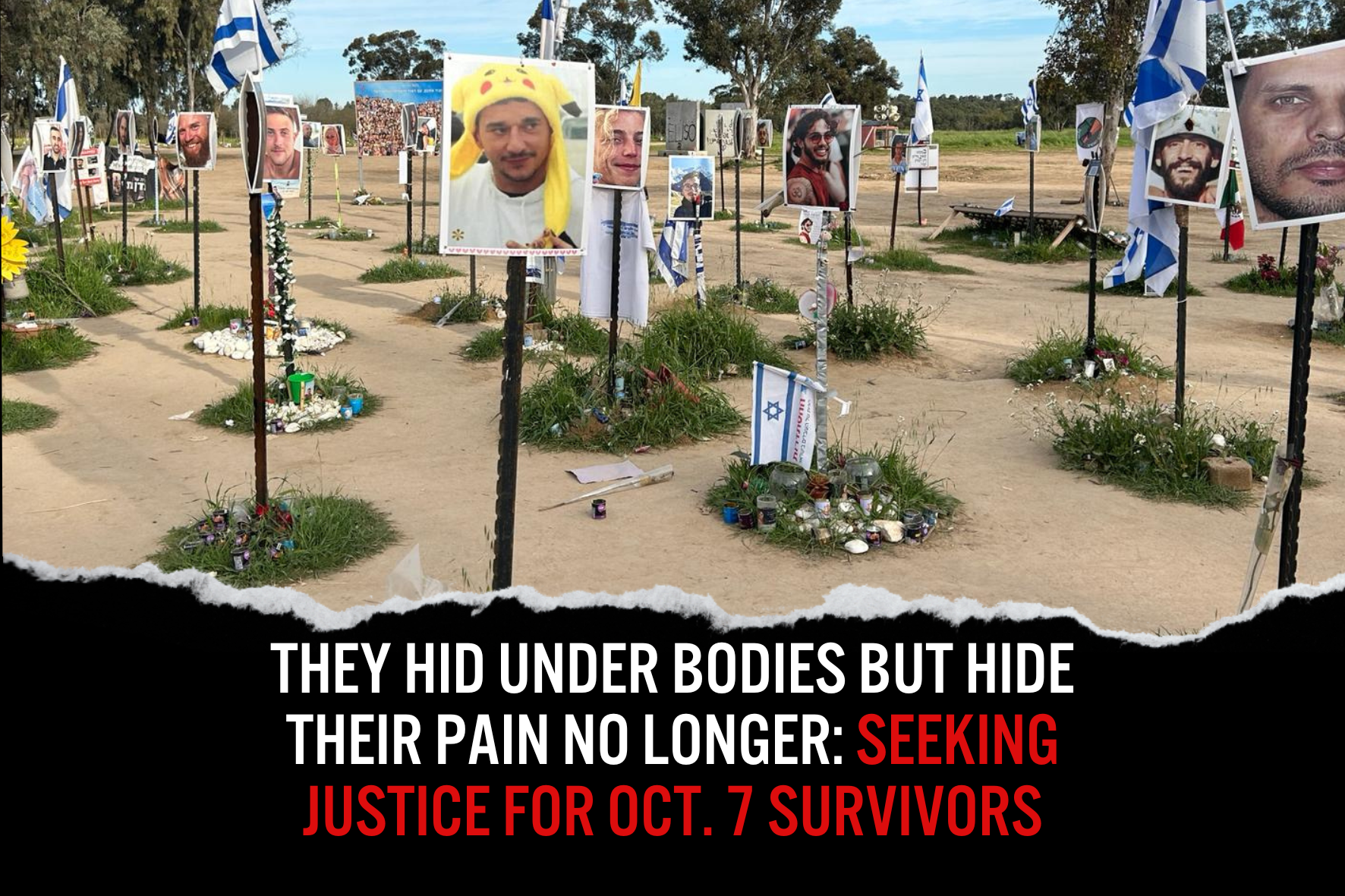
Seeking justice for Oct. 7 survivors
‘I can’t explain how heavy a body becomes when it is dead,” she shared with preternatural calm. It was my first meeting with Yuval Raphael, a 23-year-old with a clear sense of mission, and an undeniable presence.
Despite the pain she carried, her motivation and focus were obvious, especially in her expressive eyes. As she spoke, everyone in the room was captivated by her unwavering voice, which hinted at both readiness and a profound sense of purpose.
Yuval survived the Supernova massacre by hiding in the far corner of the public bomb shelter just outside of Kibbutz Be’eri. We met in February. Four months had passed since October 7 and she was finally ready to tell her story to a team of lawyers and human rights advocates.
For the past seven months, the media spotlight has intensely highlighted the suffering of hostages and victims of Hamas’s sexual violence. However, it’s vital to acknowledge the thousands of survivors who are also struggling, and deserve recognition and justice. From the onset of this conflict, the Jerusalem Institute of Justice (JIJ) has dedicated itself to supporting these Israelis, focusing on their recovery and restitution as a crucial part of our nation’s path forward. Their stories and their healing are fundamental to the fabric of our community.
Approximately 50 festival attendees sought shelter with Yuval, thinking that the small concrete structure would provide safety from the constant barrage of rockets. Instead, this small shelter became their tomb, as the terrorists strafed the inside with bullets at regular intervals and threw grenades. During their first infiltration, Yuval became trapped under the dead body of another young woman. There she would stay for 8 hours, playing dead.
“Every time we [those who were still alive] raised our heads, we couldn’t understand why there were less and less people in the bomb shelter. We thought the terrorists were taking the dead bodies. We didn’t realize it was because of the grenades, blowing up their bodies.” Of the 50 people who sought shelter with Yuval, only 12 survived long enough to be rescued – not by the IDF, but by the father of Nitzan, another young woman hiding in the bomb shelter.
IN MARCH, Yuval joined the JIJ legal team at the UN Headquarters in Geneva, where she engaged extensively with a broad array of ambassadors from around the world, testifying before diplomats of various nations. As she told her story yet again, this time before a distinguished audience, I was haunted by the parallels to my own experience in Gaza in the summer of 2001.
I was 19 years old, stationed in Gaza as a Givati combat soldier. This was well before Israel’s 2005 Disengagement, a time when our military bases, strung like vigilant sentinels along the Gazan border, were the linchpin of security. These outposts were more than just strategic positions: They were our frontline defense – critical for overseeing border crossings, curtailing the flow of arms, and swiftly countering threats.
On a hot summer night, two terrorists penetrated our base, killing my friend Tzachi, along with my commander and his medic. I was 300 meters away and heard about the attack on the radio. My friends who witnessed their murder directly stood inside the first circle of trauma and have struggled ever since to reach the normal milestones of adulthood.
My first brush with Hamas came 23 years ago when I was 19, two weeks before the 9/11 attacks in America. Since then, Hamas’s leaders have amassed a combined net worth of $11 billion. They came for Yuval when she was 23, leaving shrapnel under her skin, and a mind full of nightmares. Hamas leaders have vowed to do this again. As Hamas spokesperson Ghazi Hamad stated, “We must teach Israel a lesson, and we will do it again and again. The Al-Aqsa flood [October 7] is just the first time, and there will be a second, a third, a fourth.”
THE HARROWING experiences recounted by survivors like Yuval Raphael underscore the urgent need for accountability and justice. Initiatives such as legal action against the perpetrators of Hamas are not only crucial for providing closure and restitution to the survivors, but also for upholding the principles of international law.
At a time when the International Court of Justice draws a skewed moral equivalency between an unprovoked slaughter initiated by the leaders of a terrorist organization and the defensive actions of a democratic country, and when the chief prosecutor of the International Criminal Court announces plans to issue arrest warrants against Israeli leaders despite Israel’s strong and independent legal system, it is even more crucial that the voices of the victims are recognized and heard.
By holding accountable those responsible for heinous acts of terrorism, we not only honor the resilience of the survivors, but also send a clear message that such atrocities will not be tolerated. It is imperative that we support efforts to pursue justice, whether through domestic legal mechanisms or international institutions like the International Criminal Court in The Hague, in order to break the cycle of violence and build a safer, more just world for future generations.
The writer serves as the director of international law and public diplomacy at the Jerusalem Institute of Justice, an Israeli organization with special consultative status at the United Nations. The institute has represented survivors of terrorism, human trafficking and discrimination for 20 years. Before attending law school and joining the Israel Bar Association, the writer served as a combat soldier in the IDF.
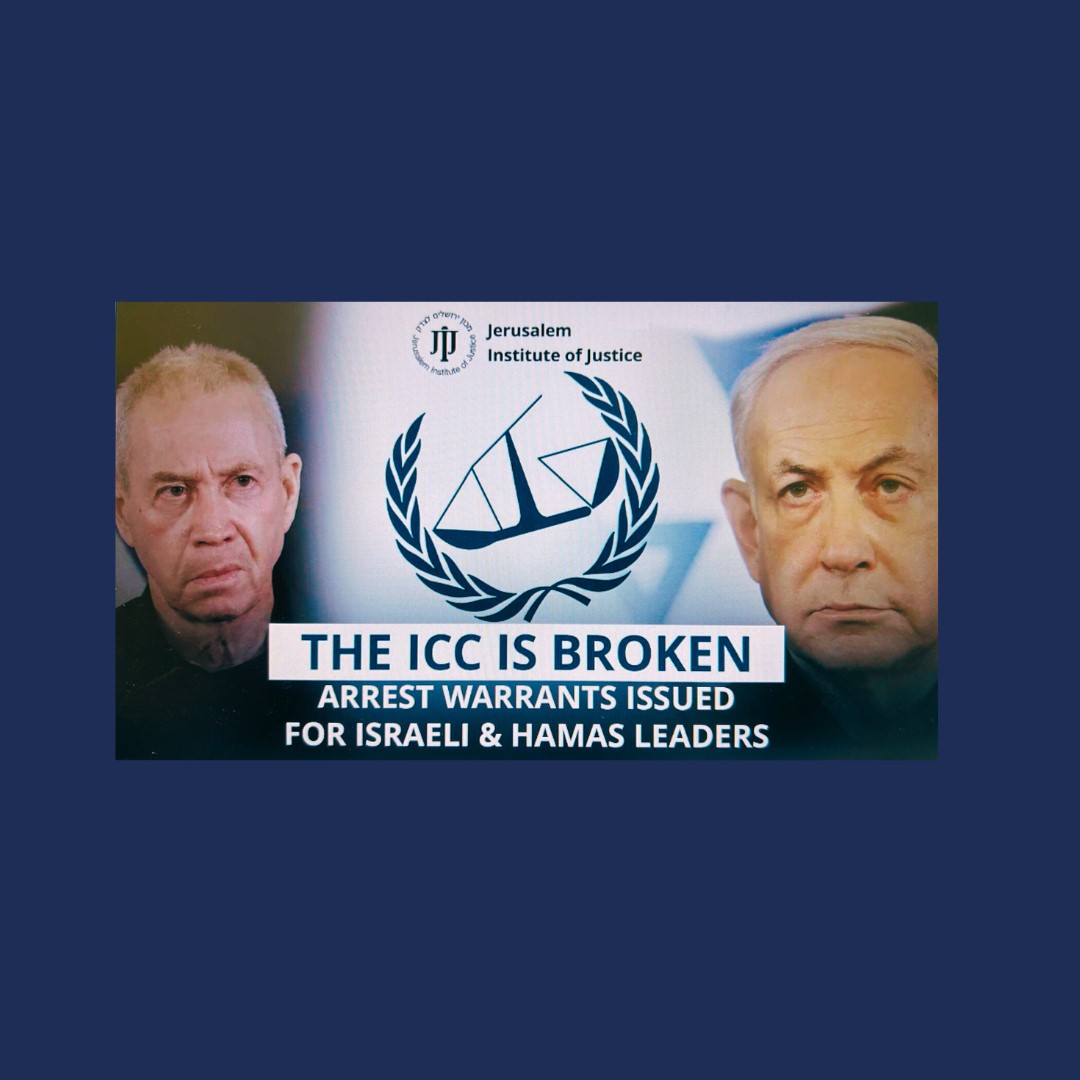
Response to ICC Prosecutor’s Request for Arrest Warrants for Hamas & Israeli Leaders
The Jerusalem Institute of Justice welcomes the ICC Prosecutor’s request for the issuance of
arrest warrants for Hamas’ leaders Yahya Sinwar, Mohamed Deif, and Ismail Haniyeh. We
are disappointed that Hamas’ leaders were not charged with the crime of genocide, despite
constantly expressing their fervent intent to exterminate all Israeli nationals and Jews, and
live streaming the evidence of how they brought this intent to action on October 7th.
We are appalled that the Prosecutor intentionally delayed this maneuver, seeking to pair it
with a request for arrest warrants for Israeli leaders Benjamin Netanyahu and Yoav Gallant.
If the Pre-Trial Chamber approves of this linkage, it will draw a false moral equivalence
between the parties to this conflict.
Since its establishment, the ICC has refrained from pursuing democratically elected officials
whose armies are engaged in wars of self-defense. It is fundamentally reckless to break from
this precedent for the first time when the democratic officials in question are the leaders of
the world’s only Jewish state, and at a time of rising global antisemitism. This development
will only serve to validate the claims of Hamas’ sympathizers across the globe, inspiring
more frequent and more violent attacks on Jewish people across the Diaspora.
The State of Israel has demonstrated that it is able and willing to investigate its own soldiers
and officials for any alleged violations of international law, including international
humanitarian law. Consequently, and in accordance with the principle of complementarity,
one of the most basic principles of the ICC, the Court should refrain from interfering.
The Prosecutor’s case against Israel rests on charges of “starvation” in seeming ignorance of
the fact that unprecedented levels of aid have entered Gaza since October 7th, including
400,000 tons of donated food.
Jerusalem Institute of Justice has sought the arrest of Hamas’ leaders through repeated
requests to the ICC’s Office of the Prosecutor since 2017, highlighting their systematic use of
torture, indoctrination of children, recruitment of child soldiers, and the abuse of civilians as
human shields. If they had been arrested for those crimes years ago, perhaps October 7th
never would have happened.
Despite today’s disappointing developments, we remain committed to pursuing justice for the
survivors and victims of Hamas’ atrocities, including through continued engagement with the
Office of the Prosecutor.
How to Stand Up for Israel Webinar when the World asks us to Sit Down
Learn how to stand for Israel, address some of the thorniest accusations against Israel, and deepen your understanding of the fundamental issues and interests that shape Hamas' propaganda war.
Highlights include a lively discussion on:
What does the Palestinian nationalist movement really want? [5:18]
3 Arab massacres of Jews you didn't learn about in school. [6:45]
Is Israel committing war crimes or genocide? [12:29]
The anatomy of a blood libel. [16:33]
Why are some Jewish people anti-Israel? [27:51]
How Hamas shapes the United Nations' narrative. [41:17]
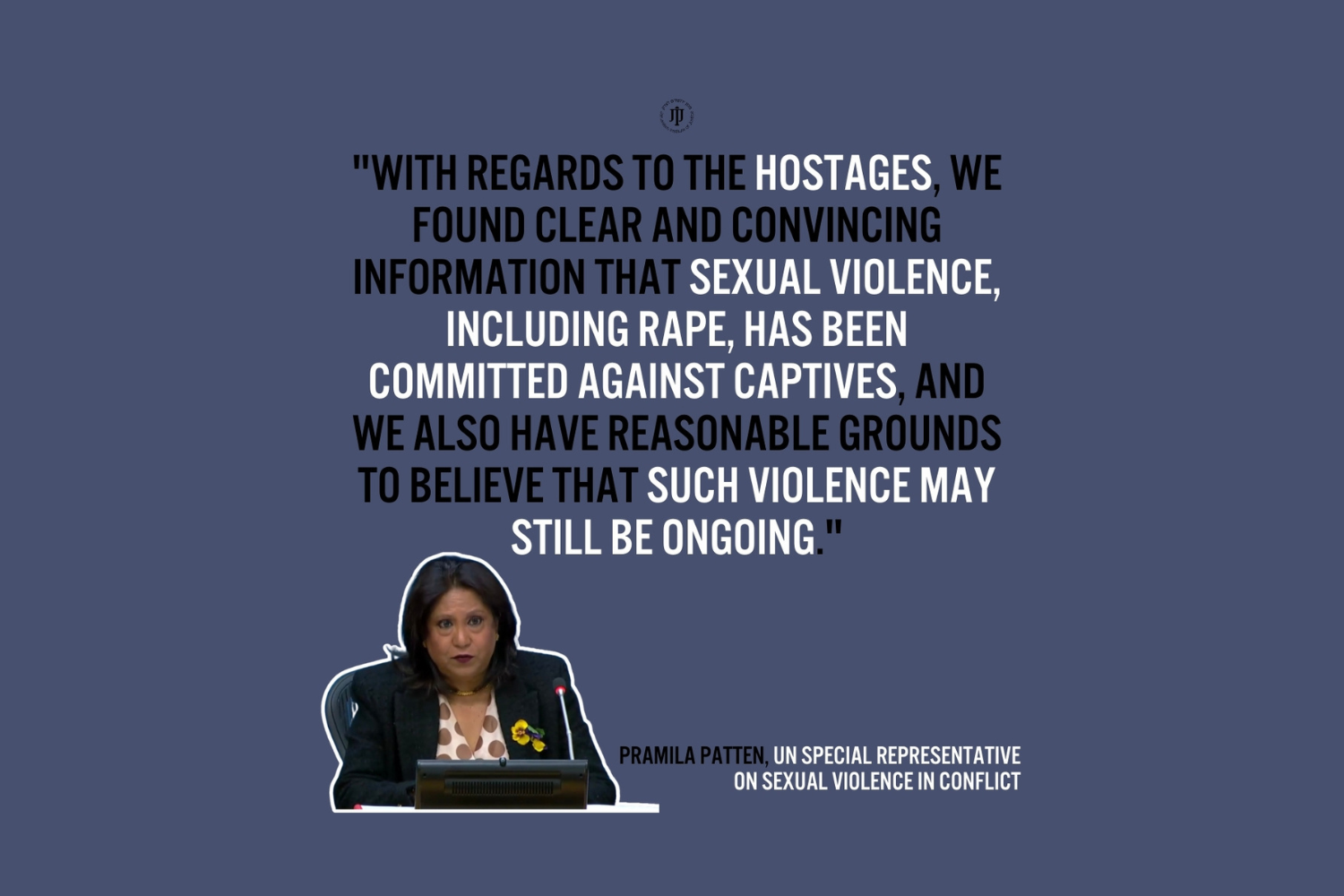
United Nations admits Hamas committed sexual violence on and after Oct. 7
Pramila Patten, a senior UN official, came to Israel a month ago with a mandate to gather information on claims that Hamas terrorists had committed rape and other acts of sexual violence against Israeli women and men on October 7th. Her trip came after months of conspicuous silence on the matter from UN Women, and appalling statements from other UN officials that amounted to gaslighting and atrocity denial.
JIJ’s team of human rights lawyers and researchers met with Patten's team on February 8th. We presented detailed testimony and gruesome photographs taken by first responders who had handled the bodies of the October 7th victims. Watch their public testimony HERE.
JIJ has UN consultative status, which gives us access to senior U.N. officials at critical moments like this. We chose to bring forth the evidence we had collected, for the sake of the murdered victims and living survivors who are still too traumatized for an invasive interrogation.
On Monday, Ms. Patten published her report, finding:
- “Reasonable grounds to believe that sexual violence occurred in multiple locations during the October 7th attacks, including rape and gang rape”
- “The recurring pattern of female victims found undressed, bound, and shot”
- “Clear and convincing information that sexual violence, including rape, sexualized torture, and cruel, inhuman and degrading treatment occurred against some women and children during their time in captivity and … that this violence may be ongoing."
Read the full report HERE.
This is a rare and valuable admission from a senior UN official, that Hamas intentionally used sexual violence as a weapon of war. This rare moment of truth-telling wouldn’t have come without your support.
JIJ does the painstaking work of collecting, interpreting, and presenting the evidence of human rights abuses in Israel and the Middle East. Our goal is to combat atrocity denial, fight for justice for the victims, validate the memories of the living survivors, and hold the perpetrators accountable.
We do this work within the UN, which has utterly failed so far to contend with reality:
- The UN General Assembly has refused to condemn Hamas.
- The UN Security Council still hasn’t recognized Hamas as a terrorist organization.
- The UN "Human Rights Council" was in session on October 7th and chose silence.
- Despite overwhelming evidence, most UN officials still refuse to acknowledge the atrocities committed on Oct 7.
With your support, we’ll continue standing up for Israel inside the UN system, fighting to release the captives, defund Hamas, and secure justice for all of Hamas’ victims.
Stories from the Frontline of Israel's War for Survival
Real accounts from former and current IDF soldiers & reservists and their stories from the frontlines of Israel's War for Survival against the terrorists in Gaza.
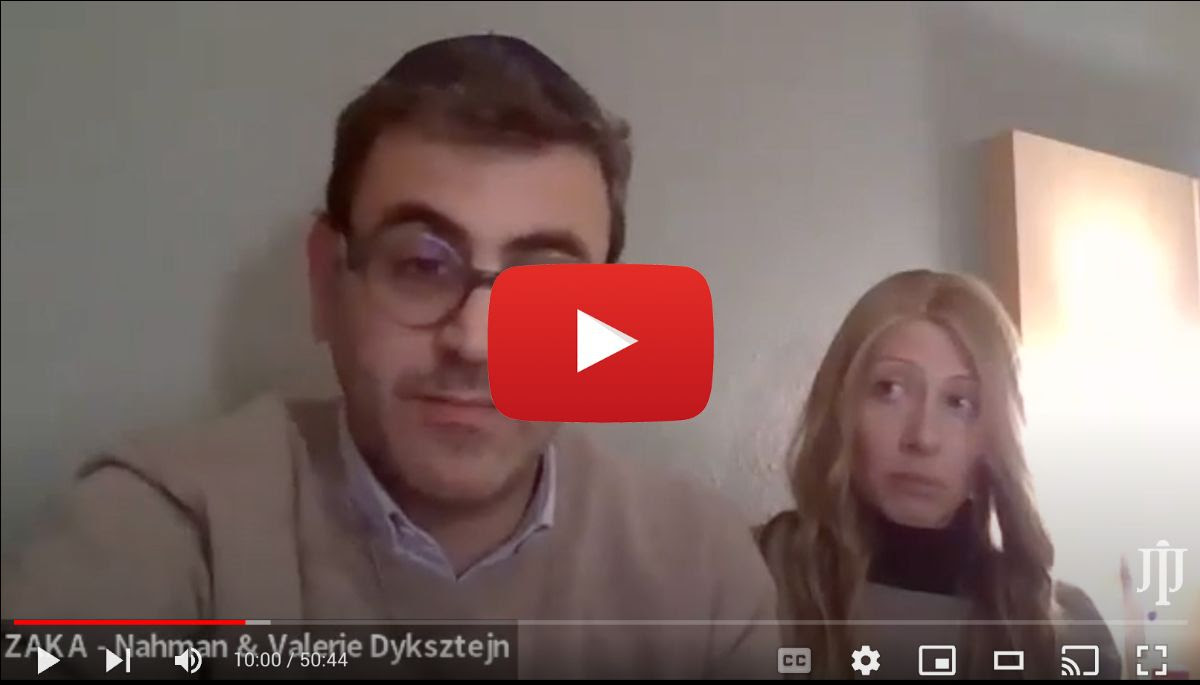
Eyewitness Account from Israeli First Responders
Eyewitness Account from Israeli First Responders - Nahman and Valerie Dyksztejn from ZAKA personally handled the bodies of October 7th victims and traveled this week to Geneva with JIJ to deliver a joint report that relies on their firsthand testimony. This report, which includes incredibly graphic photos, was presented to numerous UN officials and ambassadors from the Czech Republic, the United States, and Singapore. Hear their story.
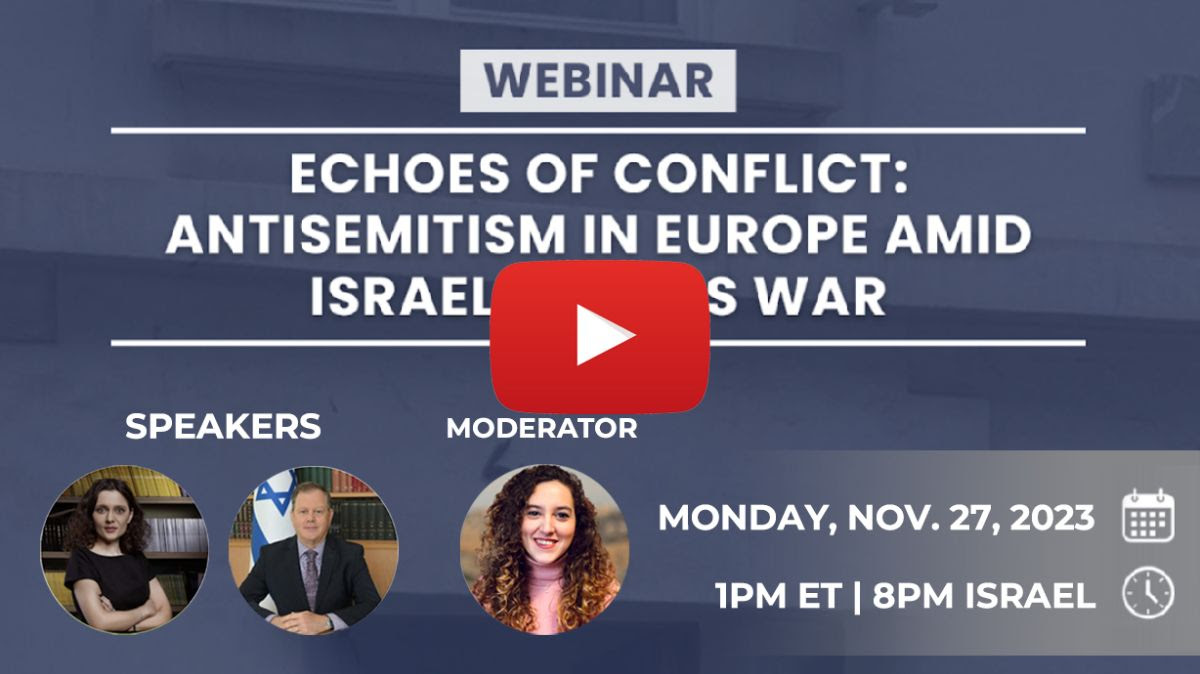
Echos of Conflict - Antisemitism in Europe Amid Israel-Hamas Conflict
In this webinar, we discuss the concerning rise of antisemitism in Europe amid the ongoing Israel-Hamas conflict. We were honored to feature perspectives from H.E. Daniel Meron, Deputy Director General for Europe at the Israel Ministry of Foreign Affairs, and Dr. Aleksandra Gliszcyńska-Grabias, Assistant professor at the Institute of Law Studies, Polish Academy of Sciences, and member of the Board of Governors of the International Association of Jewish Lawyers and Jurists..
As we highlighted in the discussion, the current crisis extends far beyond the Middle East, spurring a disturbing surge of antisemitism across Europe. We examined legal frameworks used to address this, as well as shifting dynamics between Israel and European nations.
The Laws of War in the Israel-Hamas Hostilities
The recent escalation of violence between Hamas and Israel, triggered by the October 7 incursion into Israel by Hamas militants, has sparked extensive legal discussions. The Israel-Hamas conflict is now a central topic in conversations about International Humanitarian Law (IHL), with diverse interpretations by legal experts regarding its application to key principles such as proportionality, distinction, and military necessity. In this podcast, we discussed the complexities of the Israel-Hamas conflict within the context of IHL.
Featuring Dr. Daphne Richemond-Barak and Dr. Ido Rosenzweig. It was moderated by Carolina Grimberg Golijov. We encourage you to watch the full webinar recording using the button below to hear these important perspectives on the ongoing crisis.
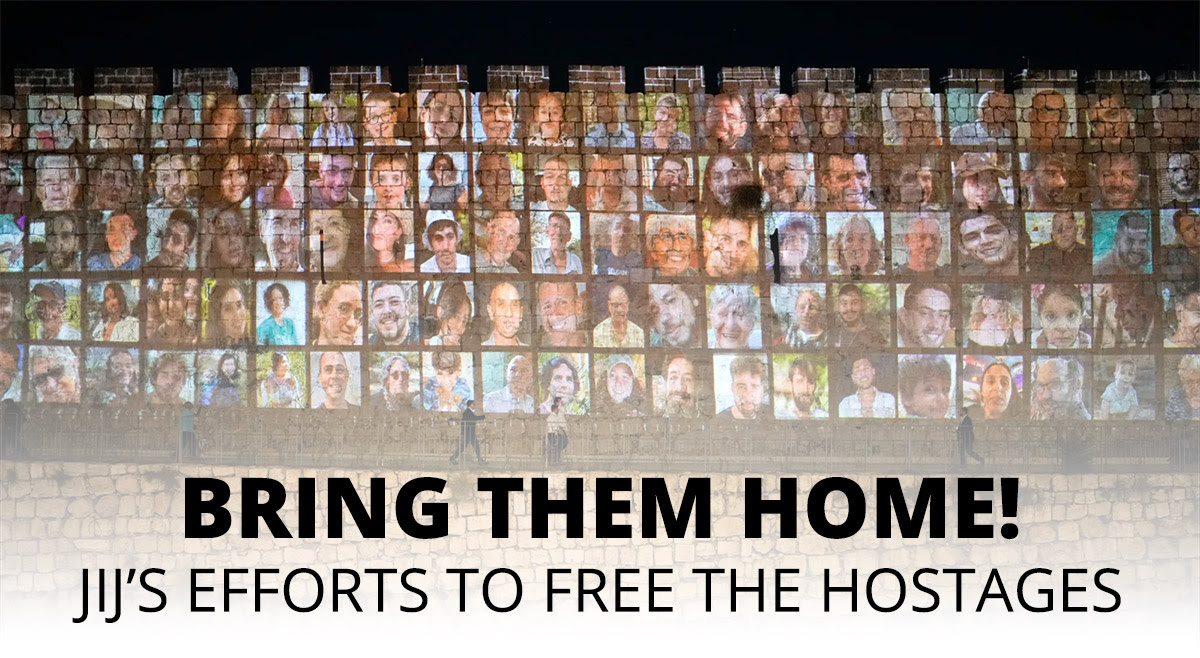
Israel at War Brief - November 9
Before we even finished burying our dead, mobs gathered in world capitals to celebrate our suffering and to lob accusations at the State of Israel for having the audacity to respond and prevent this from ever happening again. Anti-semitism is now surging worldwide, with attacks on Jewish synagogues, businesses, and people now commonplace. World leaders have gathered in Geneva and New York to condemn the only Jewish state, and they are tripping over themselves to shovel more money into the hands of Hamas. We have watched in horror as the worst pogrom since the Holocaust has turned into a fundraising bonanza for the intifada. We have the Islamic State in our backyard and Iran’s proxies firing from above. Truly, we are surrounded by our enemies.
And yet … the people of Israel are united in our resolve to fully and finally defeat Hamas. The military called up 360,000 civilian reservists, and 450,000 showed up within days. Many of our soldiers charged into battle wearing worn-out gym shoes, and they have remained steadfast on the front lines, despite constant rocket fire, and ambushes from underground tunnels. Over 250,000 Israeli civilians have been forced to evacuate their homes near our southern and northern borders, and they have been warmly welcomed by the hotels that are now empty of the usual tourists.