

Joint kinetic operation - USA & Israel
Legal Justification for Preemptive Self-Defense: The February 28, 2026, Joint Operation
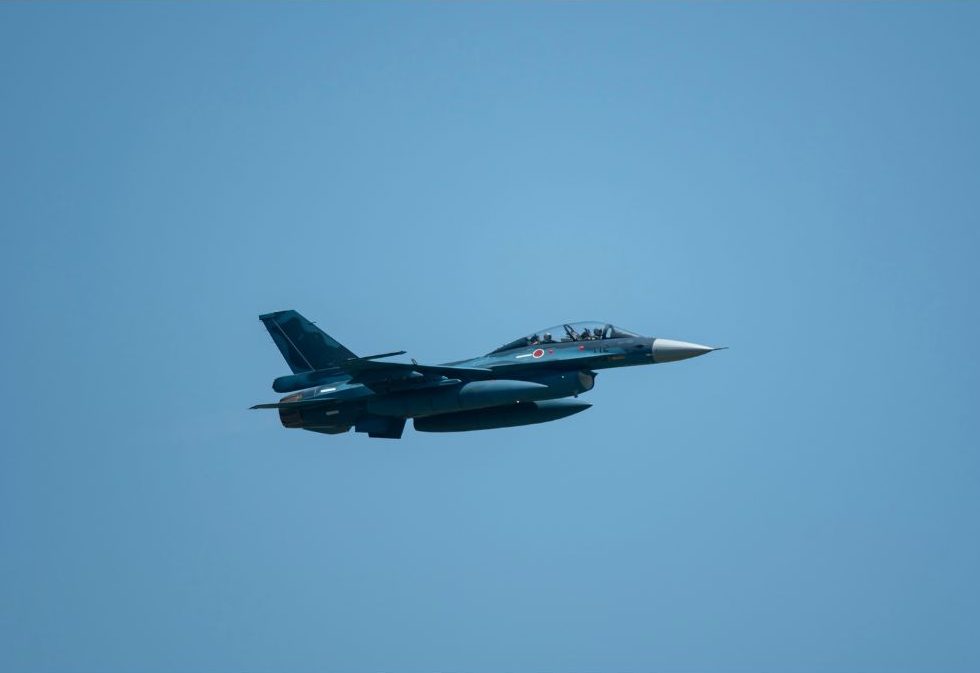
This position paper examines the February 28, 2026, joint kinetic operation conducted by Israel and the United States. It sets out the legal case for treating the operation as a lawful exercise of preemptive self-defense under Article 51 of the UN Charter in response to an imminent threat posed by Iran. Grounded in the Caroline test, ICJ jurisprudence, and relevant principles of international law, the paper argues that the operation was a measure of last resort, not an act of aggression
2025 Report - ECHOES OF DENIAL - OCT. 7TH ATROCITIES & RISING ANTISEMITISM
“Denial of atrocity crimes is a warning sign of societal fragility and the enduring presence of
the conditions that allowed this large-scale hatred and violence to erupt in the past.”
Alice Wairimu Nderitu, Under-Secretary General and Special
Adviser on Prevention of Genocide to the United Nations
Secretary General
The October 7, 2023, atrocities committed by Hamas against Israeli civilians were among the most documented terror attacks in history. Despite overwhelming evidence, including livestreamed videos and numerous survivor testimonies, a disturbing pattern of distortion and denial of these events has emerged. This report examines the denial of the October 7 atrocities, links such denial to rising antisemitism, and reviews the current legal frameworks addressing atrocity denial. It also discusses the necessity and promotes the adoption of new legislation against such denial and provides recommendations for international cooperation to combat this dangerous phenomenon.
Input to UN Special Rapporteur on Violence Against Women and Girls
Letter to the UN Special Rapporteur on Violence Against Women and Girls
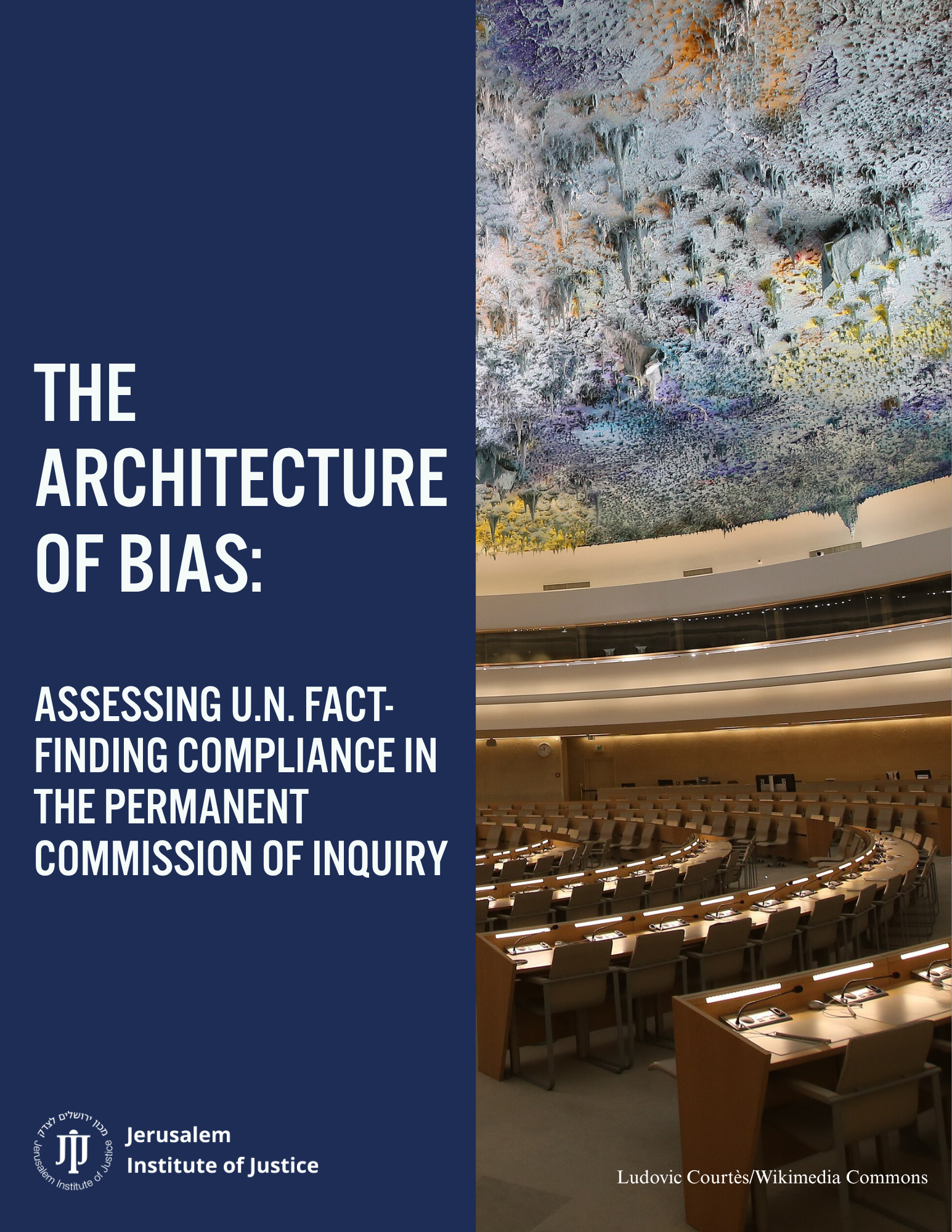
The Jerusalem Institute of Justice (JIJ) expresses its appreciation for Ms. Reem Alsalem's October 2024 Position Paper on exit programs for women in prostitution and submits input for her forthcoming UN report on sex-based violence. Israel's adoption of the Abolitionist/Nordic Model in 2018 marked a regional milestone in combatting prostitution, criminalizing the purchase of sex while supporting rehabilitative programs for victims. Despite increased public awareness and legal frameworks, enforcement remains weak, with online exploitation rising. JIJ urges stronger penalties, educational programs, and regulatory measures to combat the industry’s digital shift. It also calls for UN-led data analysis and a global exchange of best practices.
January 30th, 2025
Dear Ms. Reem Alsalem,
We deeply appreciate your October 2024 Position Paper on lessons learned from the
implementation of exit programs for women in prostitution. In support of your forthcoming report
to the UN Human Rights Council on new frontiers and emerging issues of the forms of sex-based
violence against women and girls, the Jerusalem Institute of Justice submits this input concerning
the rights of prostituted women and girls in Israel.
On December 31, 2018, the Israeli Knesset officially adopted the Prohibition on Consuming
Prostitution Act. This law is based on the Abolitionist/Equality/Nordic Model which has been
implemented by Sweden, Norway, Iceland, Canada, Ireland, France, the Republic of Korea,
Northern Ireland, and the State of Maine in the United States. In adopting this law, Israel became
the first state in the Middle East region to adopt the Abolitionist model for combatting the
exploitation of women and girls in the prostitution industry.
As a core member of the Coalition Against Human Trafficking and Prostitution, a task force of 20
Israeli civil society organizations, the Jerusalem Institute of Justice (JIJ) led the effort to develop
and promote this legal framework within Israel. JIJ remains engaged in the law’s implementation
as a provider of pro bono legal services for trafficked women and girls. In 2024, we provided legal
aid to 9 women and girls exiting the prostitution industry, securing their rights to housing, debt
relief, and lawful immigration status.
Israel’s Approach to Punishing Consumers of Prostitution
The Israeli version of the Abolitionist Model defines consumption of prostitution as a civil offense
for which violators can be fined 2,000 NIS ($500 USD) for a first offense and 4,000 NIS ($1,000
USD) for subsequent violations. Serial offenders can be fined as much as 70,000 NIS ($20,000
USD) and face possible incarceration. Crucially, the law assumes that any woman found inside a
brothel is a victim of exploitation, and a man found in a brothel is an unlawful consumer, regardless
of his claims to the contrary.
The law offers violators the option, instead of paying a fine, of attending a series of educational
sessions given by the Adult Probation Service, whose objective is to change the offender’s
perspectives on the consumption of prostitution. The law also provides funding for the
rehabilitation of victims, and obligates the Ministries of Social Services and Homeland Security
to report annually to the Knesset Constitution Committee regarding the law’s implementation and
its effect on the rehabilitation of and assistance given to prostituted people.
The Challenges of Implementation
In 2016, Israel’s Welfare Ministry estimated there were 11,420-12,730 prostituted people driving
the country’s 1.2 billion NIS ($318 million USD) industry. According to that report, 71% of
prostituted women said they entered the sex trade out of financial desperation, and 76% said they
would leave the industry if they could.
The Israeli version of the Nordic Model is a five-year temporary order, which entered full
enforcement status at the height of the COVID pandemic. The pandemic severely limited
government and civil society efforts to inform and re-train police and criminal justice professionals
on the new legal framework.
A 2024 study found that the new law’s mass media and public education programs had succeeded
in transforming the Israeli public’s perceptions of the prostitution industry. While a 2016 survey
found that only 39% of Israelis viewed prostituted women as victims of abuse and exploitation, by
2024, 72% of Israelis agreed with this principle, and supported efforts to punish sex buyers.1
Unfortunately, due to a lack of criminal enforcement of this new law, consumption of prostitution
in Israel increased from 7% to 9% during the study period of 2021-2024.2 As reported by Israel’s
Ministry of Justice, only 5,104 fines have been issued to consumers of prostitution since the new
law went into effect.3
In 2025, JIJ and our Coalition partners are fighting to make this law permanent. As occurred in
2018 before the law’s initial passage, we are facing pressure and harassment from pro-prostitution
lobby groups, which seek to reframe prostitution as an act of “empowerment” and mischaracterize
the work and membership of the Coalition.
We are also challenged by the prostitution industry’s movement away from street corners and onto
the internet, including social media platforms like OnlyFans, and encrypted messaging platforms
like Telegram, which pimps in Israel use to lure women and girls from Russia, Belarus, and
Ukraine.
Recommendations
During the 69th session of the Commission on the Status of Women, and the 59th session of the
Human Rights Council, we urge you to:
- Call for civil and criminal penalties for all who profit from the sexual exploitation of
women and girls, whether in person or online;
- Call for UN Women to initiate a comprehensive survey and data analysis on the
implementation of the abolitionist/equality/Nordic model and its effect on victims and
perpetrators;
- Promote the use of precise, survivor-centered terminology, including “prostituted
women and children” rather than “sex workers,” in UN reports, educational materials, and
policy discussions, as recommended in your 2024 Position Paper;
- Call for member states to adopt the following educational programs to change social
perceptions of the prostitution industry:
- Mandatory educational programs for law enforcement, social service providers,
and judicial authorities on the realities of prostitution, including its ties to human
trafficking and organized crime. These programs should align with international
human rights principles and survivor-led advocacy;
- Public education initiatives that challenge the myths surrounding prostitution
and highlight the realities of coercion, exploitation, and harm. This should include
school-based curricula addressing the vulnerability of young women and girls to
commercial sexual exploitation;
- Regulatory measures requiring digital platforms (including social media and
encrypted messaging services) to warn users about the criminal implications of
advertising and purchasing sex, and to implement stricter policies against content
promoting the exploitation of women and girls;
- Convene a side event on Countering the Sexual Exploitation of Women and Girls through
Prostitution, gathering representatives of the 8 UN Member States that have adopted the
Abolitionist/Equality/Nordic Model (Sweden, Norway, Iceland, Canada, Ireland, France,
the Republic of Korea, and Israel) for the purpose of sharing best practices and challenges
to implementation.
In support of these recommendations, the Jerusalem Institute of Justice will be happy to participate
and facilitate inputs from Israeli survivors, advocates, and service providers.
With appreciation,
Flavia Sevald, CEO
1 https://brookdale-web.s3.amazonaws.com/uploads/files/RR-009.0-24_Heb_Report.pdf
2 https://www.jpost.com/israel-news/article-809634
3 https://www.unwomen.org/sites/default/files/2024-10/a-79-322-submission-israel-en.pdf
What can JIJ do in a year?
2024 was our busiest and most impactful year since our founding 20 years ago
With your help, in 2024, JIJ provided FREE legal aid to 2,733 survivors of terrorism, human trafficking, and discrimination, including:
- 32 wounded Israeli soldiers
- 40 survivors of human trafficking
- 17 survivors of the October 7th massacre
- 68 families seeking Israeli citizenship or residency
- 112 refugees from Ukraine, Russia, and Eritrea
- 120 Israeli families displaced from their homes on the Gaza & Lebanon borders
How does JIJ do all of this in one year? With you, our amazing supporters. Thank you!
Our media presence grew & our team appeared on:




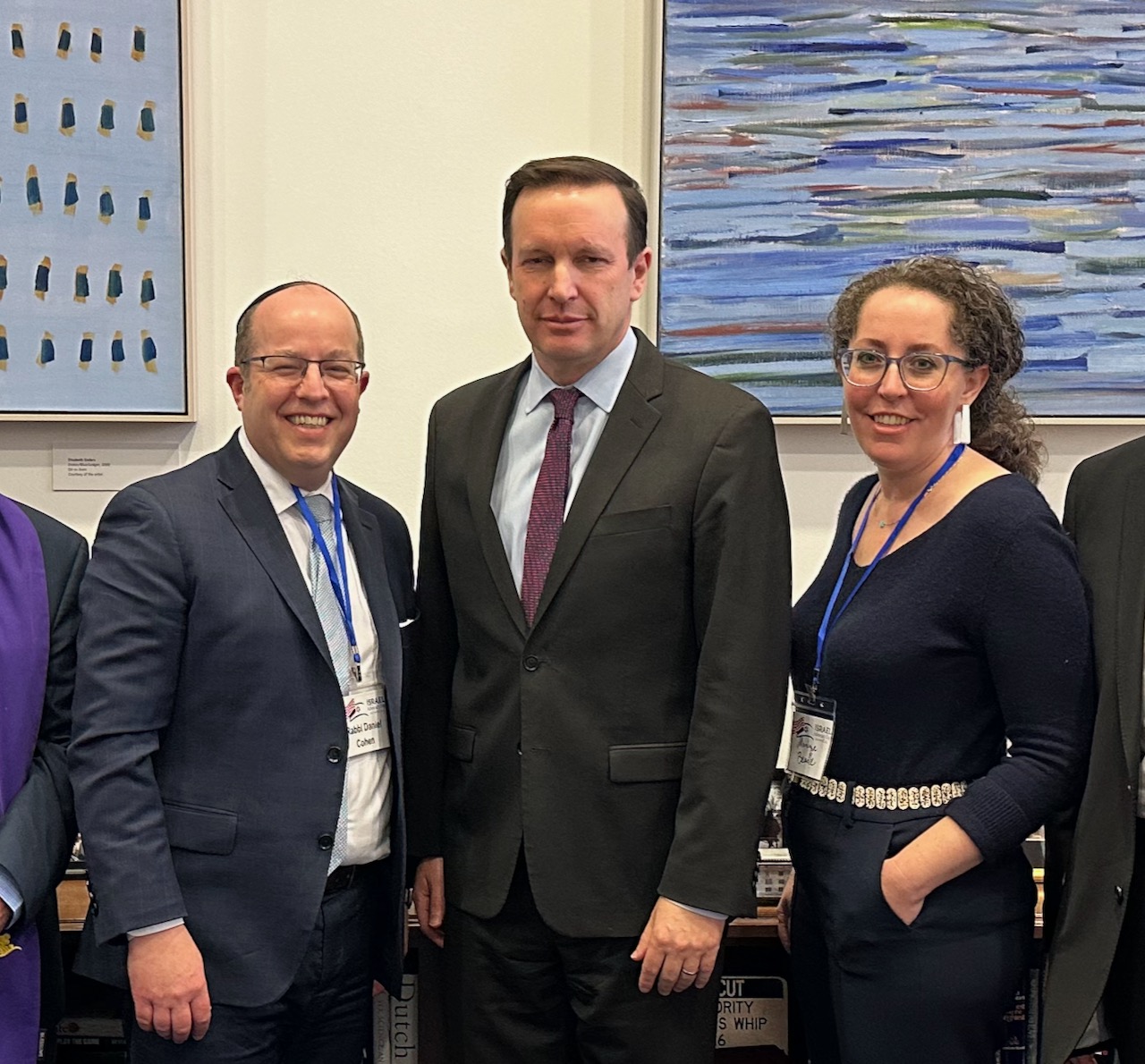
We met personally with dozens of global leaders, including Israel’s First Lady Michal Herzog, United Nations SRSG Pramila Patten, & US Senators Chris Murphy, Richard Blumenthal, & John Fetterman.
We shared our research, forensic evidence, and legal analysis with diplomats from 30 countries.
January - June
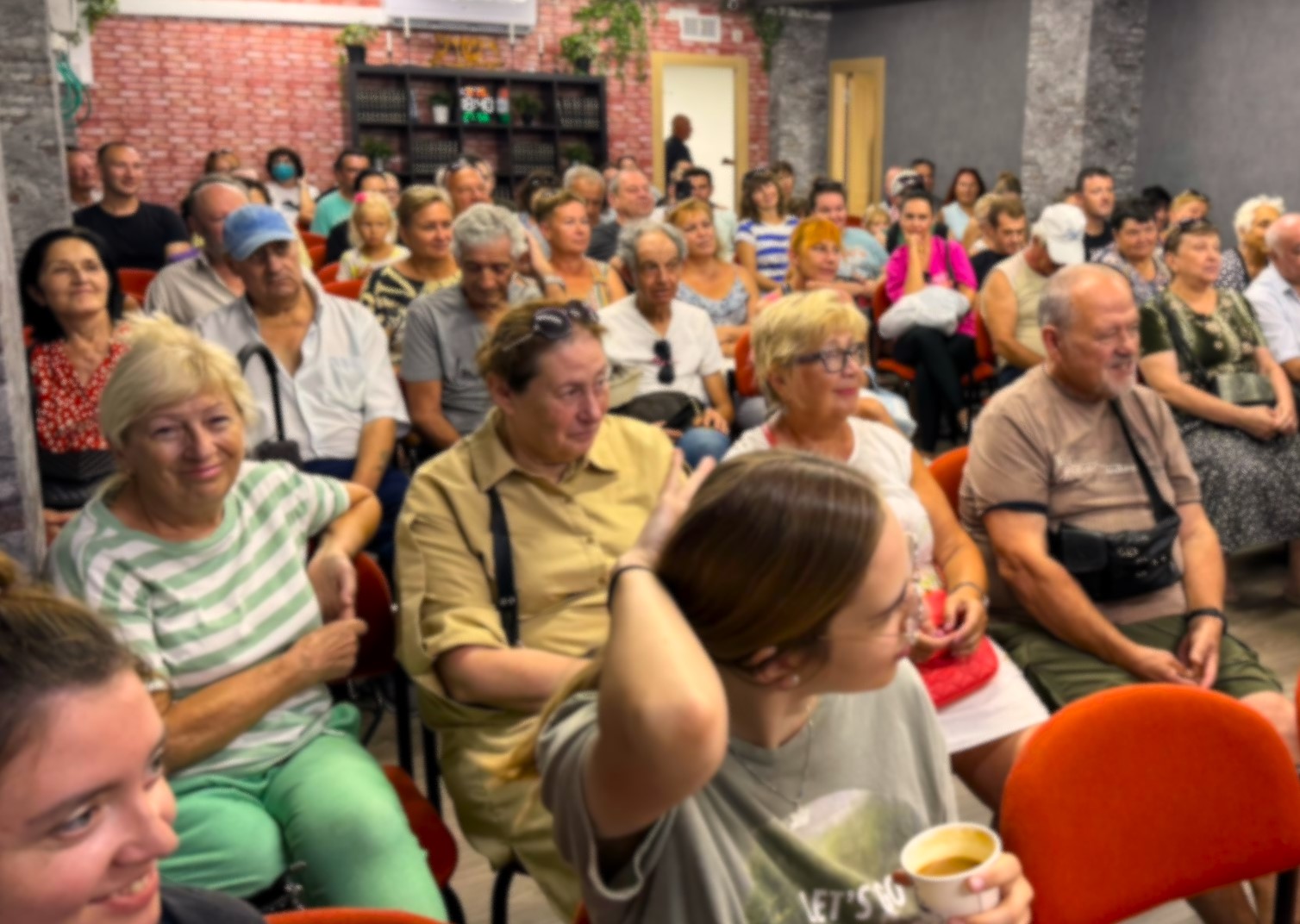
JIJ held a series of free “ Know Your Rights” seminars for:
- 120 Israeli families who became suddenly homeless, unemployed, or disabled as a result of the war
- 57 Ukrainian & Russian refugee families
- 9 of these families receive Israeli citizenship through the Law of Return
- 500 wounded soldiers
Gathered 84 political & religious leaders in the U.S. for a private screening of unedited, uncensored footage of the October 7th massacre recovered from the bodies of Hamas terrorists and compiled by the IDF.
Drafted an urgent petition to Stop Funding UNRWA & persuaded key members of the Senate Foreign Relations Committees to enact a 1-year ban on US funding to UNRWA.
Hosted UN diplomats from 18 countries to hear testimony from Yuval Raphael a survivor of the Oct. 7th massacre. Yuval went to the Nova Festival to dance all night with her friends. At dawn, Hamas invaded, and she sought refuge in a roadside bomb shelter, which became a tomb when terrorists found them.
Launched the Survivors Seeking Justice project, and filmed detailed video testimonies of 17 survivors of the Oct. 7th massacre.
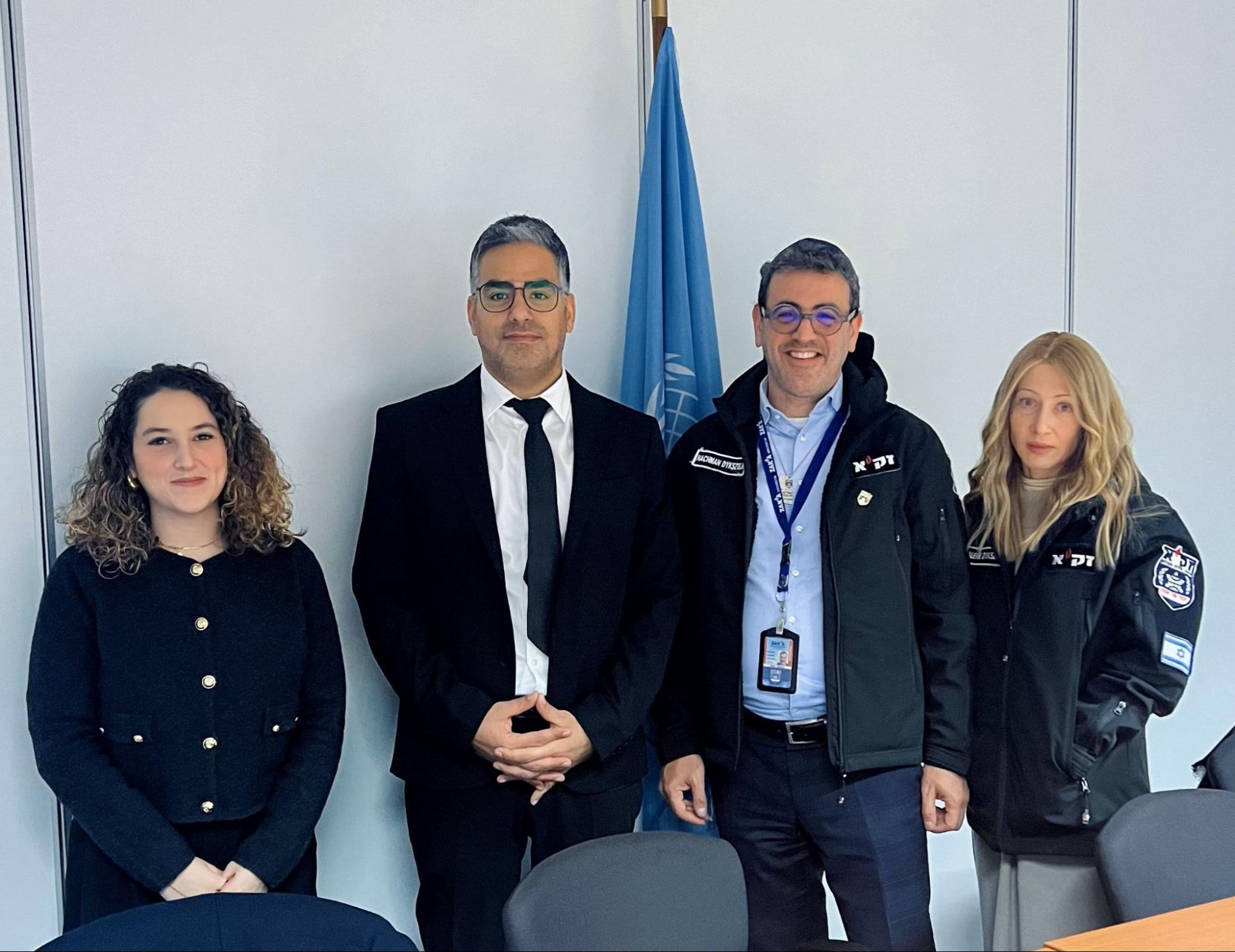
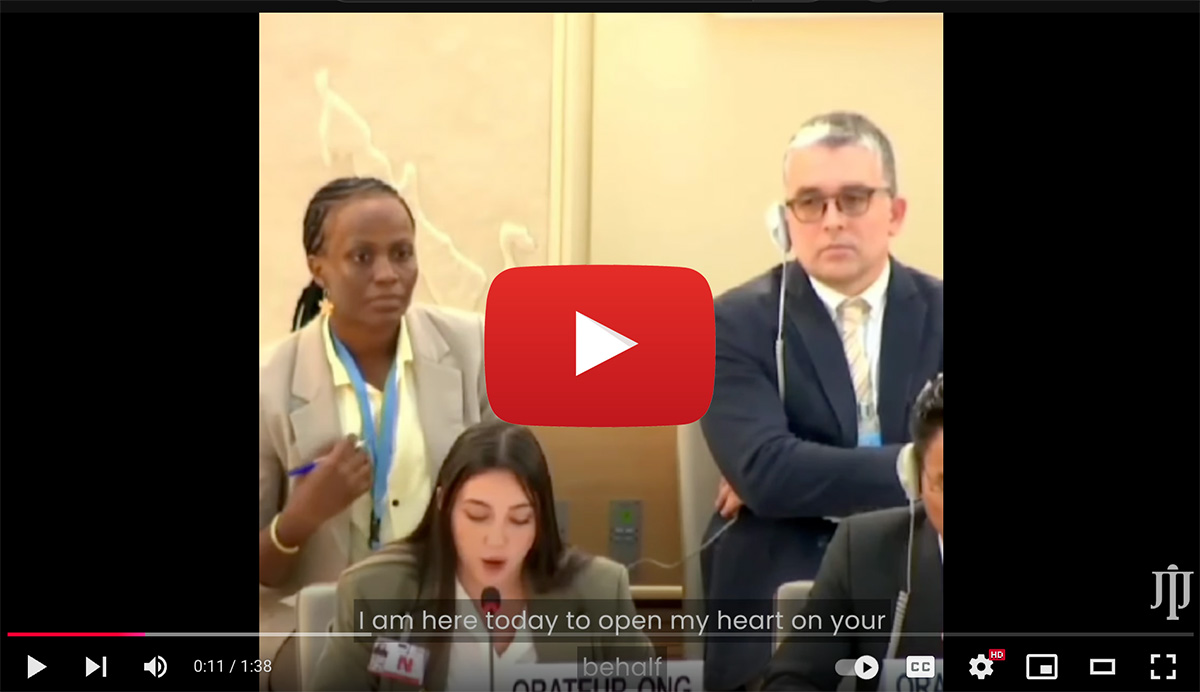
JIJ lawyers presented forensic evidence & first responder testimony to senior UN officials. This proof confirmed a pattern of sexual violence perpetrated by Hamas on Oct. 7th and stopped the rape deniers in their tracks.
July-December
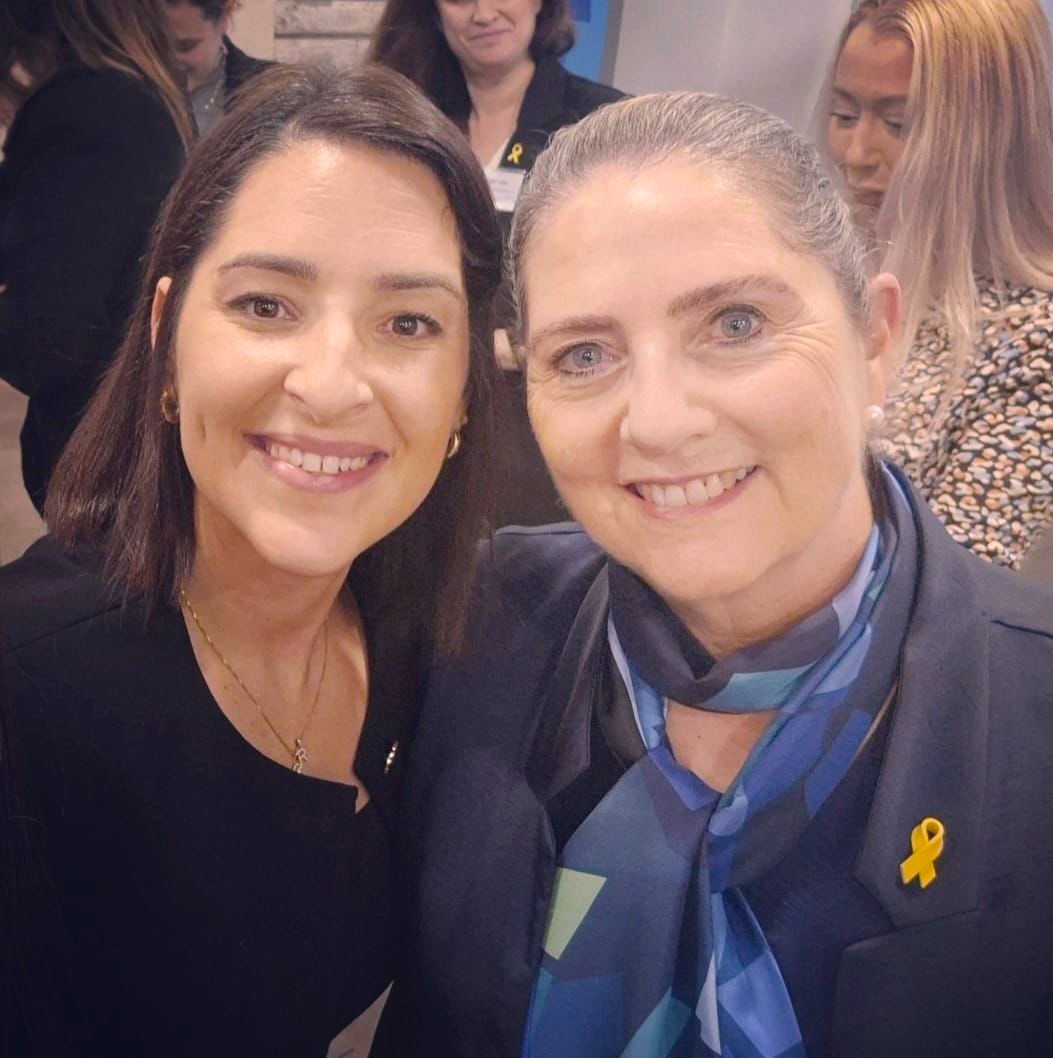
Discussed Israel’s anti-trafficking law with First Lady Michal Herzog. In 2018, JIJ persuaded the
Knesset to adopt a 5-year pilot program that treats women in the sex industry as victims of abuse, & the pimps as criminals. We’re advocating to make the law permanent!
JIJ assisted Israeli police in busting a major human trafficking ring - resulting in the arrest of 14 human traffickers, which was only possible through the testimony of our brave client.
We gave free seminars to soldiers recuperating at Ichilov & Tel Hashomer Hospitals. While private lawyers take 30-50% of a wounded soldier’s disability benefit as payment, JIJ is the only organization providing FREE legal aid to wounded Israeli soldiers, with 32 new soldier clients in 2024.
Intervened at the International Criminal Court with an amicus brief making it clear that the Court lacks jurisdiction over Israeli leaders.
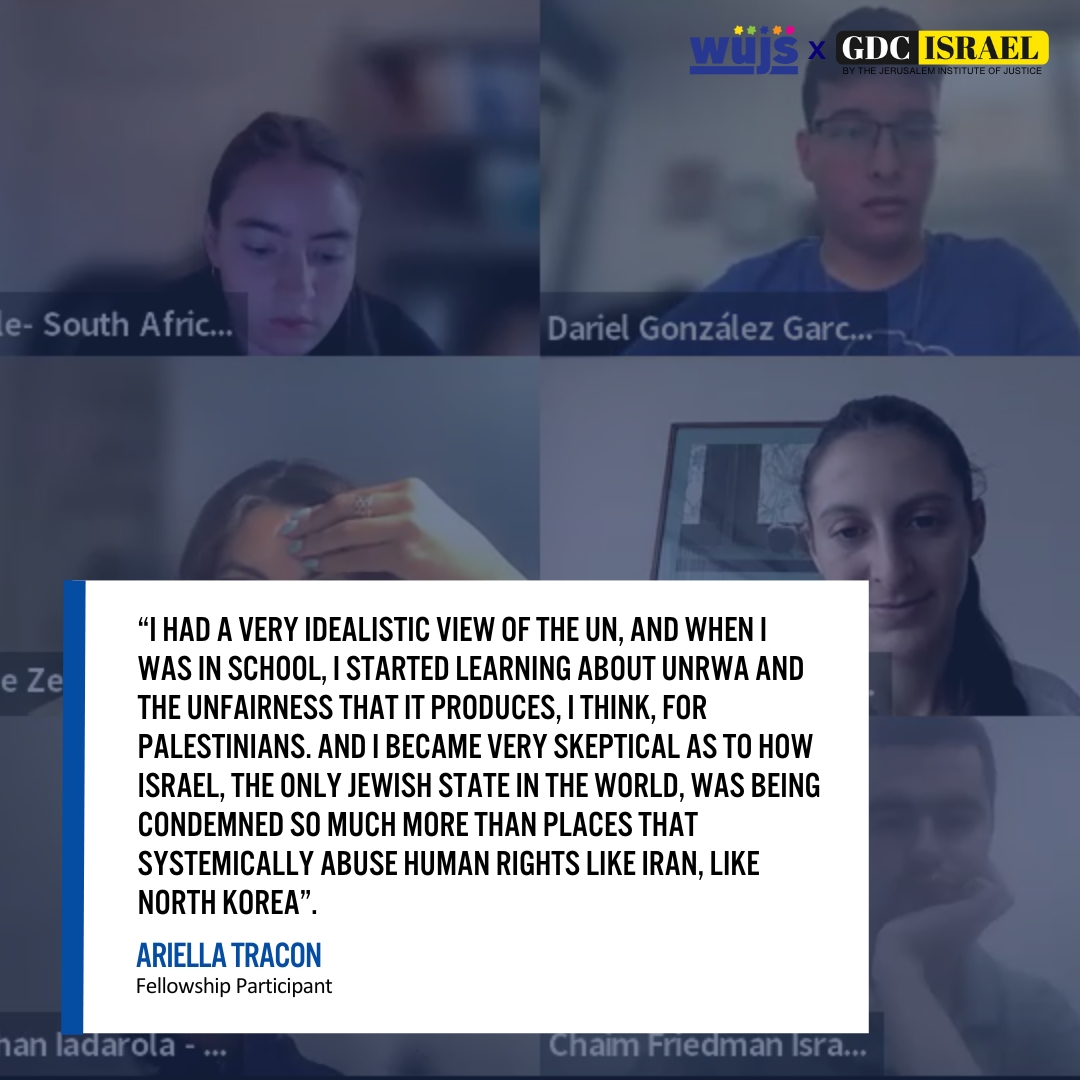
Partnered with the World Union of Jewish Students to train & empower student leaders. Over 8 weeks, we trained 23 Jewish university students from 16 countries to combat antisemitism on their campuses.
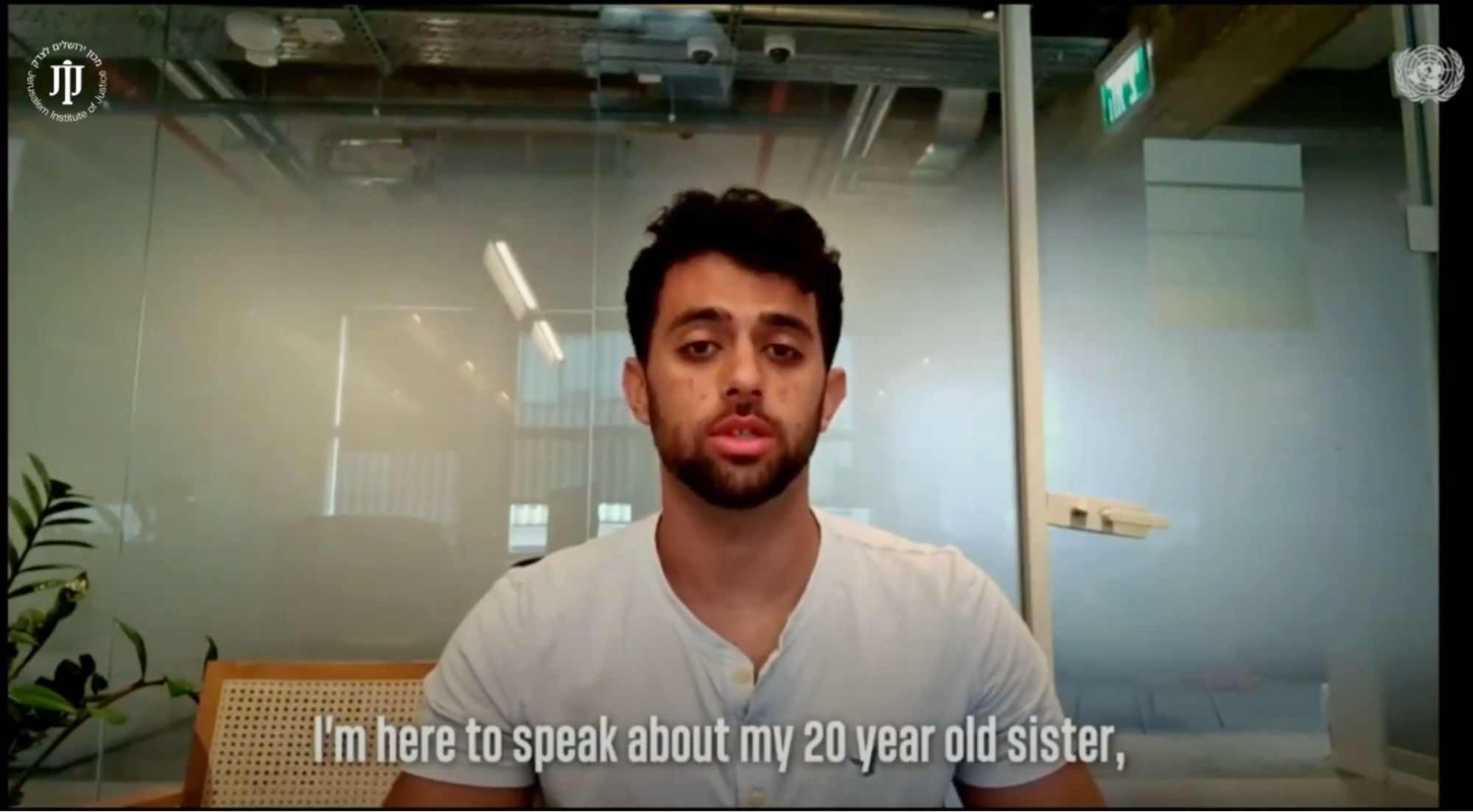
The UN Human Rights Council convened a special gathering on the Jewish New Year, to condemn Israel. The timing was intentional - to prevent opposition. In response, we gave our General Assembly floor time to Amit Levy, brother of Naama Levy, who was kidnapped by Hamas on Oct. 7th. Amit gave powerful testimony on the need to free all of the hostages.
Every single donation you give, whether it’s $1000 or $10, changes lives!
What can JIJ do in a year?
2024 was our busiest and most impactful year since our founding 20 years ago
With your help, in 2024, JIJ provided FREE legal aid to 2,733 survivors of terrorism, human trafficking, and discrimination, including:
- 32 wounded Israeli soldiers
- 40 survivors of human trafficking
- 17 survivors of the October 7th massacre
- 68 families seeking Israeli citizenship or residency
- 112 refugees from Ukraine, Russia, and Eritrea
- 120 Israeli families displaced from their homes on the Gaza & Lebanon borders
How does JIJ do all of this in one year? With you, our amazing supporters. Thank you!
Our media presence grew & our team appeared on:
We met personally with dozens of global leaders, including Israel’s First Lady Michal Herzog, United Nations SRSG Pramila Patten, & US Senators Chris Murphy, Richard Blumenthal, & John Fetterman.
We shared our research, forensic evidence, and legal analysis with diplomats from 30 countries.
January - June
JIJ held a series of free “ Know Your Rights” seminars for:
- 120 Israeli families who became suddenly homeless, unemployed, or disabled as a result of the war
- 57 Ukrainian & Russian refugee families
- 9 of these families receive Israeli citizenship through the Law of Return
- 500 wounded soldiers
Gathered 84 political & religious leaders in the U.S. for a private screening of unedited, uncensored footage of the October 7th massacre recovered from the bodies of Hamas terrorists and compiled by the IDF.
Drafted an urgent petition to Stop Funding UNRWA & persuaded key members of the Senate Foreign Relations Committees to enact a 1-year ban on US funding to UNRWA.
Hosted UN diplomats from 18 countries to hear testimony from Yuval Raphael a survivor of the Oct. 7th massacre. Yuval went to the Nova Festival to dance all night with her friends. At dawn, Hamas invaded, and she sought refuge in a roadside bomb shelter, which became a tomb when terrorists found them.
Launched the Survivors Seeking Justice project, and filmed detailed video testimonies of 17 survivors of the Oct. 7th massacre.
JIJ lawyers presented forensic evidence & first responder testimony to senior UN officials. This proof confirmed a pattern of sexual violence perpetrated by Hamas on Oct. 7th and stopped the rape deniers in their tracks.
July-December
Discussed Israel’s anti-trafficking law with First Lady Michal Herzog. In 2018, JIJ persuaded the
Knesset to adopt a 5-year pilot program that treats women in the sex industry as victims of abuse, & the pimps as criminals. We’re advocating to make the law permanent!
JIJ assisted Israeli police in busting a major human trafficking ring - resulting in the arrest of 14 human traffickers, which was only possible through the testimony of our brave client.
We gave free seminars to soldiers recuperating at Ichilov & Tel Hashomer Hospitals. While private lawyers take 30-50% of a wounded soldier’s disability benefit as payment, JIJ is the only organization providing FREE legal aid to wounded Israeli soldiers, with 32 new soldier clients in 2024.
Intervened at the International Criminal Court with an amicus brief making it clear that the Court lacks jurisdiction over Israeli leaders.
Partnered with the World Union of Jewish Students to train & empower student leaders. Over 8 weeks, we trained 23 Jewish university students from 16 countries to combat antisemitism on their campuses.
The UN Human Rights Council convened a special gathering on the Jewish New Year, to condemn Israel. The timing was intentional - to prevent opposition. In response, we gave our General Assembly floor time to Amit Levy, brother of Naama Levy, who was kidnapped by Hamas on Oct. 7th. Amit gave powerful testimony on the need to free all of the hostages.
Every single donation you give, whether it’s $1000 or $10, changes lives!
ECHOES OF DENIAL - OCT. 7TH ATROCITIES & RISING ANTISEMITISM- Report
“Denial of atrocity crimes is a warning sign of societal fragility and the enduring presence of
the conditions that allowed this large-scale hatred and violence to erupt in the past.”
Alice Wairimu Nderitu, Under-Secretary General and Special
Adviser on Prevention of Genocide to the United Nations
Secretary General
The October 7, 2023, atrocities committed by Hamas against Israeli civilians were among the most documented terror attacks in history. Despite overwhelming evidence, including livestreamed videos and numerous survivor testimonies, a disturbing pattern of distortion and denial of these events has emerged. This report examines the denial of the October 7 atrocities, links such denial to rising antisemitism, and reviews the current legal frameworks addressing atrocity denial. It also discusses the necessity and promotes the adoption of new legislation against such denial and provides recommendations for international cooperation to combat this dangerous phenomenon.
Effects and impacts on the latest UN Human Rights Council resolution
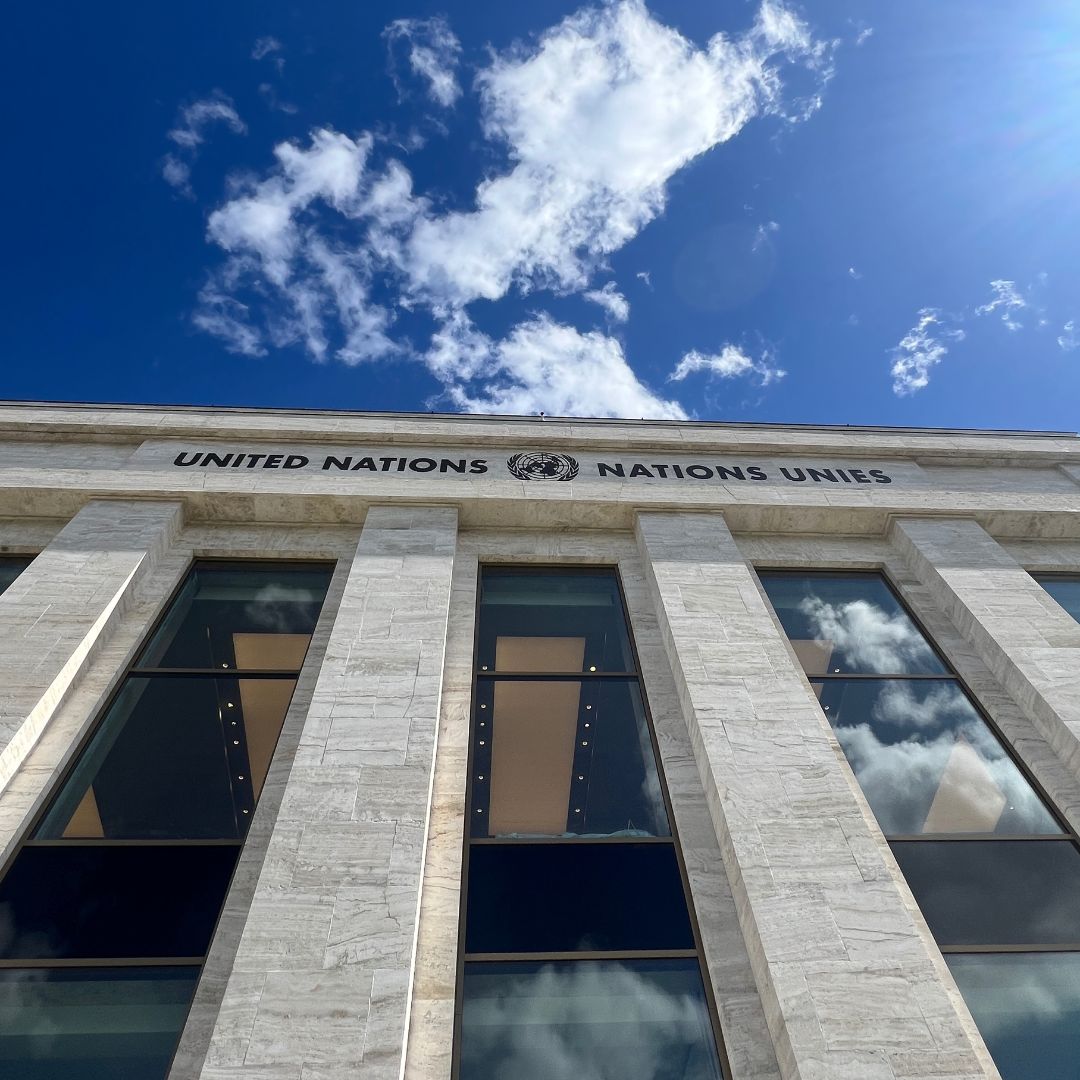
Two weeks ago, the United Nations Human Rights Council (UNHRC) adopted the resolution A/HRC/55/L.30, marking the first official position of the top UN human rights body on the war that started on October 7 atrocities. With a historical background of struggles against Israel by the Council, what does this resolution in particular say and omit? What are the direct effects and impacts on the Jewish State? Let's go deep in.
The UNHRC is the principal intergovernmental body responsible for the promotion and protection of human rights. Since its creation in 2006, the Council has worked to address and take action on human rights violations around the globe. It is composed of 47 member States who are elected by the UN General Assembly for three-year terms. Even though the UNHRC mission is relevant and necessary with the vast number of gory conflicts in the world, its exclusive 'preference' with Israel calls into question the Council's prestige and reputation.
In 2007, when the UNHRC's members were discussing the working methods of the body, they determined that Israel would be the only country whose human rights record is examined under a special agenda item (No. 7), while all other countries’ records are examined in the general debate. From the beginning of its activities, Israel has been by far the biggest target of the Council's resolutions, with 104[1] condemnatory resolutions. Next on the list is Syria with 43, North Korea with 16, and Iran with 14. Not enough, it adopted zero resolutions on gross human rights abuses perpetrated in countries like Saudi Arabia, China, Turkey or Zimbabwe. The open bias of the Council was once again proven during its previous session, which concluded on October 13, when it failed to condemn the terror attacks carried out by Hamas.
The recently approved resolution was brought forward by Pakistan on behalf of the members of the Organization of Islamic Cooperation in the 55th Regular Session of the UNHRC. It calls upon all States to cease the sale, transfer, and diversion of arms to Israel and calls all States to ensure that the United Nations Relief and Works Agency for Palestine Refugees in the Near East (UNRWA) receives predictable, sustained, and sufficient funding, and calls for an immediate ceasefire in Gaza. It was approved by 28 state members, with 13 abstentions, and only 6 countries rejected the resolution, including Argentina, Germany, and the United States.
From a long list of questionable condemnations of Israel that are part of the document, two of them draw attention. First, the call for an arms embargo certainly puts into question Israel's right to self-defense, as it is an explicit attempt to influence the Israel Defense Forces' capacity. This request not only publicly benefits Hamas but also tries to affect the balance of power in the Middle East and the bilateral economic and military relations of Israel. Once an arms embargo is put in place, it can affect major agreements and alliances that are fundamental for Israel's defense against Hamas and other enemies in the region, primarily Iran.
Secondly, it endorses UNRWA and urges its continued funding, despite all evidence[2] that their employees participated in the October 7 massacres and that Hamas has completely infiltrated UNRWA’s staff and exploited its facilities for terrorist purposes. Thus, an open call for the continuity of this agency is a clear message that the UNHRC is blinded about the structural failure of UNRWA, putting at risk both Israelis and Palestinian lives.
As the 'guardian' of global human rights protection, the Council drastically failed (once again) when it didn't comment on the October 7 atrocities committed by Hamas, marked as the darkest day of the Jewish People since the Holocaust with 1,200 murdered. The resolution refuses to describe Hamas’s atrocities for genocidal threats against Israeli civilians, including mass rape and sexual violence against women, or torture and sexual violence against hostages in Gaza, which is still ongoing and has already gone public.[3] Additionally, the resolution is very slight when referring to the remaining 133 hostages taken by Hamas, dedicating 2 sentences from the 8-page document to it.
Approved on the eve of the mark of 180 days of war, the text is clearly one-sided against Israel, as Hamas is not even mentioned once. Meirav Eilon Shahar, Israel’s ambassador to the UN in Geneva, accused the UNHRC of having “long abandoned the Israeli people and long defended Hamas." This resolution is a moral stain on the Council, as it fails to acknowledge Hamas' responsibilities and undermines Israel’s right to self-defense.
Does the A/HRC/55/L.30 resolution have feasible implications? Amid its possible effects and impacts, it can strengthen the political pressure of the international community on Israel or even influence the diplomatic relations with the countries who took an active part in the resolution. But its most visible effect is the symbolic value of the Council's condemnation, although it isn't the first UN institution to state on the current Israel-Gaza War[4][5][6]. The main question is if the resolution will lead the countries to join the arms embargo. Until now, Canada[7] and The Netherlands[8] have announced their intention to halt the sales of weapons to Israel, nevertheless it looks challenging that this international pressure will speak louder than the nation's military interests.
The UNHRC's recent resolution seems to have a low direct impact on Israel, but it turns on another yellow light about further implications. Yet, this resolution not only disclaims Hamas' responsibility for the horrific atrocities it committed but also denies what happened on October 7 and doesn't call in a clear and forceful way for the immediate return of the 133 hostages taken in captivity in inhuman conditions.
Moreover, in the side-event[9] promoted by the Jerusalem Institute of Justice during the 55th regular session of the UNHRC, Dr Sigall Horovitz precisely cleared out: "The Israeli-Palestinian Conflict has reached the bottom of the pit, we are in the heart of darkness. Do we want to stay there? Or do we want to finally address the causes of the violence? Without it, we will never be safe from atrocities".
Article by: Ionatan Gottfried
[1] UN Watch Database. https://unwatch.org/database/
[2] Israel reveals 12 UNRWA staffers it says took part in Oct. 7, says 30 more assisted. (2024, February 16). The Times of Israel. https://www.timesofisrael.com/israel-reveals-12-unrwa-staffers-it-says-took-part-in-oct-7-says-30-more-assisted/
[3] Israeli hostage says she was sexually assaulted and tortured in Gaza. (2024, March 26). The New York Times. https://www.nytimes.com/2024/03/26/world/middleeast/hamas-hostage-sexual-assault.html
[4] U.N. Security Council passes resolution demanding immediate Hamas-Israel war cease-fire, release of hostages. (2024, March 25). CBS News. https://www.cbsnews.com/news/israel-hamas-war-cease-fire-gaza-un-security-council-resolution-ramadan/
[5] General Assembly Adopts Resolution Demanding Immediate Humanitarian Ceasefire in Gaza, Parties’ Compliance with International Law, Release of All Hostages | Meetings Coverage and Press Releases. (2023, December 12). https://press.un.org/en/2023/ga12572.doc.htm
[6] Order of 26 January 2024 | INTERNATIONAL COURT OF JUSTICE. https://www.icj-cij.org/node/203447
[7] Lazaroff, B. T. (2024, March 20). Canada to stop arms sale to Israel, FM Joly says. The Jerusalem Post | JPost.com. https://www.jpost.com/breaking-news/article-792782
[8] Reuters, B. (2024, February 12). Dutch court orders halt to export of F-35 jet parts to Israel. The Jerusalem Post | JPost.com. https://www.jpost.com/breaking-news/article-786463
[9] Jerusalem Institute of Justice (2024, March 28). Preventing Genocide: Legal Perspectives on Oct. 7th [Video]. YouTube. https://www.youtube.com/watch?v=82TPJzTPXHM
Effects and impacts on the latest UN Human Rights Council resolution
Two weeks ago, the United Nations Human Rights Council (UNHRC) adopted the resolution A/HRC/55/L.30, marking the first official position of the top UN human rights body on the war that started on October 7 atrocities. With a historical background of struggles against Israel by the Council, what does this resolution in particular say and omit? What are the direct effects and impacts on the Jewish State? Let's go deep in.
The UNHRC is the principal intergovernmental body responsible for the promotion and protection of human rights. Since its creation in 2006, the Council has worked to address and take action on human rights violations around the globe. It is composed of 47 member States who are elected by the UN General Assembly for three-year terms. Even though the UNHRC mission is relevant and necessary with the vast number of gory conflicts in the world, its exclusive 'preference' with Israel calls into question the Council's prestige and reputation.
In 2007, when the UNHRC's members were discussing the working methods of the body, they determined that Israel would be the only country whose human rights record is examined under a special agenda item (No. 7), while all other countries’ records are examined in the general debate. From the beginning of its activities, Israel has been by far the biggest target of the Council's resolutions, with 104[1] condemnatory resolutions. Next on the list is Syria with 43, North Korea with 16, and Iran with 14. Not enough, it adopted zero resolutions on gross human rights abuses perpetrated in countries like Saudi Arabia, China, Turkey or Zimbabwe. The open bias of the Council was once again proven during its previous session, which concluded on October 13, when it failed to condemn the terror attacks carried out by Hamas.
The recently approved resolution was brought forward by Pakistan on behalf of the members of the Organization of Islamic Cooperation in the 55th Regular Session of the UNHRC. It calls upon all States to cease the sale, transfer, and diversion of arms to Israel and calls all States to ensure that the United Nations Relief and Works Agency for Palestine Refugees in the Near East (UNRWA) receives predictable, sustained, and sufficient funding, and calls for an immediate ceasefire in Gaza. It was approved by 28 state members, with 13 abstentions, and only 6 countries rejected the resolution, including Argentina, Germany, and the United States.
From a long list of questionable condemnations of Israel that are part of the document, two of them draw attention. First, the call for an arms embargo certainly puts into question Israel's right to self-defense, as it is an explicit attempt to influence the Israel Defense Forces' capacity. This request not only publicly benefits Hamas but also tries to affect the balance of power in the Middle East and the bilateral economic and military relations of Israel. Once an arms embargo is put in place, it can affect major agreements and alliances that are fundamental for Israel's defense against Hamas and other enemies in the region, primarily Iran.
Secondly, it endorses UNRWA and urges its continued funding, despite all evidence[2] that their employees participated in the October 7 massacres and that Hamas has completely infiltrated UNRWA’s staff and exploited its facilities for terrorist purposes. Thus, an open call for the continuity of this agency is a clear message that the UNHRC is blinded about the structural failure of UNRWA, putting at risk both Israelis and Palestinian lives.
As the 'guardian' of global human rights protection, the Council drastically failed (once again) when it didn't comment on the October 7 atrocities committed by Hamas, marked as the darkest day of the Jewish People since the Holocaust with 1,200 murdered. The resolution refuses to describe Hamas’s atrocities for genocidal threats against Israeli civilians, including mass rape and sexual violence against women, or torture and sexual violence against hostages in Gaza, which is still ongoing and has already gone public.[3] Additionally, the resolution is very slight when referring to the remaining 133 hostages taken by Hamas, dedicating 2 sentences from the 8-page document to it.
Approved on the eve of the mark of 180 days of war, the text is clearly one-sided against Israel, as Hamas is not even mentioned once. Meirav Eilon Shahar, Israel’s ambassador to the UN in Geneva, accused the UNHRC of having “long abandoned the Israeli people and long defended Hamas." This resolution is a moral stain on the Council, as it fails to acknowledge Hamas' responsibilities and undermines Israel’s right to self-defense.
Does the A/HRC/55/L.30 resolution have feasible implications? Amid its possible effects and impacts, it can strengthen the political pressure of the international community on Israel or even influence the diplomatic relations with the countries who took an active part in the resolution. But its most visible effect is the symbolic value of the Council's condemnation, although it isn't the first UN institution to state on the current Israel-Gaza War[4][5][6]. The main question is if the resolution will lead the countries to join the arms embargo. Until now, Canada[7] and The Netherlands[8] have announced their intention to halt the sales of weapons to Israel, nevertheless it looks challenging that this international pressure will speak louder than the nation's military interests.
The UNHRC's recent resolution seems to have a low direct impact on Israel, but it turns on another yellow light about further implications. Yet, this resolution not only disclaims Hamas' responsibility for the horrific atrocities it committed but also denies what happened on October 7 and doesn't call in a clear and forceful way for the immediate return of the 133 hostages taken in captivity in inhuman conditions.
Moreover, in the side-event[9] promoted by the Jerusalem Institute of Justice during the 55th regular session of the UNHRC, Dr Sigall Horovitz precisely cleared out: "The Israeli-Palestinian Conflict has reached the bottom of the pit, we are in the heart of darkness. Do we want to stay there? Or do we want to finally address the causes of the violence? Without it, we will never be safe from atrocities".
Article by: Ionatan Gottfried
[1] UN Watch Database. https://unwatch.org/database/
[2] Israel reveals 12 UNRWA staffers it says took part in Oct. 7, says 30 more assisted. (2024, February 16). The Times of Israel. https://www.timesofisrael.com/israel-reveals-12-unrwa-staffers-it-says-took-part-in-oct-7-says-30-more-assisted/
[3] Israeli hostage says she was sexually assaulted and tortured in Gaza. (2024, March 26). The New York Times. https://www.nytimes.com/2024/03/26/world/middleeast/hamas-hostage-sexual-assault.html
[4] U.N. Security Council passes resolution demanding immediate Hamas-Israel war cease-fire, release of hostages. (2024, March 25). CBS News. https://www.cbsnews.com/news/israel-hamas-war-cease-fire-gaza-un-security-council-resolution-ramadan/
[5] General Assembly Adopts Resolution Demanding Immediate Humanitarian Ceasefire in Gaza, Parties’ Compliance with International Law, Release of All Hostages | Meetings Coverage and Press Releases. (2023, December 12). https://press.un.org/en/2023/ga12572.doc.htm
[6] Order of 26 January 2024 | INTERNATIONAL COURT OF JUSTICE. https://www.icj-cij.org/node/203447
[7] Lazaroff, B. T. (2024, March 20). Canada to stop arms sale to Israel, FM Joly says. The Jerusalem Post | JPost.com. https://www.jpost.com/breaking-news/article-792782
[8] Reuters, B. (2024, February 12). Dutch court orders halt to export of F-35 jet parts to Israel. The Jerusalem Post | JPost.com. https://www.jpost.com/breaking-news/article-786463
[9] Jerusalem Institute of Justice (2024, March 28). Preventing Genocide: Legal Perspectives on Oct. 7th [Video]. YouTube. https://www.youtube.com/watch?v=82TPJzTPXHM