
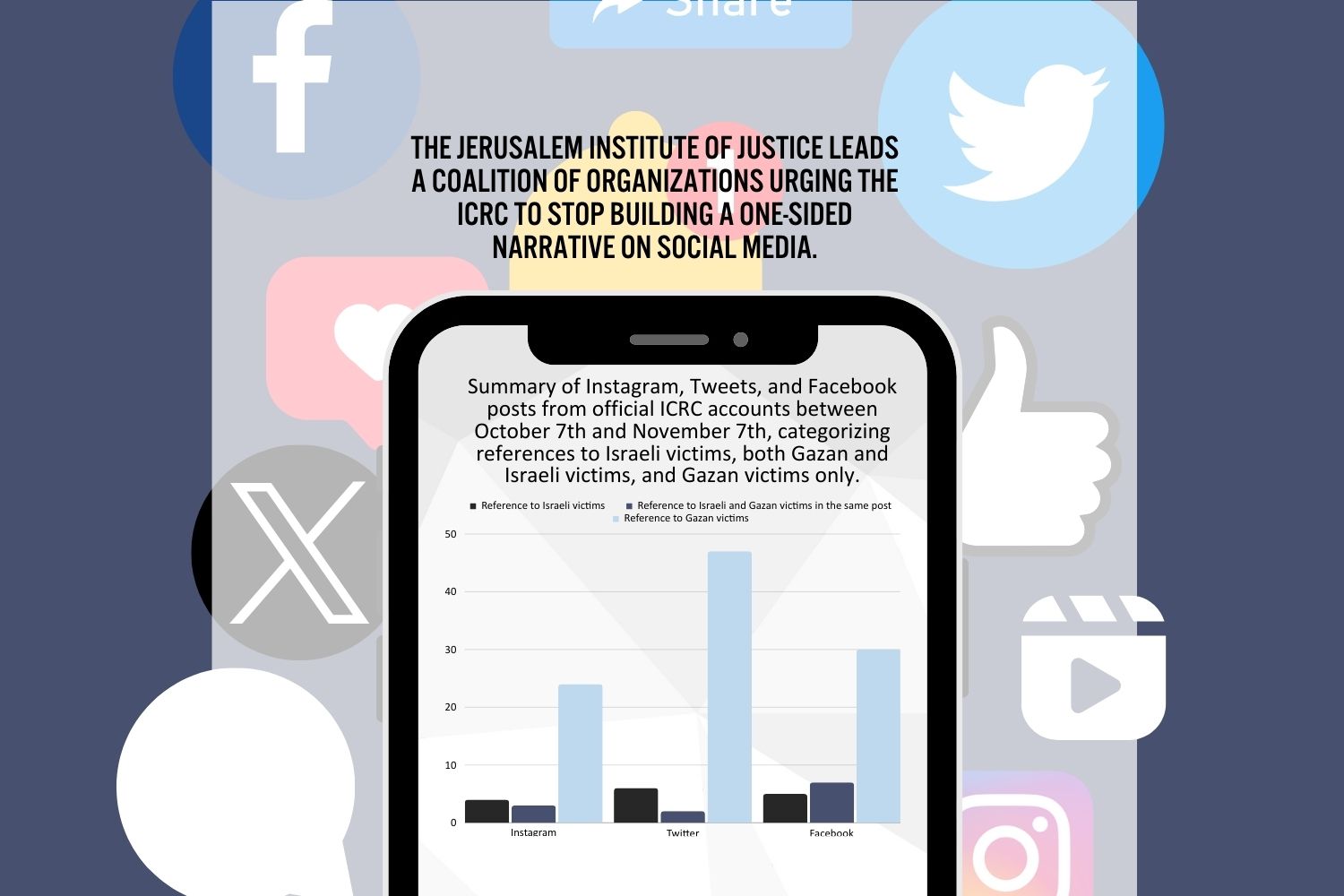
Biased Narratives on Red Cross Social Media
THE JERUSALEM INSTITUTE OF JUSTICE LEADS A COALITION OF ORGANIZATIONS URGING
THE ICRC TO STOP BUILDING ONE-SIDED NARRATIVES ON SOCIAL MEDIA
To: Ms. Mirjana Spoljaric Egger,
President of the International Committee of the Red Cross
19 Avenue de la Paix 1202 Geneva Switzerland
Date: November 15, 2023
We are writing to bring to your attention a pressing issue concerning the use of social media by the
International Committee of the Red Cross (ICRC) in the context of the ongoing Hamas-Israel conflict.
In today's world, social media has an immense influence on the perception of conflicts, shaping
narratives and inadvertently affecting conflict dynamics. Recent events have underscored the critical
importance of the ICRC's response in this domain.
The central concern at hand revolves around the balance and neutrality of the content disseminated
through ICRC's social media channels. As an independent and neutral organization dedicated to
upholding humanitarian protection for conflict victims and the principles of international
humanitarian law (IHL), it is imperative that ICRC's social media communications maintain a high
standard of neutrality, balance, and accuracy in portraying conflicts.
Of particular concern is the apparent disproportion in the content's focus. A noticeable emphasis on
the Gaza Strip is evident in the content shared by ICRC on its social media platforms (see Annex 1).
This is evident in depictions of scenes from Gaza, casualty statistics, and information about victims
within Gaza. However, a significant absence exists concerning content depicting the atrocities
committed by Hamas on October 7 and the impact on communities in Israel near the Gaza Strip.
Furthermore, a notable gap in communication on ICRC's Instagram account was observed following
the October 7 attack. While references were made to hostage-taking and the importance of adhering
to international humanitarian law, a more robust stance against the violations of international
humanitarian law committed by Hamas on October 7, including acts of sexual violence and genocide,
was expected.
Equally concerning is the absence of any posts, whether images, graphics, or videos, addressing the
damages suffered on Israeli soil. This encompasses distressing scenes of houses reduced to rubble,
charred walls, mass destruction, and the devastating harms caused by rocket hits on civilian
infrastructure in Tel Aviv, Ashkelon, and other locations.
The consequences of this content disproportion are significant, as it affects the overall narrative,
public perception, and understanding of the conflict. Given the ICRC's influential role in providing
information, it is essential to adopt a more balanced and nuanced approach in social media
communications.
From October 7 until October 25, there has been a 500% increase in the volume of antisemitic events
compared to the same period last year. Specifically in social networks, the increase of online
antisemitic discourse was, between October 7-23, 400% compared to the 17 days prior to the war and
340% compared to the same dates in the previous months (The State of Antisemitism in the World A
Summary of the First Three Weeks of the 'Swords of Iron' War, 2023).
This alarming surge in online antisemitism has had dire real-world consequences. Instances of
antisemitic violence and vandalism have occurred globally, with private houses and apartments in
cities like Berlin, Paris, and others being marked with Stars of David. Synagogues, Holocaust
memorials, Jewish schools, Jewish cemeteries, and historic Jewish sites in locations such as Girona,
Berlin, Vienna, Rome, and Thessaloniki have been targets of attacks, often accompanied by anti-Israel
and antisemitic graffiti, including swastikas. A particularly distressing incident took place on
November 4 when a 30-year-old Jewish woman was stabbed in her home in Lyon, and her attacker
defaced her door with a swastika symbol. Tragically, on November 6, a pro-Palestinian protestor killed
Paul Kessler, a 65-year-old Jewish man, further underscoring the devastating real-world impact of
rising antisemitism.
The perilous connection between online antisemitism and tangible acts of violence against Jewish
individuals, communities, and institutions underscores the pressing need for fair and responsible
communication on social media platforms. This is why we firmly believe that the ICRC should maintain
balance and neutrality in the content shared on social media platforms.
Our request is not to remove existing content but to enhance it with a more comprehensive portrayal
of the situation, one that encompasses the atrocities committed in Israel by Hamas and other
Palestinian terrorist groups. Your proactive response to this matter will contribute to a more informed
and balanced public discourse on these critical issues.
Sincerely,
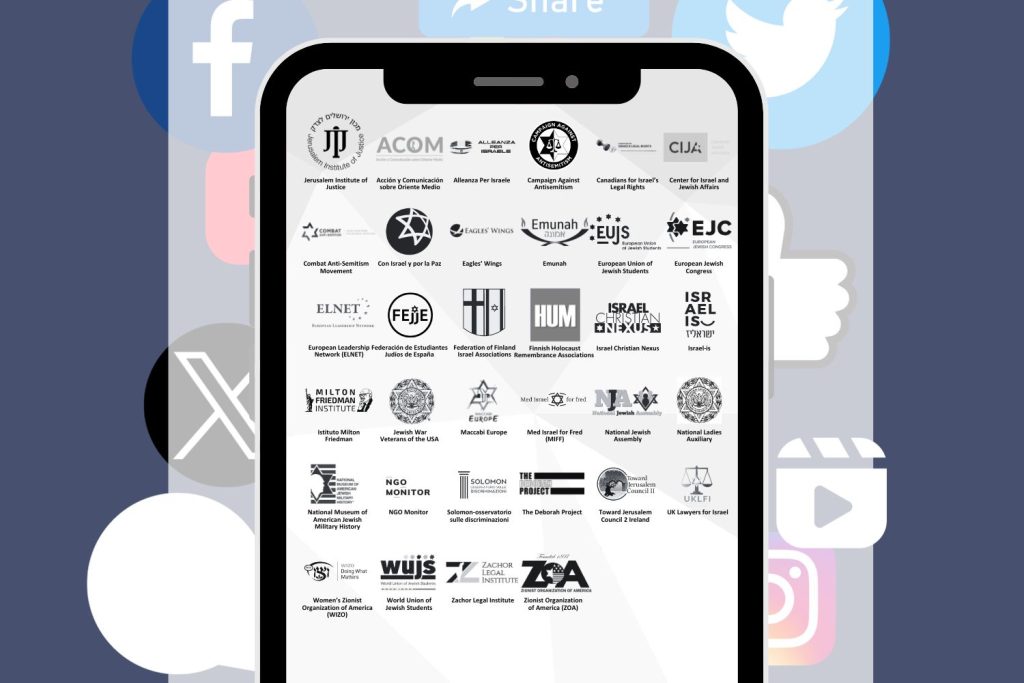
CC: Fabrizio Carboni, ICRC regional director for the Near and Middle East
Alessandra Menegon, Head of the Delegation of the ICRC in Israel and the Occupied Territories
Ewan Watson, Head of Public Relations
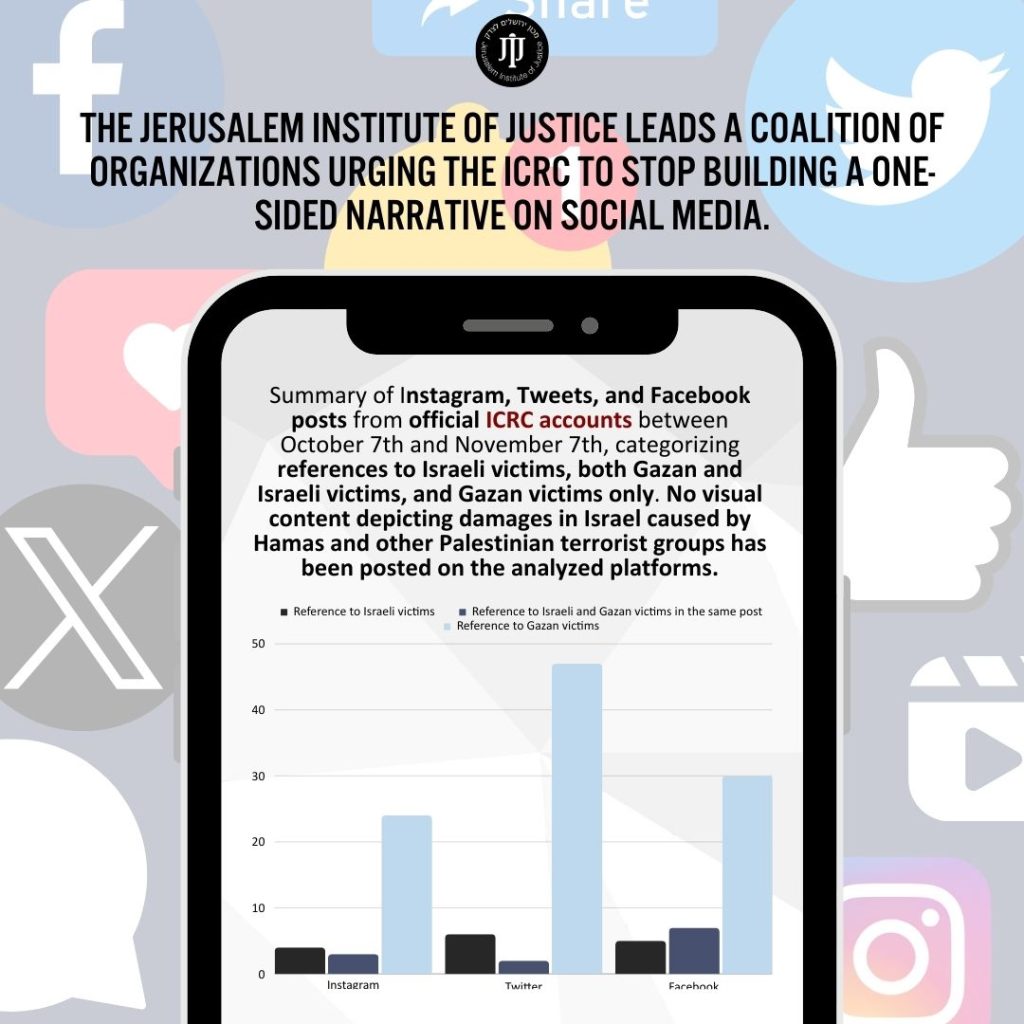

Biased Narratives on Red Cross Social Media
THE JERUSALEM INSTITUTE OF JUSTICE LEADS A COALITION OF ORGANIZATIONS URGING
THE ICRC TO STOP BUILDING ONE-SIDED NARRATIVES ON SOCIAL MEDIA
To: Ms. Mirjana Spoljaric Egger,
President of the International Committee of the Red Cross
19 Avenue de la Paix 1202 Geneva Switzerland
Date: November 15, 2023
We are writing to bring to your attention a pressing issue concerning the use of social media by the
International Committee of the Red Cross (ICRC) in the context of the ongoing Hamas-Israel conflict.
In today's world, social media has an immense influence on the perception of conflicts, shaping
narratives and inadvertently affecting conflict dynamics. Recent events have underscored the critical
importance of the ICRC's response in this domain.
The central concern at hand revolves around the balance and neutrality of the content disseminated
through ICRC's social media channels. As an independent and neutral organization dedicated to
upholding humanitarian protection for conflict victims and the principles of international
humanitarian law (IHL), it is imperative that ICRC's social media communications maintain a high
standard of neutrality, balance, and accuracy in portraying conflicts.
Of particular concern is the apparent disproportion in the content's focus. A noticeable emphasis on
the Gaza Strip is evident in the content shared by ICRC on its social media platforms (see Annex 1).
This is evident in depictions of scenes from Gaza, casualty statistics, and information about victims
within Gaza. However, a significant absence exists concerning content depicting the atrocities
committed by Hamas on October 7 and the impact on communities in Israel near the Gaza Strip.
Furthermore, a notable gap in communication on ICRC's Instagram account was observed following
the October 7 attack. While references were made to hostage-taking and the importance of adhering
to international humanitarian law, a more robust stance against the violations of international
humanitarian law committed by Hamas on October 7, including acts of sexual violence and genocide,
was expected.
Equally concerning is the absence of any posts, whether images, graphics, or videos, addressing the
damages suffered on Israeli soil. This encompasses distressing scenes of houses reduced to rubble,
charred walls, mass destruction, and the devastating harms caused by rocket hits on civilian
infrastructure in Tel Aviv, Ashkelon, and other locations.
The consequences of this content disproportion are significant, as it affects the overall narrative,
public perception, and understanding of the conflict. Given the ICRC's influential role in providing
information, it is essential to adopt a more balanced and nuanced approach in social media
communications.
From October 7 until October 25, there has been a 500% increase in the volume of antisemitic events
compared to the same period last year. Specifically in social networks, the increase of online
antisemitic discourse was, between October 7-23, 400% compared to the 17 days prior to the war and
340% compared to the same dates in the previous months (The State of Antisemitism in the World A
Summary of the First Three Weeks of the 'Swords of Iron' War, 2023).
This alarming surge in online antisemitism has had dire real-world consequences. Instances of
antisemitic violence and vandalism have occurred globally, with private houses and apartments in
cities like Berlin, Paris, and others being marked with Stars of David. Synagogues, Holocaust
memorials, Jewish schools, Jewish cemeteries, and historic Jewish sites in locations such as Girona,
Berlin, Vienna, Rome, and Thessaloniki have been targets of attacks, often accompanied by anti-Israel
and antisemitic graffiti, including swastikas. A particularly distressing incident took place on
November 4 when a 30-year-old Jewish woman was stabbed in her home in Lyon, and her attacker
defaced her door with a swastika symbol. Tragically, on November 6, a pro-Palestinian protestor killed
Paul Kessler, a 65-year-old Jewish man, further underscoring the devastating real-world impact of
rising antisemitism.
The perilous connection between online antisemitism and tangible acts of violence against Jewish
individuals, communities, and institutions underscores the pressing need for fair and responsible
communication on social media platforms. This is why we firmly believe that the ICRC should maintain
balance and neutrality in the content shared on social media platforms.
Our request is not to remove existing content but to enhance it with a more comprehensive portrayal
of the situation, one that encompasses the atrocities committed in Israel by Hamas and other
Palestinian terrorist groups. Your proactive response to this matter will contribute to a more informed
and balanced public discourse on these critical issues.
Sincerely,
CC: Fabrizio Carboni, ICRC regional director for the Near and Middle East
Alessandra Menegon, Head of the Delegation of the ICRC in Israel and the Occupied Territories
Ewan Watson, Head of Public Relations
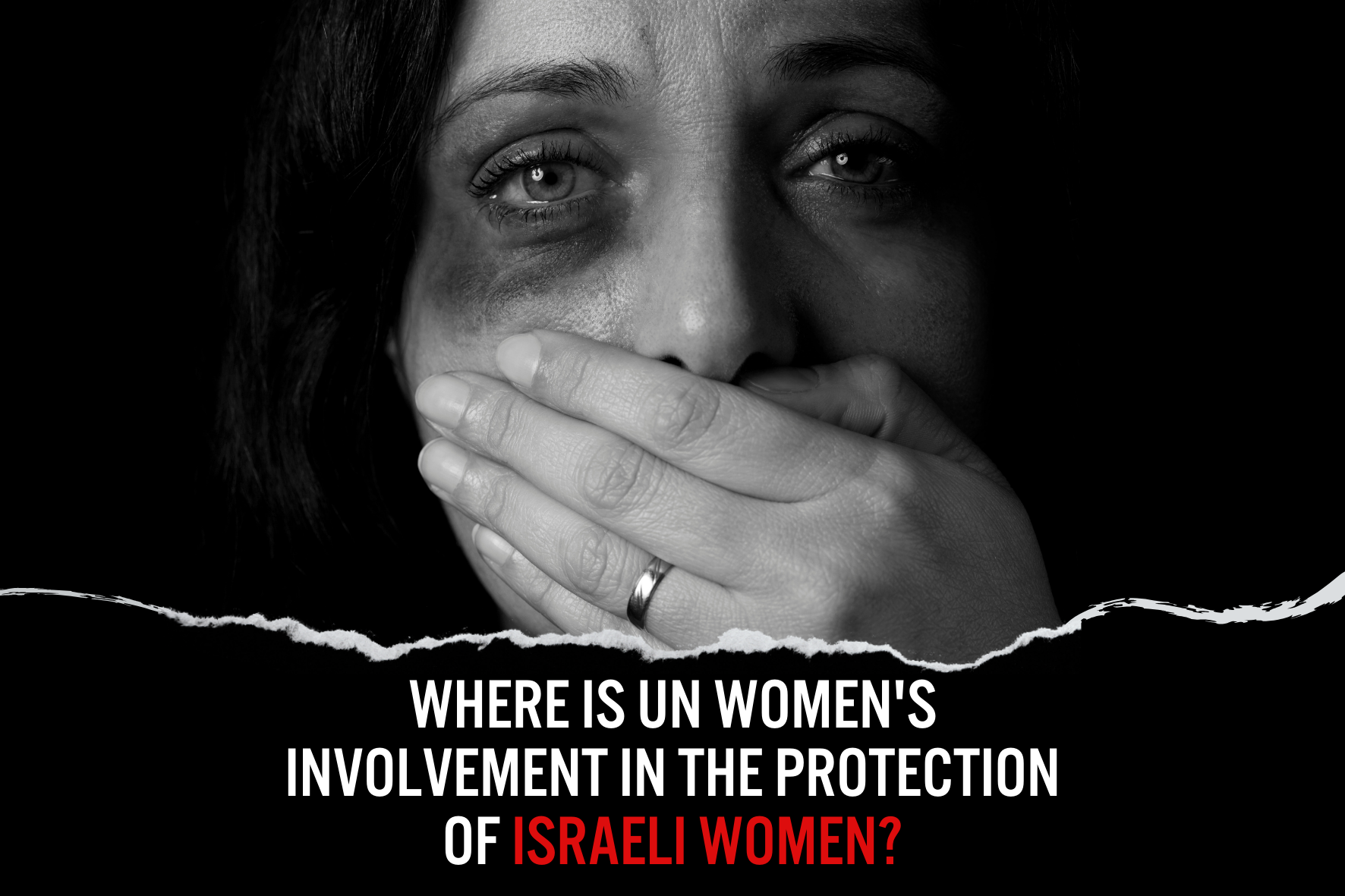
Where is UN women's involvement in the protection of Israeli women?
Date: October 30, 2023
To: Sima Bahous
Executive Director of UN Women
220 E 42nd St, New York, NY 10017, United States
Dear Executive Director Bahous,
We write to you with deep concern about the situation in the region and, more specifically, to urgently request UN Women's intervention to safeguard the rights and well-being of all women and girls, including those who have been attacked, raped, kidnapped, and murdered by Hamas and other Palestinian armed groups.
The statement by UN Women on October 13th, though appreciated, appears to fall short in fully addressing and safeguarding the rights and well-being of victims who have endured significant hardships in recent events. Our primary concern is the perceived bias in the statement and its omission of acknowledgment regarding the many women and girls in Israel who have suffered due to the atrocities committed by Hamas and other Palestinian armed groups.
We wholeheartedly support UN Women's commitment to the well-being of Palestinian women. However, it is essential that this commitment is not one-sided.
The acts of terror by Hamas against hundreds of women and girls are truly horrific. These ruthless actions include ripping open the belly of a pregnant woman and beheading her unborn child, slaughtering, raping, burning, beheading, and mutilating Israeli women and girls, and burning women and girls alive. Moreover, several women and girls were kidnapped and are still today being held hostage in the Gaza Strip.
It is imperative that UN Women’s mission embraces the well-being of all women and girls, without exception. We, therefore, strongly urge you to take immediate and decisive action to protect and provide unwavering support to the countless women and girls who have suffered at the hands of Hamas and other Palestinian terrorist groups.
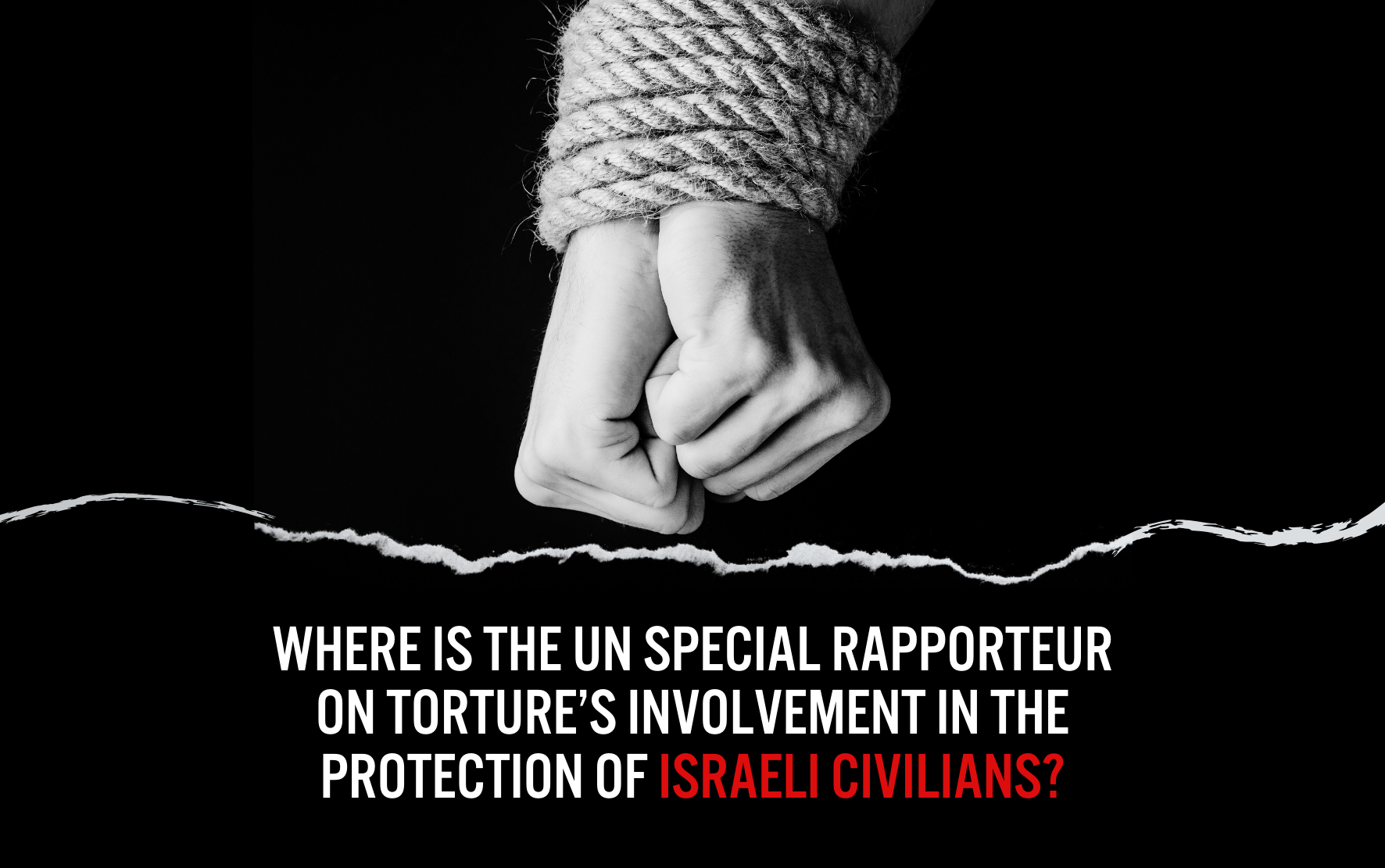
Where is the UN special rapporteur on Torture’s involvement in the protection of Israeli civilians?
Date: November 6th, 2023
To: Dr. Alice Jill Edwards
UN Special Rapporteur on Torture and Other
Cruel, Inhuman or Degrading Treatment or Punishment
8-14 Avenue de la Paix 1211 Genève 10, Switzerland
Dear Ms. Edwards,
We are writing to express our deep concern about the situation in the region and, more
specifically, to urgently request your intervention in safeguarding the rights and well-being of
innocent individuals who have suffered from attacks, torture, rape, kidnappings, and murders
at the hands of Hamas and other Palestinian terrorist groups.
Forensic examinations of the victims from October 7th have revealed numerous acts of
torture committed by Hamas terrorists, including burning people alive, decapitations,
mutilations inflicted on children and the elderly. Other atrocities by Hamas include cutting
open a pregnant woman's stomach and pulling out her baby, tying up babies, and cutting off
the arm of a 10-year-old girl, who tragically succumbed to severe blood loss. These actions
represent a clear violation of Article 2 of the Convention against Torture and Other Cruel,
Inhuman or Degrading Treatment or Punishment (hereinafter referred to as “the
Convention”).
We greatly appreciate your statement dated October 12, 2023, in which you expressed being
"shaken by the mass murder and kidnappings of civilians by Hamas in Israel." The latest
reports indicate that the heinous attacks carried out by Hamas have resulted in the tragic loss
of over 1,400 lives, with more than 5,300 people injured and 241 individuals held hostage in
Gaza.
Notwithstanding, we are disturbed by the extremely biased statements made on the same day
during the Special Procedure of the Human Rights Council. The special rapporteurs who
participated in this procedure made a regrettable, unfair, and narrow-minded comparison
between the inhuman attacks perpetrated by Hamas against innocent civilians and the Israeli
self-defense military response to the terrorist groups in Gaza. While the attacks by Hamas
clearly violate Article 2 of the Convention, the State of Israel's response to these attacks is
firmly grounded in the self-defense principle established in Article 51 of the United Nations
Charter. Equating the inhuman actions of Hamas with Israel's self-defense response is a
dangerous comparison that only serves those who seek to justify the human rights violations
committed by Palestinian terrorist groups during the attacks on October 7th against innocent
people.
We do not know if the horrifying atrocities perpetrated by Hamas and other Palestinian
terrorist groups against the hostages have concluded, and now is the time for the United
Nations to exert all efforts to halt these inhuman and degrading acts. We urge your
intervention to undertake a fact-finding mission to Gaza and conduct on-site investigations
into the conditions of the 241 hostages held by Hamas. We also request your assurance that
Articles 5 and 16 of the Convention are not being violated.
It is imperative that, under your mandate as the Special Rapporteur on torture and other cruel,
inhuman, or degrading treatment or punishment, you take active and concrete measures to
provide the Human Rights Council with firsthand evidence of the atrocities committed by
Hamas against innocent individuals.
LOCATE AND FACILITATE THE RELEASE OF THE HOSTAGES
JERUSALEM INSTITUTE OF JUSTICE LEADS COALITION OF 50 ORGANIZATIONS
URGING INTERNATIONAL RED CROSS TO SECURE RELEASE OF THE GAZA CAPTIVES
A coalition of 50 organizations urge the ICRC to verify the status of more than 150 Israelis kidnapped in the Gaza Strip
In the wake of Hamas’ barbaric rampage through the civilian communities of southern Israel, the Jerusalem Institute of Justice, the Jerusalem Institute of Justice, leads a coalition of 50 organizations in urging the International Committee of the Red Cross (ICRC) to verify the status of the 150+ Israeli hostages taken into captivity in Gaza. Read the letter here
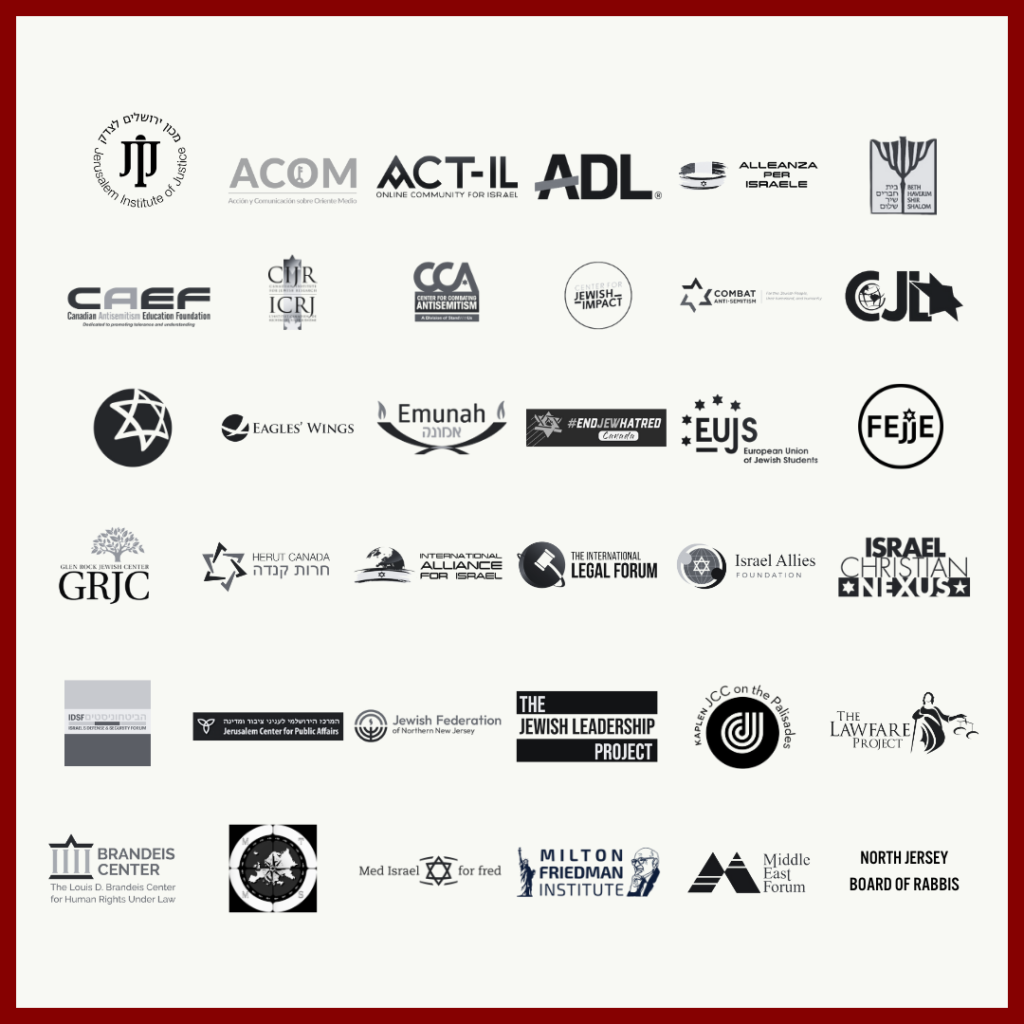
This list reflects a broad consensus between Israel and the global Diaspora, religious and secular organizations, and Jewish and Christian communities. In this dark time for our nation, our hearts are moved by the opportunity to speak with one voice. In addition to sending this letter, we are requesting an urgent meeting with the Jerusalem staff of the ICRC and plan to bring some of the families of the Israeli hostages to that meeting to make personal the urgency of our appeal.
“Hamas has openly advertised its penchant for torturing, raping, denying medical treatment, degrading, humiliating, and threatening to execute these hostages,” said Uri Morad, Director of International Law & Public Diplomacy for the Jerusalem Institute of Justice (JIJ). “The International Red Cross must act urgently to locate and establish communication with the kidnapped Israelis if it has any hope of fulfilling its mission and bringing an end to this war.”
In a joint letter, JIJ advocacy efforts were joined by prominent Israeli, North American, and European organizations who are committed to countering anti-Semitism and anti-Israel bias, including the Anti-Defamation League, Jerusalem Center for Public Affairs, NGO Monitor, Middle East Forum, and StandWithUs. The group also included several Jewish and Christian communities, including the Jewish Federation of Northern New Jersey, Israel Christian Nexus, and numerous diaspora synagogues.
Specifically, the coalition urged the International Red Cross to take the following steps:
• Locate and establish communication with the Israelis held hostage in the Gaza Strip.
• Call for Hamas to cease its heinous acts of raping and sexually abusing Israelis.
• Condemn the use of human shields as military targets, including hospitals and schools, and the horrifying practice of exhibiting and mutilating dead bodies.
• Facilitate the immediate return of the Israeli hostages.
“This past week constitutes the worst time in Jewish history since the Holocaust, a time when the International Red Cross was, by its own admission, ‘impotent’ in the face of Nazi persecution and genocide,” said Flavia Sevald, CEO of JIJ. “In today’s war, the perpetrators may have changed, but their agenda is the same. The International Red Cross has a double duty to get it right this time.”
Jerusalem Institute of Justice (JIJ) is the only Israeli human rights NGO with consultative status before the United Nations that is pro-Israel. Within the international community, JIJ has persistently advocated for the release of Israeli citizens from captivity. Within Israel, JIJ provides free legal aid to minority ethnic and religious groups, with a track record of 25 precedent-setting victories in the Israeli Supreme Court.
ICRC- Must Locate and Facilitate Release of Hostages
JERUSALEM INSTITUTE OF JUSTICE LEADS COALITION OF 50 ORGANIZATIONS
URGING INTERNATIONAL RED CROSS TO SECURE RELEASE OF THE GAZA CAPTIVES
A coalition of 50 organizations urge the ICRC to verify the status of more than 150 Israelis kidnapped in the Gaza Strip
In the wake of Hamas’ barbaric rampage through the civilian communities of southern Israel, the Jerusalem Institute of Justice leads a coalition of 50 organizations in urging the International Committee of the Red Cross (ICRC) to verify the status of the 150+ Israeli hostages taken into captivity in Gaza. Here
This list reflects a broad consensus between Israel and the global Diaspora, religious and secular organizations. In this dark time for our nation, our hearts are moved by the opportunity to speak with one voice. In addition to sending this letter, we are requesting an urgent meeting with the Jerusalem staff of the ICRC and plan to bring some of the families of the Israeli hostages to that meeting to make personal the urgency of our appeal.
“Hamas has openly advertised its penchant for torturing, raping, denying medical treatment, degrading, humiliating, and threatening to execute these hostages,” said Uri Morad, Director of International Law & Public Diplomacy for the Jerusalem Institute of Justice (JIJ). “The International Red Cross must act urgently to locate and establish communication with the kidnapped Israelis if it has any hope of fulfilling its mission and bringing an end to this war.”
In a joint letter, JIJ advocacy efforts were joined by prominent Israeli, North American, and European organizations who are committed to countering anti-Semitism and anti-Israel bias, including the Anti-Defamation League, Jerusalem Center for Public Affairs, NGO Monitor, Middle East Forum, and StandWithUs. The group also included several Jewish and Christian communities, including the Jewish Federation of Northern New Jersey, Israel Christian Nexus, and numerous diaspora synagogues.
Specifically, the coalition urged the International Red Cross to take the following steps:
• Locate and establish communication with the Israelis held hostage in the Gaza Strip.
• Call for Hamas to cease its heinous acts of raping and sexually abusing Israelis.
• Condemn the use of human shields as military targets, including hospitals and schools, and the horrifying practice of exhibiting and mutilating dead bodies.
• Facilitate the immediate return of the Israeli hostages.
“This past week constitutes the worst time in Jewish history since the Holocaust, a time when the International Red Cross was, by its own admission, ‘impotent’ in the face of Nazi persecution and genocide,” said Flavia Sevald, CEO of JIJ. “In today’s war, the perpetrators may have changed, but their agenda is the same. The International Red Cross has a double duty to get it right this time.”
Jerusalem Institute of Justice (JIJ) is the only Israeli human rights NGO with consultative status before the United Nations that is pro-Israel. Within the international community, JIJ has persistently advocated for the release of Israeli citizens from captivity. Within Israel, JIJ provides free legal aid to minority ethnic and religious groups, with a track record of 25 precedent-setting victories in the Israeli Supreme Court.

Indoctrination of Children- Policy Proposal to the ICC
Summary of Input to the Office of the Prosecutor at the International Criminal Court
To Renew the Policy Paper on Crimes Against or Affecting Children
For the full report, press here
The Jerusalem Institute of Justice has submitted its substantive input to the Office of the Prosecutor of the International Criminal Court as part of their public consultation aimed at updating the policy paper concerning crimes against or affecting children. The primary objective of this public consultation, in which our organization actively engages, is to enhance the effectiveness of investigations and prosecutions pertaining to crimes committed against or adversely impacting children. JIJ actively works to raise awareness and combat the utilization of children in hostilities, highlighting the significance of addressing indoctrination as a means of exerting psychological pressure on children to join armed groups.
The Rome Statute of the International Criminal Court does not explicitly define the actions of conscripting, enlisting, or using children in hostilities. Instead, the scope of these activities is determined by referencing relevant treaties, principles of international law, and general legal principles derived from national legal systems, all in line with internationally recognized human rights standards. The ICC Trial Chamber I acknowledged that children under 15 are typically unable to give genuine and informed consent when enlisting. Given the interpretive nature of the Rome Statute, indoctrination can be considered within the purview of enlisting or conscripting as it involves imposing prescribed beliefs, inhibiting critical evaluation, and fostering violence normalization. Indoctrination plays a significant role in exerting psychological pressure on children to join armed groups or forces, and its methods can range from formal education to military-oriented summer camps, mass media, and online networks.
The involvement of children as combatants in conflict situations not only jeopardizes their own well-being and development but also poses a threat to the prospects of peace and stability in affected regions. Children exposed to violence during their formative years are at risk of becoming agents of violence themselves, hindering their potential as contributors to lasting peace. Conflict-affected children suffer enduring mental and physical trauma, with child soldiers experiencing even greater levels of violence as witnesses and perpetrators. This trauma can manifest in various disorders, impacting their mental health, behavior, and education. The consequences of children's trauma extend beyond their individual experiences, profoundly shaping communities and societies. Transgenerational effects are observed, with former child soldiers more likely to exhibit violent behavior and trauma potentially being passed down to their children, perpetuating a cycle of violence and contributing to ongoing conflicts. Recognizing the broader impact and intergenerational nature of child soldiering highlights the urgent need to address this issue as a means to break the cycle of violence and promote sustainable peace.
For the full report, press here
Indoctrination of Children- Policy Proposal to the ICC
Summary of Input to the Office of the Prosecutor at the International Criminal Court
To Renew the Policy Paper on Crimes Against or Affecting Children
For the full report, press here
The Jerusalem Institute of Justice has submitted its substantive input to the Office of the Prosecutor of the International Criminal Court as part of their public consultation aimed at updating the policy paper concerning crimes against or affecting children. The primary objective of this public consultation, in which our organization actively engages, is to enhance the effectiveness of investigations and prosecutions pertaining to crimes committed against or adversely impacting children. JIJ actively works to raise awareness and combat the utilization of children in hostilities, highlighting the significance of addressing indoctrination as a means of exerting psychological pressure on children to join armed groups.
The Rome Statute of the International Criminal Court does not explicitly define the actions of conscripting, enlisting, or using children in hostilities. Instead, the scope of these activities is determined by referencing relevant treaties, principles of international law, and general legal principles derived from national legal systems, all in line with internationally recognized human rights standards. The ICC Trial Chamber I acknowledged that children under 15 are typically unable to give genuine and informed consent when enlisting. Given the interpretive nature of the Rome Statute, indoctrination can be considered within the purview of enlisting or conscripting as it involves imposing prescribed beliefs, inhibiting critical evaluation, and fostering violence normalization. Indoctrination plays a significant role in exerting psychological pressure on children to join armed groups or forces, and its methods can range from formal education to military-oriented summer camps, mass media, and online networks.
The involvement of children as combatants in conflict situations not only jeopardizes their own well-being and development but also poses a threat to the prospects of peace and stability in affected regions. Children exposed to violence during their formative years are at risk of becoming agents of violence themselves, hindering their potential as contributors to lasting peace. Conflict-affected children suffer enduring mental and physical trauma, with child soldiers experiencing even greater levels of violence as witnesses and perpetrators. This trauma can manifest in various disorders, impacting their mental health, behavior, and education. The consequences of children's trauma extend beyond their individual experiences, profoundly shaping communities and societies. Transgenerational effects are observed, with former child soldiers more likely to exhibit violent behavior, and their trauma potentially being passed down to their own children, perpetuating a cycle of violence and contributing to ongoing conflicts. Recognizing the broader impact and intergenerational nature of child soldiering highlights the urgent need to address this issue as a means to break the cycle of violence and promote sustainable peace.
For the full report, press here
Download
REPORT OF THE “STATE OF PALESTINE”
Jerusalem Institute of Justice written submission
TO THE UN HUMAN RIGHTS COMMITTEE
ON THE REPORT OF THE “STATE OF PALESTINE”
Executive Summary
Press this link for the full report
The Jerusalem Institute of Justice (JIJ) submitted a report to the Human Rights Committee of the UN regarding Palestinian adherence to the International Covenant on Civil and Political Rights (ICCPR). JIJ’s report exposes inadequate law enforcement, incitement to violence, and acts of torture and inhumane treatment by the Palestinian government, directly contradicting Palestinian claims of compliance with international law.
The Human Rights Committee is a United Nations treaty body comprised of 18 international law experts tasked with ensuring that countries adhere to the International Covenant on Civil and Political Rights (ICCPR). Countries self-report their adherence to the treaty to legitimize their sovereignty and prove their benevolence. The State of Palestine used its report to deceive the international community and attack the State of Israel while claiming they uphold International Law.
Article 2 of the ICCPR prohibits discrimination. However, the Palestinian educational curriculum promotes violence, excludes peace education, and fosters a biased narrative. Palestinian textbooks legitimize violence, glorify terrorists, erase Israel from maps, and demonize Israelis. This indoctrination of violence among children has long-lasting effects and obstructs peace initiatives, and it can manifest itself in acts of terror perpetrated by children and adults. In the State of Palestine, terrorists are rewarded with glory. Their families receive a payment if the terrorist dies or is arrested; the price increases corresponding to the severity of the crimes. Alongside monetary incentives, terrorists are treated like martyrs. Summer camps where Palestinian children are trained to fight Israel through acts of violence are named after killed terrorists.
Article 6 of the ICCPR safeguards the right to life. The use of human shields by the Palestinian authorities is a grave violation of international humanitarian law and breaches Article 6. This concerning practice has been observed in various conflicts, including Operation Protective Edge and the March of Return protests. Moreover, evidence suggests the concealment of rocket production facilities, armories, and combatants in or near residential areas, further jeopardizing civilians and disregarding international norms.
Article 7 of the ICCPR prohibits torture and cruel treatment. However, the Palestinian authorities have a significant gap between their legal framework and practical enforcement in preventing such acts. The Committee Against Torture (CAT) has expressed concerns over incidents of torture and mistreatment in custody, including the lack of confidentiality in complaint handling and the insufficient independence of investigation bodies. Former detainees’ testimonies provide clear evidence of inhumane treatment, torture, denial of rights, and various forms of abuse. Arbitrary arrests and torture are used against Palestinians exercising their fundamental rights, like peaceful protests or criticizing the regime. These abuses appear to stem from higher authorities’ directives. From 2016 to 2021, the Palestinian Independent Commission for Human Rights received 4,279 claims. Palestinians commit these acts of torture onto Palestinians.
Article 20 prohibits war propaganda and advocacy for hatred; JIJ’s report highlights the notable discrepancy between the legal measures established by the Palestinian authorities and their practical enforcement. Despite legal restrictions, instances of incitement and hate speech persist. Palestinian television broadcasts content, such as the series “The Path of Sacrifice,” glorifying terrorists and their acts of terror. Social media platforms like TikTok and Telegram are also utilized to spread messages of hate and incitement, including simulated attacks by young children against Israeli soldiers. Palestinian leaders publicly encourage lone-wolf attacks and the procurement of weapons, fostering hatred instead of promoting peace. School textbooks and cultural events are utilized to propagate hate, as seen in a musical production featuring dancers in military attire glorifying combat against the perceived “enemy.”
Lastly, Article 24 safeguards the rights of children. Despite international laws protecting children’s vulnerability, Palestinian children continue to be recruited and involved in violent acts, including clashes, shootings, and stabbings. Organizations like Hamas run summer camps that promote aggression and hostility, jeopardizing these children’s safety, rights, and development. This perpetuates a culture of violence with far-reaching consequences for individuals and society.
Based on the information provided, JIJ recommends that the Human Rights Committee issue the following calls to the “State of Palestine”: expunge textbooks advocating violence and terrorism, adopt an internationally accepted definition of terrorism, cease financial support to terrorism, refrain from using human shields or concealing military targets in civilian areas, end the use of torture and ensure thorough investigations, discontinue the promotion of hatred and violence through media and social media platforms, and take measures to prevent the recruitment of children in hostilities and protect their rights. These recommendations aim to promote peace, tolerance, and the protection of human rights.
REPORT OF THE “STATE OF PALESTINE”
Jerusalem Institute of Justice written submission
TO THE UN HUMAN RIGHTS COMMITTEE
ON THE REPORT OF THE “STATE OF PALESTINE”
Executive Summary
Press this link for the full report
The Jerusalem Institute of Justice (JIJ) submitted a report to the Human Rights Committee of the UN regarding Palestinian adherence to the International Covenant on Civil and Political Rights (ICCPR). JIJ’s report exposes inadequate law enforcement, incitement to violence, and acts of torture and inhumane treatment by the Palestinian government, directly contradicting Palestinian claims of compliance with international law.
The Human Rights Committee is a United Nations treaty body comprised of 18 international law experts tasked with ensuring that countries adhere to the International Covenant on Civil and Political Rights (ICCPR). Countries self-report their adherence to the treaty to legitimize their sovereignty and prove their benevolence. The State of Palestine used its report to deceive the international community and attack the State of Israel while claiming they uphold International Law.
Article 2 of the ICCPR prohibits discrimination. However, the Palestinian educational curriculum promotes violence, excludes peace education, and fosters a biased narrative. Palestinian textbooks legitimize violence, glorify terrorists, erase Israel from maps, and demonize Israelis. This indoctrination of violence among children has long-lasting effects and obstructs peace initiatives, and it can manifest itself in acts of terror perpetrated by children and adults. In the State of Palestine, terrorists are rewarded with glory. Their families receive a payment if the terrorist dies or is arrested; the price increases corresponding to the severity of the crimes. Alongside monetary incentives, terrorists are treated like martyrs. Summer camps where Palestinian children are trained to fight Israel through acts of violence are named after killed terrorists.
Article 6 of the ICCPR safeguards the right to life. The use of human shields by the Palestinian authorities is a grave violation of international humanitarian law and breaches Article 6. This concerning practice has been observed in various conflicts, including Operation Protective Edge and the March of Return protests. Moreover, evidence suggests the concealment of rocket production facilities, armories, and combatants in or near residential areas, further jeopardizing civilians and disregarding international norms.
Article 7 of the ICCPR prohibits torture and cruel treatment. However, the Palestinian authorities have a significant gap between their legal framework and practical enforcement in preventing such acts. The Committee Against Torture (CAT) has expressed concerns over incidents of torture and mistreatment in custody, including the lack of confidentiality in complaint handling and the insufficient independence of investigation bodies. Former detainees’ testimonies provide clear evidence of inhumane treatment, torture, denial of rights, and various forms of abuse. Arbitrary arrests and torture are used against Palestinians exercising their fundamental rights, like peaceful protests or criticizing the regime. These abuses appear to stem from higher authorities’ directives. From 2016 to 2021, the Palestinian Independent Commission for Human Rights received 4,279 claims. Palestinians commit these acts of torture onto Palestinians.
Article 20 prohibits war propaganda and advocacy for hatred; JIJ’s report highlights the notable discrepancy between the legal measures established by the Palestinian authorities and their practical enforcement. Despite legal restrictions, instances of incitement and hate speech persist. Palestinian television broadcasts content, such as the series “The Path of Sacrifice,” glorifying terrorists and their acts of terror. Social media platforms like TikTok and Telegram are also utilized to spread messages of hate and incitement, including simulated attacks by young children against Israeli soldiers. Palestinian leaders publicly encourage lone-wolf attacks and the procurement of weapons, fostering hatred instead of promoting peace. School textbooks and cultural events are utilized to propagate hate, as seen in a musical production featuring dancers in military attire glorifying combat against the perceived “enemy.”
Lastly, Article 24 safeguards the rights of children. Despite international laws protecting children’s vulnerability, Palestinian children continue to be recruited and involved in violent acts, including clashes, shootings, and stabbings. Organizations like Hamas run summer camps that promote aggression and hostility, jeopardizing these children’s safety, rights, and development. This perpetuates a culture of violence with far-reaching consequences for individuals and society.
Based on the information provided, JIJ recommends that the Human Rights Committee issue the following calls to the “State of Palestine”: expunge textbooks advocating violence and terrorism, adopt an internationally accepted definition of terrorism, cease financial support to terrorism, refrain from using human shields or concealing military targets in civilian areas, end the use of torture and ensure thorough investigations, discontinue the promotion of hatred and violence through media and social media platforms, and take measures to prevent the recruitment of children in hostilities and protect their rights. These recommendations aim to promote peace, tolerance, and the protection of human rights.