
Yahya Sinwar - Hamas' New Man
The recent replacement of Khaled Meshaal with Ismail Haniyeh as Chairman of the Hamas Political Bureau momentarily left a rare vacancy in the role of Hamas’ overall leader in Gaza. However, the position was immediately filled after the group elected Yahya Sinwar to fill the role.
Relatively unknown by those outside Israel and the Palestinian territories, speculation abounds as to how Hamas – and by extension Gaza - will behave under Sinwar’s leadership.
We explore the life of Sinwar and how his policy prescriptions and personality traits will influence Hamas’ relationship with Israel, the people of Gaza and the Palestinian people as a whole.
Early Life
Sinwar was born in 1962 in the Khan Yunis refugee camp in Southern Gaza. He graduated from high school at the Khan Yunis Secondary School for Boys, after which he graduated from the Hamas-affiliated Islamic University of Gaza (its co-founders happen to be the co-founders of Hamas; Sheikh Ahmed Yassin and Mahmoud al-Zahar) with a Bachelor’s degree in Arabic Studies.
His first foray into Palestinian nationalism came in 1982 when he was arrested for subversive activities and spent several months in the Far’a prison. There, he met other Hamas militants such as Salah Shehade – the former leader of the Izz ad-Din al-Qassam Brigades.
Movement Through Hamas
He was arrested again in 1985[1]. Upon his release, he co-founded the Munazzamat al Jihad w’al-Dawa (Majd) with Rawhi Mushtaha. The mission of the Majd, among other things, was to identify Israeli spies in Hamas, other political parties and among Palestinian civilians[2]. Since then, the paranoia of Israeli collaborators has occupied much of Hamas’ attention, most infamously when at least 23 people were summarily and extrajudicially executed in July/August 2014 after they were accused of collaborating with Israel[3].
In 1988, he masterminded the abduction and killing of two Israeli Defence Force soldiers. He was later arrested, convicted of murder, and sentenced to multiple life sentences[4]. He would go on to serve 22 years of his sentence, before being released in 2011 along with 1,026 other prisoners as part of the prisoner exchange agreement for the release of Gilad Shalit. By Hamas’ own admission, just 41 of these prisoners collectively killed 569 Israelis[5].
Following his release, Sinwar ascended through Hamas’ political ranks rather than his previous military roles. He was elected to the Hamas political bureau during the group’s secret internal elections in 2012[6].
In September 2015, the United States government declared Sinwar a terrorist[7]
His volatile temperament and unpredictability have earned him a reputation of notoriety both in Israel and within Gaza. In early 2016, it is alleged that he organized the execution of Hamas commander Mahmoud Ishtiwi due to an internal rivalry within the organization. Furthermore, it is also alleged that Sinwar himself was the man who physically detained Ishtiwi at gunpoint after bursting through his front door[8][9].
In July 2016, he was chosen to take charge of Israelis held captive by the Al-Qassam Brigades in the Gaza Strip[10].
Future Prospects
The appointment of Sinwar is not an exercise in stability or continuity for Hamas. Rather, it represents their perceived need for a renewal of leadership amid growing cynicism of career politicians and public anger over issues such as delayed reconstruction and electricity outages. In contrast to Ismail Haniyeh and Khaled Meshaal, Sinwar is neither a career politician nor a technocrat. Nonetheless, as a man who has served in both the military and political wings of Hamas, he is seen as being capable of bridging the divides between these two factions.
A key focus of his leadership will likely be an increase in the kidnapping of Israeli soldiers. He sees the tactic as incredibly useful as Hamas can repatriate former militants back into their ranks, increase support for Hamas among Palestinian people and dictate the terms of their prisoners’ release to Israel. Indeed, following his release, Sinwar told Hamas media that the group should ‘kidnap more soldiers to exchange them for the freedom of our loved ones who are still behind bars[11]’.
His militancy and hardline stance, while not out of place in Hamas, are somewhat more extreme than his predecessor Ismail Haniyeh. His unpredictability may drag the group into another war with Israel. Furthermore, his predecessor was a far more experienced statesman who knew how to balance the regional interests and cooperation of countries such as Egypt, Turkey, Qatar and Iran.
[1] Balousha, H. & Booth, W. 2017, ‘Hamas names hard-liner as its new political leader in Gaza’, The Washington Post, February 13, viewed 3 April 2017, https://www.washingtonpost.com/world/middle_east/hamas-names-hard-liner-as-its-new-political-leader-in-gaza-/2017/02/13/b4e31518-f1f6-11e6-9fb1-2d8f3fc9c0ed_story.html?utm_term=.0083adce8049
[2] Beaumont, P. 2017, ‘Election of new Hamas Gaza Strip leader increases fears of confrontation’, The Guardian, February 13, viewed 3 April 2017,
[3] Amnesty International 2015, ‘”Strangling Necks” – Abductions, Torture and Summary Killings of Palestinians by Hamas Forces During the 2014 Gaza/Israel Conflict’, United Kingdom, viewed 3 April 2017, p. 5, available via https://www.amnesty.org/en/documents/mde21/1643/2015/en/
[4] Balousha, H. & Booth, W., op. cit.
[5] Isaacharoff, A. 2011, ‘Shalit’s Captors: He Wasn’t Tortured, He Received Medical Care and Watched TV’, Haaretz, October 20, viewed 3 April 2017, http://www.haaretz.com/israel-news/shalit-s-captors-he-wasn-t-tortured-he-received-medical-care-and-watched-tv-1.391072
[6] Dalloul, M. A. 2017, ‘The new leader of Hamas in Gaza is Yahya Al-Sinwar’, Middle East Monitor, February 13, viewed 3 April 2017, https://www.middleeastmonitor.com/20170213-the-new-leader-of-hamas-in-gaza-is-yahya-al-sinwar/
[7] U.S. Department of State, ‘Terrorist Designations of Yahya Sinwar, Rawhi Mushtaha, and Muhammed Deif’,
[8] Isaacharoff, A. 2017, ‘Yahya Sinwar can ignite Israel’s south – and may want to’, The Times of Israel, February 12, viewed 3 April 2017, http://www.timesofisrael.com/yahya-sinwar-the-man-who-can-ignite-the-south-and-may-want-to/
[9] Coordination of Government Activities in the Territories (COGAT), ‘The Secret that Hamas Wants to Remain Buried Forever’, Israeli Government, February 9 2017, viewed 3 April 2017, http://www.cogat.mod.gov.il/en/Our_Activities/Pages/HamasSecretIshtiwi8.02.2017.aspx
[10] Dalloul, M. A., op. cit.
[11] Boyle, C. & Siemaszko, C. 2011, ‘Israeli soldier Gilad Shalit freed, reunites with family after five years as Hamas prisoner’, New York Daily News, October 19, viewed 3 April 2017, https://www.counterextremism.com/extremists/yahya-sinwar



A Journey to Poland
Article by Louie Parker intern at the Jerusalem Institute of Justice.
I recently embarked on a trip to Poland as part of the Masa Global Leadership Institute Poland Program. The aim of the trip was to explore both the Jewish and non-Jewish culture and history of Poland, to better understand the Holocaust and to explore the resurgence of Jewish culture and communities in Poland.
The expectations for the trip were somewhat mixed. We were made aware of the fact that this was not a trip dealing solely with the Holocaust, but rather an explorative vignette onto Judaism’s place in historical and modern-day Poland. Moreover, rather than viewing the country through the prism of objective numbers (such as the 6-million Jewish people who lost their lives in the Holocaust), we were aiming to attach a human face to Poland’s history and meet the people actively trying to strengthen their Jewish community.
Upon landing in Warsaw, I was immediately stunned by both the beauty and the modernity of the city. Preconceived ideas of Eastern European dreariness and Bauhaus architecture were replaced by impressive skyscrapers and beautiful remnants of Poland’s imperial past. It resembled something closer to London than St. Petersburg or Moscow.
Poland is a beautiful country. The people there are proud, and justifiably so, of their nation’s achievements throughout the years and famous Polish figures like Chopin and Pope John Paul II. However, there is an undeniable struggle to reconcile the past with the future. How can a country that experienced genocide within the last century project an aura of racial and religious tolerance? Fortunately, based on what we observed, the country is making substantial inroads in strengthening its Jewish community.
In Warsaw, museums such as the Polin Museum are an indispensable source of information on the Jewish people’s 1,000-year history in Poland. The global Jewish community is paying more attention to Poland’s importance, and is investing both finances and individual efforts into strengthening the Jewish minority there. Rabbi Michael Schudrich, who has served as the Chief Rabbi of Poland for over 12 years, is such an example of these rallying efforts.
There is a real fascination with Poland’s pre-war Jewish history amongst tourists and Polish citizens alike. Small Jewish towns, or shtetls, like Tykocin allow a rare insight into the social structures that governed rural Jewish communities for centuries.
Krakow is equally, if not more, beautiful than its Warsaw counterpart. The old central neighbourhood of Kazimierz and its museums and synagogues have been carefully preserved to reflect its historic Jewish character. Encouragingly, there was even a shortage of seating at the Synagogue during their Friday night service.
The Jewish Community Centers in Poland are playing an extremely important role in strengthening the Jewish community, particularly as it relates to the many people who have only recently learned of their distant Jewish heritage and are now questioning their dual-natured Polish-Jewish identity. They organize Shabbat meals and run interfaith dialogue sessions and education seminars on a wide range of topics.
It was certainly an eerie feeling to think, as we were walking the streets of Warsaw and Krakow and taking in the magic of pre-war and post-Soviet Poland’s Jewish culture, that these same places bore witness to the some of the greatest assaults on humanity in history. While we chatted and passed bars and restaurants playing progressive jazz, it was sobering to remember the hundreds of thousands of Jews carted off to death camps from this same very place. It seemed inconceivable that as we walked around the neighbourhood of Podgórze, the Plaszow concentration camp made famous by Schindler’s List was less than 2 kilometers away.
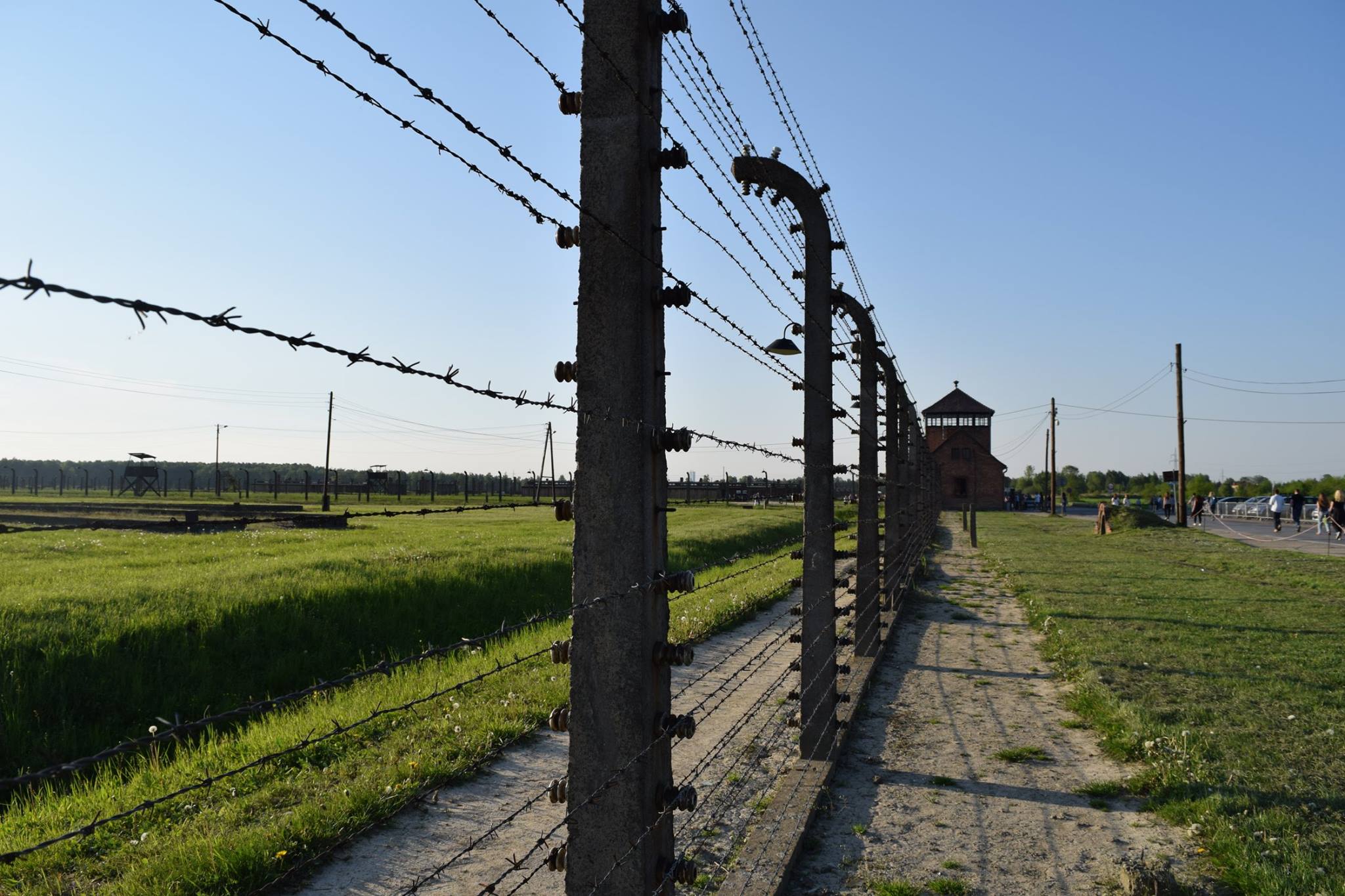
At the Treblinka and Auschwitz-Birkenau concentration camps, I sifted through the millions of names of those who had perished at the hands of the genocide. I was amazed to see, among the names of my Hungarian ancestors who had perished, the many others who bore the same name – often from the same district of Budapest. It seemed to speak to the enormity of the calamity that befell Europe’s Jewish community and the apparent ease at which multiple lives can be taken away.
Our immensely-experienced guide, Raquel Orenstein of the Yad VaShem Museum, imparted a gem of knowledge unto us. She encouraged those who come to Poland, or those who study the Holocaust, to question the psychological and behavioural underpinnings of what befell the victims of the Holocaust:
- How can one be seduced by a message of hate?
- What are the effects of mob mentality?
- What does it take to murder a fellow human being?
This viewpoint left a lasting impression on me. I found myself exploring the human aspects of the Holocaust, rather than focusing on facts and data. It felt very uncomfortable asking myself ‘had I been a Polish or German citizen, what would I have done? Would I have hidden my Jewish or Roma countrymen and women? Would I have been a partisan, a bystander or an active perpetrator? How easily would our modern conception of benevolence and human rights have been eschewed by the seductive nature of fascism and scapegoating?’
Having these questions in mind made the trip an unforgettable experience. My only advice to any prospective travellers or visitors would be to immerse oneself in a more holistic encounter with Poland. Although the brutality and horror of Poland’s history are both undeniable and unimaginable, the resurgence of Jewish culture and the strengthening of the Jewish community there gives us reason to be hopeful that the relationship between Jews and Poland is not resigned to the history books.
Restoration and Freedom
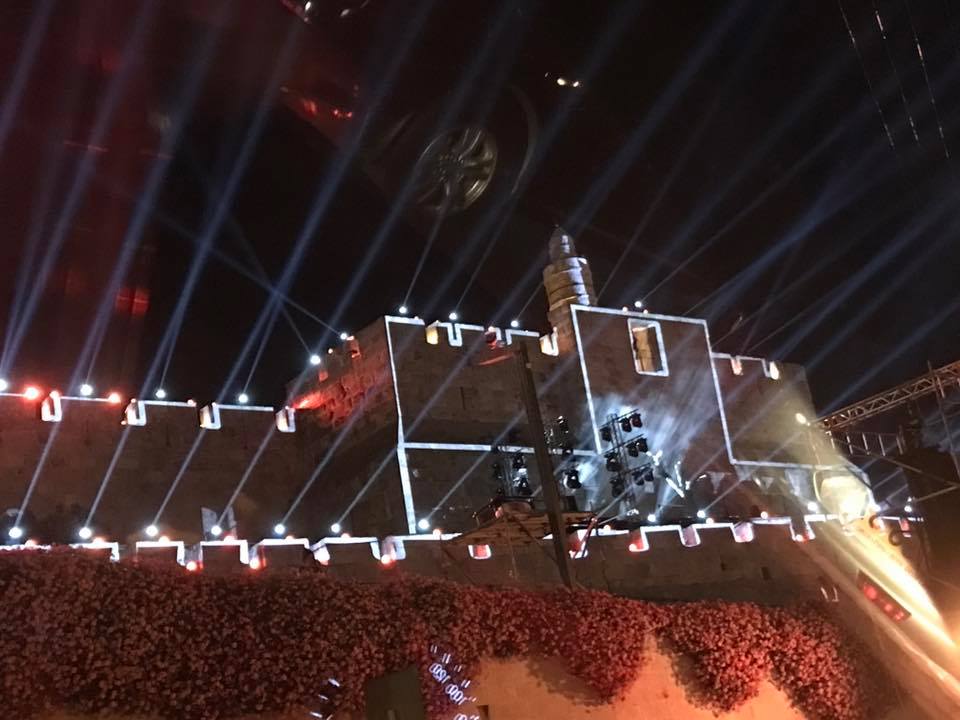
Jewish sovereignty was restored over all of Jerusalem, 50 years ago, in 1967. This restoration allowed peoples from all religions unfettered access to its Holy sites for the first time in approximately two millennia. We honor this occasion by celebrating "Jerusalem Day", today Wednesday, May 24th.
Historically, Jewish majority in the city of Jerusalem was established in the late 1880's. 100 years ago, Western Imperialistic powers led by General Allenby liberated the city of Jerusalem from the Islamic control of the Ottoman Empire, and thereafter, through the Balfour Declaration established that Palestine would be recognized as "a national home for the Jewish people".
In November, 1947, the UN General Assembly adopted a partition of Mandatory Palestine at the end of the British Mandate. The Partition Plan recommended a Special International Regime for the city of Jerusalem and the creation of independent Arab and Jewish States. This plan was never accepted by the Arab states and Jerusalem was under Jordanian control.
Under Jordanian occupation, Jerusalem was systematically Islamicized. No Jews were permitted to live in the city, and the Christian population dropped sharply from 25,000 to 9,000. Jordanian policy imposed the Arabic-language; included the destruction of dozens of synagogues; use of government-issued textbooks in Christian schools; a prohibition on the purchase of property by churches and a denial of church funding of social and medical services, including hospitals; and a total ban on visits to Jewish holy places by Jewish pilgrims.
The religious persecution continued until Jordan chose to join a coalition of Arab states and invade Israel in 1967. Israel's victory in the Six Day War resulted in the reunification of Jerusalem and freedom of worship was restored to members of all faiths.
Isaiah 62:6 - I have set watchmen upon thy walls, O Jerusalem, they shall never hold their peace day nor night: ye that make mention of the LORD, keep not silence...
Times and seasons are ultimately beyond our control. However, the Jerusalem Institute of Justice remains dedicated to confronting discrimination and exploitation by promoting human dignity to ethnic, religious and cultural minorities in Israel and throughout the Middle East. We hope and pray that this year restoration and freedom will come to many people in our region.
_______________________________________
Read more about JIJ: Click here
Browse our projects: Click here
Embracing Holocaust Survivors
https://www.youtube.com/watch?v=3_ndhmAg1io
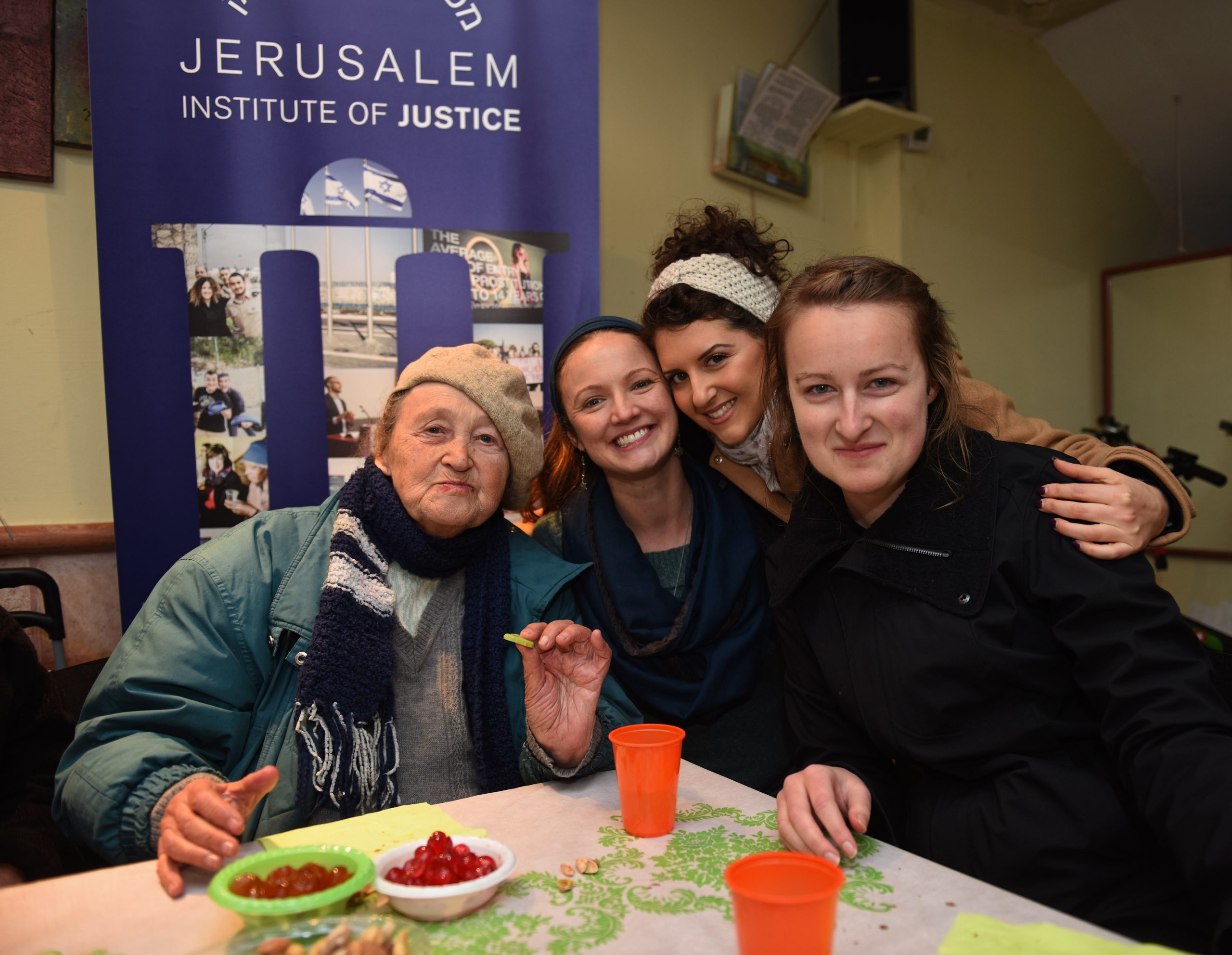
Currently, there are about 150,000 Holocaust survivors living in Israel. The average age of the survivors is 88. This extraordinary group of people have overcome great tragedy and suffering. We must record their stories so the world does not forget, and we want to honor and comfort them while they remain with us. JIJ sponsors fun activities and holiday events for survivors, where we give food, clothing, blankets and love.
ANTI-PROSTITUTION EDUCATIONAL PROGRAM
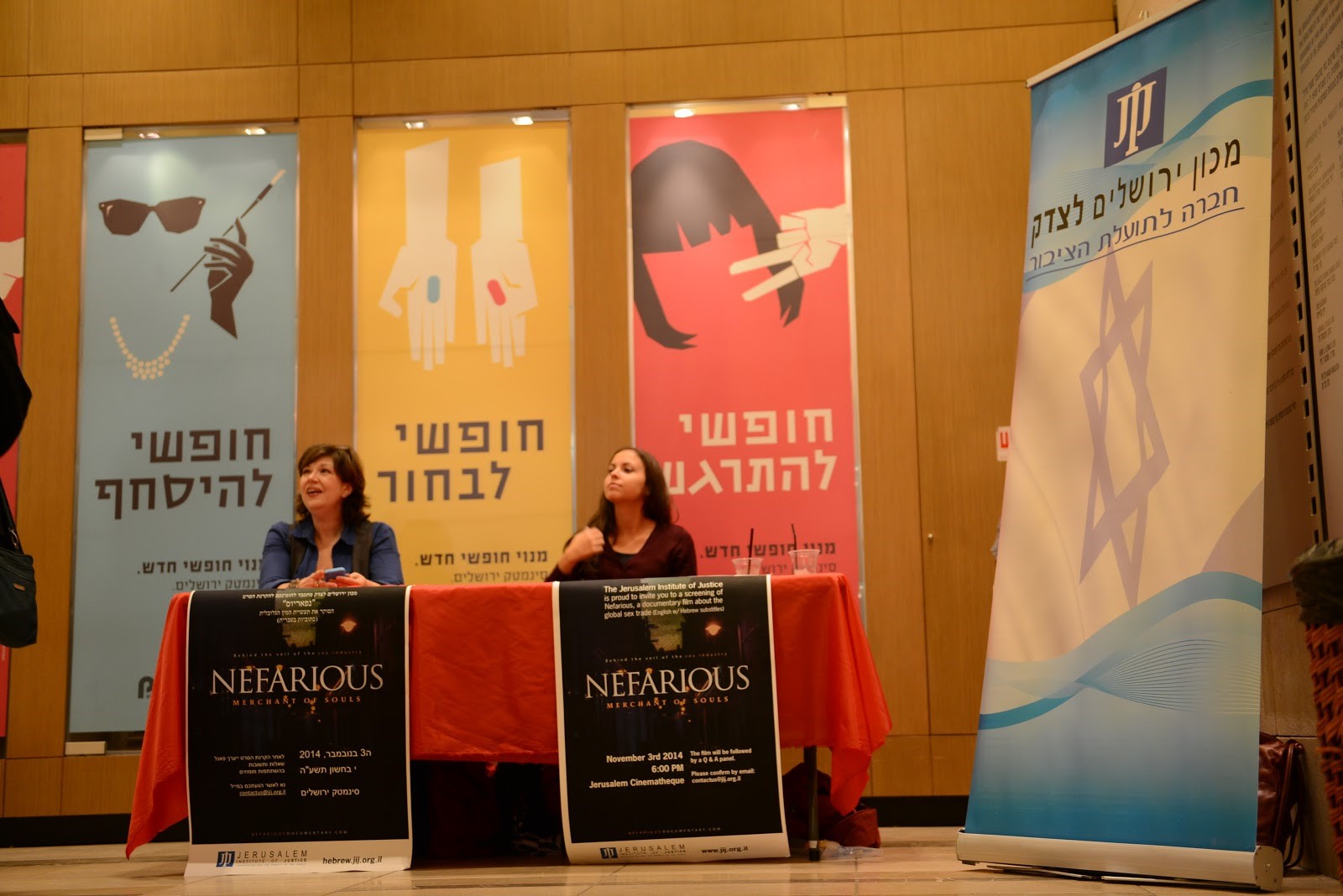
Early on, we realized that educating society and changing public discourse about prostitution will be key in bringing true change to Israel. We have been successful in presenting our message on Israeli television and have created a short film titled “Zona” that exposes the Israeli sex trade, worked with young Israelis to educate them on the topic and conducted public screening of movies related to the industry.

ANTI-PROSTITUTION AWARENESS CAMPAIGNS
Israeli public opinion regarding the damaging effect of prostitution on society as a whole varies greatly. Much of the general public is unaware of the realities of the sex industry. We tackle these issues with smart online campaigns, targeting individuals across all internet platforms – social media, YouTube and banner advertisements as well as promoted articles.
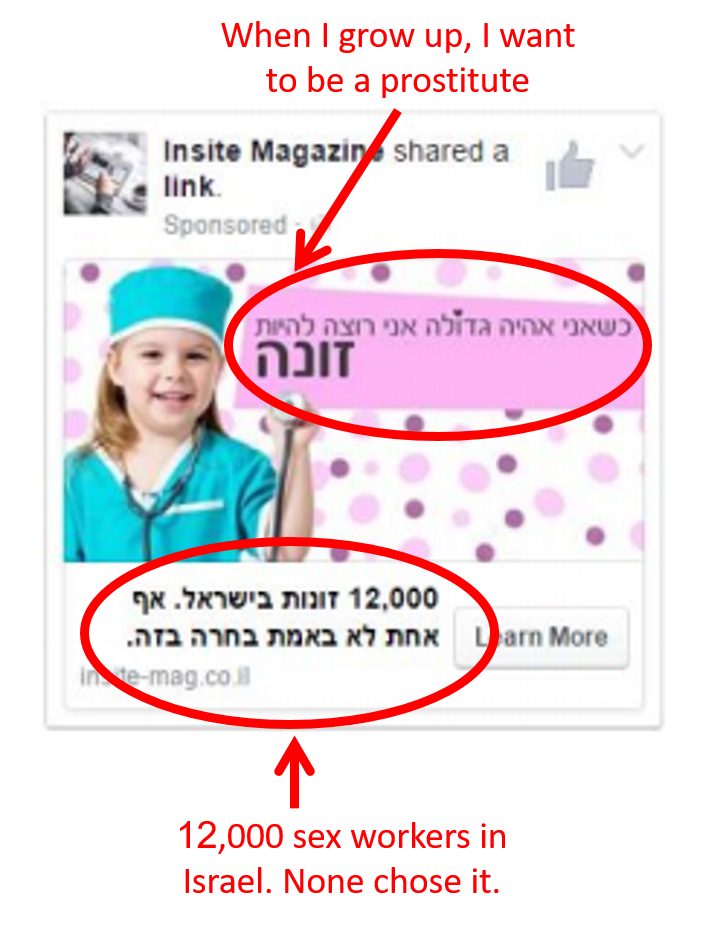
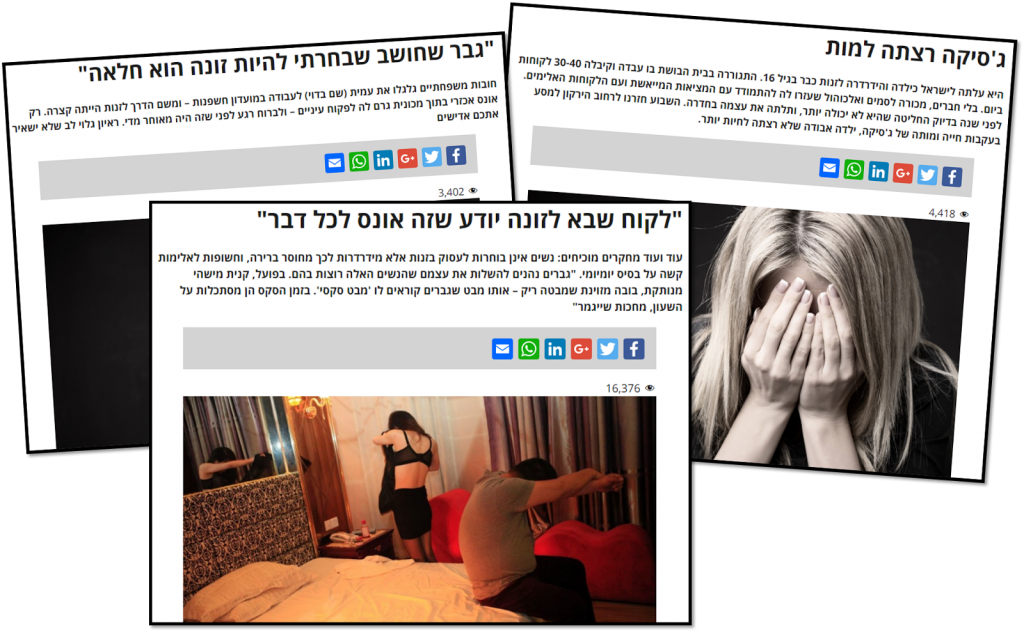
A massive online campaign targeting misconceptions of the prostitution industry, consisting of 3 articles and additional creative (Banners, Graphics)
The campaign reached more than 260K unique impressions, tens of thousands read the articles with great performance (Engagement, Read time etc).
The campaigns are very successful and have led to the creation of a forum for honest discussion.
IDF LONE SOLDIERS
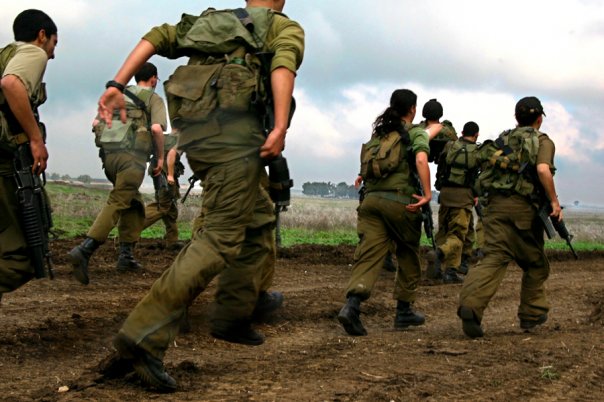
“Lone soldiers” are those who leave their home countries to come to Israel and serve in the IDF; many do not have family here and have no place to stay on weekends when they are off base. In 2009, we were shocked to discover the state in which many of the Israel Defense Force’s lone soldiers were living in. We immediately took action to aid the soldiers. We presented the problem to the Knesset Security and Foreign Affairs Committee and provide direct legal and civil assistance to lone soldiers.
https://www.youtube.com/watch?v=axIVgXj0cNc
The support we provide includes:
- Jewish High Holidays and Israeli National Celebrations: As a way to create a familial and jubilant atmosphere, we hold festive meals at local restaurants that are open to all lone soldiers.
- Freedom of Conscience: Most of the lone soldiers in Jerusalem come from ultra-orthodox or Haredim families. For choosing to express their faith and love for Israel by serving in the IDF that is different than the ideologies of their communities, the consequence is typically being completely cut off from by families. Because of this important circumstance, JIJ’s work includes assisting with practical needs to help fill the familial void. We assist with negotiating contracts, furnishing apartments, purchasing clothing, as well as serving as a place for lone soldiers to turn to with their everyday struggles.
- Holiday and Day Trip Events: Several times a year, we take the soldiers, most of whom come from underprivileged families, on day trips across the country. This provides them with the social support and cultural experiences that most people would receive from their families.
- Gifts, food coupons and gear.