
Palestinian Women Group against Arab Women Rights
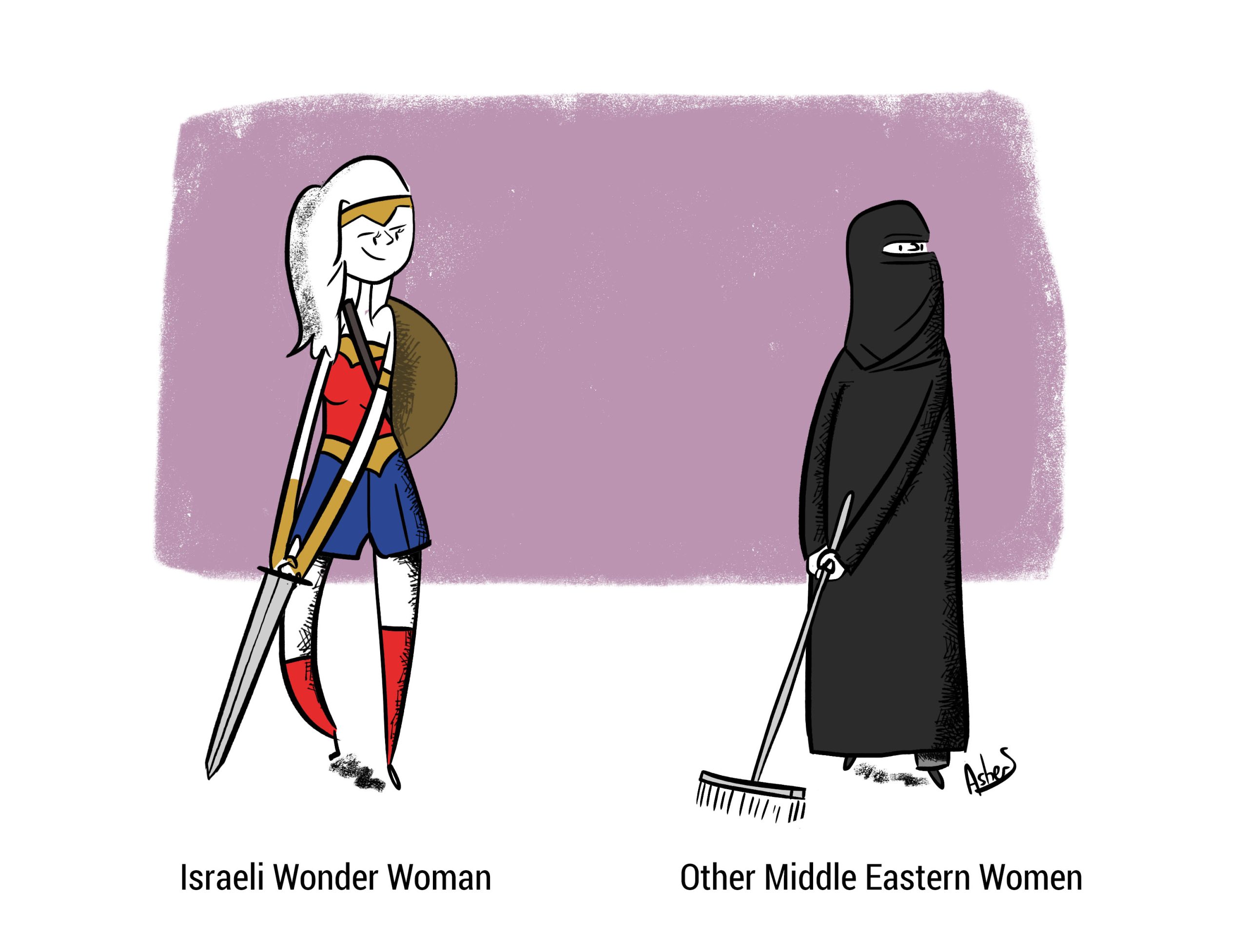
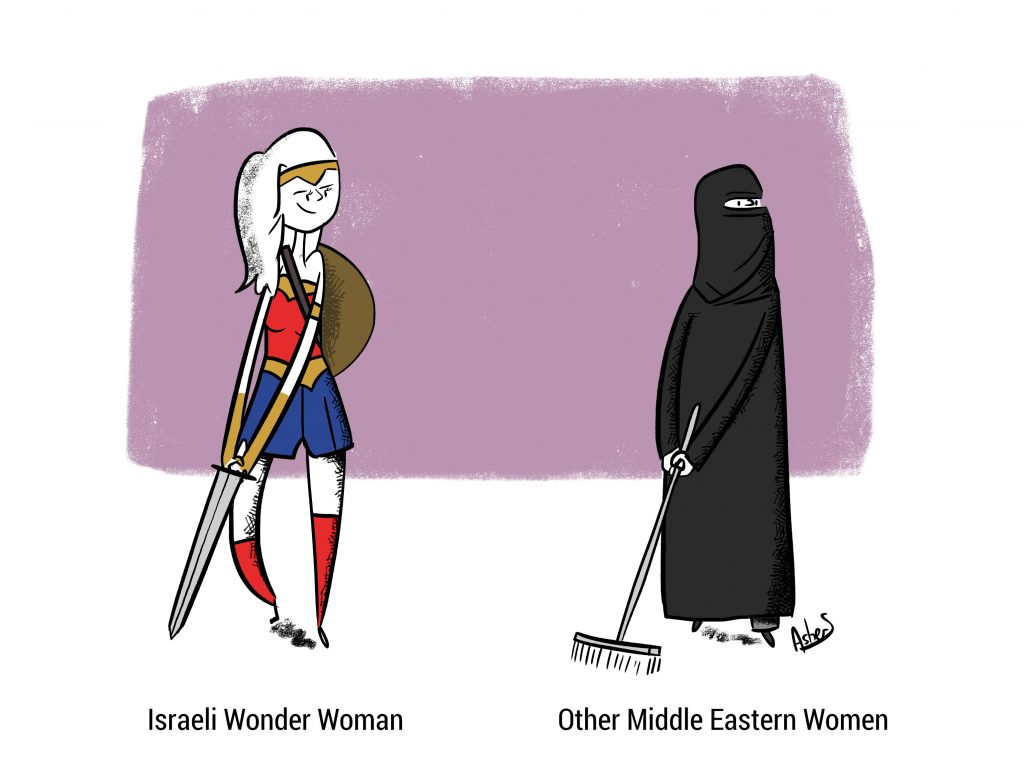
The Culture and Free Thought Association (CFTA) is a Palestinian NGO situated in Khan Younis, a city in the southern Gaza Strip. Their vision statement reads: “CFTA aspires to be a leading organizational contributor to civil society efforts to build a Palestinian society in which all citizens enjoy freedom, equality, and human rights.” They have received, along with other organizations, €481,773 from the European Union (EU) to support women's rights in the Middle East. At face value, CFTA sounds like an organization that should be supported and that deserves the money they received from the EU. But what has CFTA decided to do with all that money? They decided to support anti-Israel policies, calling for women around the world to boycott Israel because of the “awful” way Israel treats women. This position is ironic to the highest degree taking into consideration that Israel is, by far, the most feminist country in the Middle East.
Rape is one of the most egregious crimes being perpetuated against women. Being so, the punishment for rape should be proportionate to how devastating the offense is. In Israel you can expect 16 years to life in prison for the crime of rape. In Jordan, rape is only punishable by 7 years. That is less than the amount of time in prison you would receive for armed robbery in some states in the United States. Has The Culture and Free Thought Assoc. called out to boycott Jordan for their “slap on the wrist" attitude towards rape sentencing? Another crime that affects specifically women is marital abuse. 51% of the women in the Gaza Strip have been subjected to a form of violence within the household (PCBS, Violence Survey in Palestinian Society, 2011). Has CFTA made a call to boycott their own government for allowing a terrifying rate of marital abuse?
If rape and abuse are not so important for the CFTA, what about Female Genital Mutilation (FGM)? The destruction of a woman’s genitalia is a heinous crime that should be outlawed everywhere. Unfortunately, this practice is still prevalent in many places. In Egypt, FGM is a common practice that hurts, and even kills, thousands of little girls due to unclean medical procedures and the infections that followed. Fortunately, in 2007, the Egyptian Ministry of Health and Population banned all forms of FGM, but this has not stopped the practice. In 2014, UNICEF reported that 91% of women in Egypt had undergone some form of FGM. FGM has never been an accepted practice and is illegal in Israel. Why does an NGO, specifically designed to protect and stand up for women's rights, condemn Israel, when countless young girls are being butchered in neighboring Arab countries?
How is a woman’s testimony in court weighed against a man’s? In Egypt, Iraq, Iran, Syria, Jordan, Saudi Arabia, and all areas governed by the Palestinian Authority, a woman’s testimony is worth half that of a man’s. This means that if a women accuses a man of committing a crime against her, whether it be assault, robbery, rape, etc., she will need another female witness just to have the same amount of credibility as the man. What country in the Middle East does treat both genders’ testimonies equally? You’d be right to assume, yet again, Israel.
Is Israel a misogynist country? Is Israel a patriarchal society? In Israel, a child is granted citizenship automatically if the father or the mother is a citizen. Not all countries in the Middle East follow the example Israel lays out. In Jordan and Lebanon, the child’s father must be a citizen. Even if a mother is a Jordanian or a Lebanese citizen, if she marries a foreigner, the child does not receive her citizenship.
Forced child marriage is an abhorrent practice and a violation of children's rights. As of 2017, in Gaza, 15% of girls under the age of 18 are married as well as 1% of girls under the age of 15. To clarify, almost 4,000 girls under the age of 15 in Gaza are married. In Egypt, it’s 17% under the age of 18 and 2% under 15. Iran? 17% and 3%. What does 3% look like? 526,854 little girls that are sold into marriage before the age of 15. In Israel it is illegal for a person to marry someone under the age of 18.
One of the strongest indicators of gender equality is women in positions of political authority. As of 2018, 28% of the Israeli Parliament is women. That beats even the United States, where only 20% of Congress is women. And where does the Middle East stand on female empowerment? The average percentage of women in positions of political power across the Middle East is a whopping…6%.
If the Culture and Free Thought Association wanted to actually talk about gender inequality and women’s empowerment, they could target any number of the issues addressed in this article. They could call for their neighboring countries to reform. Unfortunately, they are more interested in forwarding their political agenda by ignoring women's rights violations in the Middle East and attacking the only feminist country in the area, Israel.

Water Crisis in Gaza: the Real Enemy
Gaza water crisis: “BREAKING NEWS: Gaza unlivable in 3 years, some experts say”, “NEWS FLASH: 97% of drinking water polluted in Gaza.”
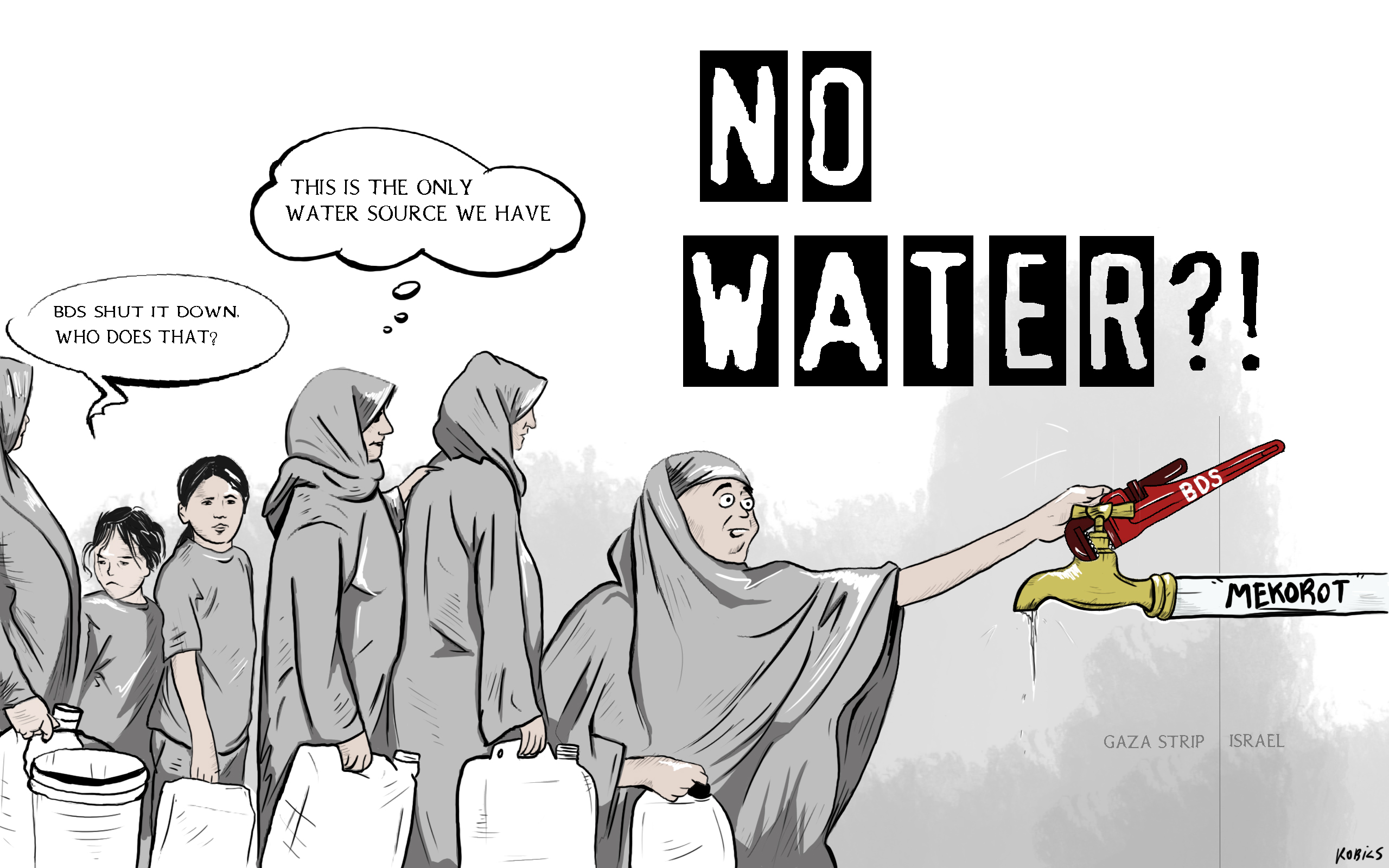
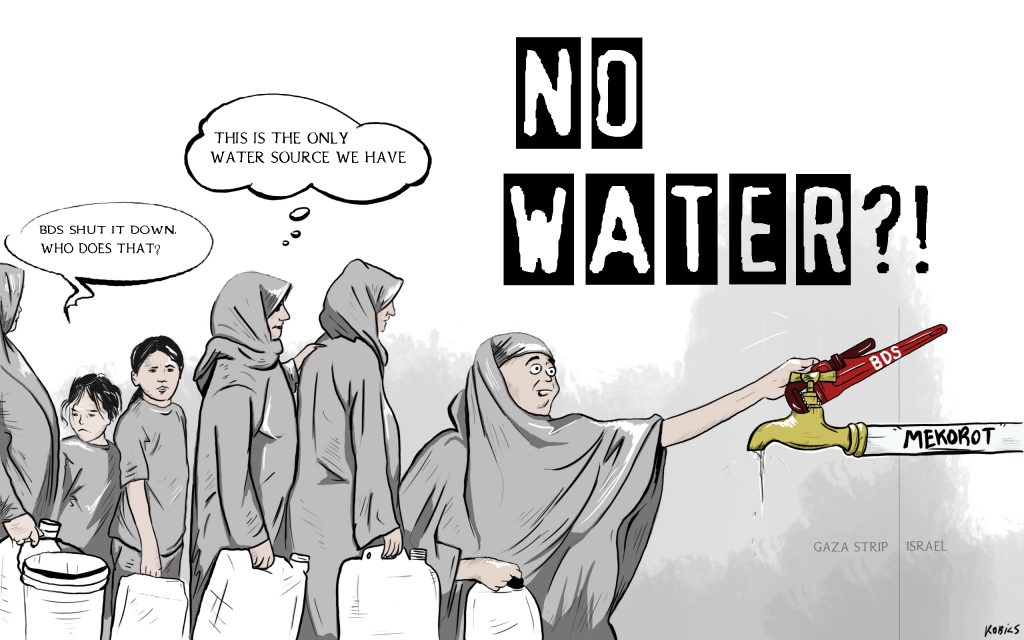
The water crisis in Gaza is center stage for the Agricultural Development Association (PARC), a Non-Governmental Organization headquartered in the Palestinian territories. PARC’s mission statement is to “develop the agricultural sector, strengthen the resilience of farmers, reach out to the poor and marginalized groups and their CBO’s and to to contribute to the establishment of a free and democratic Palestinian society with the values of social justice.” PARC received €1,497,567 from the European Union (in 2016 alone) to fulfill its goals. What did they do with this money? PARC invested that money on a campaign to boycott Mekorot, Israel's National Water Co.
Water is one of the basic necessities for life. Humans can only live without water for 3-4 days. Israel receives an average of 22 inches of rain annually. This may sound like the average amount for most temperate climates of the world, but virtually all of that rain falls during the winter months, and it mostly falls in the northern part of the country. If you are in Jerusalem, the West Bank, or Gaza during the summer months, there is no direct access to natural drinking water. What are people supposed to do if there are only unreliable natural sources of drinkable water?
When the modern Jewish State formed, millions of Jewish immigrants flooded the country. Israel needed to create some way to collect large amounts of drinking water for its growing population. Through incredible feats of technological innovation, Israel has been able to thrive in a harsh natural environment. One of the major ways Israel acquires drinking water is through desalination: treating sea water and turning it into drinking water. Desalination accounts for 42% of all drinking water provided in Israel. Another large source of drinking water comes from piping in water from the Sea of Galilee (the only freshwater lake in Israel). The Sea of Galilee is on the northern end of Israel and requires hundreds of miles of piping in order to reach Southern Israel. Israel also saves water by recycling sewage water, treating it, and reusing it for agricultural purposes. Mekorot owns and operates most of the plants that desalinate, transport, and treat these sources of water, supplying Israel with 90% of its water.
The Gaza Strip receives a great majority of its water supply from its Coastal Aquifer Basin. Overtime, the coastal aquifer has become an inadequate source of water for Gaza. While normally aquifers are self sustainable, sustainability only works if water is taken out at a rate equal to the replenishment rate. The annual quantity of water that can be pumped without compromising the aquifer’s ability to renew itself is approximately 50-60 million cubic meters. Unfortunately, between a rapidly growing population, and outdated infrastructure and agricultural techniques, about 200 million cubic meters of water are pumped every year. This excessive use creates a vacuum in the aquifer that allows sea water from the Mediterranean Sea to seep in and contaminate the aquifer, polluting the drinking water. The rest of the water consumed in Gaza is imported from Israel. Mekorot sells about 10 million cubic meters of water to Gaza every year.
With 97% of drinkable water from the aquifer being polluted, the World Health Organization reports that in five to ten years, Gaza will be unlivable. This clearly marks an urgency in correcting the water crisis that Gaza is facing. Unfortunately, whereas PARC wants to blame Israel for the water crisis in Gaza, the real perpetrator is the Palestinian government of Gaza. The European Union and the United States have collectively given millions of dollars to the Palestinian Authority to fix their water crisis. This money could have been used to repair their water treatment plants, to build desalination facilities on the coast, or to rebuild infrastructure to minimize the amount of wasted water.
International Aid is clearly not being used to help the residents of Gaza who are suffering. Where does that money go? Since Hamas (a terrorist organization) took control of the Gaza Strip, fights between the Palestinian Authority and Hamas leaders make the exchange of that money impossible. Furthermore, Hamas uses the money it does receive to fund terrorist activity: buying weapons and military equipment, and launching rockets at Israel, instead of investing in life saving infrastructure. Since the Palestinian authorities are compromised, the only reliable source of water going into Gaza is water imported from Mekorot. By campaigning to boycott Mekorot, PARC puts in danger the Palestinian people that it is vowing to protect and support.

Terrorism Deserves a Red Card
How Terror Plays its Game
On June 5th the BDS movement (Boycott, Divest, Sanction) celebrated a supposed victory through threats and manipulation by the PACBI, the cultural boycott branch of the BDS movement. In early June, the PACBI launched a campaign to pressure the Argentina National Team to cancel their friendly match in Israel, which was to take place on June 9th in Jerusalem. The PACBI posted a photo on twitter of an Argentine player celebrating a win, and stated that the team cancelled the friendly match with Israel due to “creative campaigning from fans around the world.” This “creative campaigning” that the PACBI refers to, in actuality, consisted of violent, targeted threats directed at Argentine players and their family members.[1]
The Argentina National Football Team cancelled their preparatory game, not as a political rejection of the State of Israel, but rather in response to horrific threats placed upon the lives of Argentine players and their families. News sources framed the team saying that the cancelled game was “the Argentina National Soccer Team saying no to the Israeli state,” but this is simply not true.[2]
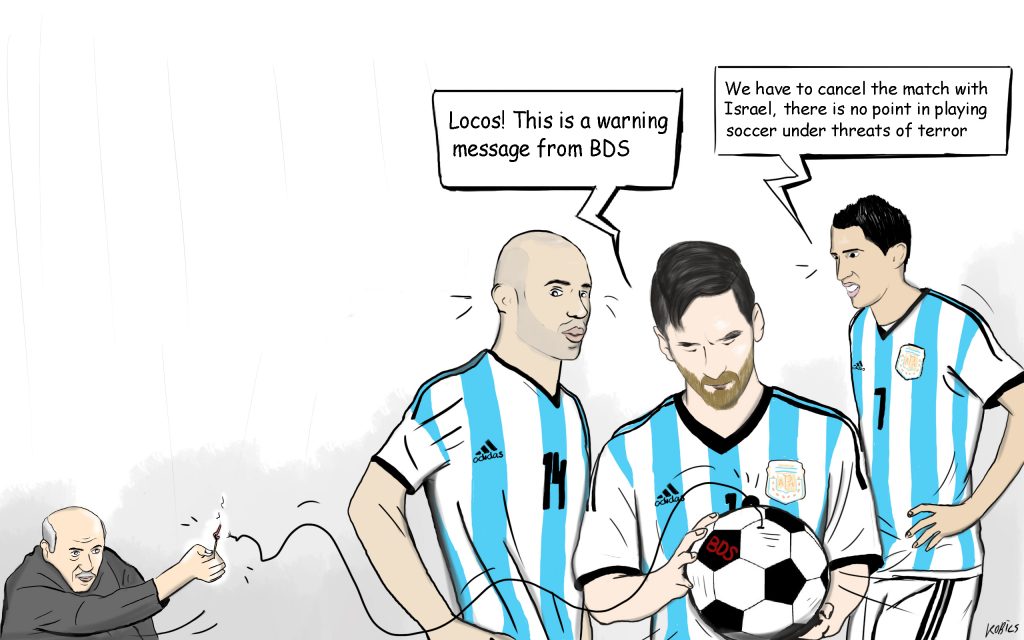
Along with an “extensive public relations campaign led by senior Palestinian Authority official Jibril Rajoub,” which placed pressure on the Argentina team, several terrorist organizations sent “death threats to the Argentine players and their families,” targeting the world-renowned player Messi and his family members as well. Additionally, throughout the PACBI campaign, fans were encouraged to threaten Messi by burning posters of the player if he participated in the match, and to threaten the Argentina National Team members by covering their jerseys with red paint, resembling blood.[3] Gonzalo Higuain, striker for Argentina, told ESPN, “health and common sense come[s] first. We felt that it wasn’t right to go.”[4]
Miri Regev, the Israeli culture and sports minister, stated that the cancelled game was due to Palestinian terrorism,[5] describing that the alarming Palestinian threats directed at the Argentina National Football Team included “video clips of dead children.”[6] Regev stated, "This is the same terrorism that led to the murder of eleven slain athletes in Munich. This is not BDS, but a terrorist incident that intimidates the athletes themselves."[7]
Jorge Faurie, Argentina’s foreign minister, confirmed this report by saying that the threats that the Argentine players were bombarded with were worse than ISIS’s terrorist threats.[8] He also said that there were alarming protests outside the team’s practice facility in Barcelona on Tuesday, with protestors holding Argentine jerseys stained with red paint depicting blood.[9] The head of the Argentine Football Association, Chichi Tapia also confirmed that the players “faced serious threats, which forced them to cancel,” and the team would plan to “play in Israel at another time.”[10]
The Israeli Embassy in Argentina tweeted about the event: “The threats and provocations directed at Lionel Messi, which logically aroused the solidarity of his colleagues and fear of playing the friendly [game] are no strangers to the daily life of Israel's civilian population whose sporting stars, to put it simply, have been on numerous occasions the targets of violence and attacks.”[11]
By celebrating the cancelled game as a win for their agenda, the BDS showed its true colors—the BDS plays an unfair match, and only wins with manipulation and terrorism.
Article by Hannah Fruh
[1] https://www.timesofisrael.com/soccer-friendly-nixed-after-argentina-players-threatened-officials-confirm/
[2] www.thenation.com/article/victory-boycott-movement-argentinas-national-soccer-team-cancels-game-israel/.
[3] https://www.nbcnews.com/news/world/argentina-cancels-soccer-game-against-israel-amid-bds-campaign-n880431
[4] https://www.timesofisrael.com/soccer-friendly-nixed-after-argentina-players-threatened-officials-confirm/
[5] https://www.haaretz.com/israel-news/it-s-not-bds-it-s-terrorism-israel-says-death-threats-against-argentina-s-messi-led-to-game-s-cancellation-israel-news-1.6155447
[6] http://www1.cbn.com/cbnnews/2018/june/pa-elated-at-soccer-match-cancellation-in-israel
[7] https://www.haaretz.com/israel-news/it-s-not-bds-it-s-terrorism-israel-says-death-threats-against-argentina-s-messi-led-to-game-s-cancellation-israel-news-1.6155447
[8] https://marcelolongobardi.cienradios.com/faurie-aseguro-habian-advertido-afa-sobre-jugar-jerusalen/?utm_source=Twitter&utm_medium=nota&utm_campaign=twitter-marcelolongobardi
[9] https://www.timesofisrael.com/soccer-friendly-nixed-after-argentina-players-threatened-officials-confirm/
[10] https://www.washingtonpost.com/news/worldviews/wp/2018/06/06/in-win-for-boycott-movement-argentine-soccer-team-cancels-match-in-israel/?noredirect=on&utm_term=.de7a0ff959b8
[11] http://www1.cbn.com/cbnnews/2018/june/pa-elated-at-soccer-match-cancellation-in-israel
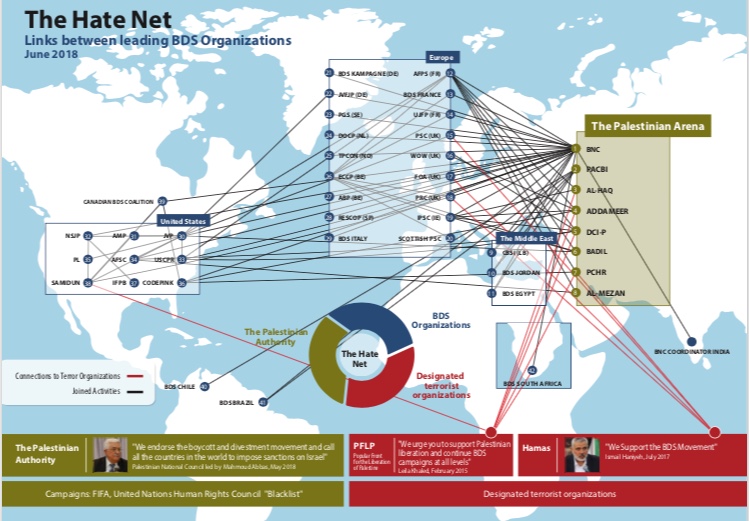
ISRAEL REVEALS BDS "NETWORK OF HATE"
Research Highlights Prominent Role of the PA and Hamas in Leading BDS, Certain BDS Organizations’ Ties to Terror Groups
Minister of Strategic Affairs Gilad Erdan:
"The relationship between terrorist organizations and the BDS movement has never been closer, ideologically or operationally. I will continue to go after the perpetrators of this anti-Semitic hate campaign stemming from Gaza and Ramallah."
Jerusalem, Israel ― June 19, 2018 ― Minister of Strategic Affairs and Public Diplomacy Gilad Erdan revealed for the first time the “Network of Hate”. This map showcases the network of ties between 42 of the most prominent BDS organizations― ten of which have ties with the internationally recognized terrorist organizations Hamas and the Popular Front for the Liberation of Palestine (PFLP). Minister Erdan presented the information at this year’s Global Coalition 4 Israel Forum (GC4I), an event focused on strategies for countering BDS and anti-Israel delegitimization.
Additional data presented:
• The Ministry of Strategic Affairs asserts boycott organizations are relying heavily on falsified propaganda disseminated by Hamas and the PA, with a quarter of them shown to have ties to the terrorist organizations PFLP and Hamas.
• BDS organizations are interconnected and operate together as an integral network directed from Ramallah and the BDS National Committee (BNC).
• The next boycott target: Israel's military arms trade.
• There are currently an estimated 300 organizations calling for a boycott of Israel.
In his speech on the opening night of the conference, Minister Erdan said that as a result of his ministry going on the offensive over the last two years, the boycott movement is now on the defensive. "Just recently, we have revealed to the European Union that part of the money that it supposedly transfers to ‘human rights organizations’ is in fact transferred to groups that maintain ties with terrorist organizations."
"The perpetrators of this hate-filled campaign, who derive their ideology from the PA and Hamas, are united in their goal of attacking Israel, and are leaving no stone unturned in their efforts. Under the guise of ‘civil activities’, a coordinated and financed network of organizations is led from Ramallah and Gaza, a quarter of which have links to terrorist organizations, including Hamas and the PFLP.”
The minister went on to note that Hamas and the PFLP openly support and embrace the BDS movement. Hamas leader Ismail Haniyeh stated, "We support the BDS movement" in July 2017, and his movement repeated it only last month. Other examples include: Senior members of Palestinian organizations Al-Haq, DCI-P and Addameer having either had or have active roles in the PFLP, whereas Ramallah-based Shawan Jabarin, the General Director of Al-Haq and a leader in multiple legal campaigns against Israel, served 13 years in prison in Israel for his involvement in the military wing of PFLP. Lila Khaled participated in the fundraising campaign for BDS South Africa, and ties between the American boycott organization "Semidoun" and the PFLP were also found. Additionally, the BDS organization PRC promotes Hamas's interests in Europe and members of the British PSC and FOA held meetings with senior Hamas figures in the Gaza Strip and recently held a demonstration in Downing 10 in support of Hamas’s recent “March of Return” campaign.
Minister Erdan also blamed the Palestinian Authority, which has been a long-time advocate for boycotting Israel, for officially adopting the principles of thr boycott movement in its Palestinian National Council last May. "We saw attempts by senior PA officials to suspend Israel from FIFA and to promote the ‘black lists’ formulated by the UN Human Rights Council. All of these campaigns, exposed by the Ministry of Strategic Affairs, were extensively promoted by the BDS organizations.
Minister Erdan also observed the political environment is decidedly against the boycott movement, noting anti-boycott legislation has already been passed in 25 US states, and boycott activity in Europe has been thwarted thanks to the exposure of its discriminatory elements against both Jews and the State of Israel.
Recently, the Ministry of Strategic Affairs has identified a rise in the content and audiences to which BDS groups directing their activities. Boycott organizations have recently called for a halt to trade agreements with Israel and to business cooperation with Israel's defense industries.
Minister Erdan noted that this campaign is no longer held only among civil society organizations, but recently the boycott organizations have begun to lobby MPs in various parts of the world. The opening of the first branch of the BNC this year in India may be part of the strategic goal of the boycott movement against Israel’s arms trade.
Minister Erdan concluded, "The relationship between terrorist organizations and the BDS movement has never been closer, ideologically or operationally. I will continue to go after the leaders of this hate-filled campaign emanating from Gaza and Ramallah."
Unlikely End, Unjustified Means
Unemployment, poverty and the meaning of sanctions in the Israeli-Palestinian conflict
There are those who say that the end justifies the means, and there are those who oppose that notion. But when the declared end is not even achieved, any justification of the means falls flat.
In the previous article we dealt with the outcomes of sanctions policy on poor areas in general, with particular attention to sanctions in the disputed territories in the Israeli-Palestinian conflict. We looked at the probable economic and social harm to the individuals affected by this policy as well as their society in general. In this article we show the impact of the sanctions on daily life, in both the short run and the long run.
It is well known that unemployment causes massive harm to affected populations. This damage begins with the individual but spreads to the surrounding society. The individual experiences loss of his ability to pay for housing, food, bills, medical care, etc. as a result of lack of income. This situation has a variety of implications, even in developed countries. Tent cities in the USA are an example of this principle. Individuals who suffer unemployment also report feelings of stress, anxiety, and depression, made worse when the unemployed person is responsible for a family. This was shown by research done during the time of the US sub-prime breakdown, when banks offered easy access to money that later triggered the mortgage crisis.
Unemployment also affects the afflicted society by preventing it from reaching its economic potential. In the short run, the workers are not creating economic gains that would fulfill their potential contribution to that society. In the long run,* the unemployed look for any job that will feed themselves and their families, which makes them accept jobs not fitted to their skills and creates a loss of human capital in those skills. This problem intensifies during long terms of unemployment, as the quality of work within their original skills and abilities deteriorates.
In search of income, people in economic distress often fall into criminal activity in order to make a living. This dependency has been encouraged and exploited by terrorist organizations in the West Bank and Gaza, who offer money to those in need, thereby recruiting them for the advancement of terrorism.
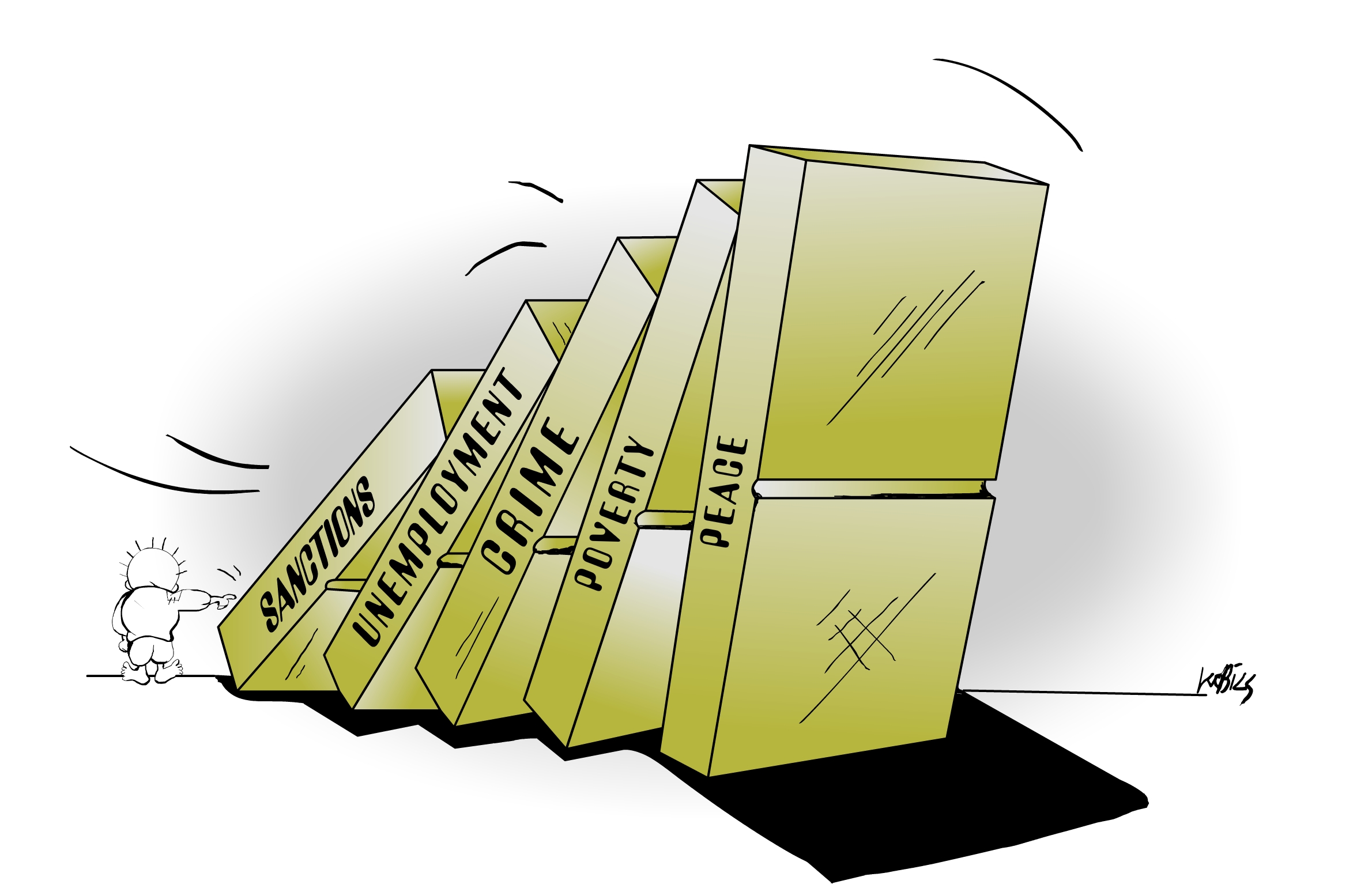
Thus, in addition to unemployment, sanctions cause poverty, widen inequality, and increase crime in the affected societies; all of which causes more tension that can lead to more violence. A definite connection was found in research regarding these effects of sanctions imposed upon multi-ethnic societies.
This research should serve as an alarm bell concerning sanctions implemented against the disputed territories: it points to potentially catastrophic results that can easily lead to increased violence. It is important to note that the territories are already experiencing a complex reality of political tension between ethnic groups, increasing the likelihood that sanctions would only make that tension worse.
There are two more reasons why these sanctions are not likely to achieve their declared goals. Firstly, 65-95% of the sanctions imposed worldwide to date have failed. Secondly, the Israeli-Palestinian conflict is not primarily an economic dispute. It is based on many years of political, religious and historical disputes, which sanctions would not resolve.
In short, sanctions as a means will not only cause harm; they will also fail to achieve the end which supposedly justifies that means.
* Anderton, Alain (2006). Economics (Fourth ed.). Ormskirk: Causeway.
When Sanctions Fail
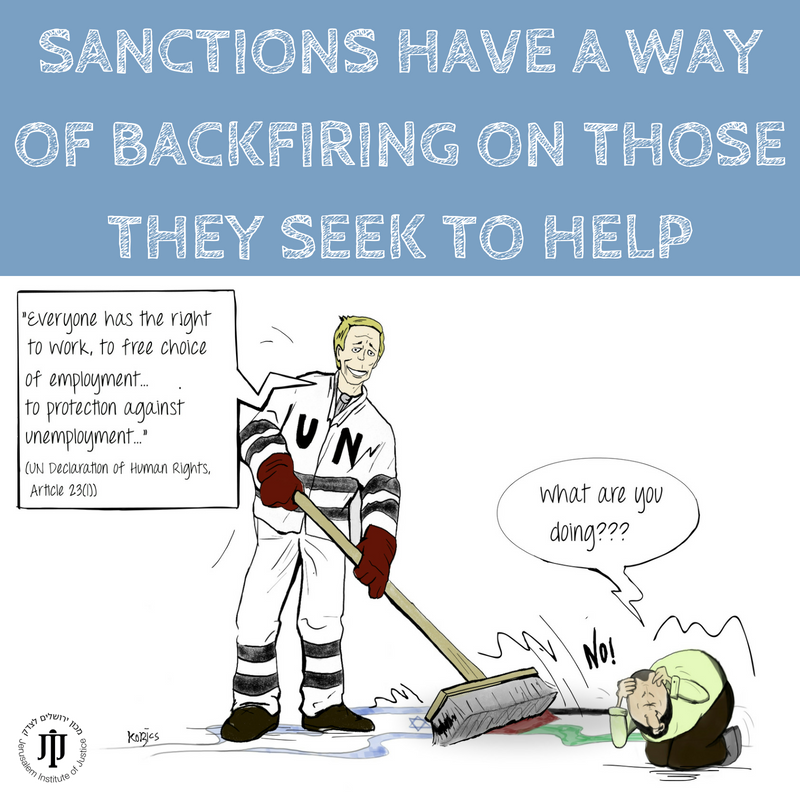
The United Nations Human Rights Council announced its intention to publish a blacklist of 150 private companies, including those who do business in the disputed territories beyond the Green Line in Israel. In doing so, the Council plans to condemn the companies for acting against international law. This condemnation is supposed to tarnish the companies’ reputations politically in order to force them out of these territories. This move is said to help the Palestinians in the area; but according to numerous studies on the effects of sanctions, it is more likely to harm them economically.
A recent study of 68 cases where sanctions were imposed shows that in the end there is an expansion of inequality with a damaging impact on the sanctioned economies. For example, Yemen, which was sanctioned for ten years, experienced an increase both in poverty and in polarization due to inequality. The results can still be seen today in the sewage that runs through its streets.
Another case study of sanctions, done between the years 1982-2011, also reveals their negative effects on poverty. The research shows that the poverty gap widened from 5.89% before sanctions to 13.26% afterwards – an increase of 7.37%! Furthermore, there was a 22.39% increase in death rates. Poverty spreads as sanctions intensify.
This data clearly shows the potential for devastating economic damage to Palestinians as the result of applying sanctions to Israeli companies in the disputed territories, and the effects of sanctions are long-term.
Over the years, the economy of the Palestinian Authority (PA) has developed a high dependency on international aid. Prior to the first Intifada (1987) there was a level of only 5% unemployment, with many Palestinians able to find work. Today, that percentage has dramatically risen to approximately 43%, with 58% unemployment among the young people of Gaza. Even amongst the employed there is a high percentage living under the poverty line. The political conflict has caused a worsening of economic conditions, which has led to increased dependency of the PA on foreign aid.
The World Bank recommends the development of the private sector in order to boost Palestinian economic growth. However, this strategy contradicts the interests of the PA, which receives most of its funding from international aid. The funding is given to the leaders of the PA, who use it for terrorism, anti-Zionist propaganda and for fattening the stomachs of the elite (there is a wide gap between rich and poor). In contrast, Palestinians who work for Israeli private-sector companies are able to make a comfortable living without dependency on foreign aid. Clearly, sanctions on Israeli companies prevent this by leading to an increase in Palestinian unemployment.
The consequence of all this is unnecessary human suffering. Sanctions cause a deepening of inequality, a widening of the poverty gap, an increase of social polarity, and more. Furthermore, these effects are long-term. Considering the political reality for individuals in these areas, it is reasonable to believe that massive harm has already been caused. It may well be that the economic reality of poverty and unemployment in everyday life has been contributing to the worsening of the conflict. Considering this perspective, it becomes apparent that the sanctions are targeted not at stabilizing the area, but rather at delegitimizing Israel.
FACTS ON THE GROUND
As a Jewish millennial, I considered myself very informed on the situation in the Middle East, specifically with regards to Israel. After studying the conflict in college and receiving a degree in Middle Eastern Studies, I believed that I had developed a nuanced perspective from what I believed to be a diverse set of sources. However, when I began working at the Jerusalem Institute of Justice, I realized just how much of the picture I was missing and how much I still had to learn. The anti-Israel bias in the Western media became clear both in terms of how they portrayed the different sides in the conflict and especially on the information that they withheld from the public.
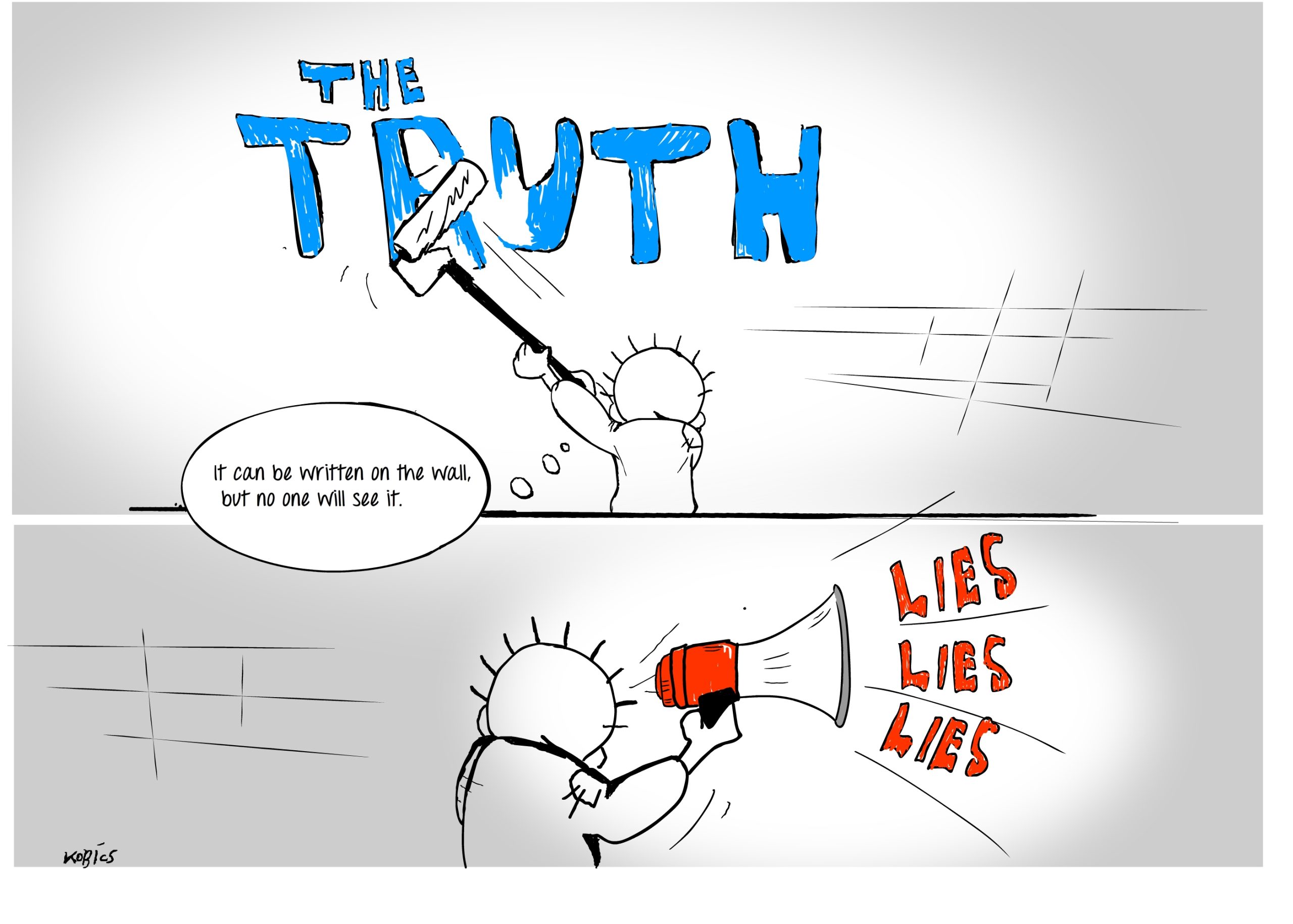
The BDS movement attempts to use this flow of information to its advantage. BDS leaders would have you believe that the only way to end the suffering of the people in the region is to boycott Israel. The movement conveniently leaves out any information that negatively portrays the Palestinians and their government as well as any information that reflects positively on Israel. It is due time for information to flow more freely and honestly so that people might truly understand the situation on the ground. With distorted facts come distorted opinions that do nothing to further dialogue or peace.
One of my first projects required me to research the difference in standards of living between that of Arab-Israeli women and those in Arab countries throughout the region. My research taught me a number of things. For example, while one can walk through the streets of Israel and see Arab women doing as they please, women are forbidden from many things in Gaza, like smoking hookah in public or running the Gaza marathon. Certainly more alarming, while Israel has a law making rape - including spousal rape - a felony punishable by 16 years in prison, a man in the Palestinian Authority could avoid prosecution for rape or sexual assault if he marries his victim due to a “marry-your-rapist” law.
I am shocked by the world’s silence regarding these laws targeting women in the Arab world. Yet, the United Nations dedicates extensive time towards chastising Israel for its treatment of women. With an increased focus on women’s rights, it is now time that the women under the control of the Palestinian Authority and Hamas receive the same attention and support from the international community.
My next projects focused on the BDS movement, something I fortunately had little interaction with on my college campus. There were stories circulating about the movement and its successes in convincing people of Israel’s supposed evils. BDS makes claims that Israel discriminates against the Arabs living in the country and highlights the harsh restrictions that Israel imposes on the movement of Palestinians. In reality, Arab-Israelis are an integral part of society, both academically and professionally. Arab-Israelis serve as Knesset members in both Arab and non-Arab parties and make up 16.1% of students in Israeli universities. Additionally, Arab citizens of Israel enjoy equal rights under the law, the same as their Jewish counterparts. In terms of the supposed “restriction of movement,” people blamed the security fence, which was built for and succeeded in preventing terror attacks. And even with this fence, over 100,000 Palestinians enter Israel every day for work. All this proves that these claims of discrimination are drastically exaggerated in service of a clearly dishonest agenda.
When reading about the region in the United States, it seemed that every little incident in Israel would be front-page news. The media loves pointing out Israel’s flaws, highlighting any instance that could be portrayed as an example of Israeli maltreatment of the Palestinians or its own Arab citizens. What was lacking was a comparable scrutiny of the governing bodies of the Palestinians. When the media does report on Hamas’ mistreatment of its citizens in Gaza, albeit infrequently, the Palestinian Authority does not receive any condemnation but is ignored for its corruption and the abuse of its people. In reality, Hamas steals electricity from its citizens while encouraging them to kill family members suspected of aiding Israel. At the same time, The Palestinian Authority works hard to silence any dissent, torturing journalists and others who attempt to speak out about the government’s abuses. In addition, rarely does one hear about the Palestinian Authority paying monthly salaries to families of terrorists. These are just some of the many abuses of power occurring in the Gaza Strip and West Bank that the Western media fail to adequately report. But why are these things not common knowledge among my peers? Where is the outrage from people who claim to care about human rights?
The BDS movement tries to change the narrative and distort the facts on the ground. It hopes that the incomplete and false media coverage of the situation will influence people to have a negative perception of Israel and to blame it for the conflict. This requires us to do our own research and learn the truth so that we do not let the BDS movement dictate the narrative and forge it as one of hate and lies.
My Encounter with Hatred: A Student in London
The first time the BDS movement caught my attention was on April 27, 2017. The date is etched into my mind because up until that day, I’d always thought of anti-Zionism as the ‘pet hate’ of the Jewish community, the enemy that we need in order to justify ourselves and to make excuses for ‘security measures’. Like Jews of many generations, I preferred to focus on the challenges of day-to-day living and not look at the totally irrational hatred being spread against me and my people. The basic rationale of my thinking was that Jew-hatred and Zionist-hatred doesn’t make sense, therefore it can’t be such a big problem.
On April 27, 2017 that changed.
I had been accepted to start studying in one of the major London universities and was at the university to make inquiries regarding my enrollment. My head was held high because I was proud to have the opportunity to be educated in this well-reputed institution. As I walked through the campus, I was intrigued to hear the sound of drums and people shouting. Slightly surprised but being compulsively inquisitive, I drew near to see the meaning of the rowdiness in civilized London. It didn’t take long to recognize – the Palestinian flags and chants immediately flooded my mind with memories of having stones hurled at me while on duty in the West Bank and pictures of one of my soldiers who got hit by a massive rock in the chest while overseeing a demonstration.
Taken by surprise, I walked amongst the protestors. Seeing people from a whole range of ethnic backgrounds, I attempted to fathom what was going on behind the aggressive shouts. “From the river to the sea, Palestine will be free!” and “Israel is a fascist state!” were chanted by the sea of protestors. What was the meaning of all this? It turned out that the protest was against the Israeli Ambassador’s speaking on the university campus – as this invitation was seen to be ‘provocative’. They wanted the university to boycott the speaker because the speaker represented Israel, which they saw as being an evil occupier. It was chilling to think that in the middle of London, people were openly advocating for the end of the State of Israel, ‘from the river to the sea’.
Even though I found it difficult to hold my resolve together amidst those who were in essence denying my identity as an Israeli, I have always been taught of the importance of listening to the other side and to be willing to admit when I am wrong. So, I stuck around and wandered between the protestors, asking them what they knew about the conflict and trying to understand why they were so worked up. Most of the answers I got were that the Palestinians are being butchered by the Israelis and that we all need to do everything we can to fight the ‘evil occupation’. These 19 and 20-year-olds who had been educated that Israel is an evil-colonialist venture, seemed surprised when I told them I had just finished my service in the IDF as an Officer in a Combat Unit and that I was a relatively normal human being, not thirsty for Palestinian blood. When asked if I’d given my testimony to “Breaking the Silence” – an organization of former IDF soldiers who testify to having been forced to commit violations against Palestinians – I responded that I hadn’t because I didn’t have any violations to report: my commanders were men of integrity, amongst the most moral people I know, and I had always taught my troops to have value for all human life – Jew, Arab and everyone else.
Sadly, the protestors didn’t seem to care very much for talking, the atmosphere wasn’t one for talking or thinking – rather, one of being joined together in the anti-Israel mob. As I politely approached individuals to ask them questions about the implications of their demands on the Jewish people, I was angrily brushed aside. It reminded me of drunk fans cursing a referee at a football match or scenes from Gladiator at the Colosseum – the chants and drum beats working up ‘anti-emotion’ against Israel and her Ambassador.
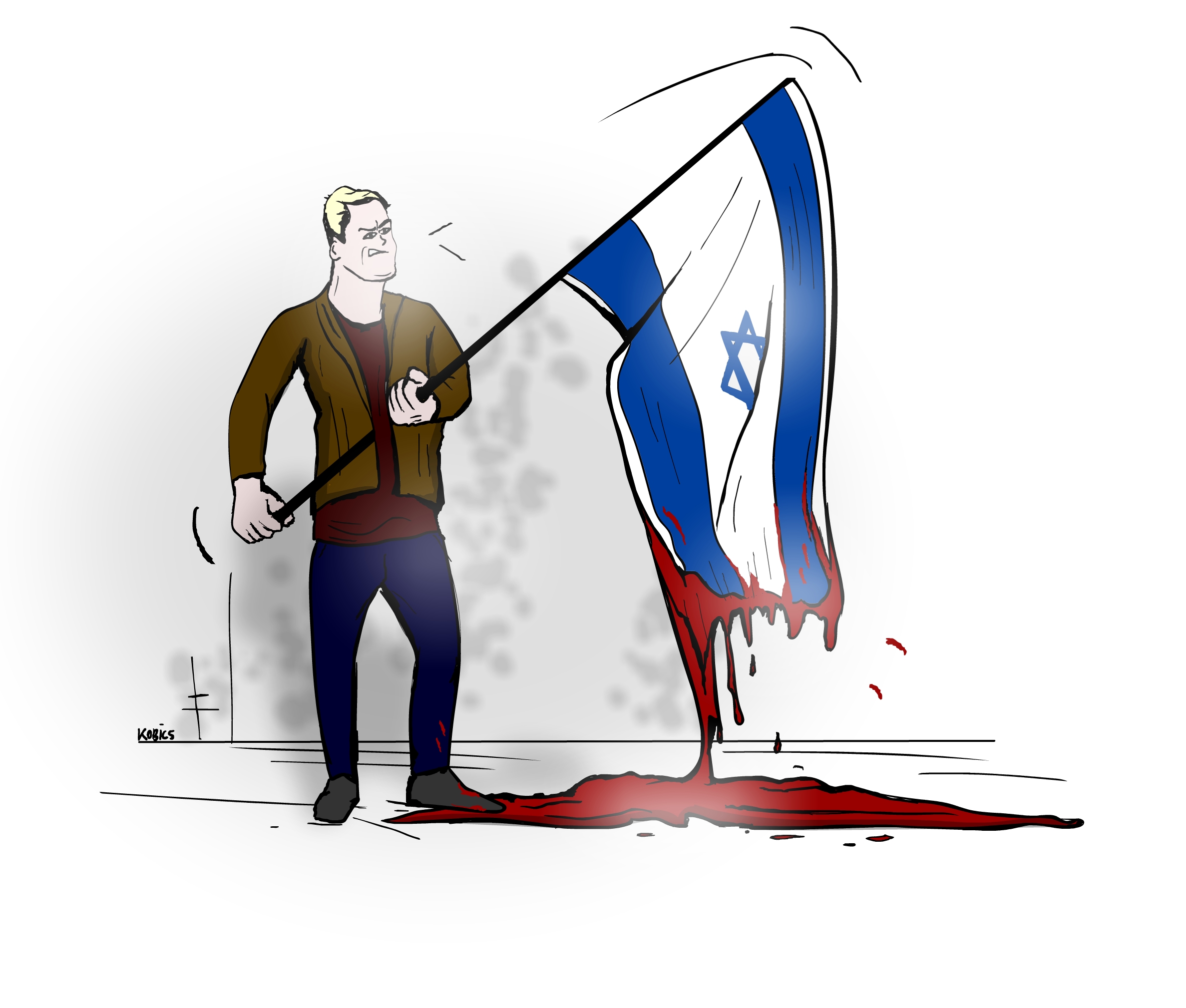
The hardest part of the protest for me was seeing the protestors take an Israeli flag, dipping it in red paint and waving it around. The Israeli flag is designed to remind one of the Jewish prayer shawl, and to me it represents the hope of the Jewish people for sovereignty. This blatant desecration of the flag cut me to the heart. I don’t hate Palestinians, and I would never desecrate a Palestinian flag. I don’t agree with all of the policies of the Israeli government, and I sincerely desire peace. When people I know in Israel try to delegitimize the rights of the Palestinian people, I speak up. What good can come of desecrating my flag – making it look like it’s dipped in blood? I wanted to scream and shout and let out all the scorn and insult that this caused me, but I realized that I was helpless. I could do nothing. Letting out my anger would only be adding gasoline to the flame of hatred against me and my nation.
After the protest, I was left with a lot to process. Emotionally and mentally drained, I left the campus to do some serious soul-searching. Why so much hatred? Why is the BDS movement so intent on drowning out other voices (my voice)? They say that I’ve been brainwashed, even though I’m willing to try and listen to them. Could it be that they are brainwashed? Should determining who is right or wrong in a conflict be decided in a shouting match? Is the populistic mob-like behavior I experienced in London the way forward?
After these experiences I was challenged to read a book by Ilan Pappe and Noam Chomsky explaining the BDS movement claims, and as a result I have become more aware than before of the need for personal and Israeli self-criticism. But alongside this, I have become concerned about the BDS movement, the amount of irrational hatred it is spreading, and its means of achieving it. Two wrongs do not make a right. Trying to prevent dialogue and attempting to drown out voices is not going to bring justice, reconciliation, or hope – it is merely going to make people hate more. I’m only 26, but I’ve seen enough hatred in my life. I hope most people will agree with me that we don’t need any more hatred in our world.
THE SCALES OF JUSTICE
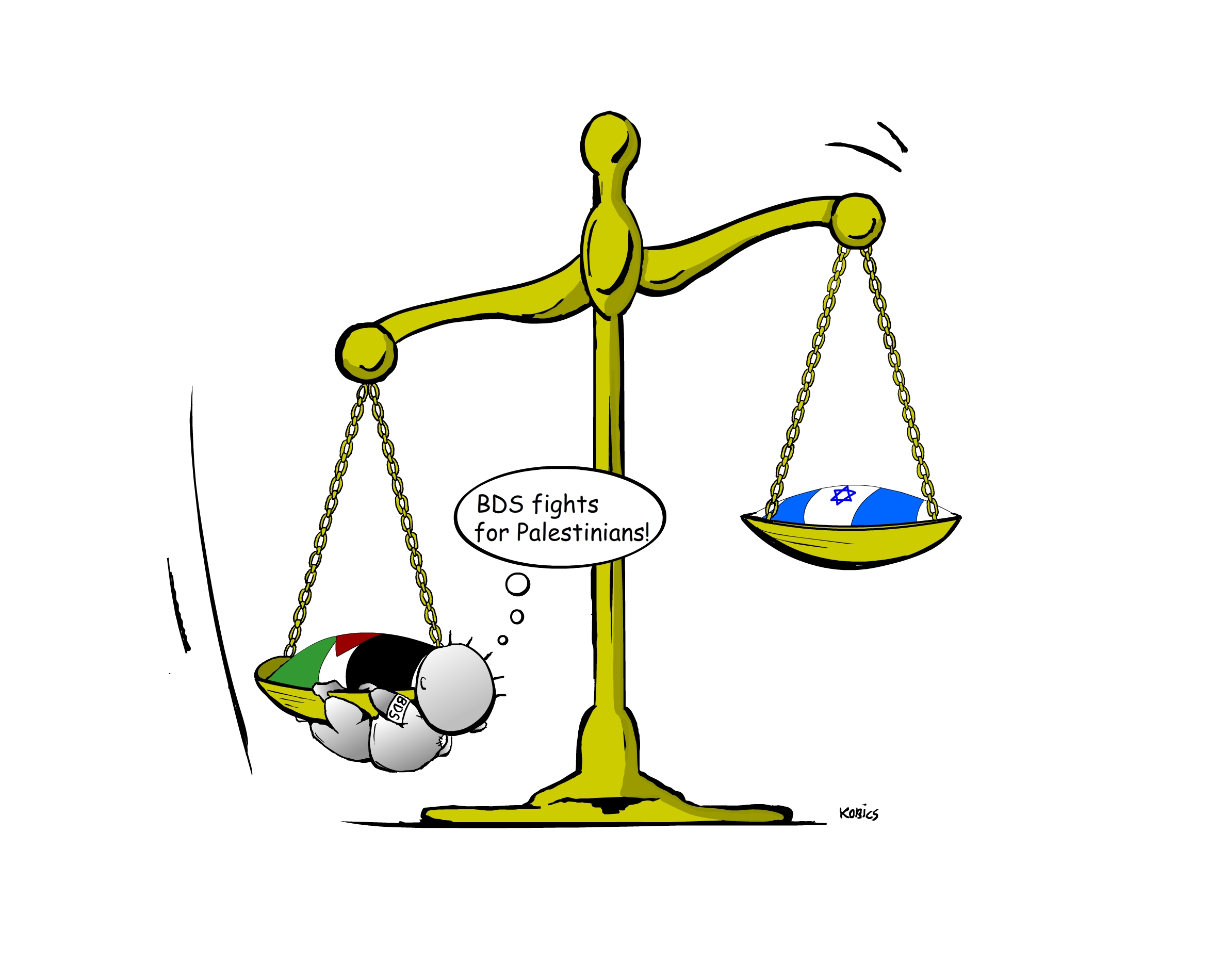
Historically speaking, going back as far as ancient Egypt, Justice has been symbolized by a set of scales. The reason for this is the widely held recognition of the fact there are always two sides to every dispute and that for justice to be done, a judge must consider both sides.
As a Law student, the image of scales continually haunts me. In order to do justice, any legal dispute must be judged according to the following fundamental principles:
- impartiality – listening equally to both sides’ claims
- looking at the circumstances of the case
- weighing up the implications of judgement
- examining alternative solutions to the dispute at hand
Many great minds have laboured over the Israeli-Palestinian conflict seeking to bring a just solution. But, as with every conflict, one must adhere to the principles necessary for the implementation of justice. The BDS movement, however, does not adhere to these basic principles.
The BDS movement preaches, ‘Say no to normalization,’ a boycott of any event that seeks to ‘bring together Palestinians/Arabs and Israelis so they can present their respective narratives and perspectives or to work toward reconciliation without addressing the root causes of injustice’ (BDS Website). In doing so, the BDS movement is attempting to redefine justice by narrowing it down to its own narrative and creating a monopoly on the truth. This is a blatant violation of the principle of impartiality. In doing so, they are weighing down on one side of the scales and attempting to outlaw any evidence that would add weight to the opposing side. They say that any attempt to achieve a solution that doesn’t follow their definition of ‘the roots of injustice’ is intellectually dishonest. As someone who has grown up in a conflict zone and is a student in the academia, this comes across as a very problematic statement. Just because someone sees through a different lens, does that make them intellectually dishonest? Who granted the BDS movement the authority to decide what is or isn’t intellectually dishonest? Such a statement seems to be academic imperialism and reminds me of Orwell’s thought police.
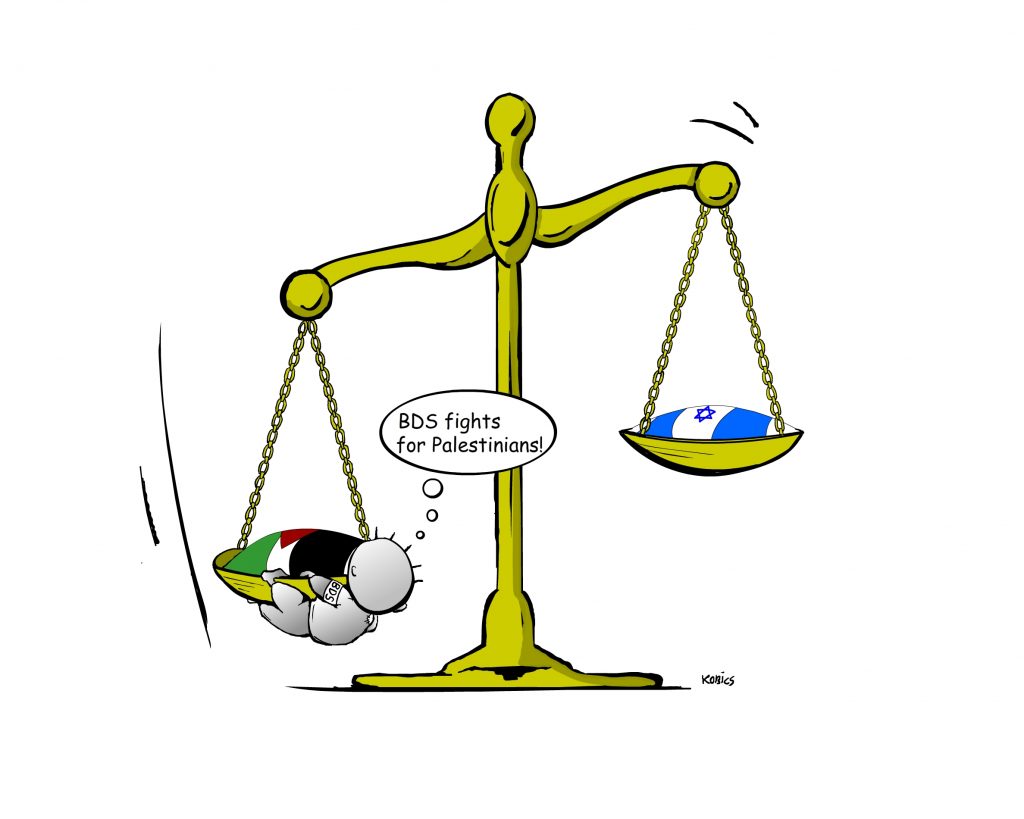
The BDS movement calls for a boycott until Israel meets three demands that they claim are the ‘roots of injustice’ (BDS Website):
- The occupation must be ended
- Arabs must have full equality in Israel
- Israel must recognize the right of return of 7.25 million Palestinians to the country.
These are seen to be a precondition for any type of cooperation. In holding this approach, they are violating a number of the aforementioned basic principles for justice. It limits alternative solutions, doesn’t monitor the conflict in light of the current circumstances and needs of the people, nor does it take into account the implications on the people of the region.
There is a fundamental assumption that there is no other way to finding a solution other than the solution suggested. Boycotting or not allowing sides to examine alternatives is the violation of a basic principle of justice. This is so problematic (and frustrating) because it limits or even prevents the ability of the Palestinians, the Israelis and the international community to take into account all of the interests of those involved. Automatically boycotting solutions based on dialogue, on political cooperation or economic cooperation doesn’t empower those seeking a solution, it merely limits them.
The circumstances: The fact that there are over seven million Palestinian refugees living outside the country must be seen in light of the approach to refugees according to international law and the ability to incorporate refugees into different communities. Is it a proportionate measure to expect the return of such a large number of refugees seventy years later? Furthermore, in seeking a just solution, it is essential to recognize the existence of the Jewish State that currently provides refuge to millions of Jewish refugees from around the world.
The implications: Calling for the Right of Return of 7.25 million Palestinians doesn’t take into account the right of the Jewish people to sovereignty and the fact that such an action would bring an end to any form of Jewish State. Additionally, the BDS campaign ignores the fact that boycotting Israeli companies and cooperation with them both takes away jobs from Palestinians and prevents the building of bridges between Jews and Arabs – as this is seen as ‘getting in the way of the resistance’.
In this article I am not justifying every action taken by Israel. However, I am pointing out the large amount of harm brought about by the BDS movement, which in the name of justice is actively going about to pervert the course of justice and undermine any form of the rule of law. To do justice one must balance the evidence on both sides of the scales and only then make a judgement. One must do so by taking into account the circumstances of the matter, the implications of the actions involved, and alternative courses of action that can be taken.
REPLACEMENT THEOLOGY
“Wherever replacement theology has flourished, the Jews have had to run for cover,” notes biblical scholar Thomas Ice. “Wherever such a view has gone it has always led to anti-Semitism.”[1] Another scholar says, “Replacement Theology has provided the basis for all sorts of mischief, persecution, and atrocities against the Jewish people throughout Christian history.” (www.hethathasanear.com/ReplacementTheology.pdf)
It is clear from their resolutions and other official statements that the numerous Western church denominations and religious organizations supporting BDS share a common assumption in their theology. Sometimes they state it explicitly, and sometimes the underlying theology is tacitly assumed.
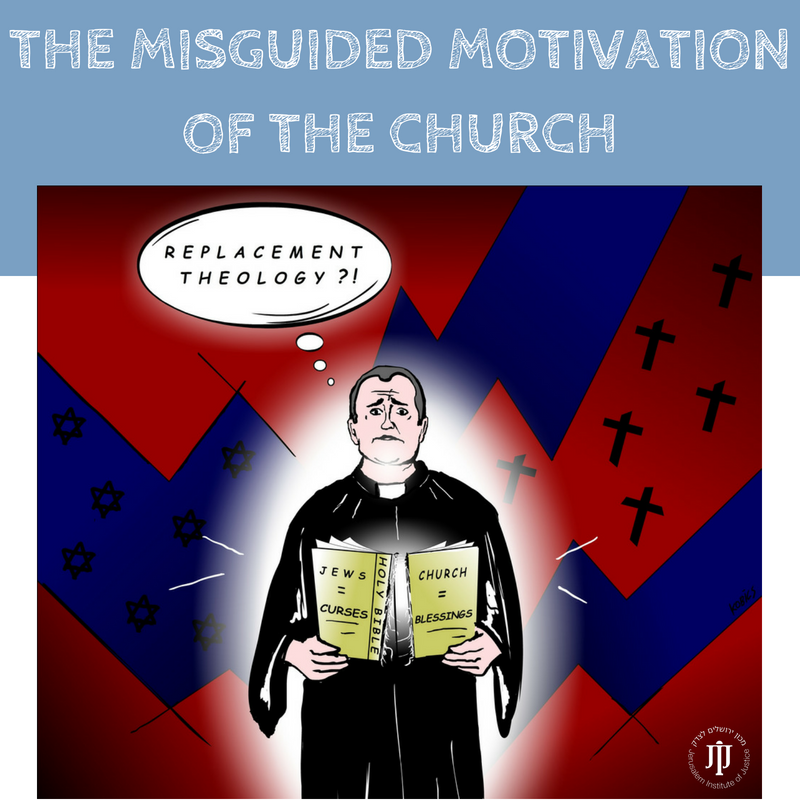
This assumption is based on a particular method of interpreting the Bible, a doctrine called supersessionism, an older name for replacement theology. The idea is that God is finished with the Jews, and that in his unfolding linear program of history, the New Testament Christian church has replaced the Jews as his chosen people of promise. The Church is now the “New” or “True Israel,” and the Jews no longer have a special status or a divine role. That idea comes from the belief that the Jews forfeited their role as the people of God when they rejected Jesus as Messiah, supposedly voiding their biblical covenant with God.
Replacement theology has been around for a long time. We can trace it as far back as the second century when Justin Martyr put forward the idea that the Christian church is “the true spiritual Israel.” Around the same time, Marcion and Irenaeus contributed to the same thinking. Mainstream Christianity started slipping away from its original Jewish roots around the end of the third century. “The Gentile powers-that-be in early institutional Christianity wanted to distance themselves from Christianity’s Jewish origins.” (www.hethathasanear.com/ReplacementTheology.pdf) In the fourth century, the church leader and historian Eusebius, together with an assembly of bishops and Emperor Constantine, formed a church-state alliance. Eusebius considered the unified Church and Empire to be the Kingdom of God on earth. That contrived unity, in Walter Kaiser’s words, “nicely evacuated the role and significance of the Jewish people in any kingdom considerations.”
Most of the church denominations and religious organizations subscribing to replacement theology have signed on to a shared manifesto called the Kairos Palestine document, which was composed by a group of Palestinian Christians in December 2009. Kairos calls for “churches and Christians in the world” to oppose the “oppression, displacement, suffering and clear apartheid” of Israel, “the occupying state.” In carefully crafted wording, Kairos blames Israel for anti-Zionist terrorism and declines to denounce it. (Kairos 4.3)
So many church and religious organizations promoting BDS have endorsed the Kairos document that it stands as a common denominator among them for the movement, expressing the common BDS themes that run through the respective denominational statements. Calling for flexible methodology in Bible interpretation, Kairos characterizes literalist interpretations as “petrified” rather than “living,” and “a theological cover-up for injustice.” What that amounts to is simply advocating one theology over a different one while substituting name-calling for argument. (www.kairospalestine.ps)
This rejection of literal meaning goes back to the turn of the fifth century, when Bishop Augustine of Hippo introduced a problematic method for interpreting the Bible through allegory. Intended allegory is not unknown in the Bible, as the Bible itself shows in the letter to the Galatians. There is a place for figurative language; but logically, the literal meaning of a text should be taken before jumping to the conclusion that the passage is representative of something else. Augustine, though, was inclined to find allegory everywhere he looked in Scripture, whether the text warranted it or not. Even if the straightforward reading of a passage was clear enough on its face, Augustine would work out an allegorical meaning that changed the original meaning into some total abstraction. Replacement theology relies heavily on such allegorical “spiritualizing.”
This method is dangerous because the literal meaning and intent of the writing become obliterated. As a result, anything goes. Allegory is unconstrained, not grounded in objectivity. Words and sentences become empty vessels that the interpreter can fill with whatever meaning he likes in order to support his own preferred belief system. This method is very convenient for those who don’t want accept the obvious doctrines as stated in the original text. It is akin, in fact, to the postmodernist “death of the author” methodology in which the author’s intended meaning is irrelevant.
The more the church accepted Augustine’s allegorical method of interpretation, the more it became removed from the verbal content of the Bible. For centuries the Roman Catholic Church relied heavily on Augustine, calling him “the blessed Doctor.” Then during the Protestant Reformation, John Calvin picked up Augustine’s teachings and infused them into much of mainstream Protestantism at the expense of face-value interpretation.
Thomas Ice writes, “The Church often allegorizes many portions of the Bible, both Old and New Testaments, in order to teach that since the time of Christ, Israel has no claim to the land of Israel.” He quotes Bible scholar and Holocaust survivor Arnold Fruchtenbaum (PhD, NYU): “While the church is said to be a partaker in Israel’s promises in the New Testament, nowhere is she said to be a taker over of Israel’s promises.”
The anti-Semitic character of replacement theology shows through in the irony that while it calls itself “the true Israel of God,” it selectively and arbitrarily claims to inherit all the divine blessings promised to Israel – but none of the curses. The judgments and curses stay with Israel. According to replacement theology, God has rejected the Jews and they are no longer his chosen people. The church has entirely replaced ethnic and national Israel in God’s plan, and there is no longer any reason to ascribe any special consideration or unique significance to the Jews as a people. The Jews have no national future in the divine program of history and no more claim to the Land of the Bible than any other nation.
On the contrary, if one reads the Bible without the presuppositions or replacement theology, it will be impossible to find an example anywhere in the Bible where the word Israel refers to anything but the Jews.[2] Interpretations of “the Israel of God” as referring to the church turn out under scrutiny to be extremely problematic. Throughout the Bible, Israel means Israel, the Jewish people.
“Replacement theology,” writes Ice, “has been the fuel that has energized Medieval anti-Semitism, Eastern European pogroms, the Holocaust, and contemporary disdain for the state of Israel.” This approach, with its problematic interpretation of the Bible also energizes the current BDS movement. As Ice says, “They do not believe that there is a future for national ethnic Israel, nor do they think the modern state of Israel has anything to do with Bible prophecy.” The BDS movement, at its core, is anti-Semitic and promotes delegitimization of Israel.
[1] Ice, Thomas. The Case for Zionism: Why Christians Should Support Israel. 106.
[2] The Abrahamic Covenant of Genesis 12 and 15 to Abraham and his descendants through Jacob is unilateral and unconditional; i.e., it does not depend on Israel’s performance but only on God’s faithfulness to His unilateral promise.