

Lack of Freedom of Expression and Press Under the Palestinian Authority and Hamas
Assessing the Implementation of the The International Covenant on Civil and Political Rights in the West Bank and Gaza -Freedom of Expression and Freedom of the Press
For the full report click, here.
The designated human rights of freedom of expression and freedom of the press, as outlined in the General Comment No. 34 of the Human Rights Committee, contribute to the ideal of a free and open society and “constitute the foundation stone for every free and democratic society.” Both freedoms are limited only along the grounds of hate speech, where an opinion is intended to offend a person or group, or when an opinion calls for action against a person or group. This report examines how Palestinian media and politicians have broadcasted statements and comments that fall into the category of hate speech, specifically rhetoric with clear anti-Semitic or anti-Israel messages.
The International Covenant on Civil and Political Rights (ICCPR) was signed by the PA in July 2014 and contains statutes that promote and defend the liberties of citizens. Article 19 of the ICCPR addresses the freedoms of expression, opinion, and freedom to seek information:
- Everyone shall have the right to hold opinions without interference.
- Everyone shall have the right to freedom of expression…[and includes] freedom to seek, receive and impart information and ideas…
- The rights above are subject to certain restrictions, but only when necessary: for respect of the right of reputation and for the protection of national security, public order, or public health.
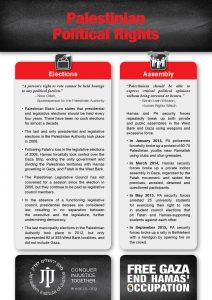
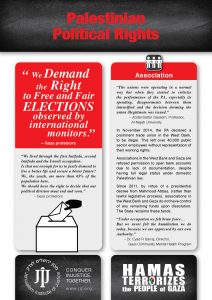
The Universal Declaration of Human Rights is designed to be trans-cultural, able to relate to ‘all nations of the Earth.’ It sets an international standard for nations to follow that hold governments accountable for their actions. Like the ICCPR, Article 19 of the Declaration addresses freedom of speech, opinion, and information. Both the Declaration and the ICCPR act to protect basic human rights and freedoms and make clear the importance of freedom of speech and access to information.
Aside from the legally binding documents like the Declaration and the ICCPR, certain non-legally binding measures of support for these freedoms have been adopted. In 1978, UNESCO passed a declaration to protect freedom of expression, speech, and to ban incitement. It is noted that Palestine joined UNESCO in 2011. While UNESCO declarations are not legally binding, they can be considered as soft law, meaning that members are strongly encouraged to comply with the rules and declarations set forth.
In Gaza, under Hamas rule, international declarations and conventions play a lesser role; as the current Hamas government is not recognized as an official state actor by the United Nations, it is unable to ratify international treaties. However, in 2006, Hamas Prime Minister Haniyeh stated Hamas’ “respect for human rights…including the freedom of the press and opinion.” A year later, he reiterated this commitment: “[We Will] respect international law and international humanitarian law insofar as they conform with our character, customs, and original traditions.” For Hamas, though they are not legally bound by international treaties, the Prime Minister’s statements to the international community pledges his support of and adherence to the international standards of human rights.
The West Bank and Gaza draw their legal framework from a variety of legal codes that are both inconsistent with each other, and inconsistently applied throughout different cases, resulting in a complicated understanding of what Palestinian legal standards are. As the PA is a signatory of the ICCPR, it is required to uphold a certain legal standard regarding freedom of speech and expression. Yet, what is taking place on the ground paints a vivid picture of non-compliance with international expectations. In the West Bank, legal codes derive their frameworks from the Ottoman Penal Code of 1916, the Jordanian Penal Code of 1960, Palestinian Basic Law of 2003, and PA Legislation. While protection of freedom of expression exists in Palestinian Law, other laws allot authority to the government to silence the press under ‘correct circumstances.’
Palestinian Basic Law was passed by the Palestinian Legislative Council in 1997 and ratified by former President Yasser Arafat in 2002. It serves as the interim Constitution of Palestine, with two articles (19 and 27) that pertain the protection of freedom of speech. While Article 19 clearly outlines freedom of expression as an inherent right for all Palestinians, Article 27 expounds upon the freedoms and establishment of the press, prohibiting censorship or harassment of the media without legal grounds. However, critics of the Palestinian legal system argue that a lack of clarity in the law allows for government abuses and that the law, in practice, does not provide enough protection for the media. As well, the Press and Publication Law of 1995, also signed by Arafat, stands in direct contradiction to the freedoms outlined in Palestinian Basic Law, specifically in Article 27, which lists a number of restrictions on content that can be published.
The Palestinian Center for Human Rights (PCHR) has criticized the law for the limitations it imposes on journalists. In their report, they explain: “The list of prohibitions includes the publication of everything that contradicts democratic principles and national responsibility, anything against morals, values, and Palestinian traditions and anything that can agitate violence, hatred, and fanaticism. These concepts are elastic and vague and can be misused.” Others have also pointed out the dangers of this law: a 2012 report by the UN Special Rapporteur on freedom of opinion and expression described the law as “excessive government control over the media…”
Under Hamas, the status of freedom of expression in Gaza is worse than what is seen in the West Bank. While the West Bank holds a respect for procedure and formalities in handling legal matters, it is described by witnesses that Hamas authorities act without trials, ignoring all rules. Egyptian Legal Code is applied in Gaza as well as Palestinian Basic Law, with a distinction of de facto Islamization, implemented by Hamas since 2007. This translates to the enforcement of public behavior according to Sharia Law by, what one source has called, the ‘moral police’. Freedom of expression, both in Gaza and the West Bank, is described as “a joke.”
While in the West Bank there is at the very least some legal framework, albeit a failing one, in Gaza sources share that Sharia Law is slowly replacing Palestinian Basic Law. In all, while Palestinian Basic Law does call for a protection of freedom of expression and the press, the complex and unclear legal framework allows for government officials to abuse and overlook the laws.
To ensure a transparent and effective government, the development of professional media and citizen journalism must be encouraged. According to the IREX Media Sustainability Index Report (2011), which assesses freedom of speech, plurality of news sources, and supporting institutions, Palestine scored a 1.75, listing it under the ‘unsustainable mixed system’ category with the likes of Syria, Yemen, and Iraq. For media to be independent, pluralistic, and free, it must be free from governmental, political, or economic control. From 2004, the PA has regulated local radio and television stations under the Resolution of the Council of Ministers No. 182 (2004), granting authority to regulate media to a tripartite committee comprised of the Ministers of Information, Interior, and Telecommunications and Information Technology.
The ministers have the authority to intervene in media content based on concerns for ‘security’; however, they are not subject to any process of checks and balances, allowing them clear control that is not monitored or reviewed by the public or any internal process. In addition, governing authorities in both Gaza and the West Bank have exclusive rights in granting TV and radio licenses, thereby maintaining control in which media can publish information to the public. Unless they receive approval from the tripartite committee, the station cannot publish. The way officials in Gaza and the West Bank regulate audio and visual media stands in direct violation of international standards on freedom of press, as outlined in the ICCPR.
Alongside strict government regulations on media licensing and content, President Abbas maintains complete control over four major Palestinian media outlets, including Voice of Palestine and Palestine TV, both of which run under the umbrella organization Palestinian Broadcasting Corporation (PBC). To work for one of these media outlets, journalists must pledge their loyalty to Fatah, Abbas’ political party. In addition, the PA places numerous news outlets under Abbas’ “intimate patronage,” ensuring that nearly all coverage of news will reflect his policies and the ideologies of his party. In Gaza, Hamas plays a similar role, controlling the main media outlets there, including two newspapers and a satellite TV channel.
Hamas pressures media outlets to adopt their policy lines, quieting any political dissidence. Even private media outlets are subject to government control due to Palestinian journalists often being paid or contracted by the PA. With the government in both the West Bank and Gaza offering preferential treatment to public media outlets (which are more or less controlled by the government), private media is forced to rely on public media outlets for second hand accounts of news stories, severely infringing on the right to access and freely distribute information to the people.
While media in the territories is not under direct and total control of the government, it is severely limited and censored through harassment, threat to a journalist’s job security, and difficulty in finding future employment. These factors discourage political dissent and criticism within private or public media, thereby censoring any political opposition. For foreign journalists, access to information is impeded even more so. Journalists coming into the territories requires a ‘fixer,’ a local Palestinian journalist, to be their translator and protector. There is no autonomy for foreign journalists in the West Bank, and even less in Gaza.
This issue has become so severe that the Foreign Press Association (FPA) released a protest statement in August 2014 calling the practices of the government “blatant, incessant, forceful, and unorthodox.” Journalists out of Gaza share their concerns with publicizing news critical of Hamas. One Spanish journalist reporting out of Gaza in July 2014, when asked why he and his team did not show armed Hamas members, explained: “It’s very simple, we did see Hamas people there launching rockets…but if we ever dare pointing our camera on them [sic] they would simply shoot at us and kill us.” Clearly, foreign journalists often do not feel free, and therefore do not publish wholly truthful or revealing content for fear of backlash, like arrest, physical abuse, the security of their team and any Palestinian associates, or the ability to return in the future.
In order for media to report with true accuracy and transparency, there needs to be an assurance of source confidentiality; when handling sensitive information or topics, both source testimonies can often endanger their safety. While the Press and Publication Law of 1995 Article 4(b) protects the right of the press to keep sources confidential, in practice, this right is not respected by the PA. One source notes that both journalists and sources can be subject to reprisals and that there is no protection for either.
Under the PA, the situation has deteriorated for journalists, with the government going as far as shutting down offices of journalists who voice dissenting opinions of Palestinian leadership. While there is no ‘pre-censorship’ under the PA, many journalists are arrested and imprisoned for months without trial for publishing opinions that go against the PA. This fear imposes a self-censorship by both citizens and journalists alike. If one is targeted for censorship, he endures arrests, detentions (possibly torture), and in some cases can be dismissed from their jobs. This applies to journalists, as well as citizens to attempt to exercise their freedom of expression.
In Gaza, journalists are subject to arrests and beatings without trial. One case is that of radio journalist Yousef Hammad who was beaten by police officers May 2014 because he interviewed civilians protesting the poor quality of life in Gaza. This is only one example of the brutality journalists face to censure their stories and opinions.
Article 19 of the ICCPR is followed by Article 20 of a similar nature, providing a broad standard of international law relating to incitement and propaganda:
- Any propaganda for war shall be prohibited by law
- Any advocacy of national, racial, or religious hatred that constitutes incitement to discrimination, hostility or violence shall be prohibited by law
Related to Article 19 and 20 of the ICCPR, the PA ratified another international treaty: the International Convention on the Elimination of all forms of Racial Discrimination (ICERD). Articles 1, 4, and 7 urge action to counter discrimination, condemn propaganda, and combat prejudices.
If Article 19 of Palestinian Basic Law is interpreted literally, it would seem that freedom of speech has no bounds, as no article in the legal code bans hate speech. As such, the PA does not comply with the provisions of the ICCPR. Furthermore, based on the wording of Article 22(2) of Palestinian Basic Law, it would seem as though the PA opts to protect martyrs and prisoners of war — despite these martyrs receiving their title for murdering Israeli civilians. Below is one example of legal incitement to violence, with the law serving as incentive to attack Israelis.
Incitement against Israel and Israelis exists within Palestinian media as well. Israeli cities (in Israel proper) are named as ‘settlements’ in media reports, damages caused by Israel are overstated, and Israel is painted as the enemy of the Palestinian people — in effect, demonizing the state. In the West Bank, outlets like Palestine TV regularly broadcast anti-Israel, anti-Semitic, and anti-Western propaganda, with songs that promote ‘martyrdom’, or violence and death to Israelis. In Gaza, TV programs for children regularly encourage children to commit attacks and die as ‘martyrs’ for the Palestinian cause. On one Hamas channel, a children’s character named ‘Nahul the Bee’ teaches children how to fight against Jews and encourages children to commit acts of violence against them.
Sources explain to JIJ that the PA is not against incitement; however, when it seems Palestinian leadership is making moves to curb incitement, it is because they fear losing donor aid. In an interview on Palestine TV in September 2015, President Abbas himself made calls of incitement by praising “every drop of blood spilled in Jerusalem” as “pure blood… every shaheed (martyr) will be in Heaven and every wounded will get his reward.”
Online platforms like social media are utilized to spread hate and incitement throughout the Palestinian world. Cases in October and November 2015 arose with self-identified UNRWA workers publishing posts encouraging individuals to carry out attacks, with others glorifying terrorists. One poster referred to Jews as “apes and pigs.” Through the official Fatah Facebook page, cartoons were posted in the aftermath of the 2015 Paris attacks blaming Israel for the attacks. When attacks occur against Israelis, like the vehicle attacks on Israelis in the Autumn of 2014 and Spring of 2015, the PA and Fatah fail to condemn the violence; instead, posts surface that encourage and glorify the attacks. In Gaza, Hamas regularly uses their social media platforms to calls for action against “Zionists and infidels."
In the territories, the freedoms of expression and the press are not truly free; rather, they face severe restrictions and censorship from within Palestinian leadership and society. Both journalists and citizens do not free to speak on topics of politics and corruption, facing consequences like arrest, torture, and career damages. With hate speech, online incitement is not monitored; rather, institutions in many ways work to encourage it. Overall, the current legal framework in the West Bank and Gaza fails to meet the standards set by international human rights law.

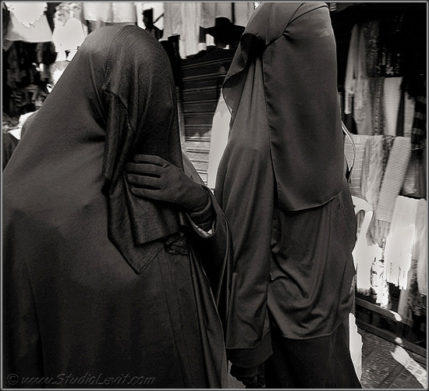
Women Rights Violations in the West Bank and Gaza
Assessing the Implementation of the Convention on the Elimination of all Forms of Discrimination Agaisnt Women in the West Bank and Gaza
For the full report click, here.
This report examines the Palestinian Leadership's adherence to the Convention on the Elimination of all forms of Discrimination Against Women (CEDAW) in the West Bank and Gaza. Research shows that Palestinian leadership fails to protect women’s rights both in legal code and cultural practice. Discrimination against Palestinian women stems from legal, social and cultural patterns of conduct, facts that are supported by Jerusalem Institute of Justice (JIJ) sources and their testimonies.
There is evidence of Palestinian leadership attempting to rectify the rampant lack of women’s rights and protections, as seen with the 2011 Palestinian Authority (PA) report, which outlines an 8 year strategy to counter violence against women in the Territories. However, laws and strategies, while brought to the table, are poorly and inconsistently enforced. Regarding CEDAW, PA President Mahmoud Abbas symbolically signed onto the Convention in 2009, formalized in April 2014. International law obligates non-state actors, like Hamas, to respect the Convention as well. From this, we conclude that both the PA and Hamas are in direct violation of the Convention.
Information for this report was obtained through news sources, NGOs and testimonies on the role of women in Palestinian society.
EDUCATION
Within the territories, there is greater concern for the content of women’s education, rather than education access. Two categories of women who face barriers to education are young, married women and rural women. Schools do not permit married or pregnant girls to attend school, and if they do permit it, the girls’ husbands have the authority to forbid it. A West Bank hospital says that women from rural areas are less likely to attend school than women in urban areas, though a report from one Palestinian Christian woman challenges this, stating that 90% percent of the female students at Bethlehem University come from village communities.
GENDER SEGREGATION
In Gaza, all schools (private or UNRWA) are gender segregated by law, resulting in 2 key issues: a) An uncertainty on the equality of content and quality of materials for both male and female students, and b) Given that male teachers cannot teach female students, girls are denied access to the resources made available to male students. In the West Bank, most schools are gender segregated due to a cultural norm of women preferring single-sex schooling, and not necessarily due to gender segregation laws. However, single-sex schooling and segregation contributes to gender-based violence and the sexualization of women within Palestinian culture.
JIJ’s sources report that boys’ schools in both the West Bank and Gaza perpetuate gender role stereotypes, specifically that women should stay home and obey her husband. One source shares that he was taught that Palestinian martyrs would be rewarded with 72 virgin women in paradise, a lesson that not only sexualizes and objectifies women, but glorifies violence. Yet another source reports that messages in today’s schools are changing: “They keep changing, developing the textbooks…Now it’s also the girl that exists in the books; not only the boy.”
In addition, CEDAW stipulates that education must include sexual education; however it is clear that sexual education is severely lacking in both the school system and at home due to the issue of sex being regarded as taboo in much of Palestinian culture.
EMPLOYMENT
Article 11 of CEDAW states that all appropriate measures must be taken to eliminate discrimination against women in the workforce, yet heavy restrictions are placed on women relating to the fields they can work in, which not only bars women from certain professions but strips them of opportunities that are open to men. A number of resolutions (including those from the Council of Ministers and Palestinian Labor Laws) call for restrictions on the hours women are permitted to work, not only reinforcing gender-based discrimination but also encouraging women to fear ‘dangerous night hours’ (Palestinian Labor Law No. 7 - 2000).
Women are less involved in the workforce than men due to these legal restrictions, as well as cultural standards. In the West Bank (2013), 25.9% of women were unemployed compared to 16.8% of men. In Gaza, 53.1% were unemployed compared to 27.8% of men. The driving factor for the gap in women’s employment is explained by several sources: in Palestinian culture, the woman’s place is in the home with her children. Should a woman try to go against those cultural norms, she faces severe discrimination from her family and community. However, there are some who believe the cultural norms are changing for the better, with one source explaining that now, men inquire into a woman’s profession — today it is smiled upon to be active participants of one’s society.
Despite these positive developments, for those women who do work, heavy discrimination is still reported. In Gaza (2009), 32.5% of working women reported exploitation and discrimination, with the PA recognizing verbal abuse, sexual harassment, and discrimination against pregnant women.
HONOR KILLINGS
Honor Killings are motivated by suspicion or knowledge of extramarital affairs and pregnancies. They are common in both the West Bank and Gaza, with approximately 27 cases reported in 2013. Data gathered from the West Bank from 2005 to 2006 indicates the killings are carried out through several methods, including poisoning, stabbing, and strangling. JIJ sources in the West Bank report that the practice of honor killing is perpetuated by Palestinian officials who use the threat of death to manipulate civilians to do their bidding.
One source explains that though honor killings are still prevalent, at least now attitudes towards them have changed. Whereas once a community would say ‘she deserved it,’ individuals are now starting to speak out against the practice. Certain legal efforts have been made to combat the practice, including Abbas’ decision to suspend two laws that ‘excused’ the actions of men who committed honor killings. Yet, though laws have been changed to accommodate these new ideas, the problem lies in the culture itself. According to one JIJ source, honor killings is a practice taught and enforced by the Koran and its culture.
HUMAN TRAFFICKING AND PROSTITUTION
The language used in both the Jordanian Penal Code (1960) and the Egyptian Penal Code (1936), which are both applied by the Palestinian Authority, fails to protect women with regards to prostitution, coercion into sexual relations, or human trafficking. Both laws claim to bar against forcing a woman to have illegal sexual intercourse, but then include the clause, “provided that such a woman is not a prostitute and is not known for her immoral character.” Here, language is open to subjective interpretation, leaving room for exploitation and failure to protect a woman because she is accused of having an ‘immoral character.’
While the laws of the PA seem to reflect a ‘no tolerance’ approach towards sexual exploitation of women, the reality of the situation does not. According to various NGO sources, the PA is aware of the human trafficking that takes places , the sexual exploitation in brothels and with prostitution, but does little to confront it. Fieldwork conducted by SAWA (All the Women Together Today and Tomorrow) indicates that subjects of trafficking are usually female students of Palestinian colleges and universities; they are being trafficked by Palestinian woman 40 to 50 years of age. Women and girls are engaging in human trafficking due to economic insecurity and limited education, among other reasons; though according to SAWA, Palestinian police claim that “the majority of women engaged in prostitution do it by their own ‘will.’” Those women who do return to their communities after engaging in prostitution are often subject to social stigma and face severe consequences, like the previously mentioned practice of honor killings.
ECONOMIC ACCESS
Despite the PA recognizing economic discrimination against women in its National Strategy to Combat Violence Against Women (2011), many of the issues addressed are still in effect. From 2011 to 2013, nearly 100 women (from Gaza and WB) called the SAWA hotline to discuss issues of economic exploitation. A number of other Church based organizations have found that 62% of families refuse to grant women their right to inheritance when it is requested, further financially crippling these women. When asked why this is the case, JIJ sources explain that “these are just the social norms” in Palestinian society.
POLITICAL RIGHTS
While women are involved in West Bank Palestinian political life, equal male-female representation has not been reached. Certain cultural norms and legislation act as barriers to women’s total access to political and public life. Women have been recognized by PA Elections Law with having the right to political participation, and laws are in place calling for at least 20% representation in the political sphere. However, these laws are not reflected in practice; the quota system in place for women does not succeed in establishing equal representation.
Regarding political protest, women are allowed to participate, though up to a certain point — women “cannot cross the red line” in their political activism, a red line determined by culture. Similarly, within the criminal justice system, cases are decided according to Islamic Sharia Law, which dictate that “a woman’s testimony is worth half that of a man.” The implications of this are simple: to be heard and accepted in a court of law, a woman must be accompanied by another, preferably a man. This also contributes to the challenge of accessing legal documentation like passports, visas, and ID cards. Though some advancements have been made, traditional practices are still looked to with regards to the passing on of national identity (restricted to men), requiring the signature of the man for a woman to obtain a passport, and, as is done in Gaza, the requirement that all women carry ID cards specifying their relationship to the man they are walking with in public.
MARRIAGE
Within the institution of marriage, Palestinian women are stripped of their autonomy to choose a partner, in the decision of when to get married, or drawing up their own wedding contract. All are done and decided by the woman’s male guardian, in contrast to men who are free to act independently. Lack of autonomy over marriage decisions lead to arranged marriages, which sometimes tread into the realm of forced marriages, despite both Egyptian and Jordanian legal codes banning forced marriages.
In both the West Bank and Gaza, families are able to marry off their younger daughters, despite certain laws in place that bar against the practice of child brides. While in Gaza the legal marriage age for women is 17, women in the West Bank can be legally married at 15. In both areas, a judge can permit exceptions at the request of the woman’s (male) guardian. Once again, sources confirm that while laws are in place, culture and traditions take precedence: “Child marriage is normal. There is no legal age…the problem is that they do not marry in the government, they marry in the mosque…” To get around the ‘legal age’ requirement for marriage, families can work with clerics who agree to officiate the marriage, then later register it with the courts once the girl comes of age.
Regarding divorce, law grants priority and right to the husband in both the West Bank and Gaza. Under Jordanian law, a woman can only file for divorce if her situation meets certain requirements, including if her husband has an incurable disease, is unable to consummate the marriage, or if he is unable to pay the dowry, among others. Harm or mistreatment are also grounds for a woman to request divorce; however it is left to the courts to decide what is deemed as mistreatment: ‘emotional’ suffering is not included. Though it does happen, the woman being able to request a divorce is the exception, not the rule. In contrast, a man can divorce his wife for “any reason,” with or without her consent.
One article of law that seems to protect women’s rights in divorce states that should a woman be divorced in an “abusive manner,” the woman has a right to request compensation from the judge. However, this law also stipulates that if a woman is ‘uncooperative’ with her husband she will not be eligible for alimony. There is no equivalent clause for men.
Sources report that if a woman requests divorce, chances are high that she will lose all her money, and possibly her children. If a woman remarries, she can lose custody over her children entirely. Based on the Hanafi School of Sharia Law, Palestinian practice is that a male child, once reaching puberty, chooses which parent will have custody; custody of female children is defaulted to their fathers. Yet, despite this tradition, sources explain that in practice, fathers refrain from taking the children in favor of moving on with a new marriage and new family after divorce.
In both the West Bank and Gaza, adultery is illegal — with punishments for women being much harsher than for men. For example, the Jordanian legal code stipulates that punishment for a woman is between six months and two years in prison, while the man receives between one month and one year, dependent on if he had the affair in the marital home or in public. The laws of the West Bank and Gaza imply that women are held to a stricter standard of behavior than men and are therefore subject to harsher punishment, regardless of men and women behaving in the same way.
SEXUAL AND DOMESTIC VIOLENCE
Statistics surrounding sexual violence in the West Bank and Gaza are staggering. In 2014, the PA reported that 53% of Palestinian women had been exposed to violence with 18% of unmarried women reporting being victims of sexual violence. 45.9% of these cases saw the woman’s father as perpetrator, with 25.5% the brother as perpetrator. From 2011, 76% of callers to SAWA’s hotline were under the age of 21. Between 2011 and 2013, female callers reported a total of 10,663 cases of abuse, including domestic violence, sexual violence, attempted rape, rape, and sexual abuse within the family.
Incestuous relations within the territories is prohibited by both Jordanian and Egyptian Penal Codes. Yet despite the legal prohibitions, a culture of incest still permeates Palestinian life, especially in more rural areas where traditional practices of marrying within the family, as a means of protecting the dowry, are continued. Regarding incestuous rape, one source estimates that, in Bethlehem, between 50 and 80 babies are born each year as a product of intra-family rape.
Certain cultural views on rape and sexual violence prevent women from getting the help they need. Palestinian culture is one of many that normalizes sexual abuse, thereby instilling a fear in women about speaking out. This is reflected in a legal clause of the Jordanian Penal Code that states a perpetrator will escape prosecution if he marries his victim for 3 to 5 years. Some sources argue in favor of this practice, saying that it may be in the woman’s best interests socially — the woman protects herself by marrying her perpetrator and keeping her honor in tact.
Overall, West Bank and Gaza law do not provide complete definitions of what sexual crimes are, therefore leaving too much open to legal loopholes. In addition, certain terms are too loosely defined, like ‘rapist,’ which is defined in the Jordanian Penal Code as anyone who has “forced sexual intercourse with a female, other than his wife” implying marital rape is legal and acceptable. The language used in both the Jordanian and Egyptian legal codes is ambiguous and leaves too much to subjective interpretation.
The only legal codes that address domestic violence in West Bank and Gaza are the Palestinian Women’s Bill of Rights (2008) and the Draft Law for Family Protection Against Violence (2009). Both are rarely referenced in reports on Palestinian women, and only the Bill of Rights actually addresses sexual harassment. All of this is testament to the fact that sexual and domestic violence are issues that are widely ignored by the PA and Palestinian law.
When asked why the hesitation to report crimes, those interviewed responded that speaking up about sexual violence is useless in the best case scenario, and at worst, speaking up would exacerbate the situation. As well, many Palestinian women are unaware of the resources available to them to report cases of sexual violence, or simply fear the backlash of family humiliation and societal shame.
A key JIJ source laments that Palestinian culture is a culture of silence, arguing that most Gazan children have suffered abuse of some kind and that it would be a severe mistake to take the silence received on the issue to mean that abuse does not exist.
SOCIAL STEREOTYPES AND GENDER NORMS
Gender norms and roles are reinforced by cultural practices and social stereotypes; specifically, rural villages adhere to more conservative, traditional gender relations. This translates to an immense cultural gap, where women do not have access to the same rights as men, or as the women from the cities. However, these cultural norms are supported in both Jordanian and Egyptian Penal Codes, where the woman “must obey her husband” and the husband must “consort with his wife in kindness and treat her with courtesy.”
RECOMMENDATIONS
The Palestinian Authority and Hamas should arrange for an independent task force to conduct thorough reviews of laws in the West Bank and Gaza pertaining to women, specifically focusing on those dealing with sexual and domestic violence, divorce rights, and the protection of the rights of young girls. Under the recommendations of the task force, and guidance by experts of women’s issues and law, all laws should be either annulled, revised, or rewritten, and all should adhere to international standards for women’s rights. Palestinian leadership should ensure enforcement for all laws pertaining to women’s rights. In conjunction with NGOs, Palestinian leadership should establish programming to positively influence cultural attitudes towards women and women’s rights. To encourage women to work outside the home, Palestinian leadership should provide incentives in the form of tax breaks for working women and childcare subsidies. Palestinian leadership should provide funding for NGOs working to protect women in the territories. Finally, laws should be changed to reflect same punishments for both men and women for the same crime, to guarantee just punishment for perpetrators of honor killings, to reflect the equal standing of men and women in a court of law, to reflect the complete range of sexual misconduct women are subjected to, to equalize access to divorce, and to ensure women do not face restrictions on employment that men do not face.
Photos by Michael Levit

Covert Attempts to Smuggle Weapons by Hamas
Israel withdrew from Gaza in August 2005, in order to alleviate tensions with Palestinian authorities in the Middle East. Since this peacemaking effort, Israel has faced extreme hostilities from Palestinian terrorist organizations in Gaza; rockets have been fired from Gaza to Israeli neighborhoods and cities, especially in the south. Moreover, terrorist organizations, like Hamas, as well as their sponsors, have been smuggling weapons disguised among civilian goods via the Mediterranean Sea to Gaza. Their main objective through the use of these weapons is to promote violence, attack Israeli civilians and neighborhoods, and begin military hostilities with the Israeli Defense Forces.
In response to these heightened intrusions, Israel declared a naval blockade on the Gaza strip on January 6, 2009 under the Notice to Mariners No. 1/2009. The chief of Israel’s naval forces, Eliezer Marom, stated the exigencies of having such a blockade in order to ensure the safety of the state of Israel and its citizens, “There is huge potential in smuggling weapons by sea, both in because of the simplicity of route and the large quantities it enables to smuggle. If we allow free entry of ships into the Gaza Strip, weapons will come in droves to terrorist operatives in the Gaza Strip.”
According to the Israeli “Turkel Report,” the blockade was established “for military-security reasons, which focused on preventing weapons, ammunition, military supplies, terrorists and money from entering the Gaza Strip, and the need to prevent the departure of terrorists, vessels filled with explosives and other maritime borne threats from Gaza.”
These smuggling attempts have commenced as early as 2001 and have lasted until current day. Written below are several of the numerous smuggling attempts that were capable of being intercepted by the Israeli Defense Forces and prevented from reaching terrorist groups in Gaza and causing harm to Israeli civilians.
One such incident occurred on May 7, 2001 on the vessel named Santorini which was intercepted during its voyage from Lebanon to the Gaza strip. In the ship contained forty tons of weapons that included Strela anti-aircraft missiles, mortars, rifles and guns, grenades, mines and explosive material, anti-tank RPG-7 missile-launchers, and artillery rockets.
Less than a year later, on January 3, 2002, the Karin-A was intercepted in the Red Sea. Before its sail to Gaza, the ship was sent to Sudan and Yemen to carry civilian goods, which would be used to disguise what was really carried aboard. The Karin-A held 80 submersible containers holding 50 tons of weapons, including RPG-7 rockets, RPG-18 anti-tank rocket launchers, Iranian-made anti-tank and antipersonnel mines, 2200 kilograms of high explosive demolition blocks, Sagger anti-tank launchers and missiles, as well as rifles, machine guns, AK-47s, 735 hand grenades, 700,000 rounds of small ammunition, and diving equipment.
On November 3, 2009 the Franco was found carrying 36 shipping containers holding 500 tons of weapons, rockets, and missiles aboard the cargo vessel, which was later discovered to be sent from Iran. The weapons were disguised as civilian goods and hidden from view among hundreds of other containers on board.
50 tons of weapons were found aboard the Victoria on March 15, 2011. These weapons were hidden behind regular civilian goods. The 50 tons consisted of 60mm and 120mm mortar shells, C-704 anti-ship missiles, and ammunition for Kalashnikov assault rifles. Most of the weapons, including the C-704 missiles, were manufactured in Iran.
Israeli Naval Forces discovered and seized an Iranian ship in the Red Sea on March 5, 2014. Dangerous strategic arms were spotted among the cargo, including rockets. The weaponry was destined to reach terror organizations in the Gaza Strip via Sudan.
The Israeli Navy, Israel Security Agency, in addition to the Israeli Police arrested Salim Jamal Hassan Na’aman in April 2016, for he possessed vessels that did not remain within designated fishing zones. Na’aman stated that he was involved in smuggling arms used for the manufacturing of rockets. The rockets were to be given to Hamas and other terrorist organizations within Gaza. He revealed Hamas’ plans to use fishermen to disguise terror activity and revealed that fisherman supported smuggling efforts between Gaza Strip and Egypt.

A blockade is defined as “a belligerent operation to prevent vessels and/or aircraft of all nations, enemy as well as neutral, from entering or exiting specified ports, airfields, or coastal areas belonging to, occupied by, or under the control of enemy nation.” It constitutes one of the measures that can be taken under Article 51 of the United Nations Charter, which safeguards the right of collective self-defense when an armed attack occurs. Under Article 51 of the United Nations Charter, Israel is entitled to take all the reasonable steps in order to protect its population from the protracted armed attacks carried on by Hamas and the other terrorist organizations operating in Gaza. As outlined in Section II, the naval blockade is not only legally justified but also complies with all the requirements set by the relevant rules of international law.
In the UN “Palmer Report,” the conflict between Israel and the terrorist organizations operating in Gaza is clearly characterized as an armed conflict: “Israel has faced and continues to face a real threat to its security from militant groups in Gaza. Rockets, missiles and mortar bombs have been launched from Gaza towards Israel since 2001 […] the uncertain legal status of Gaza under international law cannot mean that Israel has no right to self-defense against armed attacks directed toward its territory.” The UN Report then highlights how in fact there have been various incidents in which ships carrying weapons were intercepted by the Israeli authorities on their way to Gaza. It consequently concludes that Israel was definitely entitled to take reasonable steps to prevent the influx of weapons and that a blockade in those circumstances is a legitimate exercise of the right of self-defense.
Not only has the naval blockade constituted a legitimate measure adopted for defending the Israeli territory and population, but also it was (and continues to be) properly enforced in accordance with the relevant rules of international law, including the "San Remo Manual on International Law applicable to Armed Conflict at Sea."
Article by Moriah Khalili and Beniamino Parenzo
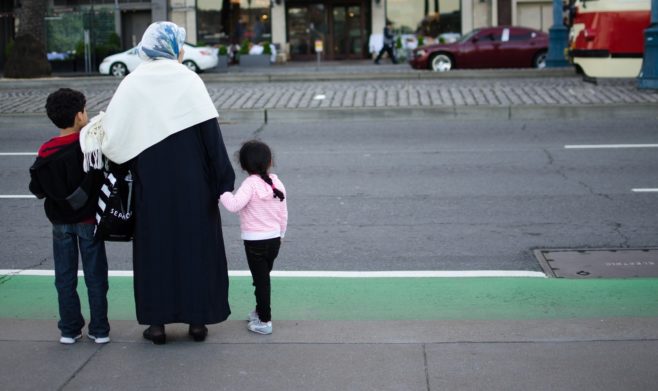
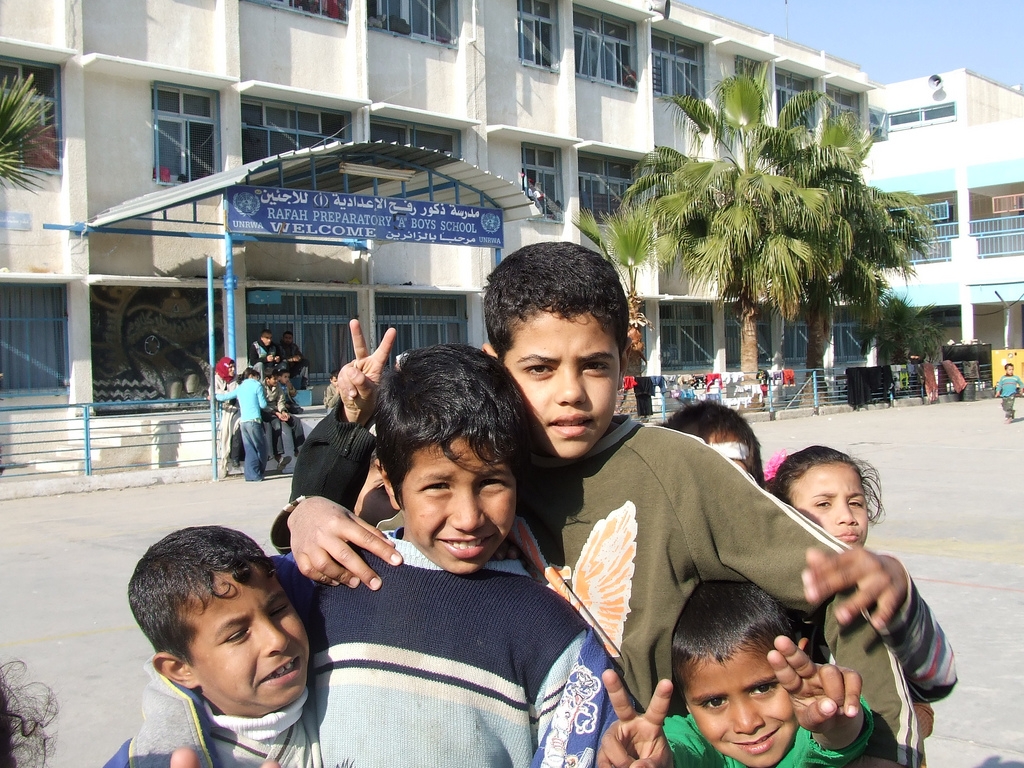
Children's Rights Abuses in the West Bank and Gaza
Executive Summary of Sons of Violence Report:
Violations of Children's Rights under the Palestinian Authority and Hamas
The Universal Declaration of Human Rights’ (UDHR) main principle is that all human beings have the right to life, liberty, and security of person, including the right to education, freedom from torture or cruel treatment and punishment, freedom to peacefully assemble, and freedom of thought, conscience, and religion.
With the recognition of Palestine as a non-member observer state to the United Nations (UN) in April 2014, the Palestinian Authority (PA) agreed to comply with 13 international conventions of human rights and humanitarian law. As such, the PA is obligated to comply with international human rights law (IHL) and implement all provisions laid out in the conventions. Complying with IHL requires Palestinian leadership (the PA and Hamas) to be bound by international laws protecting children’s rights.
In 1991, the Palestinian Liberation Organization (PLO), under Chairman Yasser Arafat, signed the United Nations Convention on the Rights of the Child (CRC); however, as the PLO was not a state, the PLO was unable to formally ratify the convention, thereby failing to have full legal impact in the territories. Despite this, the Palestinian National Authority (PNA) issued a report into the implementation of the CRC in the territories, which was received and reviewed by the CRC. This report examines the current violations of children’s rights in the West Bank and Gaza by the Palestinian government, and suggests that the PA and Hamas have failed to implement, nor do they intend to fulfill, their international promises. All information in this report was obtained through news sources, PA government materials, and interviews with individuals living and working in Gaza and the West Bank. All names have been withheld.
This report looks at Article 29 of Palestinian Basic Law, and how it applies to IHL and the CRC. It states that children have the right to:
- Comprehensive protection and welfare.
- Not to be exploited for any purpose … and not to be permitted to perform work that might damage their safety health or education.
- Protection from harmful and cruel treatment.
- Not to be subjected to beating or cruel treatment by their relatives.
- To be segregated… from adults, and be treated in a manner that is appropriate to their age and aims at their rehabilitation.
Palestinian Child Law No. 7 (2004) defines a child to be any human being under the age of 18, “including the unborn.” Palestinian law agrees with the CRC in the belief that young people under 18 years of age are considered more vulnerable and therefore require certain protections under the law.
With 47.5% (2014) of the Palestinian population under 18 years of age, the implementation of proper children’s rights protections is crucial. However, due to its foundations in traditional Sharia Law, Palestinian civil law lacks many of the democratic, secular, and egalitarian principles that are espoused by IHL and the CRC.
GENERAL PRINCIPLES
The Independent Commission for Human Rights (ICHR) monitored multiple cases of rights violations against children in 2015, reporting that large numbers of detainees in Palestinian jails were children between 16 and 17. Detainees were subjected to different forms of torture, including beating, kicking, punching, flogging, cold water dousing, and being forced to strip.
For young girls and women, honor killings are carried out when these girls are believed to have transgressed cultural norms (this includes issues of modesty, career choice, marriage, and relationships). Honor Killings, usually carried out by members of the girl’s family, do so in an attempt to restore the family’s reputation. Individuals in both the West Bank and Gaza confirm reports on the continuation of this practice, with one JIJ source explaining the prevalence of honor killings in Hebron (West Bank) where he heard of at least ten cases in 2014. Unfortunately, reliable data on the total number of child victims of honor killings is unavailable. This is, in part, due to the Palestinian government considering 15-year-old girls (West Bank) and 17-year-old girls (Gaza) as eligible for marriage, and therefore not victims. In the territories, Sharia Law dictates that those who reach puberty are considered adults and are thereby subject to the full force of the law. This directly contradicts the international definition of the ‘child’ as stated in the CRC, and as reiterated by Palestinian Basic Law.
CIVIL RIGHTS AND FREEDOMS
In the West Bank, many children are denied the right to legal existence. Under Palestinian law, extramarital sex is illegal, therefore women who give birth out of wedlock are punished. Honor killings play a role here, where families beat or kill girls or women who find themselves pregnant outside of marriage. Women are thus forced to give birth in secret in an effort to ensure their safety, abandoning their babies. One institution in the West Bank reports that on average 50 to 80 undocumented babies are born each year. The consequences: these children are denied a family name or an ID card, preventing them from establishing an identity in society.
An additional issue relates to the abandoned child’s religious identity. Regardless of where the child is found (Christian or Muslim communities), the child is automatically assumed to be Muslim. The implications of this are that, under Islamic Law, adoption is forbidden, therefore depriving ‘Muslim’ children the option of official adoption. These roadblocks to establishing legal identity and existence are in violation of the CRC; the PA fails to assist in the registration of these abandoned children, thus reneging on its obligations to protect the most basic of children’s rights.
Regarding access to information, the PA and Hamas fail to protect children with regards to information sharing and education. Instead, Palestinian leadership engages in indoctrination and incitement to violence through social networks, national TV children’s programs, basic education curriculums, and children’s magazines. Children in the territories are encouraged to become martyrs, to think of Jews as “barbaric monkeys,” and to spill blood in the name of the Koran. In addition, propaganda campaigns directed by both Fatah and Hamas promote and encourage child soldiers, with images depicting children dressed as soldiers, handling weapons, and promoting death and martyrdom. In many of these programs, the children are no older than 6 or 7 years of age, directly violating the CRC’s objectives of seeking to ensure safe and secure access to information that promotes the child’s “social, spiritual, and moral well-being, and physical and mental health.”

FAMILY ENVIRONMENT AND ALTERNATIVE CARE
According to the Ministry of Social Affairs (MoSA) in the West Bank and Gaza, the Ministry is entrusted with the care and protection of disadvantaged children, who include children with unknown parentage, those in social care institutions, and children with divorced or separated parents. MoSA’s guidelines for child care include the supervision of governmental and non-governmental children’s institutions, and the regulation of procedures for admission into institutional care. Yet, lack of resources leads to a lack of supervision and regulation.
Regarding foster care, with adoption being illegal under Islamic Law, MoSA is developing a ‘religiously acceptable’ foster care process called kafalah. Another roadblock to the system — foster care is only available for Muslim families in the West Bank, thus excluding non-Muslims from getting the help they need. Yet, despite legal requirements for foster care and foster families being outlined by MoSA, it has been found that there are no identifiable mechanisms in place to enforce routine and review of placement, and to ensure the wellbeing of the child.
Regarding issues of abuse and neglect, MoSA implements the National Child Care and Protection Protocol (2007) and defines conditions that place children at risk. These include violence, abuse, neglect, exploitation, incest, and assault — all of which are grounds for removal of a child from the family setting. However, according to Article 62 of the Jordanian Legal Code 1960, corporal punishment is deemed lawful “in the home,” with forms of discipline being permitted according to “general custom.” While Article 42 of Palestinian Child Law (2004) and Article 29 of the Amended Basic Law (2003) both state that children are to be protected from violence and abuse, these provisions fail to protect children in practice. A survey conducted by PCBS found that 9 in 10 children in the West Bank and Gaza reported being hit, beaten, or abused, with primary offenders identified as family members. Yet it is also significant to note that reporting abuse is an obstacle in and of itself: one JIJ source purports that, while it is required by law to report abuse when suspected, most refrain from involving police out of fear of the abuser exacting revenge on the child.
Regarding rape and sexual abuse against women and girls, reporting abuse is not easy and poses a threat to the women’s safety. Cultural taboos surrounding sex in Palestinian society make it difficult to acquire real statistics of rapes and sexual assaults, but it is believed that sexual violence within the family is not infrequent. According to one JIJ source, a girl 16 and under cannot seek help without a parent present, and there is no regard for confidentiality of a minor. Should the police take action, the victim faces a greater threat regarding her damaged reputation in her community, while the law commits the abuser only to a maximum of one day’s imprisonment.
BASIC HEALTH AND WELFARE
In its agreement to comply with the international conventions on human rights, the PA also acceded to the Convention on the Rights of Persons with Disabilities (2006), which holds that those persons with disabilities “must enjoy all human rights and fundamental freedoms.” Yet, it has been found that disabled children suffer from discrimination and degrading treatment in both the West Bank and Gaza. For example, one 2011 PCBS report found that 37.6% of children with disabilities 15 and up had never been enrolled in an educational institution, with 53.1% being reported as illiterate. According to a 2013 UNICEF report on the ‘state of the world’s children’, disabled children are regarded as “pitiable” and not as equal individuals. This is due largely to a “dominant perspective” that puts able-bodied individuals at a superior status than disabled individuals. This perspective is reflected in both national policy, regulations, and language used.
EDUCATION, LEISURE, and CULTURAL ACTIVITIES
Article 37 of Palestinian Child Law stipulates that every child has the right to be educated until the age of 18, and that the government should take all necessary measures to prevent school drop-outs. While the PA has attempted to provide a secure educational environment for children in the territories, they struggle to provide children with safe environments conducive to learning. Official Palestinian sources attribute high dropout rates to the low quality and weak promotion of education throughout the West Bank and Gaza, as well as to various cultural and societal factors that affect school enrollment.
Following the issue of violence against children, it has been found that the schooling system in the territories primarily uses violence to discipline students. A 2010 UNICEF report found that over 50% of students in West Bank schools were subjected to both physical and verbal abuse. The same study found that over 50% of teachers believed physical beatings were an “acceptable means of punishing students.” This phenomenon can be explained by the lack of educator skills and qualifications. PCBS reported in 2011 that only 29.3% of Palestinian teachers had Ministry of Education level qualifications. Also contributing to this issue is the fact that, as shared by professionals in the field, educators are simply “burned out.”
The issue of overcrowding also contributes to high dropout rates and, possibly, rates of abuse. One source explains how each of his classes in Gaza had nearly 50 students. Official Palestinian sources corroborate this claim, explaining how student numbers are increasing while classroom numbers are lacking, unable to absorb the many incoming students. Another source explains how teachers (according to his experience in Gaza) do not know how to “deal” with students in both government and UNRWA schools — teachers will “banish you…hurt you, they talk to you like you’re an animal.”
One factor that contributes to sexual harassment of girls is the government enforced gender-segregation of schools. All schools in Gaza are now gender-segregated at 9 years of age. Most government schools in the West Bank also enforce gender-segregation, with the exception of some private or UNRWA schools that remain coeducational. This separation has led to boys harassing female students, which some officials attribute to the lack of exposure to one another in safe, neutral environments.
A review of Palestinian school textbooks and curricula reveals a number of human rights violations. Recurring topics include the rejection of the State of Israel and denial of its right to exist, the demonization and incitement of violence against Jews, and a downplay of peace advocacy in favor of incitement. The hate speech and incitement to violence that educators run their classrooms with stands in stark contrast to the spirit of the CRC and IHL.
SPECIAL PROTECTION MEASURES
Article 93 of Palestinian Labor Law bans the employment of children under the age of 15 in the West Bank and Gaza, with children between the ages of 15 and 17 being permitted to work under certain controlled conditions. However, these laws are not carried out in practice, for child labor is still prevalent in the territories. For example, while the law includes children who work with relatives, many under age children are found to be working on family farms due to agriculture being a central aspect of Palestinian life. One 2010 report on Palestinian households shows that 4.1% of children between the ages of 5 and 11 worked for their families; 2.9% of this age group worked outside their household. To connect to the issue of school dropout rates, child employment is deemed a significant factor for students failing to attend school.
RECOMMENDATIONS
Regarding civil rights and freedoms, Palestinian leadership should ensure official registration and citizenship at birth and should step up their efforts in supporting institutions working with abandoned children. Furthermore, there should be an immediate cease to all promotion of martyrdom and incitement of violence through media and the education system. Finally, a just and effective punishment should be enforced on those who perpetrate honor killings.
Regarding family environment and alternative care, adoption practices and processes should be secularized, and religious freedom among children should be put into practice. MoSA should enforce a more efficient follow up care system for children in the foster system and ensure that the child’s rights are both protected and respected. Children should be protected from cruel and degrading punishment at home, in the workplace (if they are working), and at school through the development of protective legislation and installing penalties for use of corporal punishment. Moreover, the age of legal marriage should be raised to 18 so as to protect young girls and enable them to continue their studies in a healthy environment.
Regarding basic health and welfare, the rights of disabled children should be upheld and protected through developing educational programs and raising awareness on the subject of disability.
Regarding education, more classes should be opened to accommodate the increasing number of students and address the issue of overcrowding. Teachers should receive specialized training with information on education and discipline from a human rights perspective, in addition to having a selection criteria enforced for hiring education staff. All textbooks and curricula should be revised to remove message of incitement against Israel and the Jews. Finally, formal programming to foster gender equality should be implemented throughout all schools in the territories.
Regarding special protection measures, Palestinian leadership should establish a system that allows school personnel to report cases of children dropping out of school in favor of employment in an effort to promote learning and personal development of Palestinian children.
Discrimination against Women under the Palestinian Authority and Hamas
The following report examines the degree to which the Palestinian governing authorities in the West Bank and Gaza adhere to CEDAW. Findings indicate their acute failure to protect women’s rights within both legal codes and cultural practices. Even in cases where legal codes guarantee certain women’s rights, laws are either not enforced
or inconsistently enforced and very few categories of rights receive complete protection. For example, in 2011 the Fatah-controlled Palestinian Authority (PA) published an extensive document entitled “National Strategy to Combat Violence Against Women 2011-2019.” This document is an impressive acknowledgement of women’s rights violations, but despite the authorities’ ostensible intentions to counteract violence against women, the problems outlined remain rampant.
Downloads
Hidden Injustices
This report highlights the human rights violations regularly committed by the Palestinian government authorities. These include arbitrary detention, torture and cruel punishment, violation of the freedom of expression and the freedoms of the press, violation of the freedom of religion and minority rights, and violation of the rights of women and children. The EU and the US share a guiding principle that all nations should uphold and affirm the human rights of each individual, wherever they may reside in the world. As critical sustainers of the Palestinian Authority’s leadership through the provision of vast quantities of annual aid, how much more so, then, ought the EU and the US require accountability of the PA?
Downloads
Freedom of Religion - A human rights-based approach to discrimination against religious minorities in the Palestinian Authority
This report focuses on the religious freedom of different religious minority groups under the rule of the Palestinian Authority (PA) in the West Bank and Gaza. These areas were officially governed by a unity government consisting of both Fatah and Hamas. In 2014 the PA signed and ratified 15 international conventions dealing with, among other issues, the right to freedom of religion. The government is therefore obliged to grant people living in areas under the PA’s control the freedoms enshrined in these conventions.