

Three Strikes for Starmer
Three Strikes for Starmer
When Sir Keir Starmer ascended to the leadership of the UK Labour Party in 2020, he promised a decisive break from Jeremy Corbyn. Hamas and Hezbollah would no longer be considered ‘friends’, anti-Semitism would no longer be tolerated, and Israel would no longer be demonized.
Over the last four years, Starmer made significant progress on these fronts. He purged Corbyn from the Labor Party, adopted the recommendations of the Equality and Human Rights Commission’s investigation into anti-Semitism,[1] and affirmed Israel’s right to self-defense.
The Anglo-Jewish community responded constructively to these changes. Where British Jews voted for the Conservatives over Corbyn by a six-to-one margin in 2017, Starmer attracted support from a plurality of Anglo-Jewish voters.[2] This reflected voting patterns across the British electorate, enabling Labour to return to power after 14 years in opposition.
Since Labour assumed power in July, however, the Party has taken three troubling decisions on Israel. In isolation, any one of these decisions could be dismissed as a blip on the radar. In their totality, they suggest a failure to root out the ideological undercurrents of Corbynism.
UNRWA
The first warning sign appeared on July 19, when Foreign Secretary Danny Lammy agreed to restore £21 million in funding for the United Nations Relief and Works Agency (UNRWA). In announcing this decision, Lammy parroted UNRWA’s assertion that they ‘meet the highest standards of neutrality.’[3]
Such a claim is not credible. Israel has produced substantive evidence showing that UNRWA facilities have been systematically used as command centers and storage facilities for Hamas.[4] It has identified 42 employees of UNRWA who assisted Hamas on October 7, and it has alleged that over 10% of their workers are affiliated with terrorist groups.[5] Last month, UNRWA fired nine of its employees for their involvement in the October 7 massacre.
Lammy sidestepped this evidence by focusing on the UN-commissioned Colonna report from April 2024. But this report did not support the Foreign Secretary’s claim of neutrality. Instead, it found that alleged breaches of neutrality by UNRWA ‘escalated significantly’ after October 7. Referring to anti-Semitic educational content as a ‘grave violation of neutrality’, it noted that 3.85% of textbook pages in Palestinian schools contain concerning material.[6]
ICC
On July 26, the Labour Government made its second move against Israel. It dropped a pre-trial submission challenging the International Criminal Court’s (ICC) jurisdiction over Israeli Prime Minister Benjamin Netanyahu and Defence Minister Yoav Gallant.
In June, the Sunak Government had responded to ICC Prosecutor Karim Khan’s application for arrest warrants against Israel’s leaders by requesting permission to comment on ‘outstanding jurisdictional issues.’ The Government wanted the Court to address the implications of the Oslo Accords, which deny criminal jurisdiction to the Palestinian Authority over Israeli nationals.[7] The Court agreed to accept submissions from the UK and other interested parties until August 6.
By dropping the UK’s request for comment, the Starmer Government weakens pressure on the Court to address an important pre-trial question. It advances Prosecutor Khan’s unprecedented attempt to target the elected leaders of a democratic state, and it signals moral cowardice in the face of the ICC’s efforts to equate Hamas terrorists with leaders bound by the rule of law.
Export Licenses
On September 2, Labour completed its trifecta of measures against Israel. Secretary Lammy announced that the UK would suspend 30 of its 350 arms export licenses to Israel.[8] Coming on the same day as the funerals of six murdered hostages, the announcement provoked opposition in Israel and America.
Though the Foreign Secretary emphasized that ‘this is not an arms embargo’, his decision to block export licenses represents a clear departure from his predecessor. In December 2023, then Foreign Secretary Lord David Cameron concluded that Israel is ‘committed to comply with International Humanitarian Law.’ Following five legal assessments, Cameron reiterated his stance in April 2024, rejecting calls to suspend export licenses.[9]
Though Britain does not account for a large share of Israel’s arms imports, these restrictions will affect the supply of drones, jets, and other aircraft. Coming just weeks after the UK dropped its challenge to the ICC, the decision reflects a troubling pattern of one-sided measures against Israel’s legitimate right to self-defense.
Conclusion
Starmer deserves credit for confronting rampant anti-Semitism in the Labour Party. He has repudiated the sordid legacy of Corbyn and worked to regain the trust of British Jews.
It seems, however, that his foreign policy has privileged the concerns of a loud left flank over the defense of a democratic ally. In just two months, Labour has departed from the Conservatives on three issues. Each of these actions has hurt Israel’s security while exacerbating the divide between British and American policy. To maintain good will at home and abroad, Starmer is due for a course correction.
Written by Ben Solomon
JIJ Intern
Click Here To read the full article including notes

Israel's Humanitarian Aid Efforts in Gaza: Addressing Allegations of Starvation as a Method of War
The ongoing conflict in Gaza has sparked intense international scrutiny, with serious allegations leveled against Israel regarding its treatment of Palestinian civilians. Among the most grave accusations are claims that Israel is deliberately using starvation as a weapon of war. This article aims to examine these allegations in light of Israel's documented humanitarian aid efforts and the complex realities on the ground in Gaza, providing a comprehensive analysis of the current situation and its historical context. The gravity of the allegations has drawn attention from international legal bodies. The International Court of Justice (ICJ) as well as the International Criminal Court (ICC) have consistently placed Israel under unfair scrutiny for a starvation crisis that does not exist.
In its provisional measures order, the ICJ highlighted the severe humanitarian situation in Gaza and the potential for irreparable harm due to lack of access to essential resources. The court stated:
"The catastrophic humanitarian situation in the Gaza Strip is at serious risk of deteriorating further. In view of the fundamental values sought to be protected by the Genocide Convention, the Court considers that the plausible rights in question in these proceedings, namely the right of Palestinians in the Gaza Strip to be protected from acts of genocide and related prohibited acts [under the] Convention … are of such a nature that prejudice to them is capable of causing irreparable harm".[1]
Similarly, the International Criminal Court (ICC) has expressed concern over the situation. In a statement, the ICC Prosecutor Karim A.A. Khan KC said:
"My Office is actively investigating any alleged war crimes in the region, including those related to the deprivation of essential resources such as food and water. The use of starvation of civilians as a method of warfare is a war crime in international armed conflicts".[2]
These quotes illustrate the fact that these international legal bodies have been subjecting Israel to unfair biases that are not consistent with the statistics provided below regarding Israel’s humanitarian aid deliveries and coordinations.
Since the outbreak of the conflict on October 7, 2023, Israel has been working to facilitate the entry of humanitarian aid into Gaza. According to COGAT (Coordination of Government Activities in the Territories), the Israeli body responsible for coordinating aid, over 18,000 trucks carrying humanitarian aid have entered Gaza through the Rafah and Kerem Shalom crossings as of June 2024.[3] Additionally, an average of 200-250 aid trucks are entering Gaza daily.[4] The aid includes food, water, medical supplies, and other essential items.
Despite the complex security concerns and logistical challenges, Israel opened a third humanitarian aid route into northern Gaza in May 2024, known as the Western Erez crossing, aimed at increasing the flow of aid into the region.[5] This effort was part of a coordinated initiative with the U.S. government to enhance aid delivery routes to the Gaza Strip, particularly to its northern areas.
Contrary to allegations of deliberate starvation, the amount of food entering Gaza appears to be sufficient for the population. A study by Columbia University professors found that 250 truckloads of food per day is sufficient to feed the entire Gazan population of 2.2 million people.The study concluded that each Gazan was provided with approximately 3,374 kilocalories per day, while only 2,100 kilocalories are needed. This amount is almost identical to the 2.36 kg of food per day that the UN's Food and Agriculture Organization estimates the average individual consumes in North America. [6]
These figures suggest that the food supply entering Gaza is more than adequate to meet the nutritional needs of the population.
It is important to note that the situation in Gaza was already dire prior to October 7th, 2023. The region already had limited economic opportunities and access to resources. According to the United Nations Relief and Works Agency (UNRWA), before the current conflict: Unemployment in Gaza stood at 45% (one of the highest rates in the world), 80% of the population relied on
international aid, and 90-95% of the water from the coastal aquifer was unfit for human consumption.[7] [8]
These pre-existing conditions have undoubtedly exacerbated the current humanitarian crisis, making it even more challenging to address the population's needs. Between the amount of aid that Israel has provided since October 7th and the amount of resources Gaza lacked prior to October 7th, claims that Israel is using starvation as a method of war are baseless and egregious.
Reports indicate that Hamas has been interfering with aid distribution within Gaza. According to various sources, including the United Nations:
Jordanian Aid Convoy Hijacking:
On May 2, 2024, Hamas hijacked a major humanitarian aid shipment from the Jordan Hashemite Charity Organization. The aid, which had transited through Israel’s newly-opened Erez crossing, was seized by Hamas after the Jordanian military unloaded it inside Gaza. The U.S. State Department condemned the act, noting that the aid was eventually recovered by the United Nations, but the incident marked a significant case of aid diversion by Hamas.[9] [10]
Drone Footage of Aid Theft:
The Israel Defense Forces (IDF) released drone footage showing Hamas operatives hijacking aid trucks, beating civilians, and transporting the stolen supplies to a Hamas stronghold. The footage depicted men loading humanitarian supplies onto a pickup truck and using force against civilians. This visual evidence highlighted the systematic nature of Hamas's interference with aid distribution.[11]
General Reports of Aid Diversion:
According to various reports, including those from the United Nations, Hamas has been consistently hijacking aid trucks entering Gaza. These reports indicate that Hamas militants often divert supplies intended for civilians to their fighters or sell them on the black market. This practice has been a significant obstacle to effective aid distribution within Gaza.[12]
The types of aid being stolen reportedly include: food supplies, medical equipment and medicines, fuel (which is critical for powering hospitals and water desalination plants), and building materials. This interference significantly complicates the humanitarian situation, making it more difficult to ensure aid reaches those most in need.
Not only do the aforementioned findings indicate that Israel is actively trying to provide sufficient humanitarian aid to Gaza, recent reports from the Famine Review Committee (FRC) of The Integrated Food Security Phase Classification (IPC) state that the available evidence does not support the notion that there is a famine in Gaza. The IPC is a multi-partner initiative that works to classify the severity and magnitude of food insecurity and malnutrition across the globe. The IPC is used by governments, UN agencies, NGOs, and other stakeholders to inform decision-making for better food security policy and programming. In March, 2024, the FRC reported that “Famine is now projected and imminent in the North Gaza and Gaza Governorates and is expected to become manifest during the projection period from mid-March 2024 to May 2024.”[13] This report was used in the ICJ’s statement in March telling Israel to improve humanitarian aid into Gaza.[14] However, the FRC has now stated in their June report that “the available evidence does not indicate that famine is currently occurring.”[15] Following this update from the FRC, Arif Husain, the chief economist at the UN World Food Programme, commented on the situation in a press briefing. Husain stated that there is a lack of reliable and supported evidence to confirm the sentiment that Israel is intentionally starving Palestinians. He stated there are currently no proven statistics pertaining to deaths by starvation in Gaza and added “It's not even a matter of being available. I don't think that they are even collected."[16] This exemplifies the fact that misinformation about Israel is rampant. Israel has remained committed to providing Gaza civilians humanitarian aid and yet cannot escape the false allegations of causing a genocide through the utilization of starvation as a method of warfare.
While the humanitarian situation in Gaza remains challenging, the data on aid deliveries and food supplies facilitated by Israel contradicts allegations of deliberate starvation or the use of hunger as a weapon of war. The evidence suggests that Israel is making significant efforts to provide humanitarian assistance to Gaza's civilian population, despite the ongoing conflict.
The complexities of aid distribution within Gaza, including the reported interference by Hamas, highlight the need for a more nuanced understanding of the situation. As the conflict continues, it is crucial for all parties to prioritize the protection of civilians and ensure that humanitarian aid reaches those in need efficiently and effectively.
This article was written by Kevin Bina, a rising senior at the University of Pennsylvania studying Philosophy, Politics, and Economics. Bina is currently serving as an International Law and Diplomacy Intern at The Jerusalem institute of Justice
Read the full Article with the Foot-notes:
https://jij.org/wp-content/uploads/2024/07/Article-Israels-Humanitarian-Aid-Efforts-in-Gaza-1.pdf
Effects and impacts on the latest UN Human Rights Council resolution
Two weeks ago, the United Nations Human Rights Council (UNHRC) adopted the resolution A/HRC/55/L.30, marking the first official position of the top UN human rights body on the war that started on October 7 atrocities. With a historical background of struggles against Israel by the Council, what does this resolution in particular say and omit? What are the direct effects and impacts on the Jewish State? Let's go deep in.
The UNHRC is the principal intergovernmental body responsible for the promotion and protection of human rights. Since its creation in 2006, the Council has worked to address and take action on human rights violations around the globe. It is composed of 47 member States who are elected by the UN General Assembly for three-year terms. Even though the UNHRC mission is relevant and necessary with the vast number of gory conflicts in the world, its exclusive 'preference' with Israel calls into question the Council's prestige and reputation.
In 2007, when the UNHRC's members were discussing the working methods of the body, they determined that Israel would be the only country whose human rights record is examined under a special agenda item (No. 7), while all other countries’ records are examined in the general debate. From the beginning of its activities, Israel has been by far the biggest target of the Council's resolutions, with 104[1] condemnatory resolutions. Next on the list is Syria with 43, North Korea with 16, and Iran with 14. Not enough, it adopted zero resolutions on gross human rights abuses perpetrated in countries like Saudi Arabia, China, Turkey or Zimbabwe. The open bias of the Council was once again proven during its previous session, which concluded on October 13, when it failed to condemn the terror attacks carried out by Hamas.
The recently approved resolution was brought forward by Pakistan on behalf of the members of the Organization of Islamic Cooperation in the 55th Regular Session of the UNHRC. It calls upon all States to cease the sale, transfer, and diversion of arms to Israel and calls all States to ensure that the United Nations Relief and Works Agency for Palestine Refugees in the Near East (UNRWA) receives predictable, sustained, and sufficient funding, and calls for an immediate ceasefire in Gaza. It was approved by 28 state members, with 13 abstentions, and only 6 countries rejected the resolution, including Argentina, Germany, and the United States.
From a long list of questionable condemnations of Israel that are part of the document, two of them draw attention. First, the call for an arms embargo certainly puts into question Israel's right to self-defense, as it is an explicit attempt to influence the Israel Defense Forces' capacity. This request not only publicly benefits Hamas but also tries to affect the balance of power in the Middle East and the bilateral economic and military relations of Israel. Once an arms embargo is put in place, it can affect major agreements and alliances that are fundamental for Israel's defense against Hamas and other enemies in the region, primarily Iran.
Secondly, it endorses UNRWA and urges its continued funding, despite all evidence[2] that their employees participated in the October 7 massacres and that Hamas has completely infiltrated UNRWA’s staff and exploited its facilities for terrorist purposes. Thus, an open call for the continuity of this agency is a clear message that the UNHRC is blinded about the structural failure of UNRWA, putting at risk both Israelis and Palestinian lives.
As the 'guardian' of global human rights protection, the Council drastically failed (once again) when it didn't comment on the October 7 atrocities committed by Hamas, marked as the darkest day of the Jewish People since the Holocaust with 1,200 murdered. The resolution refuses to describe Hamas’s atrocities for genocidal threats against Israeli civilians, including mass rape and sexual violence against women, or torture and sexual violence against hostages in Gaza, which is still ongoing and has already gone public.[3] Additionally, the resolution is very slight when referring to the remaining 133 hostages taken by Hamas, dedicating 2 sentences from the 8-page document to it.
Approved on the eve of the mark of 180 days of war, the text is clearly one-sided against Israel, as Hamas is not even mentioned once. Meirav Eilon Shahar, Israel’s ambassador to the UN in Geneva, accused the UNHRC of having “long abandoned the Israeli people and long defended Hamas." This resolution is a moral stain on the Council, as it fails to acknowledge Hamas' responsibilities and undermines Israel’s right to self-defense.
Does the A/HRC/55/L.30 resolution have feasible implications? Amid its possible effects and impacts, it can strengthen the political pressure of the international community on Israel or even influence the diplomatic relations with the countries who took an active part in the resolution. But its most visible effect is the symbolic value of the Council's condemnation, although it isn't the first UN institution to state on the current Israel-Gaza War[4][5][6]. The main question is if the resolution will lead the countries to join the arms embargo. Until now, Canada[7] and The Netherlands[8] have announced their intention to halt the sales of weapons to Israel, nevertheless it looks challenging that this international pressure will speak louder than the nation's military interests.
The UNHRC's recent resolution seems to have a low direct impact on Israel, but it turns on another yellow light about further implications. Yet, this resolution not only disclaims Hamas' responsibility for the horrific atrocities it committed but also denies what happened on October 7 and doesn't call in a clear and forceful way for the immediate return of the 133 hostages taken in captivity in inhuman conditions.
Moreover, in the side-event[9] promoted by the Jerusalem Institute of Justice during the 55th regular session of the UNHRC, Dr Sigall Horovitz precisely cleared out: "The Israeli-Palestinian Conflict has reached the bottom of the pit, we are in the heart of darkness. Do we want to stay there? Or do we want to finally address the causes of the violence? Without it, we will never be safe from atrocities".
Article by: Ionatan Gottfried
[1] UN Watch Database. https://unwatch.org/database/
[2] Israel reveals 12 UNRWA staffers it says took part in Oct. 7, says 30 more assisted. (2024, February 16). The Times of Israel. https://www.timesofisrael.com/israel-reveals-12-unrwa-staffers-it-says-took-part-in-oct-7-says-30-more-assisted/
[3] Israeli hostage says she was sexually assaulted and tortured in Gaza. (2024, March 26). The New York Times. https://www.nytimes.com/2024/03/26/world/middleeast/hamas-hostage-sexual-assault.html
[4] U.N. Security Council passes resolution demanding immediate Hamas-Israel war cease-fire, release of hostages. (2024, March 25). CBS News. https://www.cbsnews.com/news/israel-hamas-war-cease-fire-gaza-un-security-council-resolution-ramadan/
[5] General Assembly Adopts Resolution Demanding Immediate Humanitarian Ceasefire in Gaza, Parties’ Compliance with International Law, Release of All Hostages | Meetings Coverage and Press Releases. (2023, December 12). https://press.un.org/en/2023/ga12572.doc.htm
[6] Order of 26 January 2024 | INTERNATIONAL COURT OF JUSTICE. https://www.icj-cij.org/node/203447
[7] Lazaroff, B. T. (2024, March 20). Canada to stop arms sale to Israel, FM Joly says. The Jerusalem Post | JPost.com. https://www.jpost.com/breaking-news/article-792782
[8] Reuters, B. (2024, February 12). Dutch court orders halt to export of F-35 jet parts to Israel. The Jerusalem Post | JPost.com. https://www.jpost.com/breaking-news/article-786463
[9] Jerusalem Institute of Justice (2024, March 28). Preventing Genocide: Legal Perspectives on Oct. 7th [Video]. YouTube. https://www.youtube.com/watch?v=82TPJzTPXHM
Effects and impacts on the latest UN Human Rights Council resolution
Two weeks ago, the United Nations Human Rights Council (UNHRC) adopted the resolution A/HRC/55/L.30, marking the first official position of the top UN human rights body on the war that started on October 7 atrocities. With a historical background of struggles against Israel by the Council, what does this resolution in particular say and omit? What are the direct effects and impacts on the Jewish State? Let's go deep in.
The UNHRC is the principal intergovernmental body responsible for the promotion and protection of human rights. Since its creation in 2006, the Council has worked to address and take action on human rights violations around the globe. It is composed of 47 member States who are elected by the UN General Assembly for three-year terms. Even though the UNHRC mission is relevant and necessary with the vast number of gory conflicts in the world, its exclusive 'preference' with Israel calls into question the Council's prestige and reputation.
In 2007, when the UNHRC's members were discussing the working methods of the body, they determined that Israel would be the only country whose human rights record is examined under a special agenda item (No. 7), while all other countries’ records are examined in the general debate. From the beginning of its activities, Israel has been by far the biggest target of the Council's resolutions, with 104[1] condemnatory resolutions. Next on the list is Syria with 43, North Korea with 16, and Iran with 14. Not enough, it adopted zero resolutions on gross human rights abuses perpetrated in countries like Saudi Arabia, China, Turkey or Zimbabwe. The open bias of the Council was once again proven during its previous session, which concluded on October 13, when it failed to condemn the terror attacks carried out by Hamas.
The recently approved resolution was brought forward by Pakistan on behalf of the members of the Organization of Islamic Cooperation in the 55th Regular Session of the UNHRC. It calls upon all States to cease the sale, transfer, and diversion of arms to Israel and calls all States to ensure that the United Nations Relief and Works Agency for Palestine Refugees in the Near East (UNRWA) receives predictable, sustained, and sufficient funding, and calls for an immediate ceasefire in Gaza. It was approved by 28 state members, with 13 abstentions, and only 6 countries rejected the resolution, including Argentina, Germany, and the United States.
From a long list of questionable condemnations of Israel that are part of the document, two of them draw attention. First, the call for an arms embargo certainly puts into question Israel's right to self-defense, as it is an explicit attempt to influence the Israel Defense Forces' capacity. This request not only publicly benefits Hamas but also tries to affect the balance of power in the Middle East and the bilateral economic and military relations of Israel. Once an arms embargo is put in place, it can affect major agreements and alliances that are fundamental for Israel's defense against Hamas and other enemies in the region, primarily Iran.
Secondly, it endorses UNRWA and urges its continued funding, despite all evidence[2] that their employees participated in the October 7 massacres and that Hamas has completely infiltrated UNRWA’s staff and exploited its facilities for terrorist purposes. Thus, an open call for the continuity of this agency is a clear message that the UNHRC is blinded about the structural failure of UNRWA, putting at risk both Israelis and Palestinian lives.
As the 'guardian' of global human rights protection, the Council drastically failed (once again) when it didn't comment on the October 7 atrocities committed by Hamas, marked as the darkest day of the Jewish People since the Holocaust with 1,200 murdered. The resolution refuses to describe Hamas’s atrocities for genocidal threats against Israeli civilians, including mass rape and sexual violence against women, or torture and sexual violence against hostages in Gaza, which is still ongoing and has already gone public.[3] Additionally, the resolution is very slight when referring to the remaining 133 hostages taken by Hamas, dedicating 2 sentences from the 8-page document to it.
Approved on the eve of the mark of 180 days of war, the text is clearly one-sided against Israel, as Hamas is not even mentioned once. Meirav Eilon Shahar, Israel’s ambassador to the UN in Geneva, accused the UNHRC of having “long abandoned the Israeli people and long defended Hamas." This resolution is a moral stain on the Council, as it fails to acknowledge Hamas' responsibilities and undermines Israel’s right to self-defense.
Does the A/HRC/55/L.30 resolution have feasible implications? Amid its possible effects and impacts, it can strengthen the political pressure of the international community on Israel or even influence the diplomatic relations with the countries who took an active part in the resolution. But its most visible effect is the symbolic value of the Council's condemnation, although it isn't the first UN institution to state on the current Israel-Gaza War[4][5][6]. The main question is if the resolution will lead the countries to join the arms embargo. Until now, Canada[7] and The Netherlands[8] have announced their intention to halt the sales of weapons to Israel, nevertheless it looks challenging that this international pressure will speak louder than the nation's military interests.
The UNHRC's recent resolution seems to have a low direct impact on Israel, but it turns on another yellow light about further implications. Yet, this resolution not only disclaims Hamas' responsibility for the horrific atrocities it committed but also denies what happened on October 7 and doesn't call in a clear and forceful way for the immediate return of the 133 hostages taken in captivity in inhuman conditions.
Moreover, in the side-event[9] promoted by the Jerusalem Institute of Justice during the 55th regular session of the UNHRC, Dr Sigall Horovitz precisely cleared out: "The Israeli-Palestinian Conflict has reached the bottom of the pit, we are in the heart of darkness. Do we want to stay there? Or do we want to finally address the causes of the violence? Without it, we will never be safe from atrocities".
Article by: Ionatan Gottfried
[1] UN Watch Database. https://unwatch.org/database/
[2] Israel reveals 12 UNRWA staffers it says took part in Oct. 7, says 30 more assisted. (2024, February 16). The Times of Israel. https://www.timesofisrael.com/israel-reveals-12-unrwa-staffers-it-says-took-part-in-oct-7-says-30-more-assisted/
[3] Israeli hostage says she was sexually assaulted and tortured in Gaza. (2024, March 26). The New York Times. https://www.nytimes.com/2024/03/26/world/middleeast/hamas-hostage-sexual-assault.html
[4] U.N. Security Council passes resolution demanding immediate Hamas-Israel war cease-fire, release of hostages. (2024, March 25). CBS News. https://www.cbsnews.com/news/israel-hamas-war-cease-fire-gaza-un-security-council-resolution-ramadan/
[5] General Assembly Adopts Resolution Demanding Immediate Humanitarian Ceasefire in Gaza, Parties’ Compliance with International Law, Release of All Hostages | Meetings Coverage and Press Releases. (2023, December 12). https://press.un.org/en/2023/ga12572.doc.htm
[6] Order of 26 January 2024 | INTERNATIONAL COURT OF JUSTICE. https://www.icj-cij.org/node/203447
[7] Lazaroff, B. T. (2024, March 20). Canada to stop arms sale to Israel, FM Joly says. The Jerusalem Post | JPost.com. https://www.jpost.com/breaking-news/article-792782
[8] Reuters, B. (2024, February 12). Dutch court orders halt to export of F-35 jet parts to Israel. The Jerusalem Post | JPost.com. https://www.jpost.com/breaking-news/article-786463
[9] Jerusalem Institute of Justice (2024, March 28). Preventing Genocide: Legal Perspectives on Oct. 7th [Video]. YouTube. https://www.youtube.com/watch?v=82TPJzTPXHM
Petition to Stop Funding UNRWA
What happens when well-meaning Western donors feed money to a UN agency that turns a blind eye to terrorism? The numbers tell the story.
On October 7th:
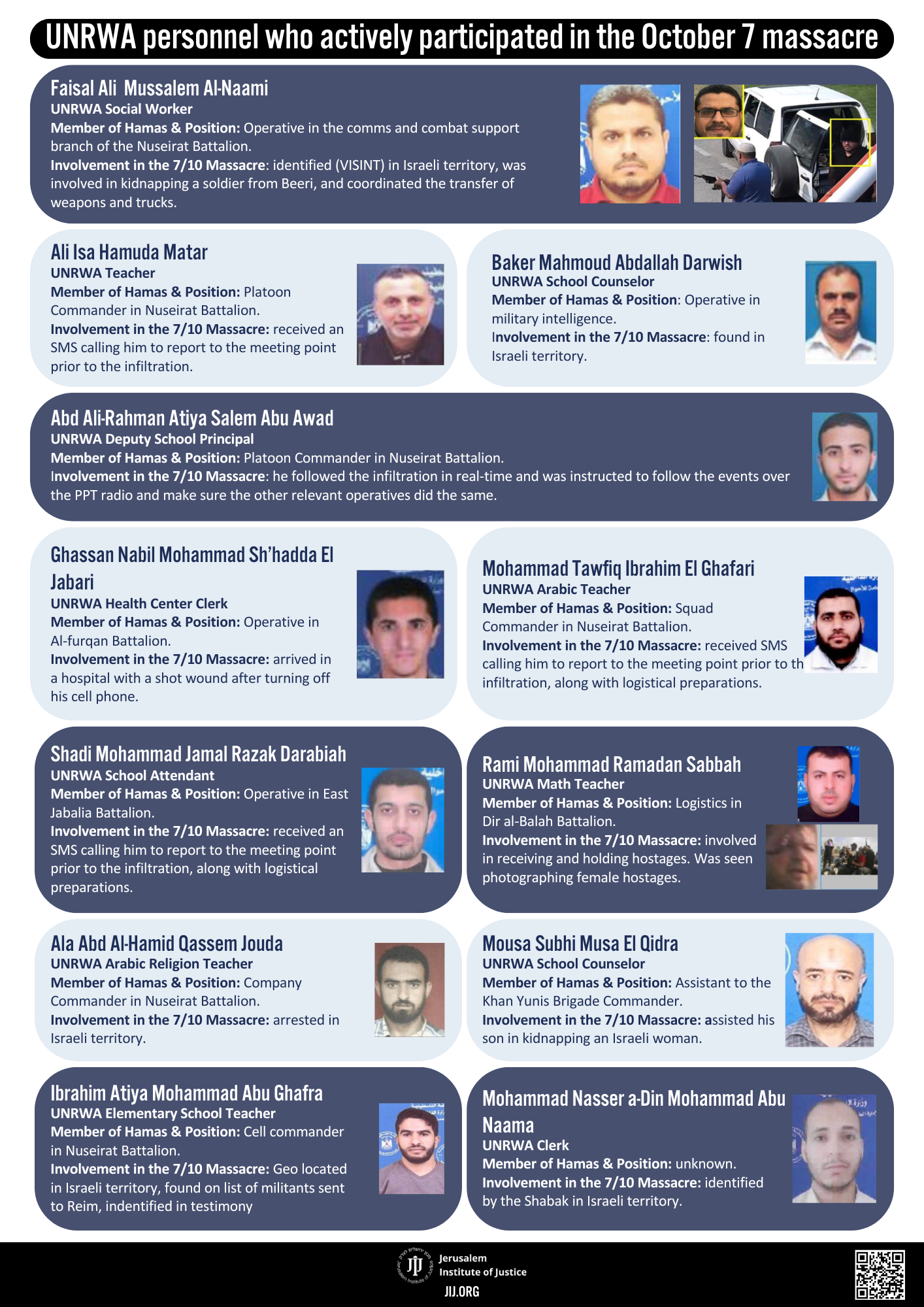
- 133 UNRWA school graduates invaded Israel to murder and kidnap Israeli civilians
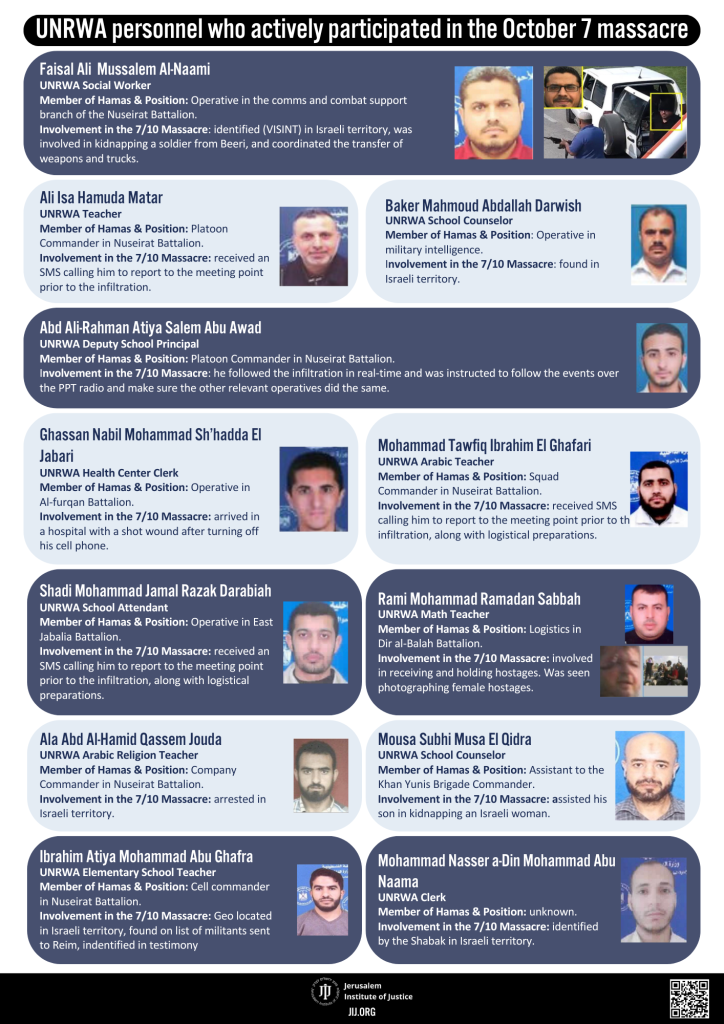
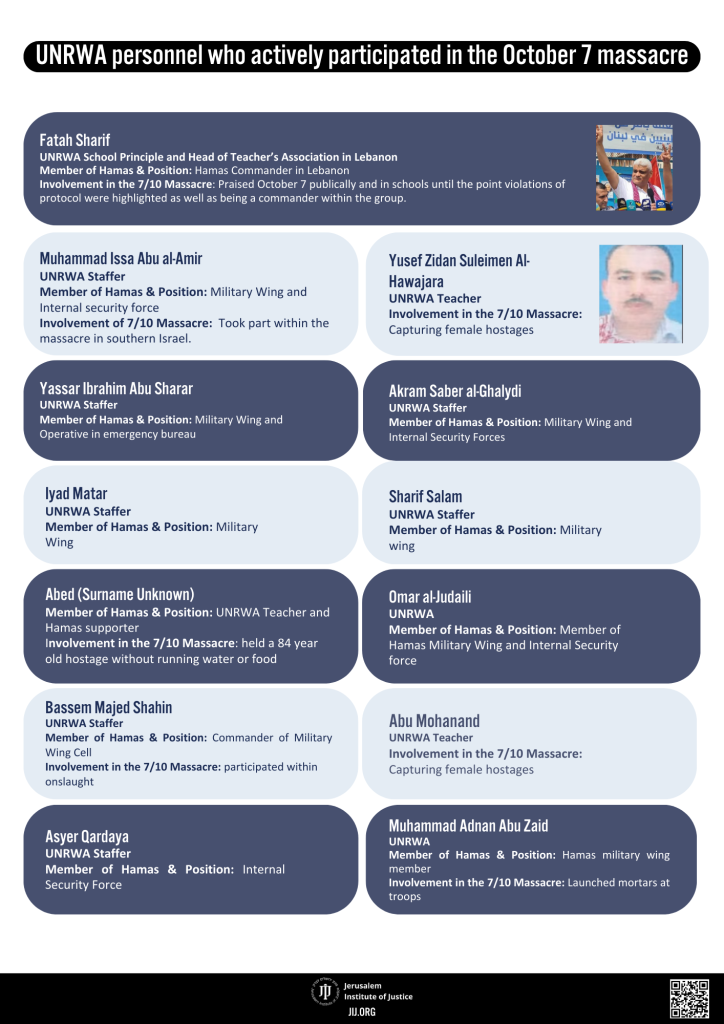
- 12 UNRWA staff directly participated in the massacre
- 2 UNRWA teachers held hostages captive in their own homes
- 30 UNRWA teachers publicly celebrated the violence on social media
- 1,200 UNRWA staff quietly helped Hamas with cars, weapons, money, information, and hideouts
PETITION
His Excellency Mr. António Guterres
Secretary-General United Nations
New York, NY 10017
Your Excellency,
I was horrified to learn that UN employees directly participated in the October 7th massacre, held Israeli hostages captive in their own homes, and celebrated the massacre on social media. It is unacceptable that the United Nations has thousands of terrorists on its payroll, and that it uses donor money to indoctrinate generations of Palestinian children into Hamas’ radical ideology.
The UN cannot sweep away these allegations with a perfunctory “investigation.” This antisemitic agency must be immediately defunded. No donor money should be restored until and unless UNRWA is radically restructured and reformed! Don’t restore funding to UNRWA without:
- New mandate that promotes acceptance of Israel’s existence
- UNESCO-approved curriculum that promotes peace and tolerance, not Jew hatred
- Purge all terror-affiliates from the payroll
- Routine independent audits of all facilities and finances
- An independent ombudsperson to investigate claims of whistleblowers
The people of Gaza deserve better than UNRWA. They deserve food, medicine, education, and shelter delivered by transparent organizations that are not routinely infiltrated by terrorists. They deserve to receive humanitarian aid and not see most of it stolen by Hamas. They deserve schools that promote coexistence with Jews and other minorities in the Middle East.
I support sending aid to Gaza through the World Food Program and UNHCR in the meantime. Thank you for your attention to this important issue.
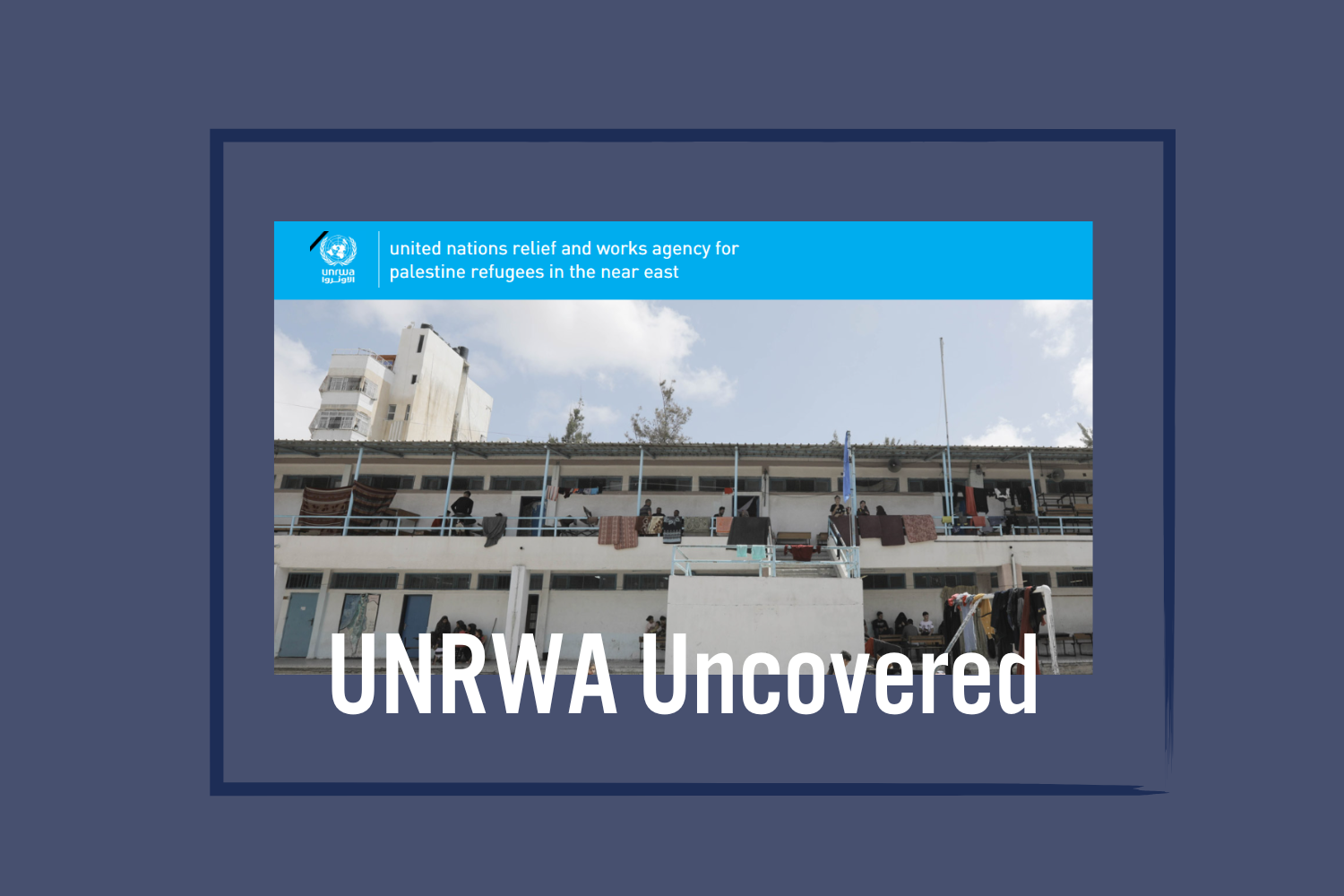
STOP FUNDING HAMAS THROUGH UNRWA!
Facts that you must know about UNRWA.
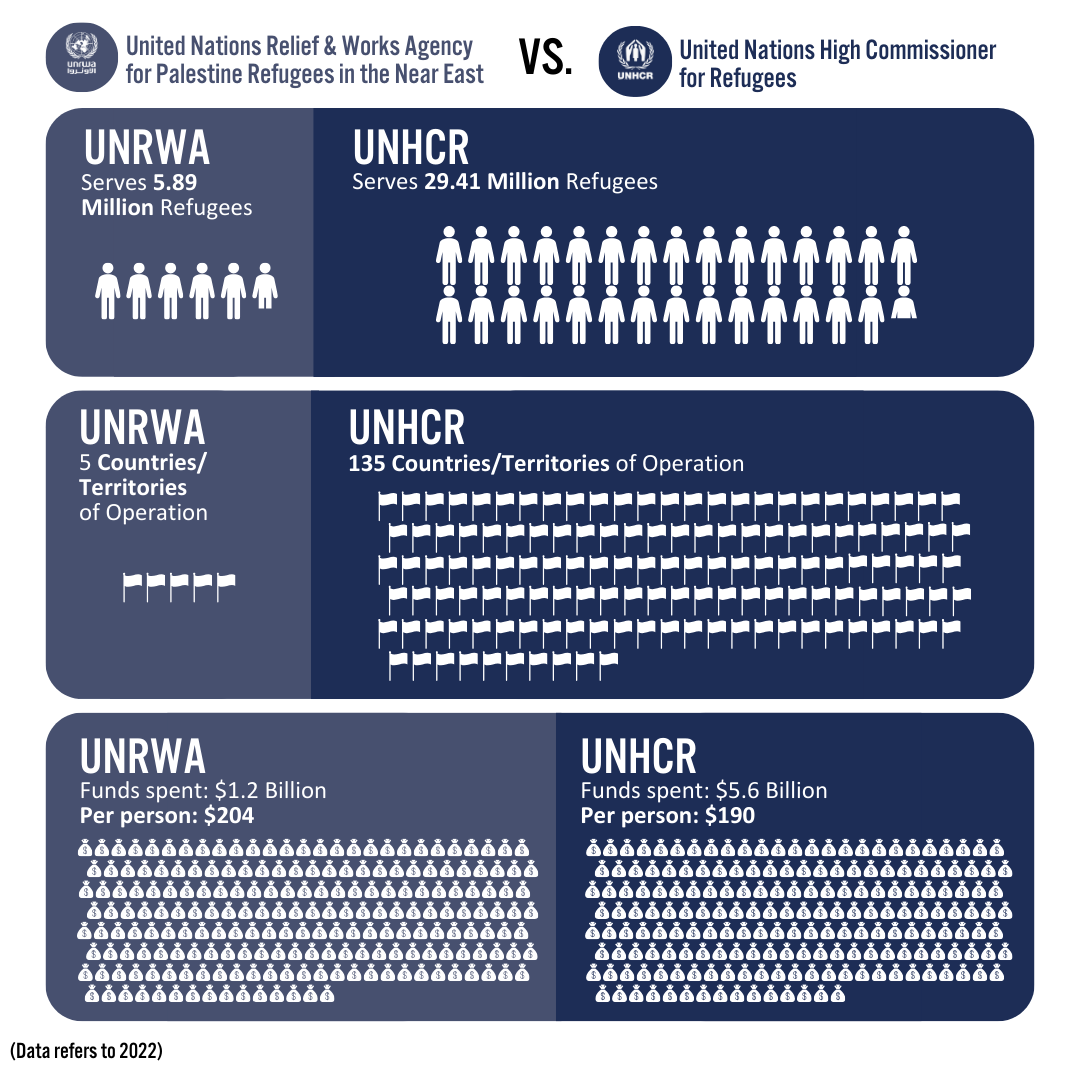
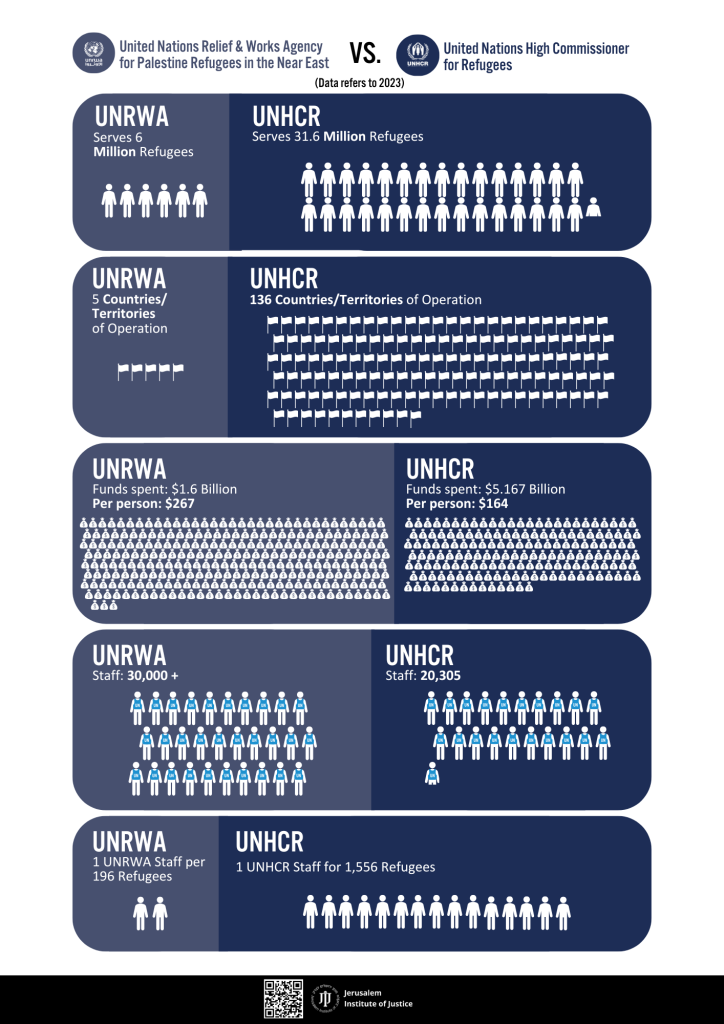
Did you know that the UN has a separate agency that only serves Palestinians? There is no other people group in the world that gets their own UN agency. This organization is now on the 76th year of its original 3-year mandate. Instead of helping Palestinians settle down and build peaceful communities, for decades UNRWA has used money from generous Western donors to perpetuate the conflict under the guise of “humanitarianism.”
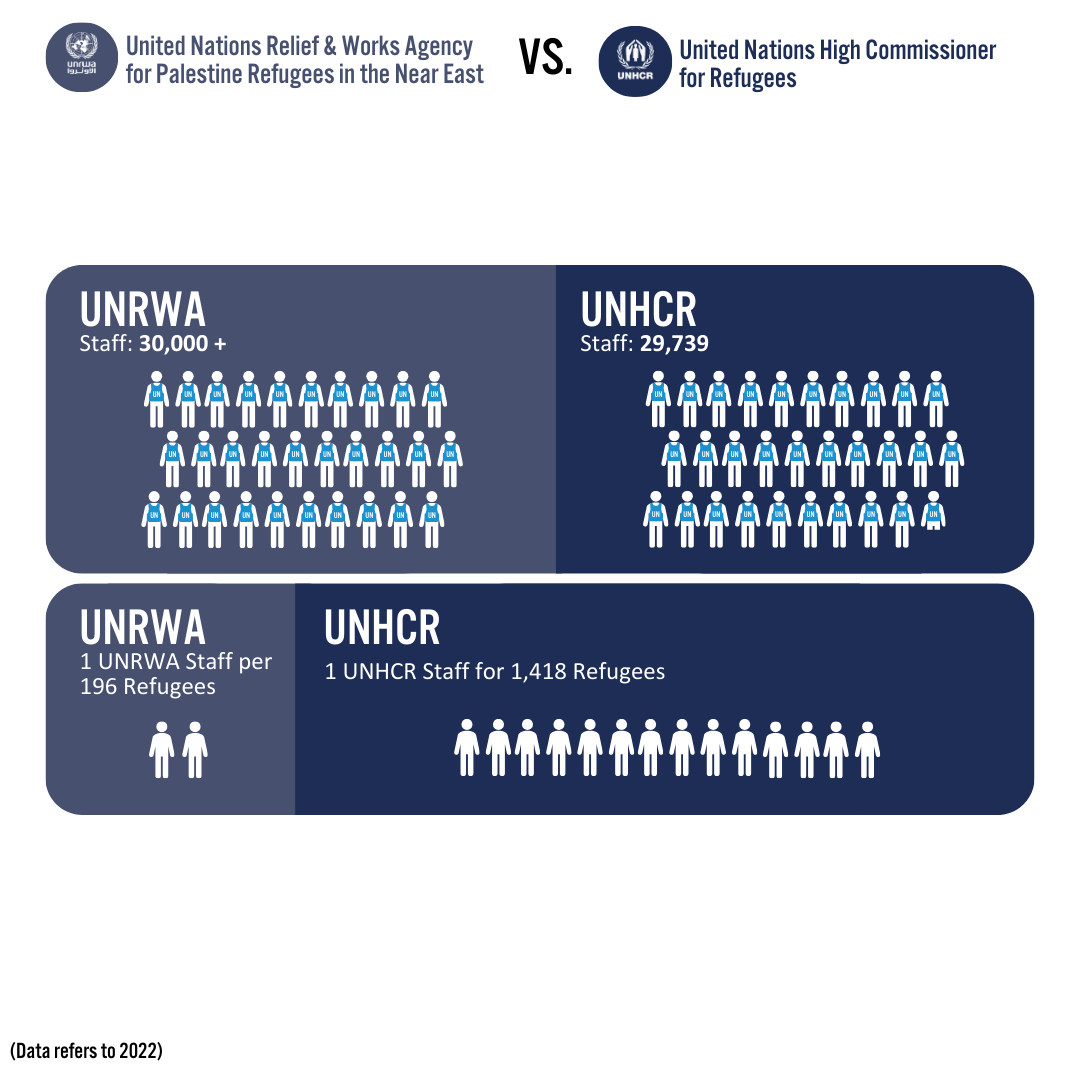
Did you know that UNRWA created its own definition of “refugee” status? In the rest of the world, refugees are people who are forced to flee their country of origin. They are served by the UN’s Refugee agency, which helps them gain citizenship and adjust to their new lives in new places. But UNRWA doesn’t want Palestinians to adjust to reality. If they did, UNRWA would go out of business! Instead it extends “refugee” status to the original refugees’ great-great-grandchildren, and beyond. Thanks to UNRWA, there are scores of Palestinian millionaires who hold multiple foreign passports, yet are still
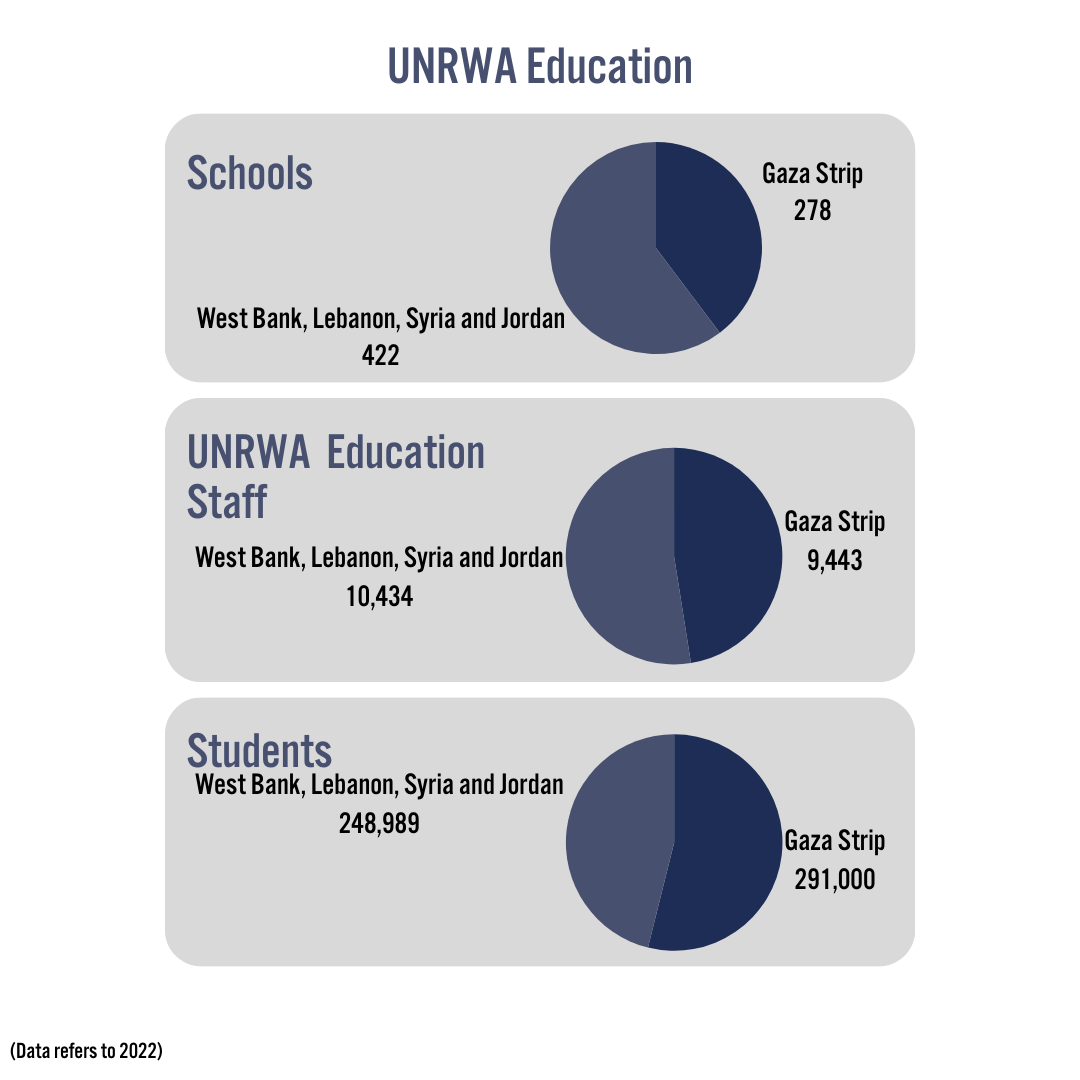
Did you know that UNRWA runs 278 schools for 291,000 Gazan children? In these schools, the UN teaches Palestinian children that they are “refugees,” even though they are Palestinians living on Palestinian land. UNRWA praises terrorists who kill Jews, celebrates martyrdom, and teaches students that one day Israel will be destroyed.
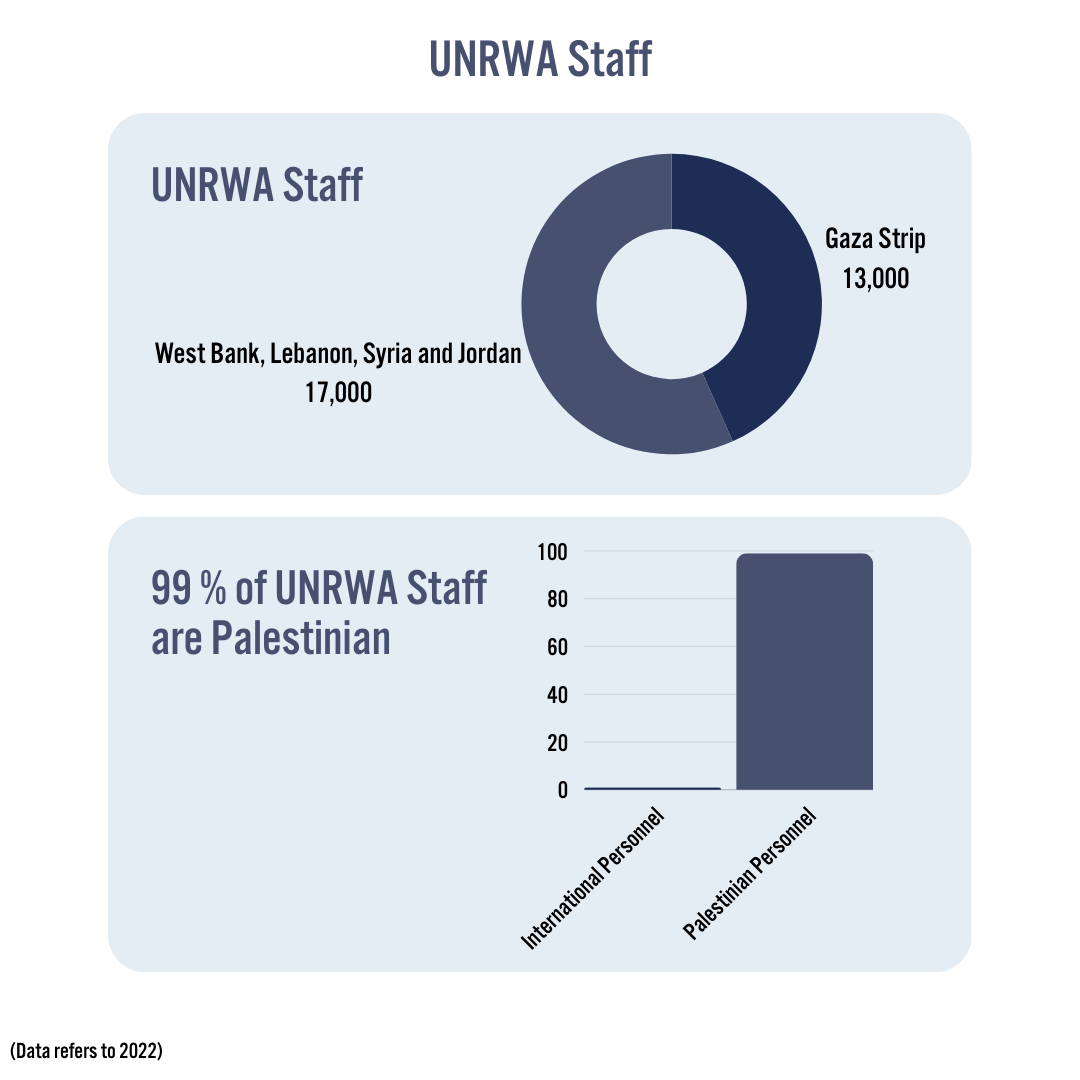
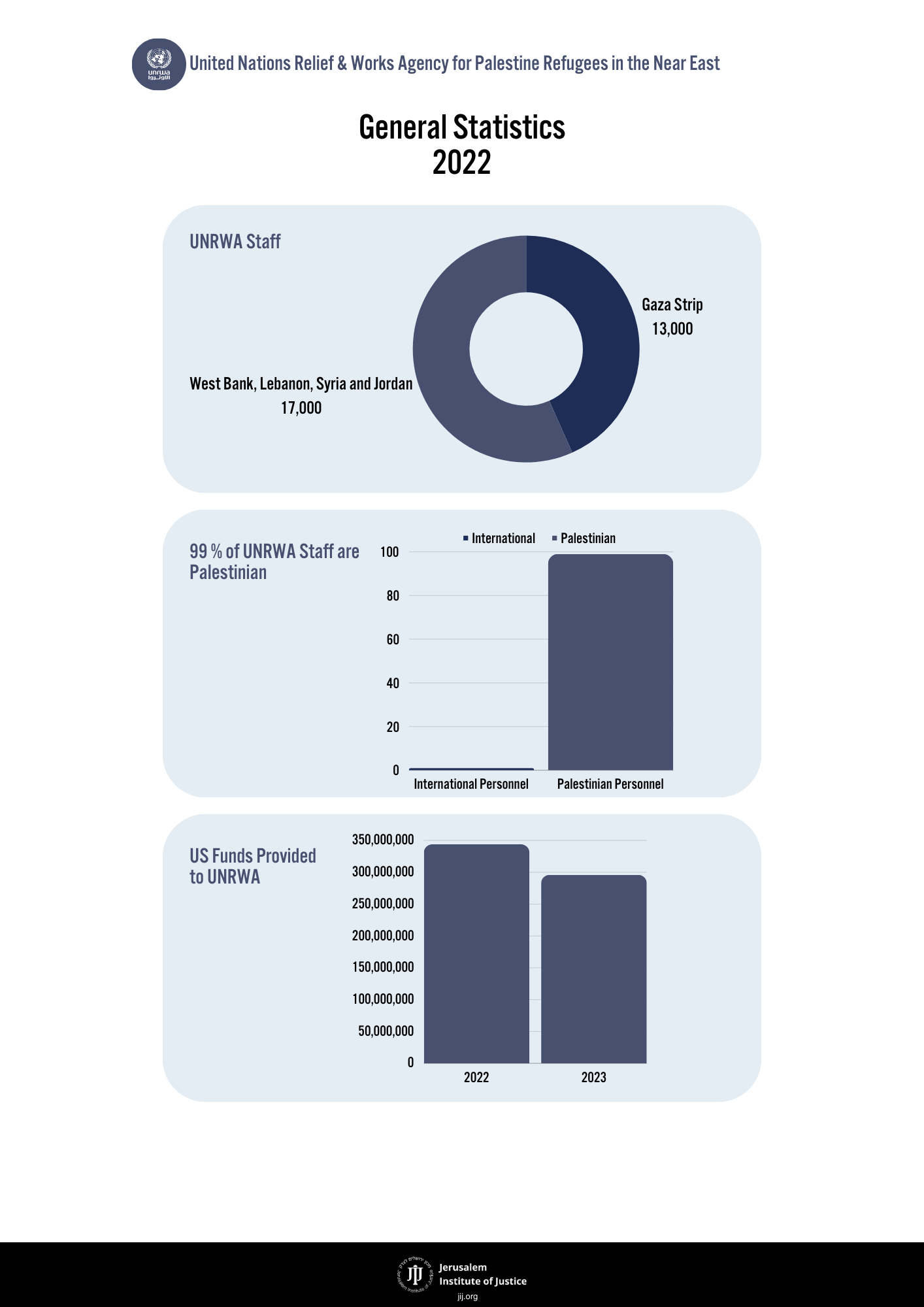
Did you know that UNRWA almost exclusively hires Palestinians? No Jews allowed! Every other UN agency is staffed by people from around the world. This helps UN agencies maintain genuine “neutrality” in conflict zones that are full of political tension. But UNRWA is unique. Over 99% of its employees are Palestinian nationals. According to Israeli intelligence, approximately 15% of adult males in Gaza have ties to Hamas. But within the staff of UNRWA, it’s 23%. A greater percentage of UN employees in Gaza are Hamas-affiliated than the general populace of Gaza!
NOW is the time to radically restructure UNRWA to stop the ongoing radicalization of Palestinian society. Why? Because Palestinians deserve better than UNRWA.
Help us meet this moment. Sign our petition to STOP FUNDING UNRWA until and unless the agency is radically reformed and restructured.
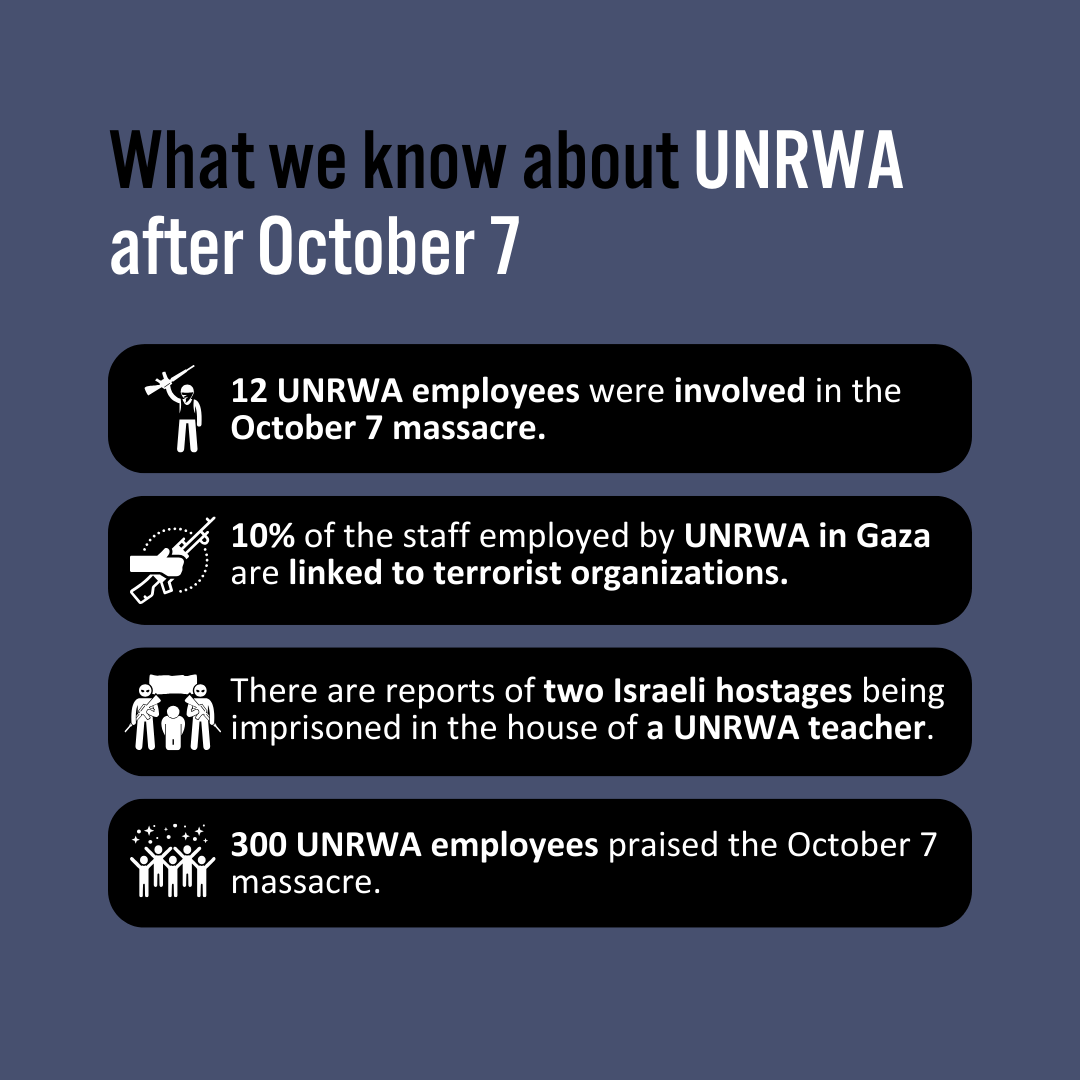
What happens when well-meaning Western donors feed money to a UN agency that turns a blind eye to terrorism? The numbers tell the story.
On October 7th:
- 133 UNRWA school graduates invaded Israel to murder and kidnap Israeli civilians,
- 12 UNRWA staff directly participated in the massacre,
- 2 UNRWA teachers held hostages captive in their own homes,
- 30 UNRWA teachers publicly celebrated the violence on social media, while
- 1,200 UNRWA staff quietly helped Hamas with cars, weapons, money, information, and hideouts.
In the wake of these damning revelations, 14 donor countries, led by the United States, have paused their funding to UNRWA, demanding an investigation. It’s a good first step, but this call for an “investigation” could be an invitation to sweep UNRWA’s problems under the rug. Fire a few people, blame the “few bad apples,” rename a few departments, and turn the money spigot back on. Why? Because “UNRWA is the only option.”
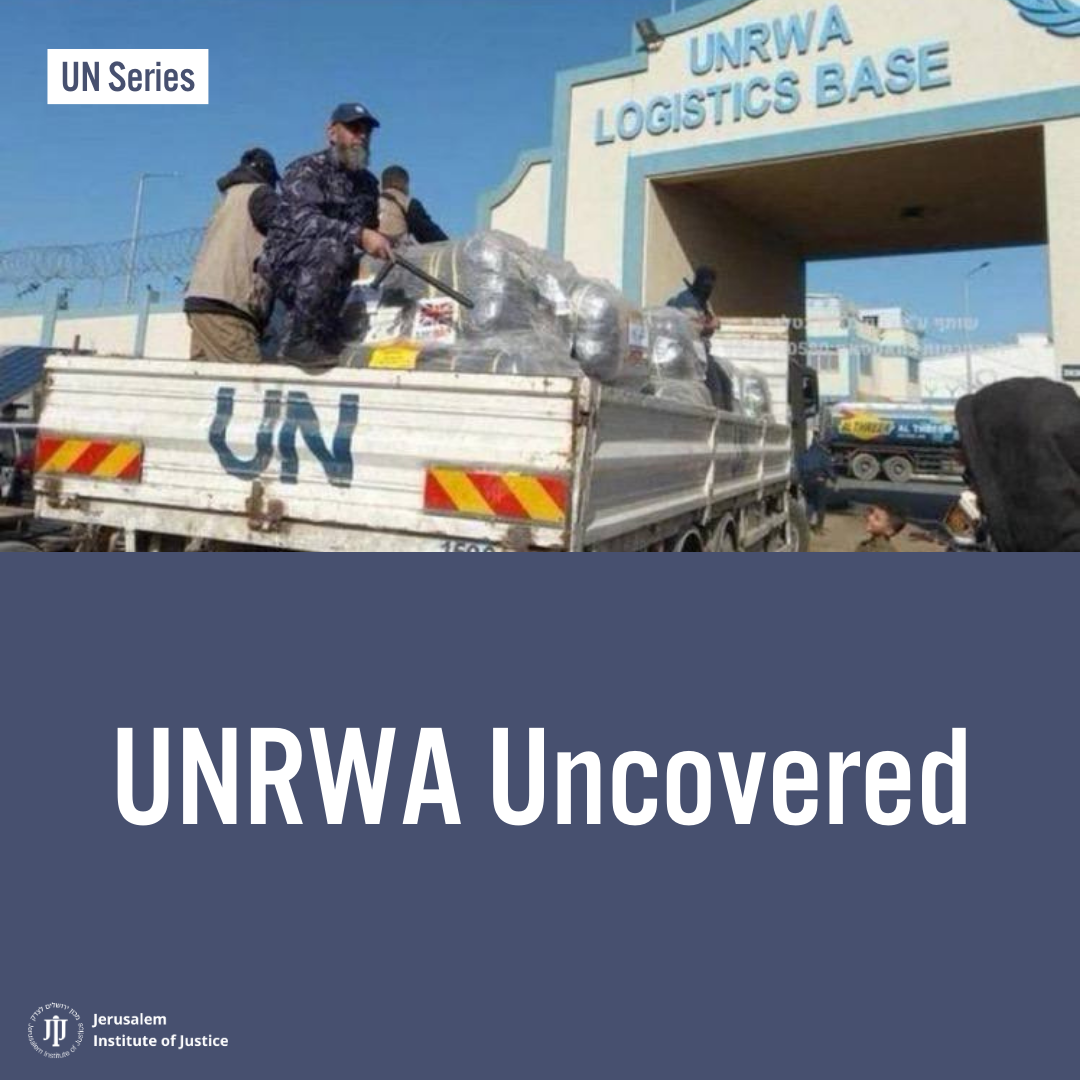
UNRWA is the only option because Hamas made it that way. UNRWA developed a monopoly on aid delivery in Gaza because it is the only aid agency in the world that has been willing to play by Hamas’ rules, which are: see no evil, hear no evil, speak no evil.
- When Hamas puts its members on the payroll, UNRWA allows it because Hamas isn’t recognized as a terrorist group by the UN!
- When Hamas stores rockets, grenades, and suicide belts inside UN schools, shelters, and clinics, UNRWA pretends not to see.
- When Hamas fighters jump onto aid trucks to steal their contents, UNRWA claims they’re just providing security.
You understand the problem now. You see that we can’t waste this moment. Now is the time to radically restructure UNRWA to stop the ongoing radicalization of Palestinian society.
Why? Because Palestinians deserve better than UNRWA. They deserve food, medicine, and shelter delivered by transparent organizations that are not routinely infiltrated by terrorists. They deserve to receive humanitarian aid and not see most of it stolen by Hamas. They deserve schools that promote coexistence with Jews and other minorities in the Middle East.
Help us meet this moment. Sign our petition to STOP FUNDING UNRWA until and unless the agency is radically reformed and restructured.
Click the button below if you wish to support our ongoing efforts.
UNRWA in Numbers
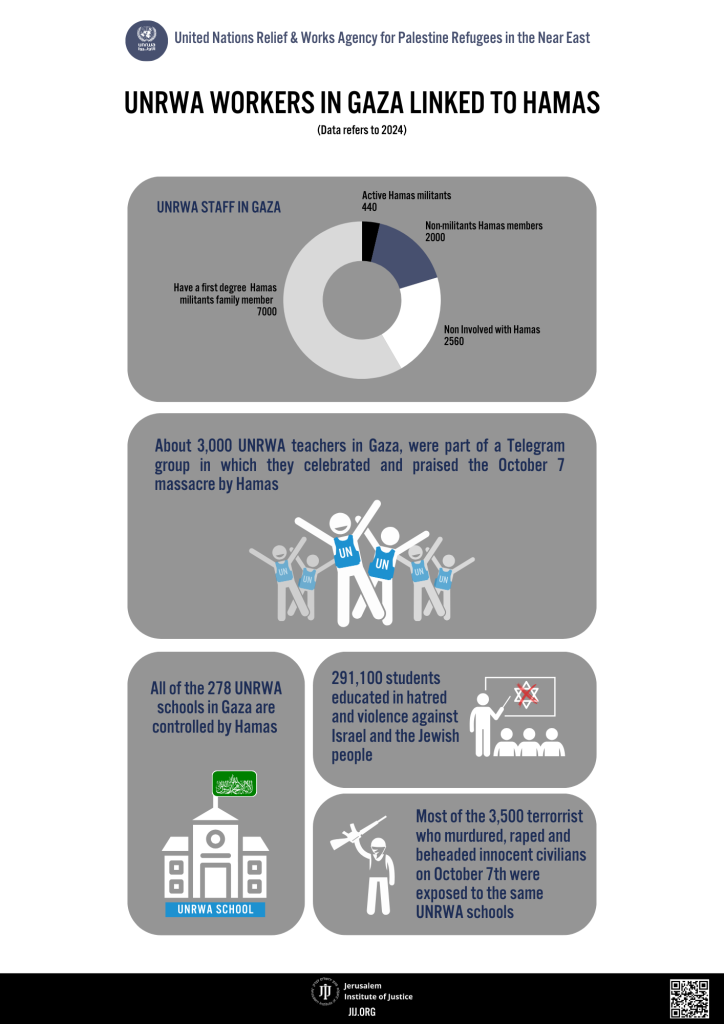
Download
Irredeemable and Flawed
By Rachel Rosen.
"There is no doubt that we [UNRWA] have contributed to one of the most remarkable human development processes and significantly advanced several key sustainable development goals for Palestine refugees...”
The United Nations Relief Works Agency for Palestinians, or UNRWA, is a UN agency that purports to provide humanitarian aid to Palestinian refugees. A simple click on their website will bring forth an array of quotes and pictures of children happily reaping the benefits of UNRWA services, such as engaging in art projects and sports competitions at UNRWA schools. According to UNRWA Commissioner-General Pierre Krahenbuhl, "There is no doubt that we [UNRWA] have contributed to one of the most remarkable human development processes and significantly advanced several key sustainable development goals for Palestine refugees...” If UNRWA is in fact providing essential humanitarian aid to refugees however, then what are the issues with this agency that have caused the US to stop funding it?
Unlike the United Nations High Commissioner on Refugees (UNHCR), the UN program which gives aid to refugees from all over the world, UNRWA is dedicated to helping Palestinians alone. Even more striking is the fact that UNRWA created a new definition of refugees that applies only to Palestinians, including not only those who were displaced after the 1948 and 1967 wars, but also their descendants. While UNRWA is commonly depicted as a humanitarian agency that provides educational, health, and welfare services to displaced Palestinians across the Middle East, it is in fact stewing a false hope among Palestinians that they will return to an Arab State of Palestine, and thus erase the State of Israel.
What does UNRWA accomplish? What are the issues it causes?
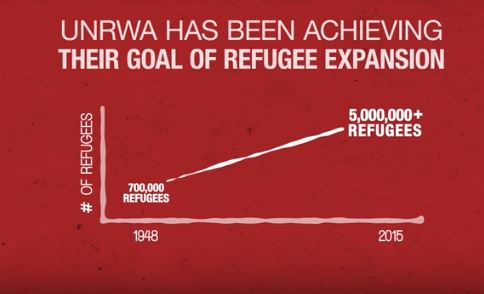
UNRWA’s definition of refugee has exponentially increased the Palestinian refugee population. While it originally aided 750,000 people, today UNRWA serves 5 million people. Consequently, many Palestinians, have acquired citizenship in other states, in Jordan in particular. Only the return of refugees and their descendants to their homes could remove their refugee status. Several Arab states, such as Lebanon and Syria, do not want to fully integrate Palestinians in an effort to not deny them their right to return to modern-day Israel. According to Einat Wilf, UNRWA expert and former Member of Kennest, this has focused Palestinian national identity on the right of return and on eliminating the modern State of Israel.
The educational system funded by UNRWA is especially problematic. UNRWA schools indoctrinate students in the West Bank and Gaza with violent, hateful ideologies. Students are taught that Israel has no right to exist, that Palestine and Israel cannot coexist, and that the Land of Israel should only contain an Arab Palestinian state. The Center for Near East Policy Research found that textbooks in UNRWA schools were filled with anti-Semitic and anti-Israel statements. These instructional materials promote the deligitmization and demonization of Israel and Jews and advocate for a violent struggle for liberation of 1948 Palestinian borders.
The UNRWA definition of Palestinian refugee status and its support for a biased education system does not contribute to peace efforts between Palestinians and Israelis, but rather, perpetuates the conflict. Refugee status is passed on from generation to generation. This ensures that many Palestinian children attend UNRWA schools where they are indoctrinated with hateful, anti-Israel, anti-peace beliefs. Hamas leaders put these beliefs into practice in UNRWA facilities by training children to become terrorists and by using these spaces for terrorist operations- such as digging tunnels under schools or storing weapons in hospitals.
Why has the US stopped funding it?
The defunding of UNRWA is one out of several steps the Trump Administration is taking to strengthen Israel. The US was the largest single donor to UNRWA, giving more than $350 million in 2017. After, however, Palestinian Authority President Mahmoud Abbas refused to enter US-led peace talks with Israel, the US froze $125 million in aid. The decision was made at a meeting between Jared Kusher and Mike Pompeo, however, many other leaders- including President Trump and National Security Advisor John Bolton- were supportive. Trump stated, “...With Palestinians no longer willing to talk peace, why should we make any of these massive future payments to them?” Abbas’s refusal to engage in peace talks stems from the fact that Palestinians do not see the US as a fair, peace-making body. In moving the US embassy from Tel Aviv to Jerusalem, he claims that the Trump administration alienated Palestinians from the peace process.
Both US and Israeli leaders view UNRWA as a means of deepening Palestinian problems. Their alienation from the peace process is not the fault of the US, but rather can largely be attributed to their own neglect to work towards coexistence. US leaders tend to point to the issue of how UNRWA defines refugee, while their Israeli counterparts discuss the existential threat that UNRWA poses to Israel. According to National Security Advisor John Bolton,
“UNRWA is a failed mechanism. It violates standard international law on the status of refugees. UNRWA’s program is the only one in history based on the assumption that refugee status is hereditary... it is long overdue that we have taken steps to reduce funding.”
US Ambassador to the UN, Nikki Haley, affirmed Bolton’s point, claiming that in order for UNRWA to receive US dollars, the number of refugees will need to be changed to an accurate count. Heather Nauert, State Department spokeswoman, called on Israeli Prime Minister Benjamin Netanyahu to support the US decision to withdraw funding from UNRWA, describing the program as an “irredeemably flawed operation” that is based on an “unsustainable” business model. The Prime Minister’s office affirmed Netanyahu’s support for the US’s “critical attitude towards UNRWA” and claimed that “practical steps need to be taken in order to change the fact that UNRWA is being used to entrench the Palestinian refugee problem instead of solving it.” The hawkish view of Israeli leaders is reflected in statements made by former and current Israeli ambassador to the UN, Ron Proser and Danny Danon, in which they describe how UNRWA-funded facilities are used for terrorist activities. Proser describes UNRWA schools as a “hotbed of incitement” against Israel, Jews, and the West, while Danon points to UNRWA’s adoption of a unilateral political position and the anti-peace rhetoric in course materials taught at UNRWA schools.
What are the solutions to UNRWA?
The largest problem with abolishing UNRWA is addressing who would provide humanitarian aid to poor Palestinians in Gaza and the West Bank. Several solutions have been suggested that seek to reform who controls UNRWA and who oversees where funds get allocated. One solution would be to transfer UNRWA’s responsibilities to the UNHCR. If UNRWA operated under the UNHCR, it would to adopt the UNHCR rules and regulations, ensuring that Palestinian refugees were treated the same as all other refugees around the world. This would revoke the unique refugee status of Palestinians. Another solution would be to put UNRWA under the sole control of the Palestinian Authority, thus terminating its affiliation with the UN and UN funding. A third solution on the table is increasing UNRWA’s transparency in order to ensure that its budget and equipment are used for the correct purposes and to ensure that educational programs are supervised. In a statement to the Foundation for the Defense of Democracies, Haley stated, “UNRWA can stay there, and we will be a donor if it reforms what is does... If it goes and makes sure that they’re not doing those teachings in textbooks, if they actually change the number of refugees to an accurate account. We will look back partnering with them.” She noted that the administration is seeking to bring resolutions to the UN that will hold Hamas accountable for human rights abuses in Gaza, such as the use of children as human shields.
Dealing with Refugees
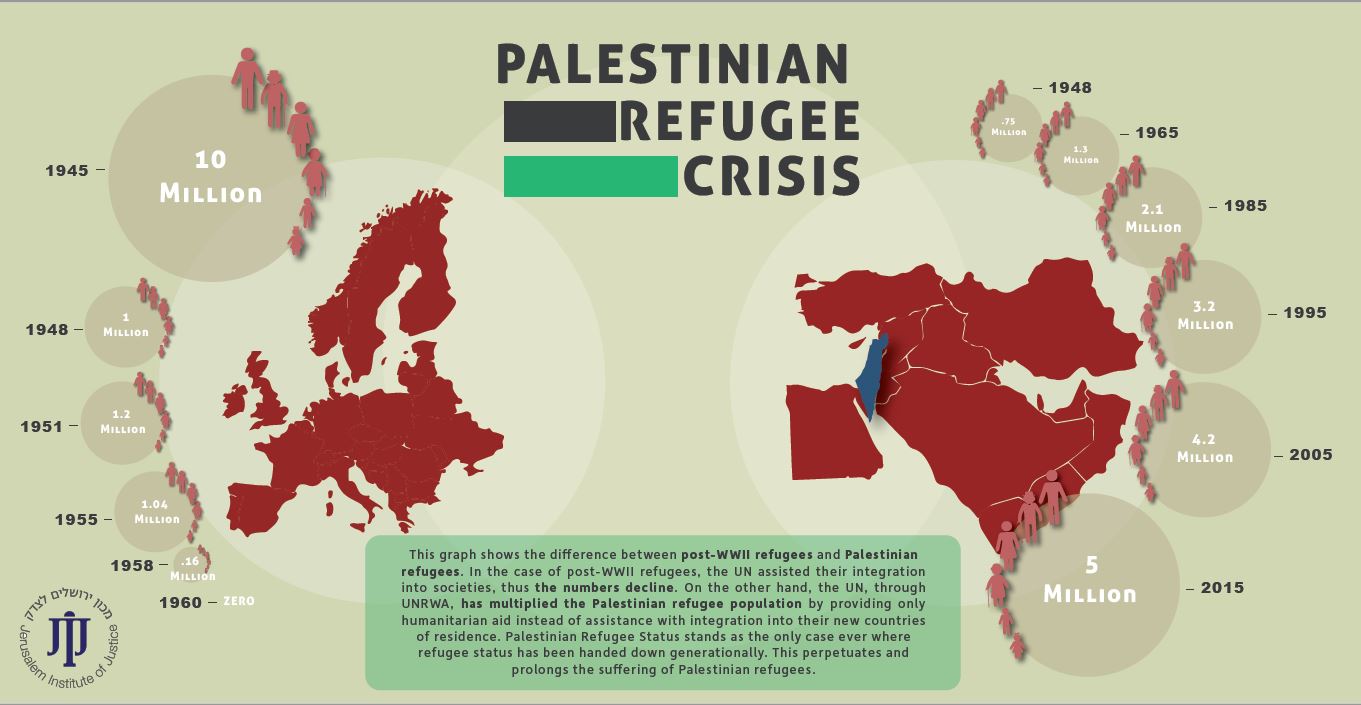
A comparison of refugees after World War II in Europe and Palestine
This report examines refugee populations following World War II in Europe and Palestine, and common characteristics with the current Syrian refugee crises. After the conclusion of World War II in Europe as former residents resettled or integrated, the number of European refugees and camps declined. At the same time, the number of Palestinian refugees continued to grow as they were not naturalized in their host countries. Instead they were inheriting refugee status after being registered as such by the United Nations Relief and Works Agency, a UN institution exclusively responsible for the Palestinians.
The following pages compares the circumstances and call for right of return between those expelled from Germany after World War II and Palestinian refugees. The aim of this paper is to show that there are alternative stop UNRWA's current policies and retaining refugee status for an entire population group is not the optimal way to solve the problem.
Downloads

The Israeli Palestinian Conflict: 10 Myths Preventing Peace
https://www.youtube.com/watch?v=GdtGOY8T5XE
The Jerusalem Institute of Justice scripts the Israeli Palestinian conflict which is an often misunderstood political battleground where facts are mixed with opinion, preference, and prejudice. There's so much confusion around the conflict that we want to bring light to what is truth and what is myth. What issues are actually standing in the way of bringing peace between the Israelis and Palestinians? How does their fight over land complicate the conflict? And what role to political leaders like Yasser Arafat and Ehud Barak play along with organizations like UNRWA? These are questions we uncover in these 10 myths that are preventing peace in Palestine and Israel.